June 11, 2026
Planning a quick service restaurant? Learn the business model, key features, startup steps, common mistakes, technology needs, and POS tools before launch.

Opening a food business can feel exciting, but the early planning stage often requires a lot of work: concept, menu, location, staffing, ordering, payments, and daily operations. A quick service restaurant can be a practical path if you want a food business built around speed, convenience, and repeatable systems. But what is a quick service restaurant, and how do you start one the right way?
This guide walks you through the model, key features, startup steps, common mistakes, and the technology that can help you launch with more confidence.
A quick service restaurant, often called a QSR, is a food business built for quick ordering, quick preparation, and easy takeaway, dine-in, pickup, or delivery. Customers usually order at a counter, kiosk, website, app, or drive-thru, then receive their food with little or no table assistance.
This model works best when the menu stays focused and the process stays repeatable. Each order should move clearly from payment to preparation to handoff. That is why many QSR concepts focus on food or drinks your team can prepare consistently and package easily.
You can open a QSR as a small storefront, kiosk, food court stall, cloud kitchen, or delivery-first brand. The format may change, but the goal stays the same: serve popular menu items quickly while maintaining consistent quality.
Common examples include:

A quick service restaurant works best when every part of the operation helps customers order, pay, receive food, and leave with ease. Before you open your QSR, these are the features to plan carefully.
Speed starts at the ordering point. Customers should be able to place orders quickly at a counter, via a self-ordering kiosk, mobile app, website, or QR code.
A strong setup includes a clear menu layout, simple modifiers, quick payment options, and a team that knows each step of the order flow. The easier it is for customers to order, the faster your team can move from payment to preparation.
A strong QSR menu does not need too many items. It needs items your team can prepare quickly, price profitably, and repeat consistently.
For example, a burger shop may focus on a few burger options, sides, drinks, and combo meals. A milk tea shop may build its menu around best-selling drinks, toppings, sugar levels, and add-ons. This keeps prep easier, helps control inventory, and makes training smoother.
Most QSRs do not rely on waitstaff taking orders at tables. Customers usually order at a counter, kiosk, website, app, or delivery platform.
This format helps you run with a leaner front team. Instead of assigning staff to tables, you can focus labor on order taking, food prep, packing, pickup, and customer assistance.
A QSR often earns through steady order flow. During lunch, dinner, weekends, or promo periods, your team may need to handle many orders in a short time.
To prepare for that, you need clear stations, trained staff, reliable equipment, and a POS system that can process orders quickly. Your kitchen or drink station should know exactly what to make, where the order came from, and when it needs to be ready.
A QSR can sell beyond dine-in customers. Takeaway, pickup, drive-thru, online ordering, and delivery can help you reach more people throughout the day.
These channels work best when your menu travels well, packaging protects quality, and order details sync properly with your POS and kitchen display. This helps your team handle in-store and off-premise orders from one clear workflow.
A QSR works well if you want a food concept built around speed, simple ordering, repeatable prep, takeaway, and delivery. A full-service restaurant is a better fit if your concept depends on longer visits, plated meals, and a more personal dining experience.
A quick service restaurant can be a practical choice if you want to launch a food business with a focused menu, leaner staffing needs, and multiple ways to sell. It gives you room to start small, test demand, and grow with the right systems in place.
A focused menu can make your day-to-day work easier to manage. Instead of training your team on a long list of dishes, you can build clear prep steps, portion guides, and order workflows around your best items.
This helps you:
For example, a milk tea shop, burger counter, or sandwich shop can run more smoothly when the team knows exactly how each item should be prepared, packed, and handed to the customer.
QSRs are built for speed. Customers order, pay, receive their food or drinks, and move on. That shorter visit time helps you handle more orders during lunch rushes, dinner peaks, weekends, and promo periods.
Faster turnover can also help you make better use of a smaller space. You may not need a large dining area to generate steady sales if your counter, pickup, and delivery flow works well.
You do not need to start with a large restaurant space. A QSR can work in many formats, depending on your budget, menu, and sales goals.
Popular options include:
This flexibility gives you more control over startup costs. You can choose a setup that fits your concept instead of building a full dine-in restaurant from day one.
Many QSR menus work well for pickup and delivery. Burgers, pizza, rice bowls, sandwiches, coffee, milk tea, and desserts can move quickly from order to handoff when your menu, packaging, and kitchen flow are well planned.
Online ordering also helps you reach customers beyond walk-in traffic. With the right setup, orders from your website, kiosks, and delivery apps can flow into one POS, helping your team avoid manual entry and missed items.
A QSR becomes easier to grow when your recipes, workflows, menu setup, and technology stay consistent. Once you know what works, you can repeat the same process in another branch, kiosk, or delivery location.
This is helpful if you plan to:
Standardized systems make growth easier to manage because your team can follow the same steps across locations. That means your customers get a consistent experience, and your business becomes easier to monitor as it expands.

Starting a QSR gets easier when you break the process into clear steps. Start with your concept, then build the menu, location plan, operations, team, and technology around it.
Your concept should define what you sell, who you sell to, how much you charge, how customers order, and how your brand feels. A clear concept also helps you choose the right location, equipment, menu, and POS setup.
Examples include:
Keep your idea focused. Instead of trying to offer every popular item, choose a concept your team can prepare quickly and consistently.
Before you sign a lease or buy equipment, study the area you want to serve. Look at customer demand, nearby competitors, foot traffic, delivery demand, pricing, and local food preferences.
Pay attention to:
Good research helps you avoid copying competitors and gives your QSR a clearer position.
Your menu should be easy to prepare, profitable, and suitable for quick ordering. A focused menu also helps your team move faster, reduce waste, and keep quality consistent.
Review these points before finalizing your menu:
Start with your best items first. You can add more later once you see what customers buy most often.
A business plan gives your QSR direction before you start spending heavily. It also helps you plan your budget, pricing, staffing, and growth goals.
Include these key details:
Your plan does not need to be long, but it should be clear enough to guide your decisions. Use it to track what you need, what you can afford, and how you plan to earn back your investment.
Your location should match your QSR format. A coffee kiosk may work well near offices or transit areas. A bubble tea shop may fit near schools, malls, or shopping streets. A delivery-only kitchen may need strong access to dense delivery zones.
Common options include:
Look beyond rent. Check visibility, nearby competitors, parking, delivery access, foot traffic, and customer habits before choosing a spot.
Permit and license requirements vary by location, so check local rules early. Most QSR owners need business permits, food safety approvals, tax registration, and health inspections before opening.
You should also line up supplier agreements for:
Reliable suppliers help you keep menu items available and protect your margins.
Your kitchen layout should support speed, safety, and consistency. Plan how each order moves from the customer to the kitchen, then to packing, pickup, or delivery handoff.
Map out these steps:
Place equipment, prep stations, storage, and packing areas where your team can work efficiently. A clear layout can reduce mistakes during peak hours.
A QSR POS system helps you manage fast transactions, menu items, modifiers, payments, inventory, reports, staff access, and online orders in one place. It also helps your team handle different order channels with less manual work.
Look for POS features such as:
The right POS setup can help you track what sells, update menu availability, manage rush periods, and keep orders moving from counter to kitchen to pickup.
Your team affects speed, accuracy, and customer experience. Hire people who can follow clear steps, communicate well, and stay organized during busy hours.
Train employees on:
Give every role a checklist. Clear training helps your staff work faster and reduces mistakes after launch.
Start with a soft opening before your full launch. Use it to test your menu, POS, kitchen layout, order flow, packaging, and staff training.
Promote your opening through:
After launch, review your sales data often. Track best-selling items, slow-moving products, peak hours, refunds, customer feedback, and labor needs. Use those insights to adjust your menu, pricing, promotions, and staff schedule.

Small planning gaps can lead to bigger problems after launch. Keep these common mistakes in mind as you build your concept, menu, team, and daily workflow.
A large menu may look impressive, but it can slow prep, raise food costs, and make training harder. Start with a focused menu that your team can prepare quickly and consistently. Add new items later based on sales data and customer demand.
A great concept still needs the right spot. Before signing a lease, study foot traffic, nearby offices or schools, parking, delivery demand, rent, and local competitors. For a cloud kitchen, focus on delivery coverage, order volume, and access to key neighborhoods.
Food, packaging, wages, utilities, delivery fees, and repairs can quickly reduce profits. Set clear cost targets before opening. Track ingredient usage, portion sizes, staff hours, and waste from day one.
Paper tickets, spreadsheets, and manual stock counts can lead to errors as order volume increases. A connected POS system can help you track sales, update menu items, monitor inventory, and send orders to the kitchen more efficiently.
Many customers expect to order ahead, pick up, or get food delivered. If you skip digital ordering, you may miss a major sales channel. Make sure your menu, packaging, pricing, and pickup flow work well for online and delivery orders.
Your team needs clear training before launch. Teach them how to use the POS, prepare menu items, handle payments, pack orders, manage rush periods, and solve customer issues. Simple checklists can help every shift stay consistent.
Your reports can show what sells, what wastes money, and when your busiest hours happen. Review bestsellers, low-performing items, peak times, refunds, discounts, and labor trends. Use that data to adjust your menu, staffing, and promotions.

The right tools help your QSR take orders faster, reduce errors, track sales, and keep your team organized. You do not need every tool on day one, but you should choose systems that can grow with your restaurant.
Here are the key technologies to consider:
1. Quick service restaurant POS system
Your POS is the center of your daily operation. It helps you process orders, accept payments, manage menu items, apply discounts, track sales, and review performance.
For a QSR, choose a POS that supports fast order entry, menu modifiers, combo meals, multiple payment types, and clear sales reports.
2. Kitchen Display System
A Kitchen Display System sends orders directly to the kitchen or drink station. Your team can view new orders, prepare items in order, mark them complete, and reduce missed tickets.
This is especially useful for burger shops, pizza counters, sandwich shops, milk tea shops, and cafés with high order volume.
3. Self-ordering kiosks
Kiosks let customers place orders on their own. They can help shorten lines, improve order accuracy, and give your team more time to focus on preparation and pickup.
They also make it easier to suggest add-ons, upgrades, combos, and promotions.
4. Online ordering system
Online ordering lets customers place pickup or delivery orders through your website or branded ordering page. This helps you capture direct orders instead of relying only on third-party apps.
Your online ordering system should sync with your POS, menu, pricing, and item availability.
5. Delivery app integration
If you plan to sell through delivery platforms, connect them to your POS. This consolidates delivery orders into a single system, so your staff does not need to re-enter them by hand.
It can reduce order errors and help your team manage dine-in, pickup, and delivery from a single place.
6. Inventory management
Inventory tools help you track ingredients, monitor stock levels, and update item availability. For example, if a topping, drink flavor, or menu item sells out, your system should help you update it quickly across your sales channels.
This helps control waste and avoid selling items you cannot prepare.
7. Customer loyalty and SMS marketing
Loyalty programs and SMS campaigns help bring customers back. You can promote new menu items, send coupons, announce opening offers, or reward repeat buyers.
This works well for cafés, milk tea shops, sandwich shops, and other QSR concepts that rely on repeat visits.
8. Reporting dashboard
Sales reports show what is working. You can track best-selling items, peak hours, average order value, staff performance, and promotion results.
Use this data to adjust your menu, schedule your team, and plan better offers.
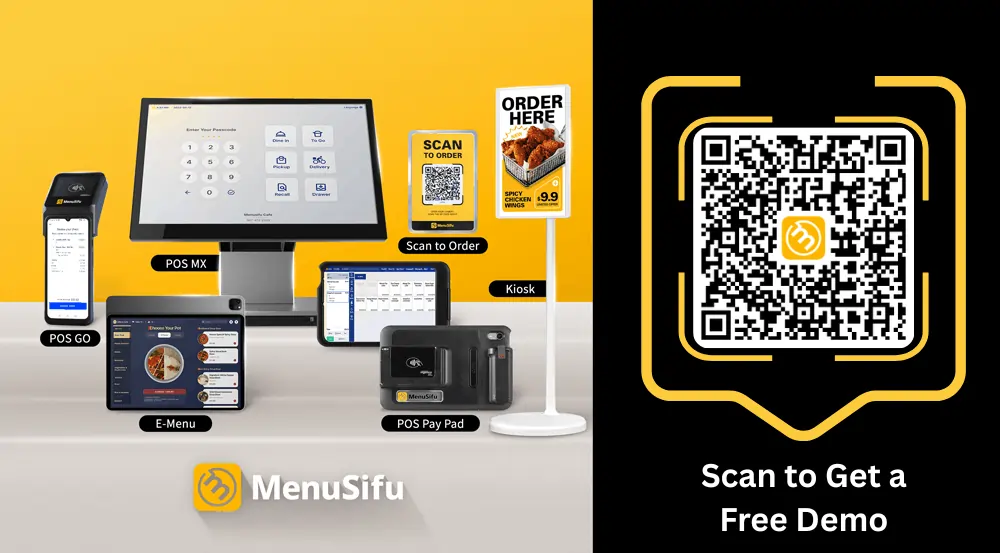
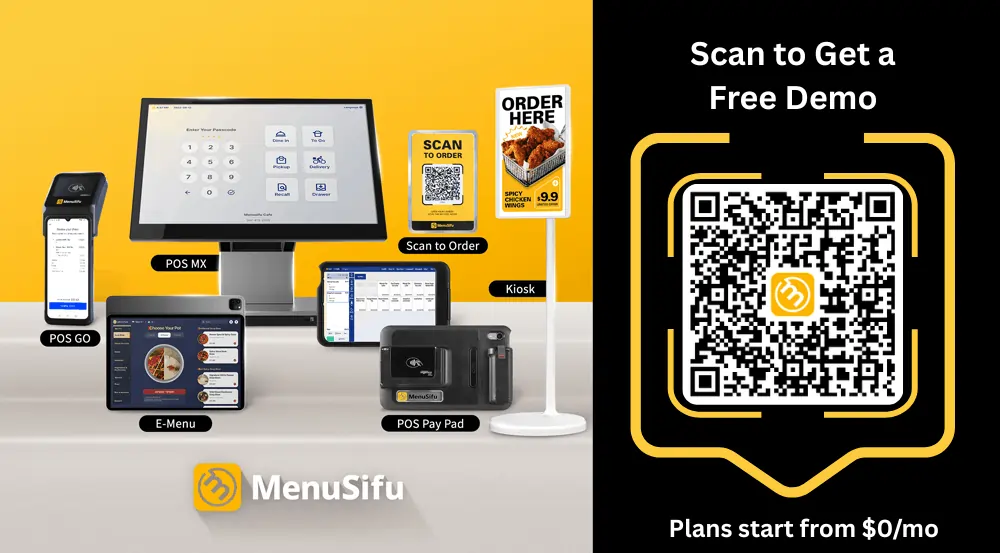
A solution like MenuSifu’s quick service restaurant POS system can help connect these moving parts in one place. It supports high-volume ordering, kiosks, online orders, delivery app orders, Kitchen Display Systems, pickup screens, offline mode, inventory updates, promotions, SMS marketing, and automated workflows for concepts like bubble tea shops.
For a new QSR, that means fewer disconnected tools and a cleaner setup from the start.
A QSR can fit your goals if you want a food business built around speed, consistency, and repeat orders. It works well for concepts with a focused menu, short prep times, and strong demand for takeaway, pickup, or delivery.
You may be a good fit for this model if you:
A smaller menu helps you control costs, train staff faster, and keep food quality consistent.
Burgers, pizza, sandwiches, coffee, milk tea, snacks, and similar items work well when your team can prepare them quickly and package them easily.
A QSR works well when customers can order, pay, collect their food, and leave with ease.
Standard recipes, repeatable workflows, and the right technology can help you open more locations or explore franchising later.
This model rewards clear systems for ordering, payments, kitchen prep, inventory, and staff roles.
A QSR may not be the best fit if your concept depends on long dining visits, highly customized dishes, or a large menu. But if your goal is to serve a clear menu quickly, keep operations lean, and build a brand with takeaway or delivery potential, a quick service restaurant can be a strong path forward.

Starting a quick service restaurant takes more than a good menu. You need a clear concept, efficient order flow, trained staff, reliable suppliers, and technology that helps your team serve customers quickly and consistently.
As you plan your QSR, choose systems that can support your first day and your next stage of growth. MenuSifu’s quick service restaurant POS system helps you manage counter, kiosk, online, phone, and delivery orders in one connected platform. Orders can flow directly to the POS, kitchen display, and pickup screen, helping your team prepare, complete, and hand off orders with better accuracy.
MenuSifu also supports AI phone ordering, real-time menu and inventory updates, offline mode, promotion templates, SMS marketing, member targeting, and automated workflows for bubble tea shops, such as scan-to-brew and scan-to-call. These tools can help your restaurant handle more orders, improve repeat visits, and keep daily operations organized.
If you are preparing to open or expand a QSR, book a Free Demo with MenuSifu today and see how the right POS setup can support your launch.
Here are quick answers to common searches about QSR meaning, history, industry scope, and U.S. restaurant counts.
Quick service restaurants began expanding rapidly after World War II, especially during the 1950s and 1960s, as franchising, car culture, suburban growth, and highway travel helped fast-food brands spread across the United States. McDonald’s introduced its Speedee Service System in 1948, while KFC opened its first franchise in 1952, helping popularize standardized menus and repeatable restaurant operations.
A quick service restaurant, often called a QSR, serves food quickly with limited table service. Customers order at a counter, kiosk, drive-thru, or app, then pay before receiving their meal. Fast food chains, coffee shops, sandwich shops, and pizza outlets often fit this model.
A quick service restaurant, or QSR, serves food quickly through counter, drive-thru, kiosk, or mobile ordering. Guests usually pay before they eat, choose from a focused menu, and receive meals packaged for dine-in, takeout, or delivery.
The quick service restaurant industry includes food businesses that serve meals, snacks, or drinks through fast ordering, quick preparation, and limited table service. It covers fast-food chains, takeaway shops, cafés, kiosks, drive-thru restaurants, cloud kitchens, and delivery-focused food brands.
The exact number depends on how “quick service restaurant” is defined. IBISWorld reports about 223,000 fast food restaurant businesses in the United States in 2026, which is a close industry benchmark for QSR market size.
For more restaurant growth tips, POS insights, and QSR operations ideas, check out our blog section for fresh guides and updates.
Related Articles: