September 18, 2026
See how QSR loss prevention helps you tighten daily controls, review POS activity, reduce waste, and protect revenue across every location you manage today.

Small losses can quietly drain profit in a quick-service restaurant. A missed cash drop, repeated voids, unauthorized discounts, food waste, or inventory gaps can add up across shifts and locations. Left unchecked, these issues can reduce margins and make store performance harder to manage.
That is why QSR loss prevention needs a clear plan. In this blog, you will learn where losses often happen, how to tighten daily controls, which metrics to track, and how better POS visibility can help protect revenue and improve store performance.
QSR loss prevention is the process of reducing preventable losses in your quick-service restaurant operations. It helps you protect revenue by controlling risks tied to cash handling, POS activity, inventory, employee accountability, food waste, and operational compliance.
It covers more than theft prevention. A strong QSR loss prevention plan helps you spot errors, track unusual transactions, reduce waste, improve inventory accuracy, and keep teams aligned with store policies. With better visibility into daily activity, you can protect margins, improve store performance, and make smarter decisions across every location.
Loss often starts with small issues that repeat across shifts, registers, and locations. When your team lacks clear controls, those small gaps can turn into steady profit leakage.
Employee theft can include cash theft, unauthorized discounts, free food, sweethearting, and misuse of voids or refunds. These actions may look minor on their own, but they can grow quickly when managers do not review transaction activity.
Clear approval rules, employee-level reporting, and regular manager checks help you catch unusual behavior early. They also show your team that every transaction needs accountability.
Inventory shrinkage can come from spoilage, over-portioning, inaccurate counts, overproduction, and untracked waste. When your actual stock does not match expected usage, food costs rise and margins shrink.
Daily waste logs, portion standards, and regular inventory counts help you see where product loss happens. This gives your team a better way to control costs before they spread across multiple locations.
Cash-handling errors can include register shortages, deposit mistakes, no-sale transactions, and poor reconciliation. Even small cash issues can create reporting problems if your team does not follow the same process every shift.
Set clear cash procedures for drawer counts, cash drops, manager approvals, and deposits. Consistent steps make it easier to trace errors and hold the right people accountable.
Refunds, voids, and discounts serve a purpose, but they can also hide fraud, training gaps, or weak approval habits. Repeated refunds from one employee, high void activity on one shift, or frequent discounts at one register should raise attention.
Review exception activity regularly. A quick look at patterns can help you spot misuse, coach employees, and tighten approval rules.
Loss prevention gets harder when each location follows different rules. One store may require manager approval for voids, while another may let employees handle them freely. One team may track waste daily, while another may skip it.
Standard procedures help you compare locations fairly. They also give managers a shared playbook for cash, inventory, refunds, discounts, and employee compliance.

A strong QSR loss prevention plan starts with daily habits your team can follow. Clear rules, consistent reviews, and better visibility help you catch small issues before they grow into larger losses.
Set clear rules for refunds, voids, discounts, cash handling, deposits, inventory counts, and manager approvals. Every employee should know what requires approval, who can approve it, and how to document each action.
Consistency reduces confusion across shifts and locations. It also gives managers a clear standard to enforce, which improves accountability and makes performance easier to review.
Track transactions that can create loss, including voids, refunds, discounts, no-sale register openings, canceled orders, and manager overrides. These actions may be valid, but they deserve regular review.
Look for patterns by employee, shift, register, and location. Frequent refunds from one cashier or repeated discounts during one shift can point to training gaps, weak controls, or possible misuse.
Use regular inventory counts, variance tracking, waste logs, prep controls, and portion standards. These steps help you compare what you should have used with what your restaurant actually used.
Better inventory control supports stronger food cost management. When you track waste, over-portioning, spoilage, and missing stock, you can act faster and protect margins.
Managers should review shift activity, check deposits, approve exceptions, verify cash counts, and monitor employee compliance. These tasks should happen daily, not only after losses appear.
Clear manager ownership helps your team stay consistent. It also gives you a stronger view of what happens during each shift, especially when you manage more than one location.
Train employees on cash handling, food portioning, discount rules, refund procedures, order accuracy, and issue reporting. Keep the training practical and tied to daily tasks.
Good training reduces mistakes and discourages misuse. When employees know the rules and see that managers review activity regularly, they are more likely to follow the process.
Technology gives you a clearer view of daily store activity, from register transactions to inventory movement and labor performance. With the right tools, you can spot unusual patterns faster, compare locations more easily, and act before small losses become larger profit issues.
POS reporting plays a major role in QSR loss prevention. It helps you review refunds, voids, discounts, canceled orders, no-sale drawer opens, and manager overrides. When one employee, shift, or location shows unusual activity, the data helps you see where to look next.
Inventory management software helps track stock levels, food usage, waste, and variance. This makes it easier to catch over-portioning, spoilage, inaccurate counts, or missing items. Cash management tools support drawer counts, deposits, and reconciliation, which helps reduce errors and improve accountability.
Surveillance systems add visual support when transaction data needs review. Labor platforms help you compare staffing levels with sales and productivity. Analytics dashboards bring these details together so you can review performance across stores, shifts, and teams in one place.
The best technology does not create extra work. It gives you clean, useful data that helps you identify patterns, compare locations, and act faster. That visibility makes the next step easier: tracking the metrics that show where losses happen and where controls need improvement.
Loss prevention gets easier when you track the numbers behind daily activity. The right metrics show where revenue may be leaking, how often it happens, and which areas need closer review.
These metrics help you see if losses happen once, repeat over time, or connect to specific employees, shifts, stores, or procedures. When you review them consistently, you can act sooner, coach teams better, and protect profit across locations.
A strong QSR loss prevention strategy should work across all locations, not just one store. As your business grows, you need clear systems that managers can follow daily and executives can review easily.
Start with the areas that carry the highest risk. Focus on the losses that affect profit most often, such as cash handling, refunds, voids, discounts, inventory shrinkage, food waste, and employee compliance. This helps your team fix the biggest gaps first instead of spreading attention too thin.
Use a repeatable process that every location can follow:
Create consistent rules for refunds, voids, discounts, cash drops, inventory counts, waste logs, and manager approvals.
Give managers and employees the same procedures, expectations, and examples. Consistent training helps reduce errors and policy violations.
Track high-risk transactions, inventory variances, cash discrepancies, and employee activity. Regular reviews help you spot patterns early.
Check if each location follows the same procedures. Audits help identify gaps in execution before they affect profit.
Review results by store, shift, manager, and employee. This helps you see which locations need support and which practices work well.
Adjust policies, training, and reporting when new risks appear. A scalable plan should stay practical as order volume, staff size, and store count increase.
The best QSR loss prevention strategy stays simple enough for daily use and strong enough to support long-term growth. When every location follows the same process, you gain better visibility, stronger accountability, and more control over preventable losses.
Strong QSR loss prevention helps you reduce preventable losses, tighten daily controls, and protect profit across every location. When your team tracks cash activity, POS exceptions, inventory variance, waste, and employee performance consistently, you gain a clearer view of where revenue slips away and what needs action.
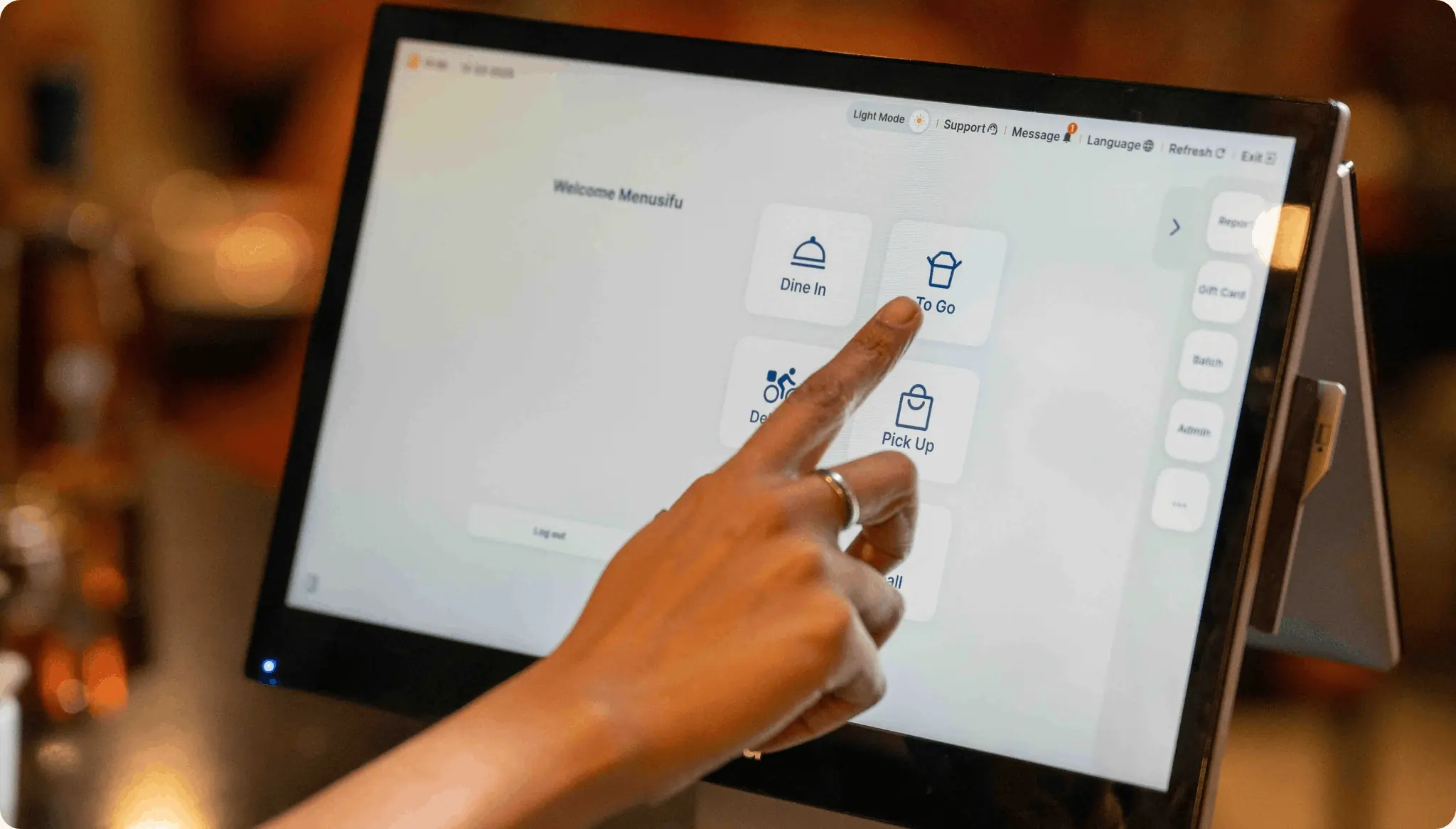
MenuSifu’s quick service restaurant POS system helps you manage orders, inventory updates, staff activity, and reporting from one connected platform. You can review real-time performance, track sales and payment data, monitor employee reports, compare store trends, and spot unusual activity with greater clarity.
Book a Free Demo with MenuSifu today to see how better POS visibility can support your QSR loss prevention goals.
QSR loss prevention covers daily controls, employee accountability, POS visibility, inventory accuracy, and waste reduction. These answers address common concerns about reducing loss across quick-service restaurant operations.
Five effective methods of QSR loss prevention include employee training, inventory tracking, POS monitoring, cash-handling controls, and security checks. Train staff on theft risks and proper procedures. Track food, packaging, and supplies daily. Review POS data for voids, refunds, and discounts. Set clear cash-counting and deposit rules. Use cameras, audits, and access controls to protect assets and reduce shrinkage.
The five steps in loss prevention are to identify risk areas, set clear policies, train employees, monitor transactions and inventory, and review performance data regularly. For QSR loss prevention, these steps help reduce theft, waste, cash errors, refund abuse, and inventory shrinkage across daily operations.
The best loss prevention combines clear procedures, employee training, manager oversight, inventory control, and POS reporting. In QSR loss prevention, this approach helps you track risky transactions, reduce waste, spot unusual patterns, and protect profit across every location.
For more restaurant technology insights and updates, visit the MenuSifu blog section.
Related Articles: