September 18, 2026
Explore Chinese restaurant equipment for cooking, prep, refrigeration, cleaning, ventilation, and front-of-house needs, plus tips for choosing the right setup.
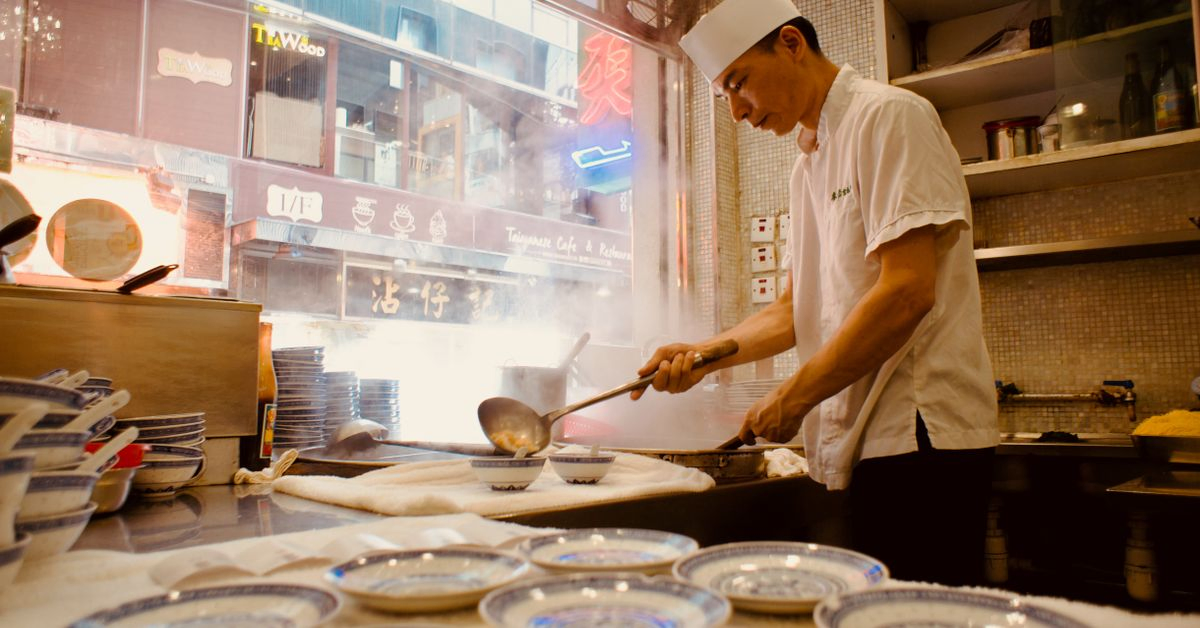
Choosing the right Chinese restaurant equipment can shape how efficiently your kitchen handles prep, cooking, storage, cleaning, and service. A wok-heavy menu, high takeout volume, or a large dine-in operation may each require a different setup, so it helps to build your equipment list around the dishes you serve, the space you have, and the volume you expect.
This guide covers the key equipment categories to consider when opening, expanding, or upgrading a Chinese restaurant.
Your cooking line should reflect what appears on your menu and how much food your kitchen needs to produce during busy periods. Some restaurants rely heavily on wok cooking, while others need more steaming, frying, roasting, or simmering capacity.
A commercial wok range supports the high-heat techniques used across many Chinese menus. Chefs can stir-fry vegetables and proteins, sear ingredients quickly, boil water, blanch produce, and prepare sauces directly over powerful burners.
Before choosing a wok range, look closely at:
A larger wok range can increase production capacity, but the added burners also increase ventilation and utility demands.
A commercial range gives your kitchen another source of controlled heat. It works well beside a wok station when your menu includes dishes that cook more slowly or require pots and pans.
Use it for tasks such as simmering sauces, preparing stocks, boiling noodles, heating soups, or cooking braised dishes. Some ranges also include ovens underneath, which can provide extra cooking capacity in a compact footprint.
Choose the burner count and configuration based on how often these tasks happen during service.
A commercial fryer can support menu items such as spring rolls, wontons, fried chicken, crispy pork, shrimp, and battered appetizers.
Capacity and recovery time affect how well a fryer handles consecutive orders. A unit that is too small may struggle during peak service, while faster recovery helps the oil return to the proper cooking temperature between batches.
Also review:
Steaming plays an important role in menus that feature dumplings, buns, seafood, vegetables, rice rolls, or dim sum.
A countertop steamer can work well when steamed dishes make up a smaller share of orders. Higher-volume kitchens may benefit from larger floor models, stacked steamers, or units with several compartments so staff can prepare multiple batches at once.
Restaurants serving char siu, roast duck, roast pork, or similar specialties may need dedicated roasting equipment.
Chinese roasting ovens and specialty BBQ units can support hanging meats, high-temperature roasting, and larger production batches. The right setup depends on the dishes you plan to sell and how much roasted meat you expect to prepare each day.
If roasted meats make up a small part of the menu, a large dedicated unit may take up valuable kitchen space. If they drive a large share of sales, dedicated equipment can help you produce consistent batches more efficiently.
Efficient prep gives cooks the ingredients they need before the rush begins. The right equipment can reduce repetitive cutting, slicing, mixing, and portioning while keeping ingredients organized.
A commercial food processor can handle repetitive prep tasks such as chopping vegetables, processing garlic and ginger, mixing fillings, and preparing sauces.
It becomes especially useful when your kitchen works with large quantities of the same ingredients each day. Instead of processing everything by hand, staff can prepare larger batches with more consistent results.
Choose a model based on capacity, motor strength, and the blades or attachments you plan to use most often.
A meat slicer helps create uniform pieces of beef, pork, lamb, and other proteins. Consistent thickness can support even cooking and more reliable portion sizes.
This can be useful for stir-fries, hot pot ingredients, cold dishes, and other recipes that rely on thinly sliced meat.
Look for a unit that can handle your preferred thickness range and daily volume. Removable components can also make cleaning easier after use.
Adequate workspace gives staff room to chop vegetables, portion proteins, assemble dumplings, prepare sauces, and organize ingredients before cooking.
Stainless-steel tables remain a practical choice because they handle heavy use and are easy to clean. Place them near the storage or cooking areas where staff use them most.
Rice service can become difficult to manage when demand rises quickly. Commercial rice cookers allow you to prepare larger batches with consistent timing, while rice warmers hold cooked rice at serving temperature.
Restaurants with steady rice demand may benefit from using separate units for cooking and holding. This allows one batch to stay ready for service while another cooks.
Choose capacity based on your daily rice volume, batch frequency, and peak-hour demand.
Cold storage protects ingredients while keeping your kitchen organized. Your setup should provide enough room for proteins, vegetables, sauces, prepared foods, beverages, and frozen inventory.
Reach-in refrigerators and freezers give staff quick access to ingredients used throughout the day.
They work well near prep stations or cooking lines where cooks frequently need chilled proteins, produce, sauces, or frozen products.
Before purchasing, check interior capacity, shelving layout, door clearance, and available floor space. Good placement can reduce unnecessary trips across the kitchen during service.
A walk-in refrigerator or freezer can support larger inventory levels and bulk deliveries. Higher-volume restaurants may use walk-ins to store cases of produce, proteins, beverages, sauces, and prepared ingredients.
Consider walk-in refrigeration when reach-in units cannot provide enough storage for your purchasing volume.
Plan the location carefully. Staff should be able to move products between receiving, cold storage, and prep areas efficiently.
A refrigerated prep table combines chilled storage with a working surface. Staff can keep frequently used vegetables, proteins, sauces, and garnishes within easy reach while preparing orders.
This setup works especially well in stations that rely on repeated access to the same ingredients throughout service.
Choose a size that supports your ingredient volume while leaving enough room for preparation.
Your warewashing area should keep cookware, utensils, and tableware clean and ready throughout service.
Choose a commercial dishwasher based on dish volume, available space, and the pace of service.
A larger dine-in operation may need a higher-capacity machine with short cycles, while a takeout-focused restaurant may handle fewer plates and glasses.
Check rack capacity, cycle time, water requirements, electrical specifications, and the space needed for loading and unloading.
A three-compartment sink provides separate areas for washing, rinsing, and sanitizing cookware and utensils.
It also handles large items that may be difficult to place in a dishwasher, including stock pots, wok tools, and oversized containers.
Choose a sink large enough to accommodate the biggest cookware used in your kitchen.
Dedicated handwashing sinks give employees convenient access to proper hygiene stations throughout food preparation and service areas.
Place them where staff can reach them easily and follow applicable health-code requirements for location, hot and cold water, soap, and hand-drying supplies.
Wok ranges, fryers, ranges, and roasting equipment produce heat, grease, smoke, and cooking vapors. A properly designed ventilation system helps remove these byproducts from the kitchen.
Your setup may include:
The size and type of hood depend on the cooking equipment placed beneath it, along with heat output and local code requirements.
Plan ventilation early in the kitchen design process. Confirm building, fire, mechanical, and health requirements before equipment installation so your cooking line fits the approved system.
Large appliances handle production, but smallwares support nearly every task your staff completes throughout the day.
A typical Chinese restaurant may need:
Choose quantities based on menu volume and cooking style. A stir-fry-heavy menu may require more woks, ladles, and spatulas, while a dim sum kitchen may need more steamers, trays, and mixing bowls.
Keep frequently used tools close to their workstations so cooks can access them quickly.
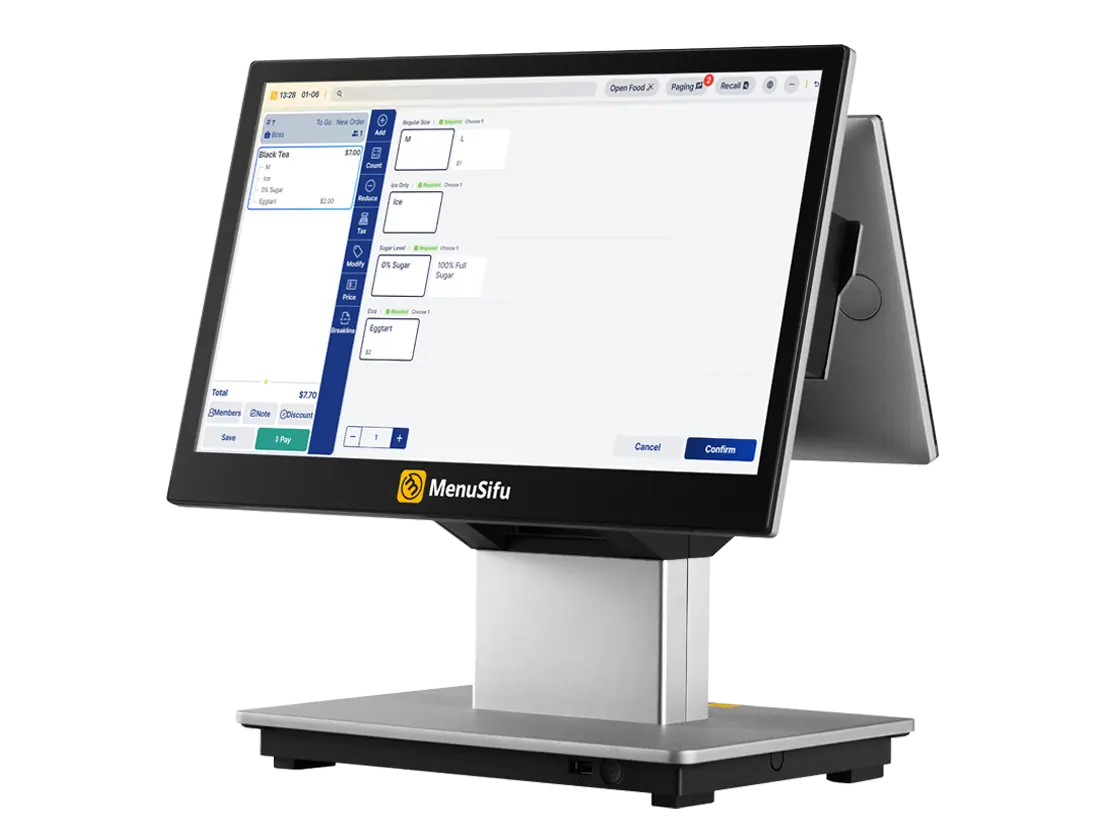
Once orders leave the kitchen, your front-of-house setup helps staff manage ordering, payments, dine-in service, takeout, and delivery.
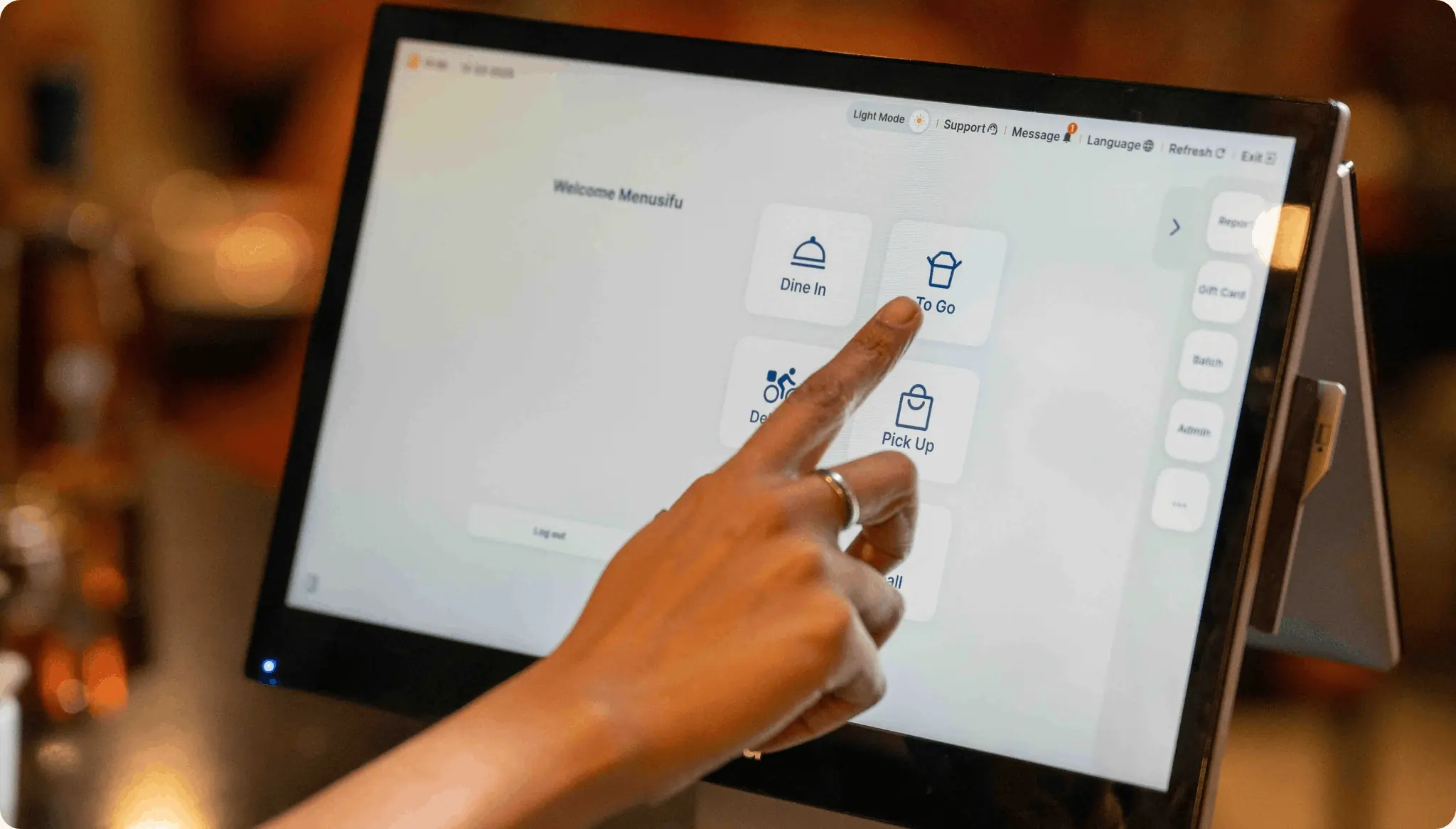
A restaurant POS system can manage orders, payments, menu items, modifiers, reporting, and other daily functions.
Chinese restaurant menus often include detailed modifications such as spice levels, portion sizes, ingredient exclusions, and preparation preferences. A POS that supports these options clearly can help servers and kitchen staff process orders accurately.
Restaurants may also pair the POS with handheld ordering devices, self-service kiosks, QR ordering, or a kitchen display system based on how guests order.
Your beverage setup should reflect what you serve. This may include tea brewers, hot-water dispensers, fountain drink systems, refrigerators, ice machines, or specialty drink equipment.
A tea shop or restaurant with a large beverage menu will need more dedicated equipment than a dining room with a limited drink selection.
Plates, bowls, chopsticks, utensils, serving platters, trays, and glassware should fit your menu and service format.
Estimate quantities based on seating capacity, table turnover, and dishwasher cycle times. Keeping enough tableware in rotation can prevent shortages during peak periods.
Restaurants that prepare certain dishes ahead of pickup or service may use warming cabinets, heat lamps, heated shelves, or other holding equipment.
Choose units based on the foods you plan to hold and how long they typically remain before service. Proper holding temperatures help protect food quality and safety.
High takeout and delivery volume can justify a dedicated packaging area.
Stock the station with containers, bags, utensils, napkins, sauces, labels, and other supplies staff use when assembling orders. Shelving or pickup racks can help separate completed orders by customer, driver, or delivery platform.
Place the station near the final order handoff area so staff can package and release meals efficiently.
The best front-of-house equipment mix depends on how guests interact with your restaurant. A dine-in operation may place more emphasis on handheld ordering and table service, while a takeout-heavy concept may prioritize kiosks, online ordering, packaging space, and organized pickup areas.
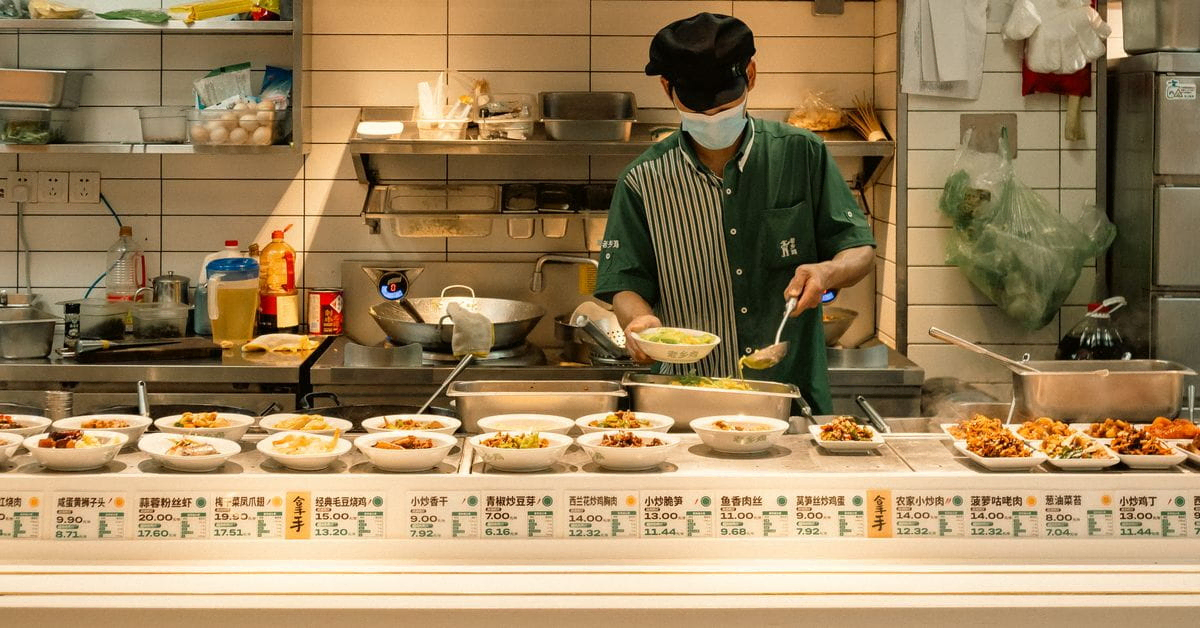
The right equipment should fit your menu, kitchen layout, service volume, and utility capacity. Looking at these areas together can help you spend more carefully and create a kitchen that supports daily operations.
Use your menu as the starting point for every major equipment purchase. Stir-fry-heavy menus may require more wok capacity, while dim sum, noodle, hot pot, or Chinese BBQ concepts may place greater demand on steamers, stock pots, refrigeration, or roasting equipment.
Focus first on the dishes that drive the most orders. This helps you prioritize equipment that supports core production instead of using budget and kitchen space on units with limited daily use.
Map how ingredients move from receiving and storage to prep, cooking, plating, pickup, and cleaning. Place frequently used equipment close to the stations that depend on it so staff can move efficiently during busy service periods.
Account for aisle width, door clearance, ventilation, prep surfaces, and access for repairs. A piece of equipment may fit the available footprint but still interfere with nearby stations once staff begin working around it.
Equipment capacity should match the volume you expect during your busiest periods. Review a few practical factors before choosing sizes:
Choosing capacity around peak demand can help prevent bottlenecks while keeping equipment costs and space use under control.
Check the building's available utilities before committing to major equipment. Pay close attention to:
Review these specifications with your equipment supplier, contractor, or licensed trade professional before installation. Early coordination can help prevent costly layout changes or utility upgrades later.
New equipment typically offers warranty coverage, predictable condition, and a longer expected service life, though it usually requires a higher upfront investment. Used equipment can reduce initial spending and may work well for durable items such as stainless-steel tables, shelving, and certain prep equipment.
Evaluate used cooking and refrigeration units more carefully. Check age, condition, maintenance history, replacement-part availability, energy consumption, and expected repair costs before deciding which option offers better long-term value.
Choose equipment your staff can clean thoroughly and access easily at the end of each shift. Removable components, accessible filters, grease trays, smooth surfaces, and reachable service panels can simplify routine upkeep.
Also review local technician availability, warranty terms, and replacement-part access. Equipment that can be serviced quickly may help limit operational disruptions when repairs are needed.
Once you have mapped out your menu and kitchen layout, use this checklist to review the equipment you may need before purchasing or installation. Adjust the list based on your service style, order volume, and available space.
Treat this checklist as a final planning tool rather than a fixed shopping list. Prioritize equipment that supports your menu and service model, then confirm dimensions, utility connections, ventilation requirements, and installation needs before placing orders.
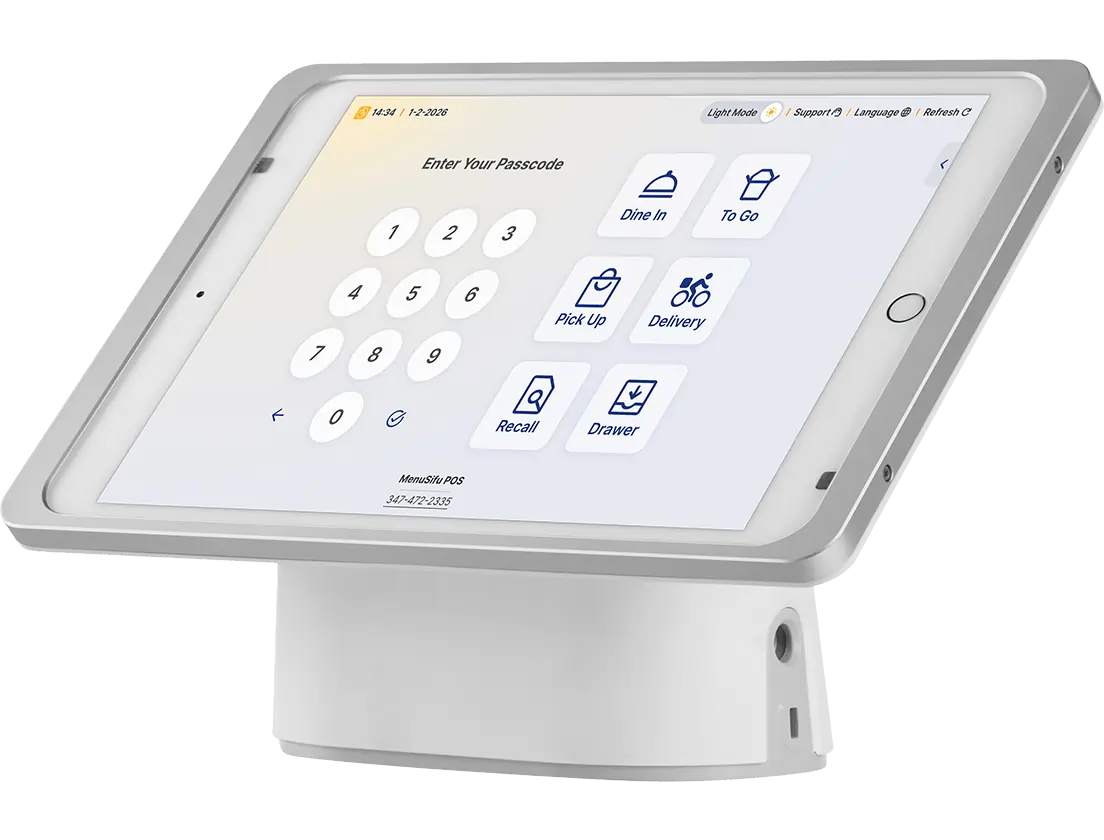
The right Chinese restaurant equipment should support your menu, kitchen layout, service volume, and daily workflow. Once the cooking line, prep stations, refrigeration, cleaning areas, and safety systems are planned, your technology setup should connect orders, payments, and kitchen communication just as efficiently.
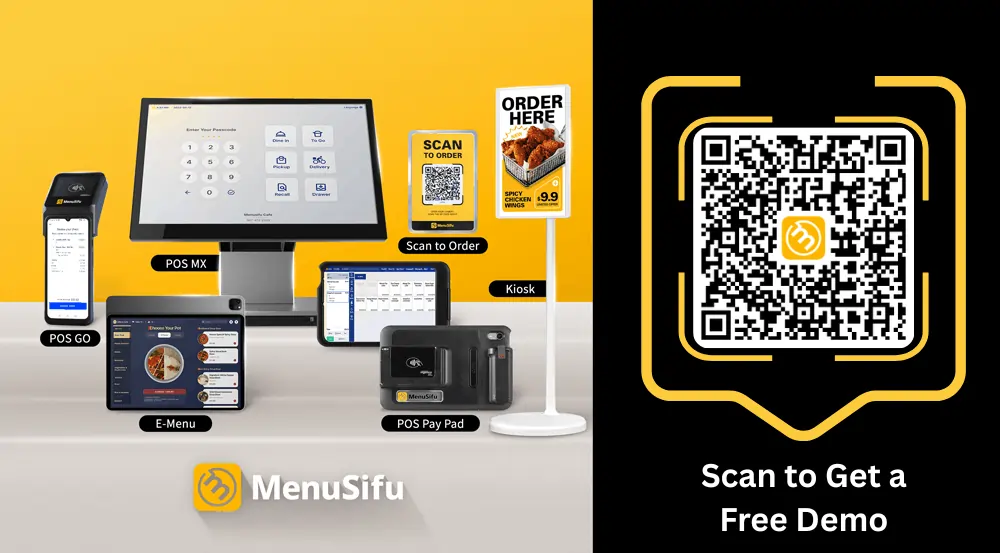
MenuSifu offers POS solutions designed around the needs of Chinese restaurants, including detailed menu modifiers, bilingual ordering, handheld devices, kiosks, kitchen display systems, delivery integrations, and tools for dine-in, takeout, tea shops, and AYCE concepts. You can build a setup around your service style and add features as your restaurant grows.
If you are opening a new location or upgrading an existing operation, consider your POS alongside the rest of your restaurant equipment plan. Book a Free Demo with MenuSifu today to explore a setup that fits your restaurant and daily operations.
Planning your equipment setup often brings up practical questions about cooking tools, ventilation, and purchasing decisions. Here are answers to some of the most frequently asked questions about Chinese restaurant equipment.
Chinese restaurant kitchens commonly use commercial wok ranges, steamers, rice cookers, deep fryers, stock pot ranges, food processors, meat slicers, refrigeration, and prep equipment. Smallwares such as woks, cleavers, strainers, ladles, and cutting boards also support daily preparation and cooking. The exact equipment mix depends on the menu and cooking methods.
Chinese restaurants cook food in woks, stock pots, commercial ranges, deep fryers, steamers, and specialty roasting ovens. Woks handle stir-fries and high-heat searing, stock pots and ranges work well for soups and braises, steamers prepare dumplings and buns, while fryers and roasting ovens handle crispy dishes, char siu, roast pork, and roast duck.
A commercial Chinese kitchen typically needs cooking equipment, food-prep tools, refrigeration, storage, warewashing equipment, ventilation, and smallwares. Depending on the menu, that may include a wok range, steamer, fryer, rice cooker, prep tables, refrigerators, sinks, exhaust systems, woks, knives, ladles, strainers, and food-storage containers.
High-heat wok cooking, frying, and roasting often require commercial ventilation designed for the appliances installed. The setup may include an exhaust hood, grease filtration, make-up air, and fire-suppression equipment. Building, mechanical, fire, and health codes vary by location, so confirm the applicable requirements before installation.
New Chinese restaurant equipment may make sense when warranty coverage, predictable condition, and service life are priorities. Used equipment can reduce upfront spending, but inspect its age, condition, maintenance history, parts availability, energy use, and potential repair costs before purchasing.
For more restaurant operations, technology, and growth insights, explore the MenuSifu blog for additional guides and updates.
Related Articles: