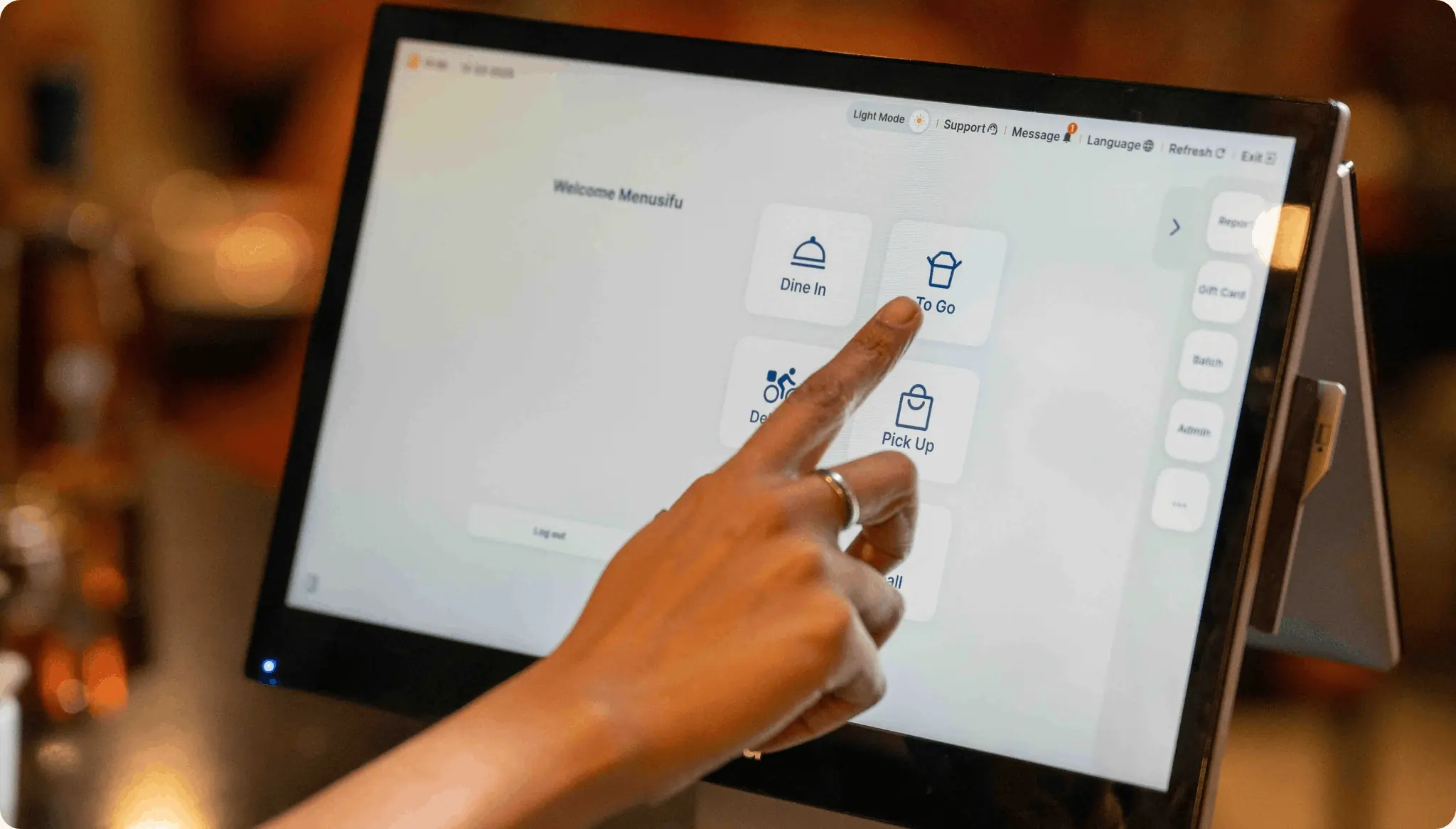
September 18, 2026
Learn what restaurant technology includes, which tools restaurants use, and how connected systems can improve operations, service, cost control, and margins.
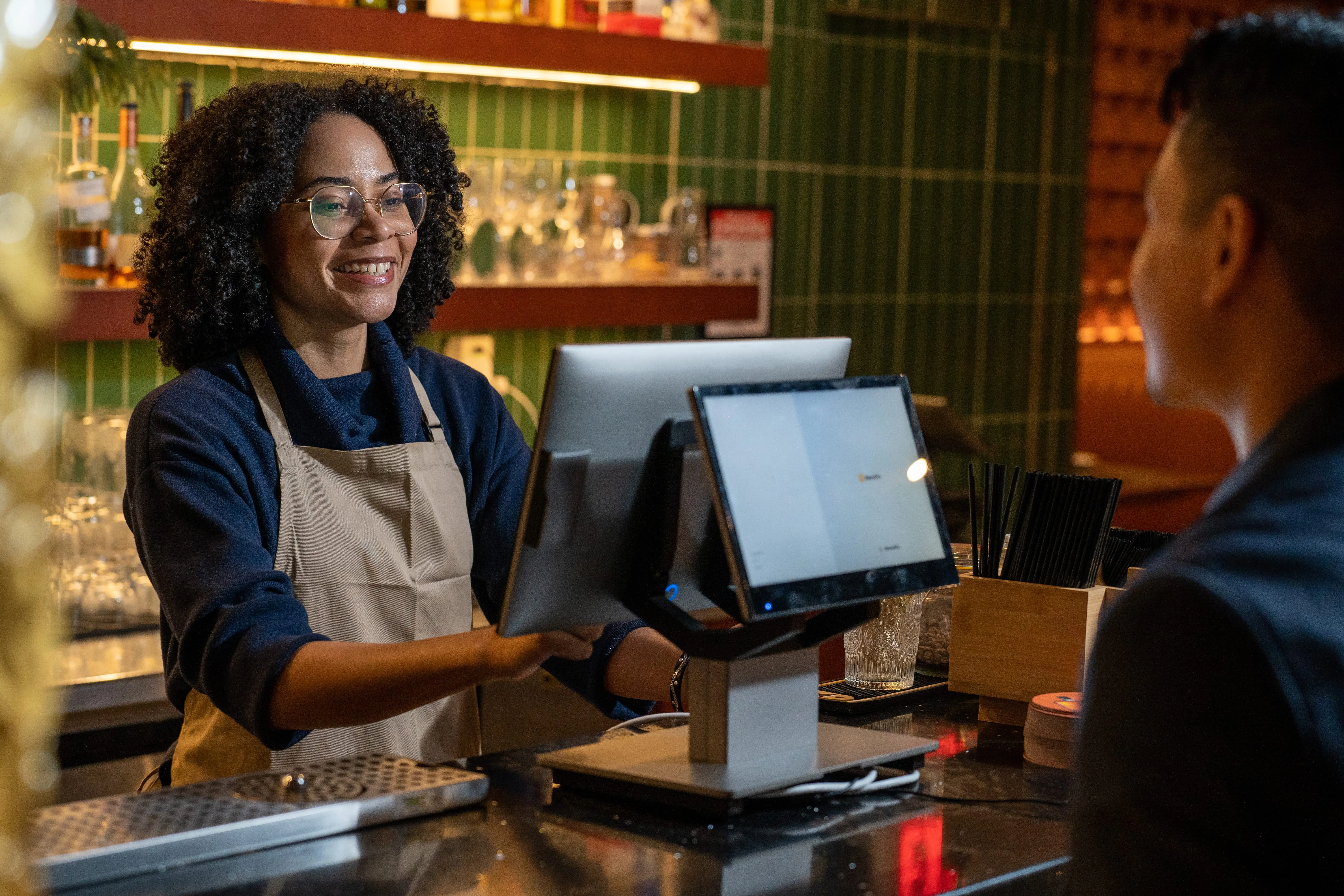
Rising labor costs, tighter margins, multiple ordering channels, and higher customer expectations can make daily restaurant operations harder to manage. When key systems and workflows operate separately, keeping orders, staff, inventory, and business data aligned can become more difficult.
Restaurant technology helps connect these areas, including ordering, payments, kitchen workflows, staffing, inventory, and reporting. Used effectively, these tools can improve efficiency, strengthen cost control, and give you clearer visibility into restaurant performance.
Before looking at the technologies restaurants use today, it helps to define what restaurant technology includes and how it supports modern restaurant management.
Restaurant technology refers to the hardware, software, and digital systems restaurants use to manage operations, transactions, employees, customers, and business data.
A restaurant POS system is one example. Other restaurant technologies include kitchen display systems, online ordering platforms, payment terminals, inventory software, employee scheduling tools, loyalty programs, and analytics platforms.
These systems can support different parts of the business. Some help employees take and prepare orders. Others help you track costs, manage staffing, communicate with customers, or review performance.
Modern restaurant management increasingly depends on how these systems connect. When orders, payments, kitchen activity, customer information, and reporting flow through connected systems, you can spend less time moving information between separate tools and more time acting on useful data.
The technology you use can vary based on your restaurant’s operations and service model, so it helps to look at the main tools available and the role each one plays.
Restaurants use technology to manage ordering, payments, kitchen production, guest service, staffing, inventory, customer engagement, and performance tracking. Many of these systems connect with the POS, helping restaurant data move across different parts of the operation.
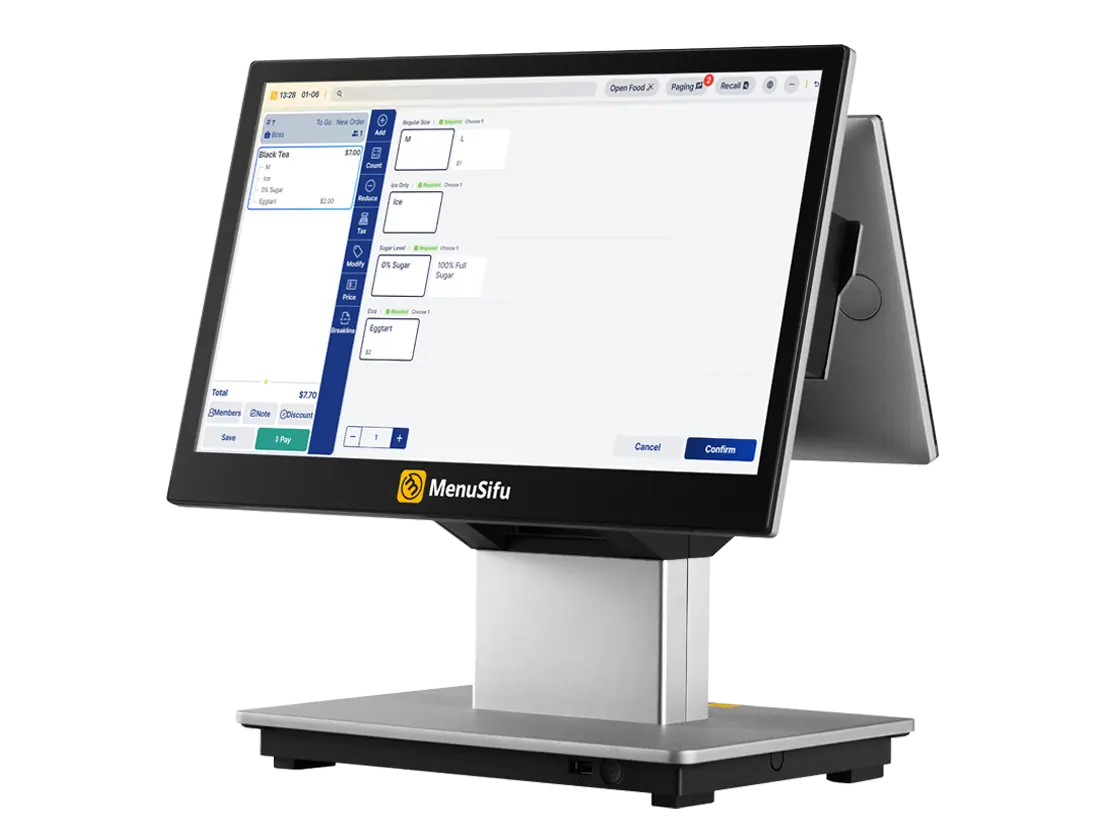
A restaurant POS system processes orders and payments while recording sales data. Modern POS platforms may also connect menus, employees, online orders, customer information, kitchen systems, loyalty programs, and reporting.
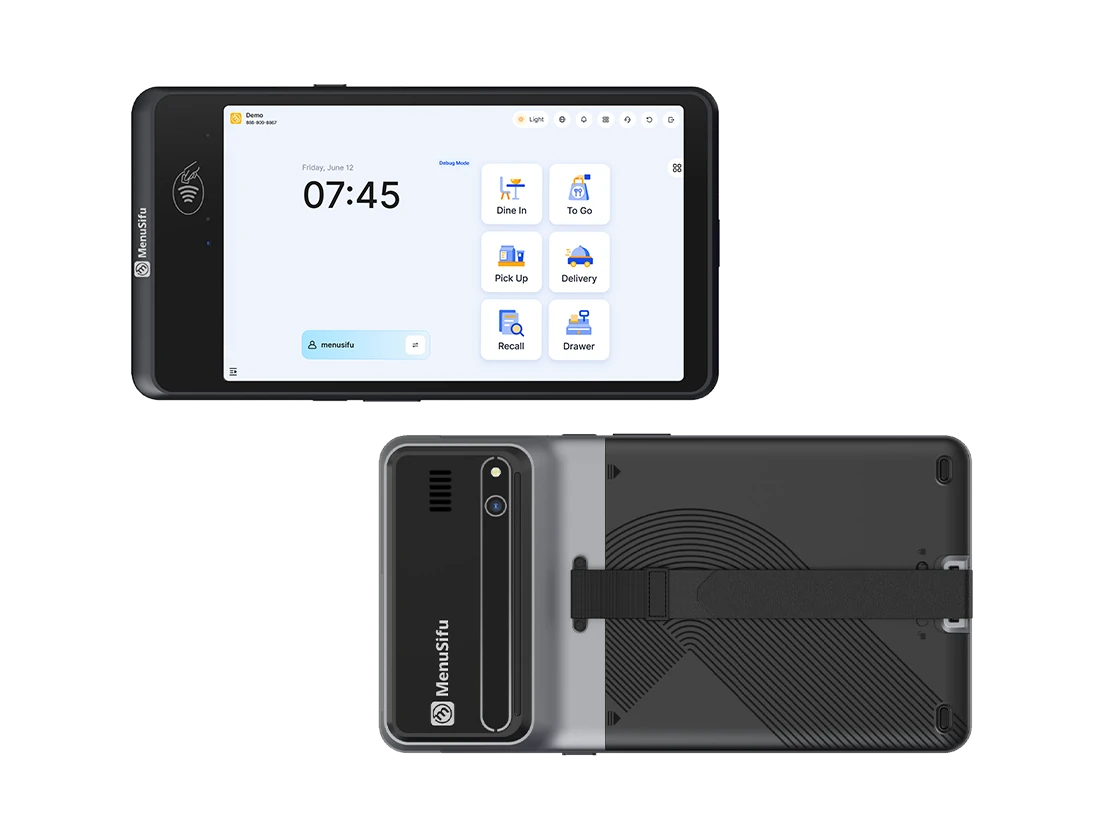
Restaurants can also use handheld POS devices to take orders and accept payments at the table. Servers can enter orders directly from the dining area and send them to the kitchen without returning to a stationary terminal.
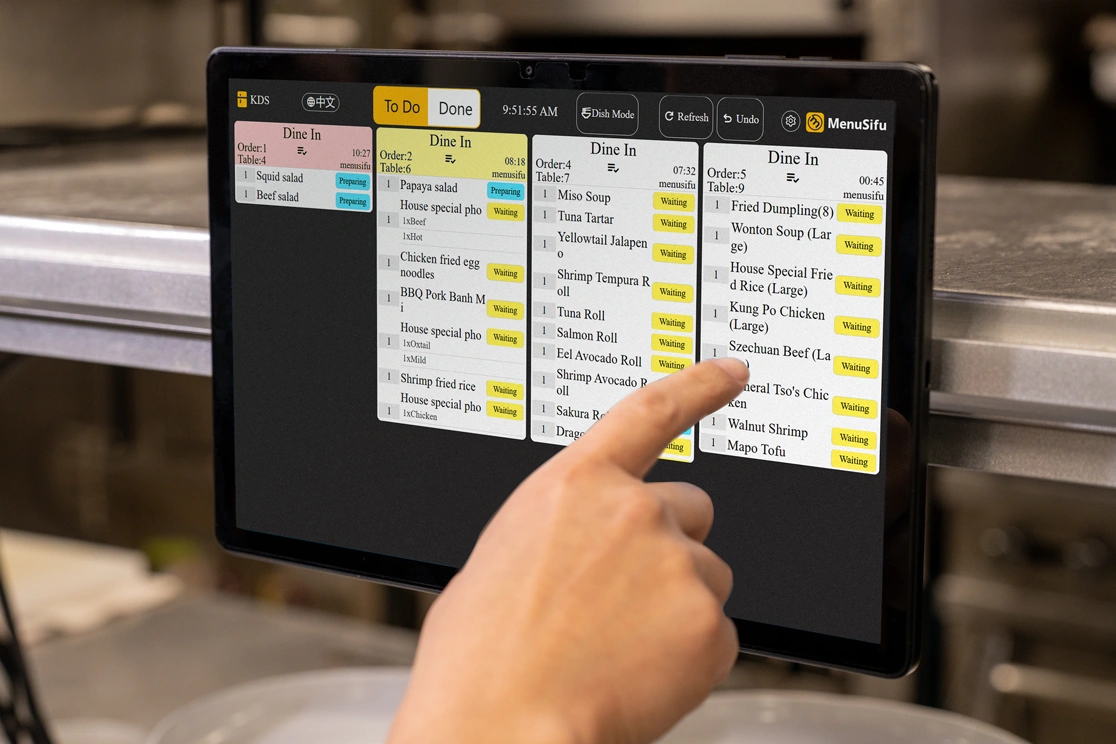
A kitchen display system, or KDS, can replace printed tickets with digital order screens. It organizes incoming orders, routes menu items to the appropriate preparation stations, and tracks order progress from receipt to completion.
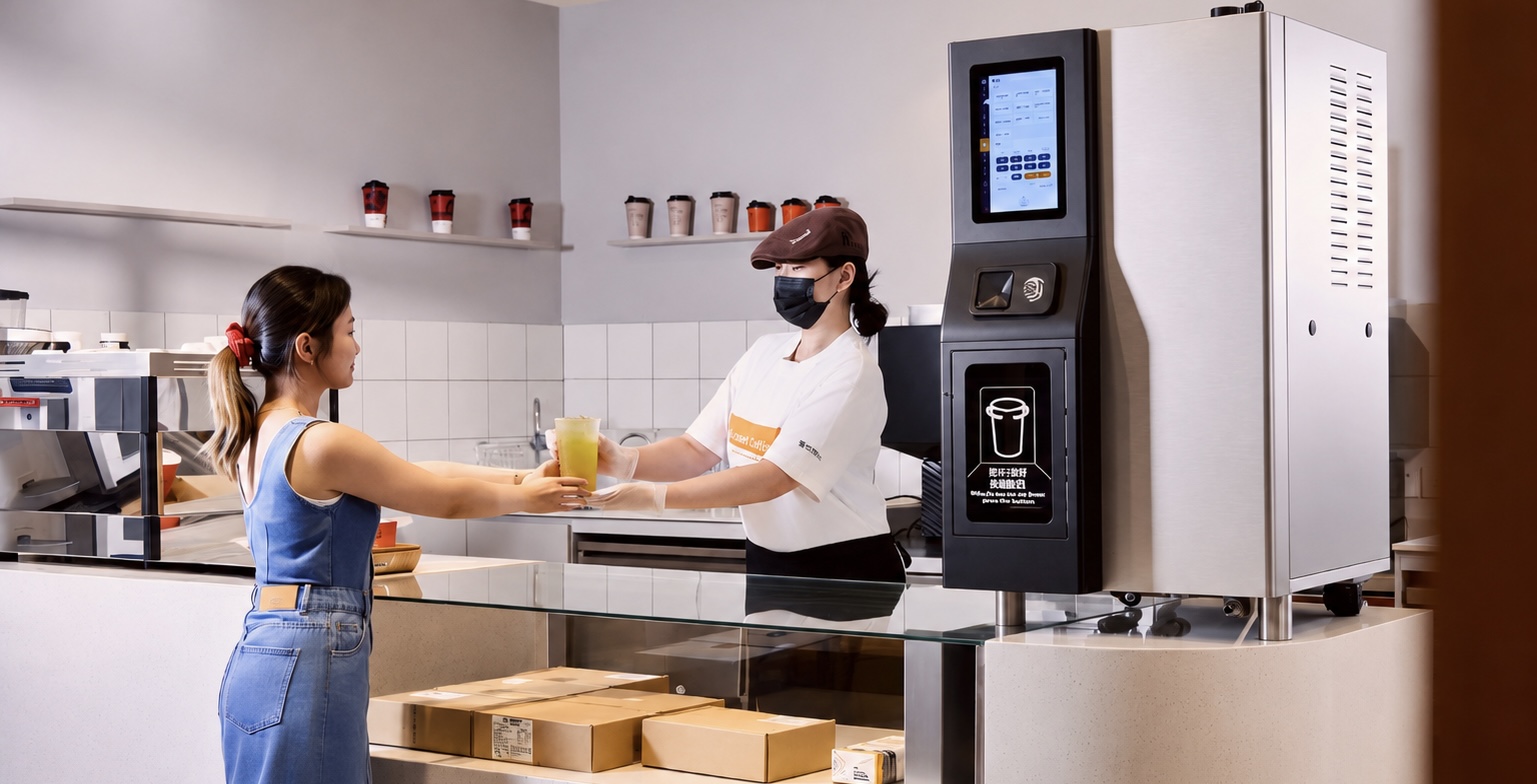
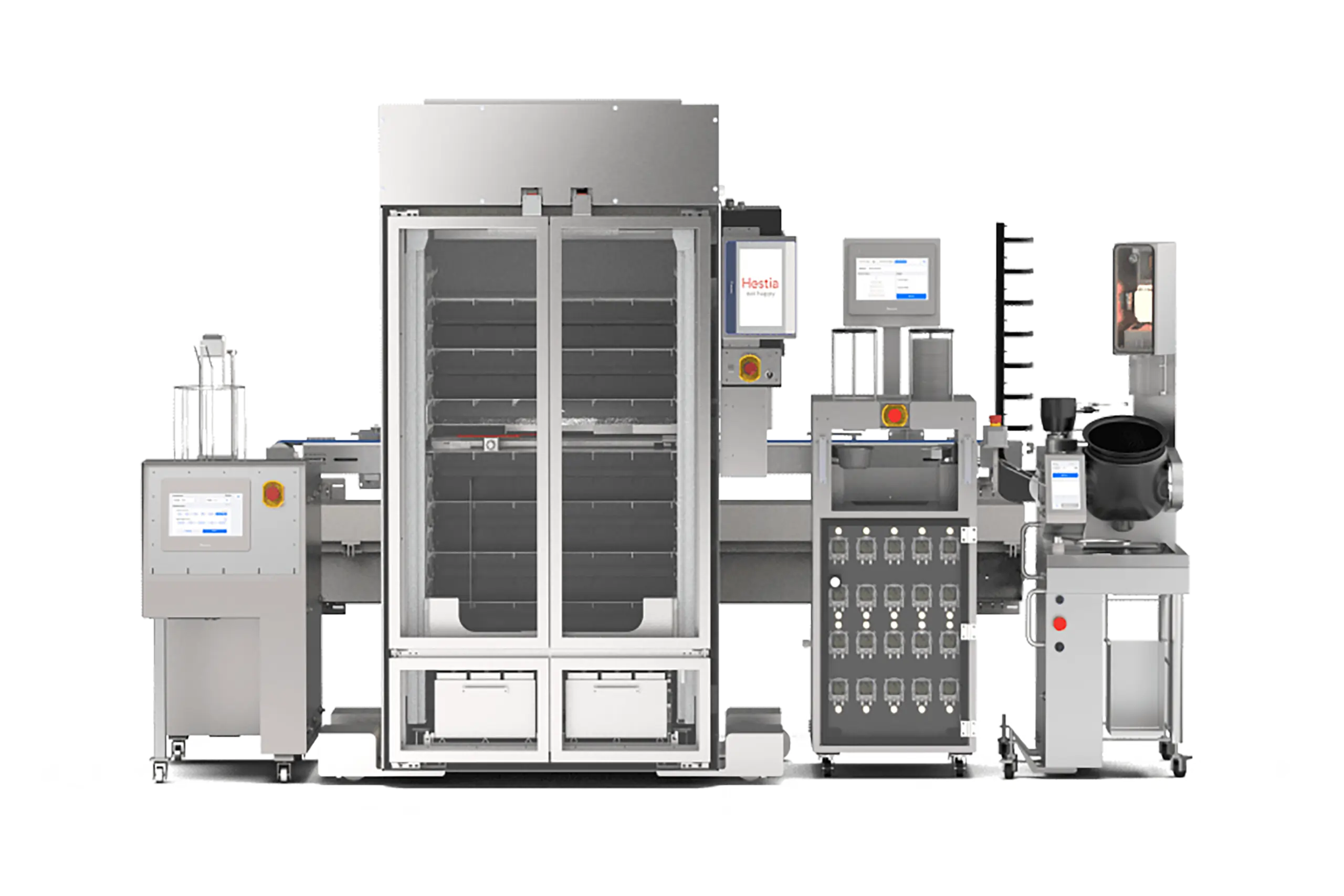
Kitchen automation uses programmable equipment to handle specific food and beverage preparation tasks.
Examples include automated multi-cookers that control cooking time and temperature and auto boba machines that automate parts of beverage preparation. Restaurants may use similar equipment for dispensing, cooking, portioning, or other repetitive production tasks.
These technologies give kitchens another way to standardize preparation across shifts and locations.
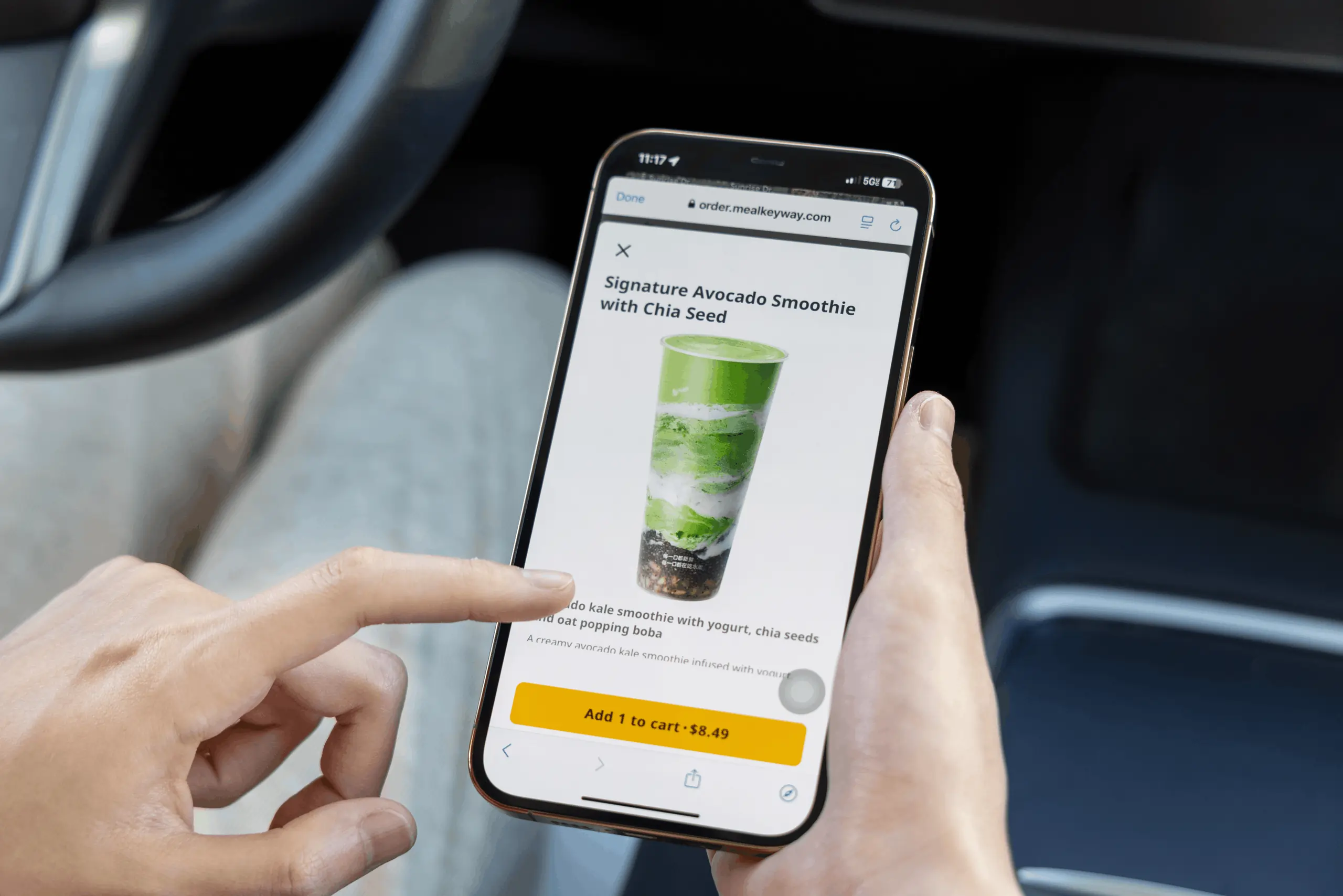
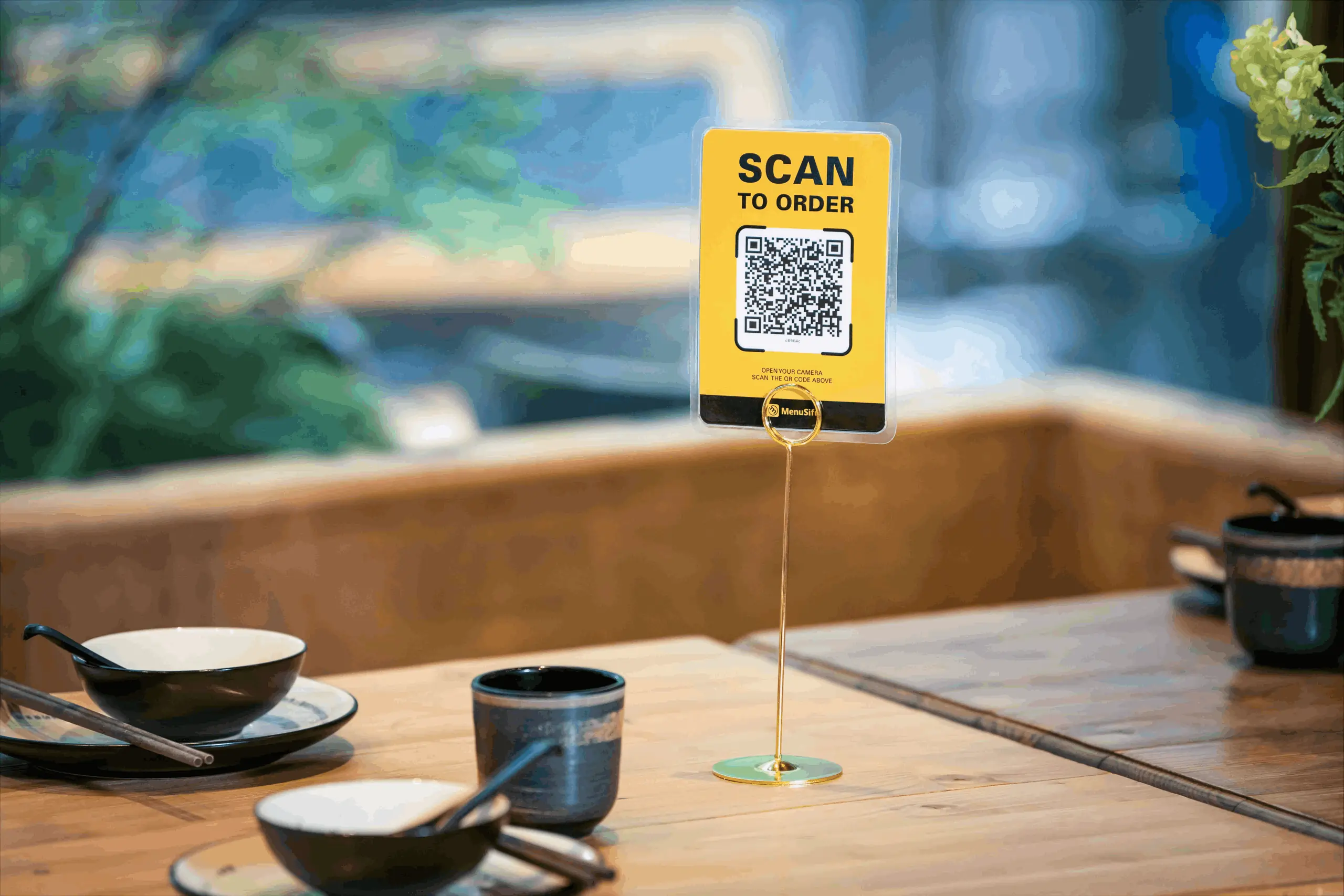
Online and digital ordering systems let customers place orders through restaurant websites, mobile devices, QR codes, self-service kiosks, and other digital channels.
When connected to the POS and kitchen, digital orders can move directly into the restaurant's order workflow.
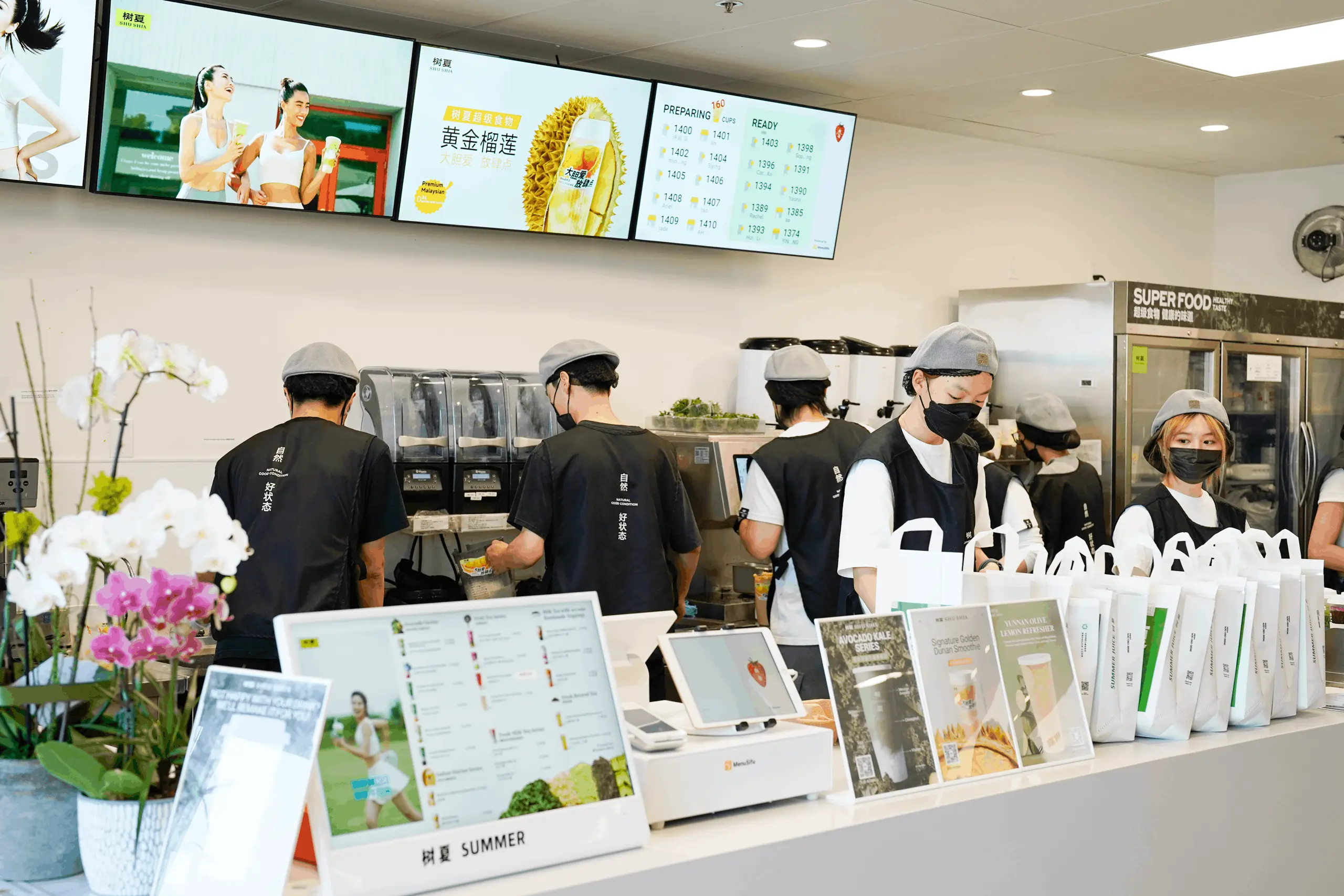
Order status screens show customers the progress of their orders and indicate when an order is ready.
Quick-service, counter-service, takeout, and pickup-focused restaurants can use these displays to organize order handoff and keep customers informed without requiring employees to announce each completed order.
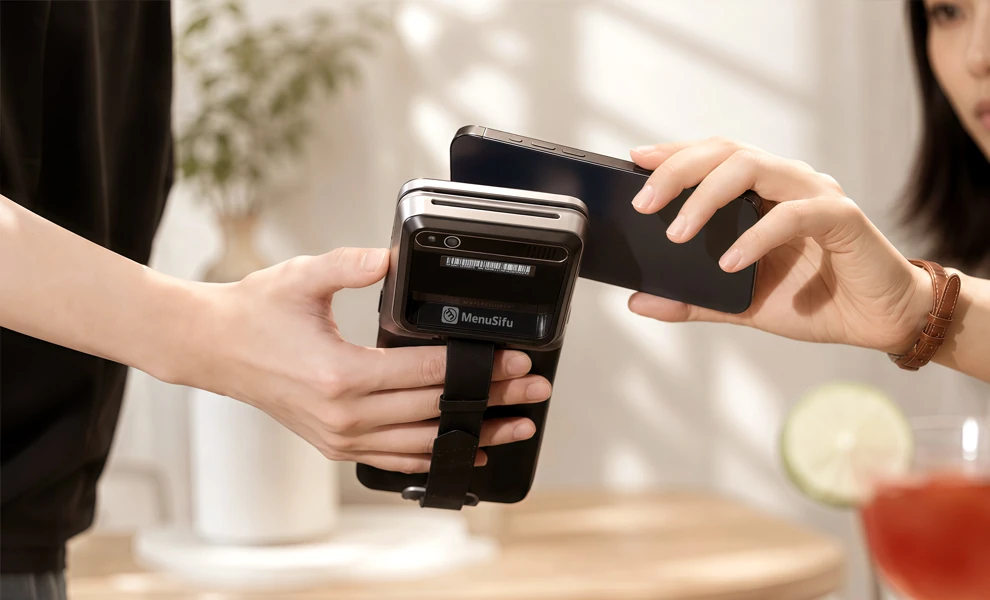
Restaurant payment technology includes countertop terminals, handheld payment devices, contactless payments, digital wallets, QR payments, and tableside payment solutions.
Integrated payment processing keeps payment records connected with the restaurant's transaction and sales data.
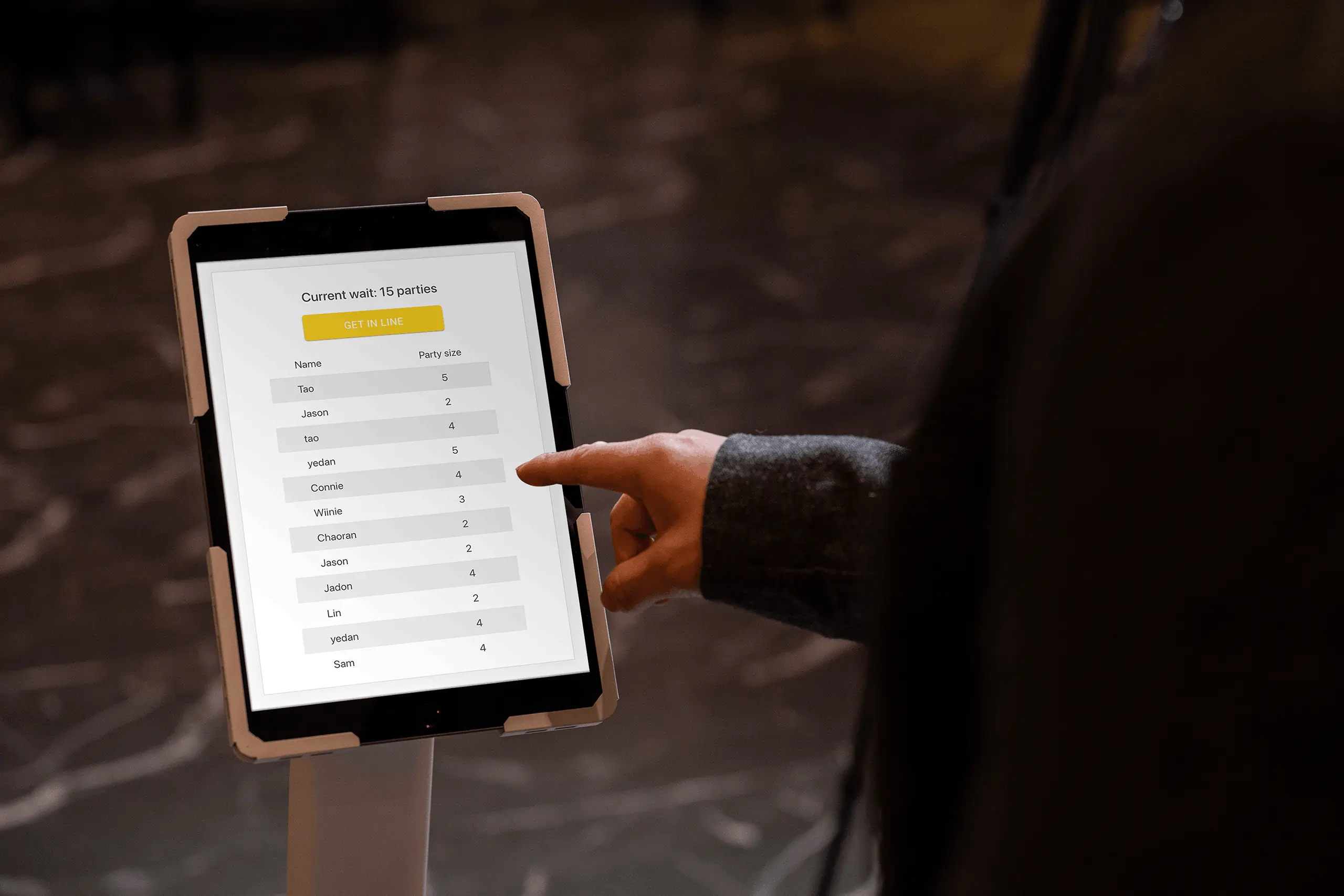
Waitlist and reservation systems help restaurants organize table demand before guests are seated.
These platforms may manage reservations, digital waitlists, table availability, seating assignments, estimated wait times, and guest notifications. Some systems also store guest information and visit history.
Inventory management software tracks ingredients, stock levels, purchasing, usage, and food costs.
Some platforms connect inventory information with menu and sales data, giving managers a clearer view of how products move through the restaurant.
Labor management systems help restaurants build schedules, record employee hours, track attendance, and monitor labor spending.
Managers can use these systems to coordinate staffing across shifts, roles, and restaurant locations.
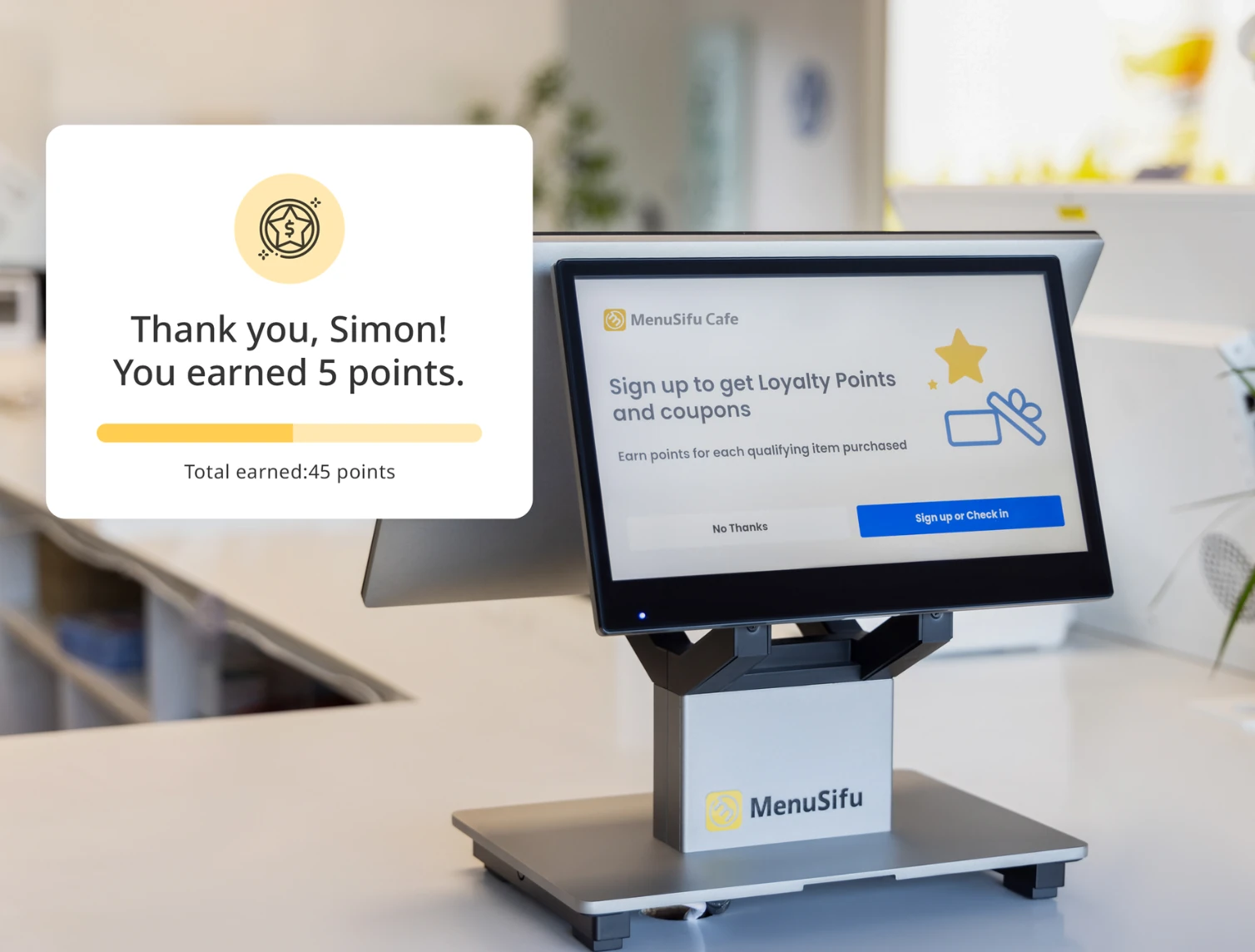
Loyalty and customer relationship management systems organize customer profiles, purchase history, rewards activity, and engagement data.
Restaurants use these platforms to manage loyalty programs, promotions, customer communications, and repeat-visit incentives.
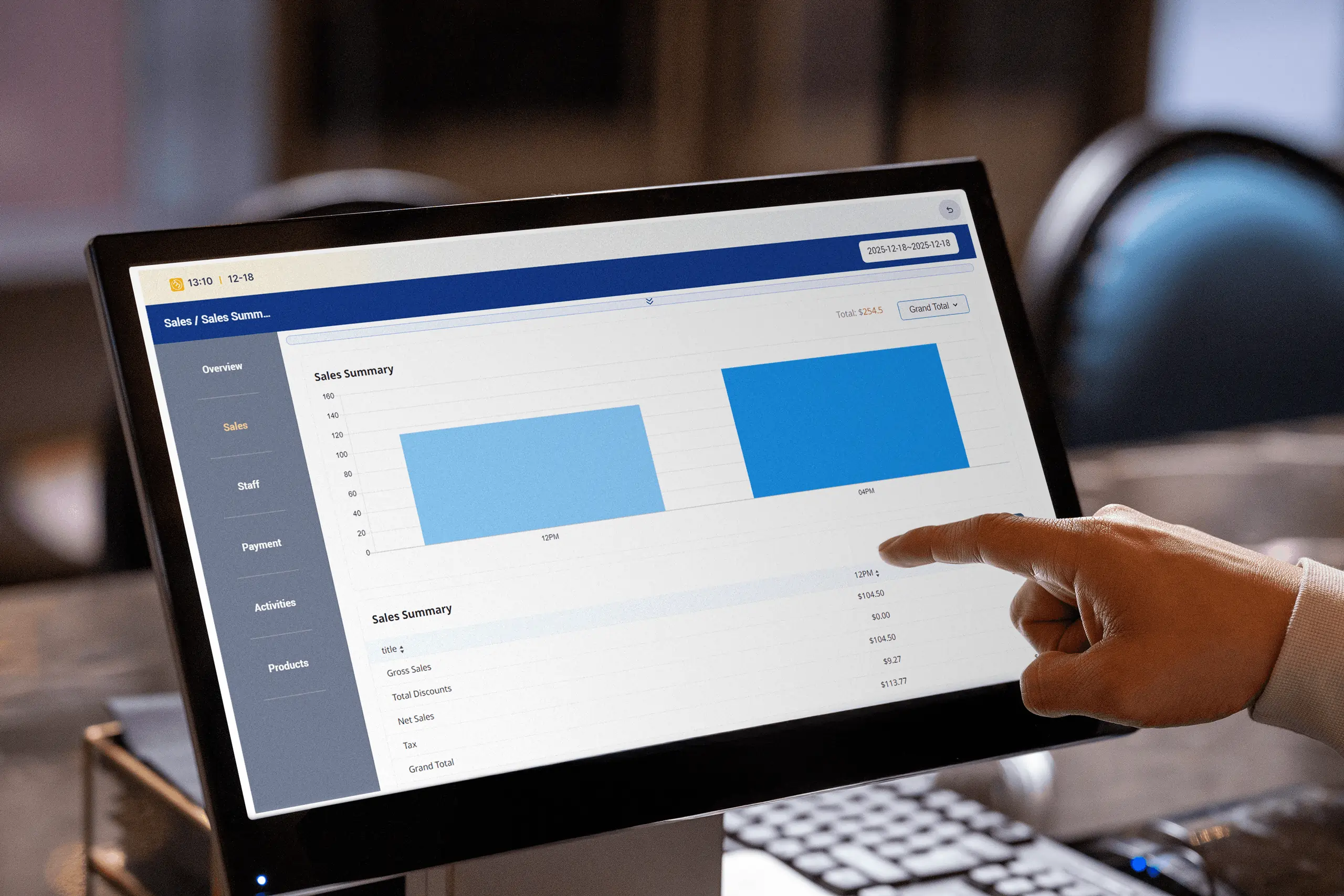
Restaurant analytics tools organize data from sales, orders, labor, menus, customers, and locations into reports and dashboards.
These systems give you a centralized view of restaurant performance and help track key metrics over time.
Automation and artificial intelligence now support restaurant tasks such as forecasting, reporting, scheduling, marketing, customer communication, and order management.
A virtual cashier, for example, can guide customers through the ordering process, answer menu-related inquiries, and assist with routine service requests through a digital interface. Restaurants can use this technology to handle more customer interactions electronically while reducing the amount of staff time required for repetitive ordering tasks.
Together, these technologies create the digital and operational infrastructure behind a modern restaurant. Their value becomes clearer when you look at how they improve order flow, accuracy, communication, staffing, inventory control, and day-to-day management.
Restaurant technology delivers the most operational value when it helps you process orders efficiently, keep teams aligned, manage labor and inventory, and access reliable business data. Connected systems also reduce repetitive administrative work, giving managers more time to focus on service and restaurant performance.
Integrated POS, digital ordering, and kitchen systems move order information directly from the point of entry to the appropriate preparation station. This helps reduce delays caused by repeated order entry and keeps orders moving during high-volume periods.
Digital order entry captures items, modifiers, and special requests in a consistent format. Sending those details directly to the kitchen reduces communication errors that can lead to incorrect meals, remakes, refunds, or longer wait times.
Front-of-house and back-of-house teams depend on timely order information. Connected POS and kitchen display systems give employees a shared view of order status, changes, and preparation progress. Clearer information helps teams coordinate service from order placement through fulfillment.
Labor management technology helps you track employee hours, schedules, overtime, and labor costs alongside sales activity. Managers can use this information to align staffing levels with demand and make schedule adjustments based on actual restaurant performance.
Inventory technology gives you a clearer view of stock levels, ingredient usage, purchasing, and food costs. Better visibility helps you identify low-stock items, unusual usage patterns, and purchasing needs before they affect daily service.
Restaurant management often involves menu updates, sales reports, transaction reconciliation, employee records, and data entry across several systems. Automation and integrated platforms can reduce repeated tasks and keep information synchronized across key areas of the business.
Centralized restaurant technology gives you greater control across multiple locations. You can review sales, compare location performance, manage menus, monitor labor, and access operational data from one system. This helps maintain greater consistency as you manage more stores.
Real-time reporting gives you current visibility into sales, transactions, labor, order volume, and other operational metrics. Instead of waiting for end-of-week or end-of-month reports, you can identify changes sooner and respond based on current business activity.
Together, these improvements help create a more connected operation. Once technology improves how your restaurant works each day, the next step is evaluating how those operational gains can support stronger profit margins.
Restaurant technology can strengthen margins by helping you control costs, reduce preventable losses, and generate more revenue from each transaction. The financial impact becomes clearer when your systems connect labor, inventory, sales, and menu data in one view.
Labor management tools help you compare scheduled hours with actual sales demand. You can track overtime, labor percentages, attendance, and staffing levels across shifts and locations. This data helps you adjust schedules earlier and use labor hours more efficiently.
Automation can also reduce time spent on repetitive administrative tasks such as report preparation, order entry, and transaction reconciliation. That gives employees more time to focus on service and revenue-producing activities.
Inventory technology helps you track ingredient usage, stock levels, purchasing, and food costs more closely. When inventory data connects with sales data, you can compare what you sold with what you should have used.
That visibility can help you identify over-ordering, spoilage, portion inconsistencies, and unexplained inventory variances. Better purchasing and inventory control can protect food margins over time.
Incorrect orders create direct costs through wasted ingredients, refunds, discounts, and additional labor.
Digital order entry and direct kitchen routing help preserve order details from the point of sale through preparation. Accurate modifiers, quantities, and special requests can reduce costly remakes while protecting the revenue from each order.
Digital ordering and POS systems can support consistent upselling by presenting relevant add-ons, upgrades, sides, drinks, and other menu options during the ordering process.
A customer who sees a timely add-on prompt may increase the value of the transaction. Digital prompts also give you a consistent way to promote selected items across ordering channels.
Sales data helps you see which items sell frequently, which generate stronger revenue, and which contribute less to overall performance. When you combine sales data with food costs, you gain a clearer view of menu profitability.
You can use that information to review prices, portion costs, promotions, and menu placement based on actual performance.
Restaurant reporting can bring sales, labor, inventory, and transaction data together. Instead of reviewing each area separately, you can compare the financial drivers behind restaurant performance.
Useful metrics to monitor include:
Restaurant technology does not improve margins simply because you install it. The value comes from using accurate data to control expenses, protect each transaction, and make better pricing, purchasing, staffing, and menu decisions.
Technology is changing how restaurants take orders, serve guests, manage labor, and use business data. Digital tools now connect more parts of the operation, giving you faster access to information and more ways to serve customers across dine-in, takeout, pickup, and delivery.
Automation Is Expanding Across Restaurant Workflows
Restaurants use automation to handle repetitive tasks such as order routing, reporting, scheduling, marketing, and customer communication. Automated workflows can reduce administrative work and help employees focus more time on food preparation, service, and other operational priorities.
Digital and Self-Service Ordering Is Growing
Customers can place orders through restaurant websites, mobile devices, QR codes, kiosks, and other digital channels. These options give guests more control over how and where they order.
Integrated ordering technology can also send digital orders directly to the POS and kitchen, helping restaurants manage multiple sales channels through a more unified process.
Customer Expectations Are Shifting Toward Speed and Convenience
Customers increasingly expect quick ordering, flexible payment options, accurate service, and convenient access across channels.
Mobile payments, tableside ordering, self-service kiosks, online ordering, and digital loyalty programs help restaurants respond to these expectations while creating a more consistent experience from ordering through payment.
Restaurant Data Is Driving More Business Decisions
Modern restaurant systems collect data on sales, labor, menu performance, customer activity, and order patterns. You can use this information to identify peak periods, compare locations, evaluate menu items, and track operating costs.
Real-time reporting also gives you faster visibility into changes that may require attention, instead of waiting for weekly or monthly reports.
AI Is Taking on a Larger Role
Restaurants are applying artificial intelligence to forecasting, marketing, scheduling, customer communication, reporting, and data analysis.
AI can identify patterns across large volumes of restaurant data and help teams act on those insights more efficiently. Its usefulness depends heavily on accurate data and clear business objectives.
Restaurant Technology Is Becoming More Connected
Restaurants often rely on several systems, including POS, payments, kitchen displays, online ordering, loyalty, labor management, and analytics.
Connecting these systems can keep order, customer, and operational data consistent across the business. A more connected technology setup can also reduce duplicate data entry and give you a clearer view of restaurant performance.
Technology Is Helping Restaurants Manage Labor Constraints
Digital ordering, automation, scheduling tools, and kitchen technology can help employees handle repetitive tasks more efficiently. These systems can also improve task coordination and give managers better visibility into staffing needs.
Technology does not replace the need for skilled employees. It can help your existing team use its time more effectively during both peak and slower periods.
Omnichannel Restaurant Experiences Are Expanding
A customer may order online, visit the restaurant later, earn loyalty rewards, pay through a mobile device, and return through another ordering channel.
Connected technology helps link these interactions across channels. This gives restaurants a more complete view of customer activity while making it easier to provide consistent ordering, payment, and loyalty experiences.
These shifts also show how technology will help the restaurant industry by improving service efficiency, supporting employees, expanding customer access, and giving restaurants better information for daily decisions.
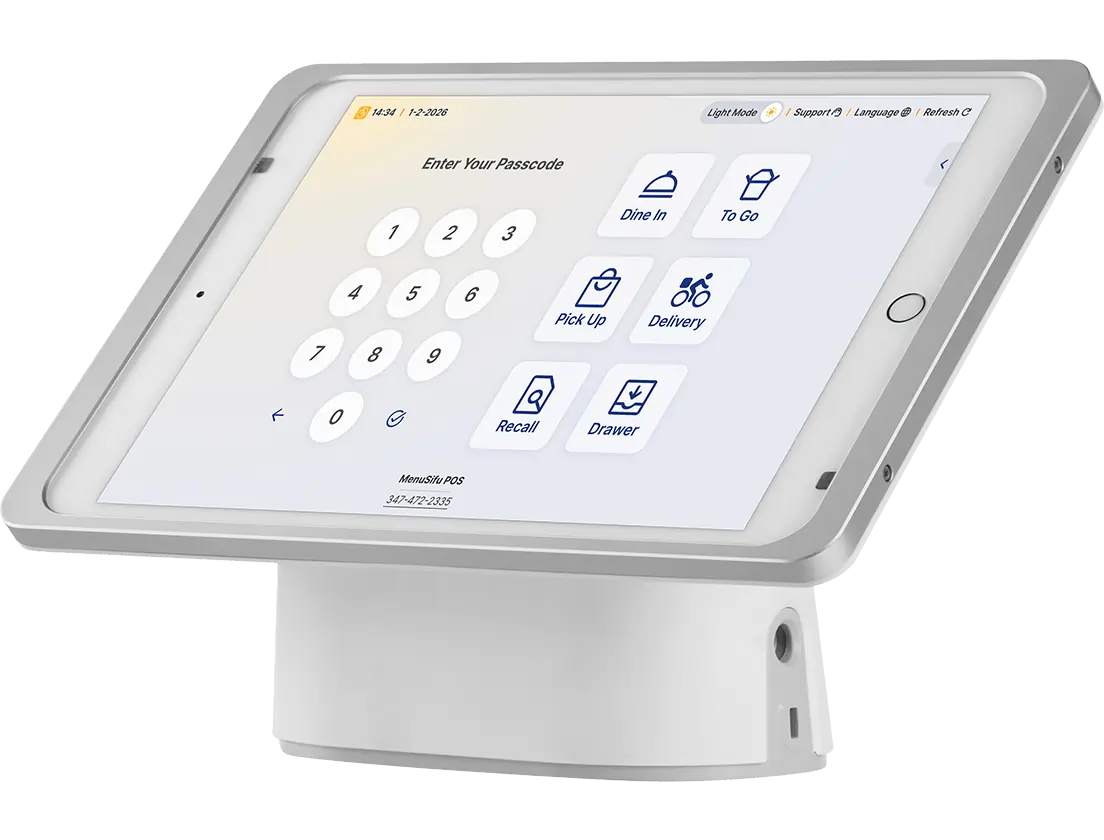
The future of restaurant technology looks promising as POS systems, automation, AI, kitchen technology, and restaurant data become more connected. Instead of managing separate tools across the business, restaurants can increasingly bring ordering, payments, kitchen workflows, customer engagement, and reporting into a more unified operation.
The focus ahead will be on using technology to solve real operational challenges, improve cost control, and give you clearer information to guide daily decisions. A POS platform can play a central role by linking many of the systems that support service, management, and performance.
MenuSifu provides restaurant POS systems and connected technology solutions designed to bring these areas together. If you are exploring ways to modernize your restaurant technology and create a more connected operation, Book a Free Demo with MenuSifu to see how its solutions can support your business.
Here are answers to a few common questions about restaurant technology, current trends, and AI use in 2026.
A POS system can serve as a central hub for many restaurant technology functions. It manages orders, payments, menu updates, sales data, and reporting, while connecting with tools such as kitchen display systems, online ordering, loyalty programs, and inventory software. This gives you a more unified view of daily operations and helps information move efficiently across the restaurant.
Key restaurant technology trends in 2026 include AI and predictive analytics, automation, digital and self-service ordering, connected POS and back-office systems, integrated kitchen technology, and data-driven labor and inventory management. Restaurants are also connecting ordering, payments, loyalty, and customer data across channels to improve service speed, control costs, and create more personalized guest experiences.
In 2026, restaurants are using AI for voice ordering, demand forecasting, inventory planning, labor scheduling, marketing, customer communication, computer vision, and operational analytics. AI systems can take phone or drive-thru orders, forecast demand, identify patterns in restaurant data, and automate routine back-office tasks. These tools can help improve order accuracy, reduce repetitive work, plan resources more efficiently, and support faster data-driven decisions.
For more practical guidance on restaurant operations, POS technology, digital ordering, payments, and industry trends, visit the MenuSifu blog for more insights and updates.