August 27, 2026
Learn the 6 must-have POS features for Chinese restaurants, from multi-language support to integrated payments, for smoother operations and better service.
Although POS systems may look similar on the surface, the right setup can make a real difference when running a Chinese restaurant. A generic system often struggles with shared dining, detailed menu changes, language needs, and group payments, which creates extra work for your staff.
A well-built Chinese restaurant POS system supports how your restaurant actually operates day to day, instead of forcing workarounds. So what should you look for in a POS system for Chinese restaurants that truly supports your service, kitchen, and guests?
A Chinese restaurant POS (point of sale) system is a restaurant management platform built around how Chinese restaurants actually run day to day. It handles orders, tables, and payments like any POS, but it’s designed for the realities of Chinese dining: shared dishes, fast-paced service, highly customizable menus, and busy kitchens that need clear communication.
Instead of forcing your team to work around a generic setup, a Chinese-restaurant-focused POS supports smoother front-to-back operations so orders are more accurate, checkout is faster for groups, and your staff stays aligned during peak hours.
Traditional POS Systems often lack the flexibility needed to meet the requirements of a Chinese restaurant.
Chinese restaurants have many specialized features that are distinct and cannot be easily accommodated without a basic understanding of Chinese culture and cuisine.
Aspects such as language, dining culture, eating habits, unique cooking stations, specialized ingredients, and employee management often require tailored solutions to create a smooth and comprehensive restaurant management system.
If you are, or want to be, a Chinese restaurant owner, keep reading to find out what MUST-HAVE FEATURES your POS system needs.

Chinese restaurants are known for a fast-paced environment, long and complex menus, and family-style dining.
Despite these differences from Western restaurants, many Chinese restaurants still rely on the same systems that are often not equipped with the necessary software to handle their specific needs, creating overarching problems that harm the entire restaurant operation.
Often, these restaurants are not up to date with current technologies, falling behind on robust tools that can significantly improve their restaurant operations, such as smart POS systems and technologies that streamline operations, enhance the customer experience, and drive profitability.
Below are the core features to look for in a POS system designed to support Chinese restaurant operations across the front of house, kitchen, and checkout.
Breaking the language barrier is the first step to a seamless workflow and restaurant management.

Chinese restaurants often have staff who primarily speak Mandarin, Cantonese, or other Chinese dialects, so having an easy-to-understand POS system in their language can increase efficiency and significantly reduce errors across all tasks.
These restaurants generally have a large Asian customer base, so having technologies such as an E-menus/digital menus or kiosk ordering systems that can easily switch languages with one click is beneficial and can greatly enhance the guest experience.
In addition to Chinese, having a large database of various languages is always a perk for your foreign customers, providing a more comfortable, intuitive interface in their own language.
Giving kitchen staff clear, simple instructions is critical to reducing errors and customer wait times, so having multilingual options for kitchen displays and order tickets is especially useful in a Chinese kitchen, where chefs are often more fluent in Chinese. Being able to print orders in Chinese, often with various customizations such as spice level or ingredient changes, will highly increase order accuracy and readability.
MenuSifu currently has the largest selection of language options for its POS system and technologies in the market.
MenuSifu also provides 24/7 professional customer service in a variety of languages, making the entire business management process simple for all restaurant business owners.
With Chinese cuisine, there are so many types and eating styles that no POS system can effectively manage, so having tailored services and products for your specific type of Chinese cuisine is especially helpful for more streamlined operations.

Each type of restaurant has different operational needs and requirements.
For example, hotpot restaurants are better equipped with e-menus and QR codes instead of staff taking orders on a handheld device, which ensures higher order accuracy and improved customer satisfaction and comfortability.
On the other hand, buffet-style restaurants require less table management and a more robust inventory management feature to keep food levels up and provide an enhanced customer experience.
MenuSifu has specially programmed software features for the most popular types of Chinese restaurants, making it easy for Chinese restaurant owners to manage their businesses.
With a customized Chinese restaurant POS system, essential features are covered, along with more specialized, customizable menu features to create a more comprehensive and intuitive user interface for seamless operations.
Chinese cuisine is complex, diverse, and often made with a variety of ingredients to create specific flavour profiles or traditional dishes.
A good POS software system should allow easy modifications to all menu items based on customer preferences and allergies to ensure the best customer reviews.
Since food is so personal, having the ability to customize your dishes and adjust flavours to your liking is crucial. From a customer service standpoint, being able to adjust to customer requests is essential for exceptional customer experiences.

MenuSifu's All-in-one restaurant POS system allows simple modifications on both the customer and employee sides to simplify ordering, reduce miscommunication, and ensure excellent customer service and health.
Family-style dining is when the entire table orders together and shares.
It is the most common dining style in Chinese restaurants and among customers, as it promotes community, togetherness, and care. However, typical POS systems often find the payment process a challenge because they don't support the payment methods necessary for communal dining.
Splitting bills doesn't need to be a challenge with a tailored Chinese restaurant POS system.

MenuSifu's POS system provides secure payment processing and supports a variety of bill-splitting features necessary for any Chinese restaurant, making the payment process simple and painless for both guests and employees.
At any restaurant, accepting various forms of payment is one of the most valuable features since it doesn't prevent any customer from dining in. Having digital payment options and contactless payment methods, such as mobile payments, is also crucial to staying ahead in today's technological age.
With more and more customers switching to digital payment methods, having a POS system that supports online and contactless mobile payments, as well as popular Chinese payment methods, is essential for exceptional customer experiences.

Digital payment modes also provide an additional level of security to prevent credit card fraud, which is quite common with debit cards, as well as easy currency conversion with low rates for the best pricing.
By using a cutting-edge POS system that supports Chinese payment processing, business owners can increase restaurant sales and attract more customers in cities with large Chinese communities or Chinese tourists.

MenuSifu's USEZPAY is a comprehensive payment processing company that supports most Chinese and digital payment methods, giving restaurant owners and customers peace of mind when making or receiving payments.
Chinese restaurants often use a wide range of specialty ingredients and condiments that are often imported, and managing these items manually can lead to errors, shortages, waste, or overstocking, so having a smart and efficient inventory management system can help automate this process with custom reporting and accurate insights.

MenuSifu provides a comprehensive inventory management system with advanced reporting tools, integrated directly into the cloud-based POS, that deliver data-driven insights, real-time reports, and status updates.
The right POS system should match how your restaurant runs day to day. Look for tools that support shared dining, flexible menus, clear kitchen communication, and payment options your guests expect. When your POS fits your workflow, staff move faster, orders stay accurate, and service feels smoother from open to close.
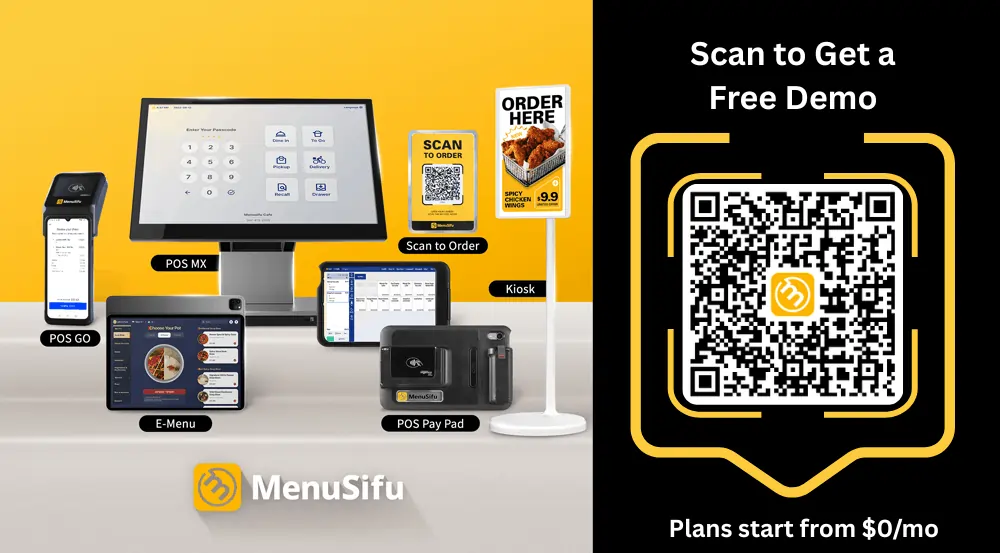
If you want to see how a POS built for Chinese restaurants can support these features in one place, you can explore a live walkthrough and see how it works in real service. Book a free demo with MenuSifu to take a closer look.
Related Articles: