September 30, 2026
Get Chinese restaurant menu ideas for appetizers, entrées, combos, and more, plus practical tips to improve menu balance, food costs, and overall profitability.
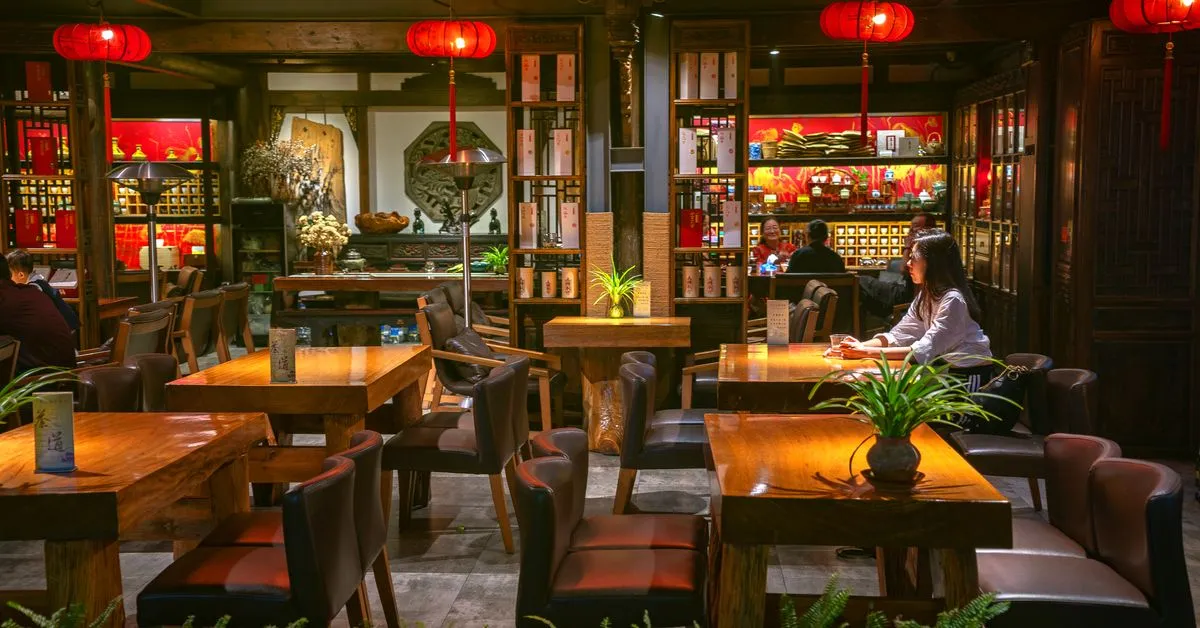
Building a menu that stays profitable and manageable requires careful planning. Too many dishes can strain inventory and prep, while too few may limit customer choice and order value.
The right Chinese restaurant menu ideas can help you build a selection that fits your concept, kitchen capacity, and business goals. This guide covers menu categories to consider, practical ways to build a balanced selection, and strategies to improve profitability.
Chinese cuisine offers plenty of flexibility across proteins, cooking methods, portion sizes, and dining occasions. A well-planned menu uses that flexibility with purpose. Choose dishes that fit your concept, share ingredients where practical, and give customers enough variety to build a satisfying order.
Here are 17 menu categories to consider.
Appetizers give customers an easy way to add another item to their meal and can help increase average order value. Build this section around recognizable choices that pair well with your entrées.
Consider items such as:
You can also offer an appetizer sampler that combines several popular choices into one shareable plate.
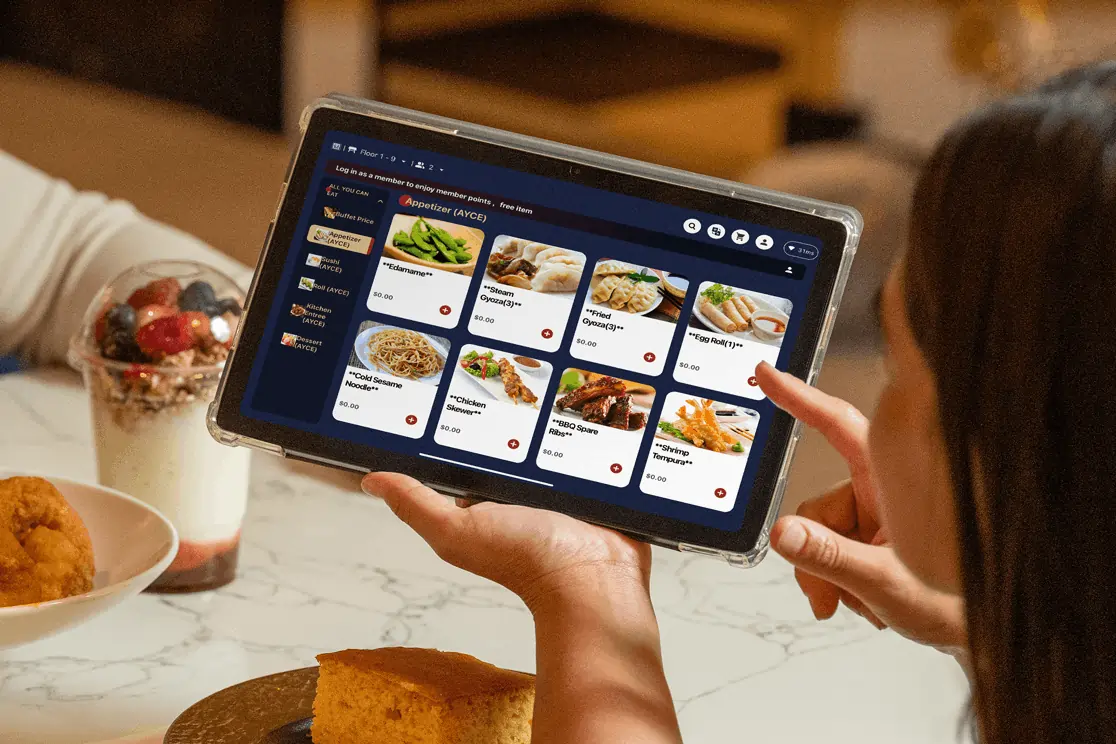
Serve dumplings and dim sum as starters, shared plates, or lighter meals, depending on your menu format. A focused selection can give customers variety across fillings and preparations while making efficient use of shared ingredients.
Possible options include:
Offering steamed and pan-fried versions of selected dumplings can create extra choice from the same core item.
Soups pair naturally with lunch specials, combination meals, and dine-in orders. Choose options that complement your entrées and give customers a range of flavors and portion sizes.
Popular choices include:
Offering cup and bowl sizes can give customers more flexibility based on appetite and budget.
Noodles work well as entrées and give you room to offer several proteins from a shared base. They can also support dine-in, takeout, and delivery menus when the recipe maintains its quality after packaging.
Consider:
For selected dishes, let customers choose chicken, beef, shrimp, tofu, or vegetables to create useful variety without adding a separate recipe for every protein.
Offer fried rice as a side, entrée, or paid upgrade from steamed rice. A consistent base preparation also makes it easy to create several variations using different proteins and vegetables.
Menu options can include:
A house special with multiple proteins can provide a premium option for customers looking for a more substantial dish.
Chicken gives you a flexible protein for fried, stir-fried, spicy, sweet, and savory dishes. Build the section around several distinct preparations rather than several dishes that taste too similar.
Popular options include:
Beef dishes can add depth to your main-course selection and support higher price points. Pair established favorites with a few dishes that reflect your restaurant's style or regional focus.
Consider:
Review beef cuts and portion sizes carefully, as both can have a direct impact on food cost.
Pork works across stir-fried, braised, roasted, and fried preparations, giving you several ways to distinguish this section from your chicken and beef offerings.
Menu ideas include:
Regional pork dishes can also help give your menu a stronger culinary identity.
Seafood adds premium options to the menu and gives customers more variety beyond chicken, beef, and pork entrées. Choose dishes that fit your supplier availability, storage capacity, and current ingredient costs.
Consider dishes such as:
A clearly defined meat-free section can help customers identify suitable dishes quickly. Tofu, mushrooms, eggplant, leafy greens, and mixed vegetables give you several strong foundations for this category.
Possible dishes include:
Use accurate menu labels for vegetarian and vegan items based on the ingredients and preparation methods used in your kitchen.
Signature dishes help distinguish your menu from nearby competitors. Use this section for recipes tied closely to your concept, culinary style, or strongest kitchen capabilities.
Examples could include:
Feature a small number of signature dishes so each one stands out.
Combination plates give customers a convenient way to order a complete meal at one price. They can also help you pair entrées with sides that support healthy margins.
A typical combination could include:
You can create several combinations based on protein choice, portion size, or price tier.
Lunch specials give customers a complete meal option at a lower price than a typical dinner order. Choose dishes your kitchen can prepare efficiently during daytime service.
A lunch special might pair an entrée with:
Feature a limited selection of popular dishes instead of offering the full dinner menu at lunch-special pricing.
Family-style meals simplify ordering for groups and can help increase the size of takeout and delivery orders. Build packages around complementary dishes and clear serving sizes.
For example, a family meal could include:
You can offer different packages for two, four, or six people to help customers choose the right amount of food.
A dedicated kids' section can make ordering easier for families. Choose familiar dishes with smaller portions and mild seasoning.
Options may include:
Desserts can complete the meal while creating an additional sales opportunity. Choose options that fit your concept and are practical to store, portion, and serve.
Consider:
A well-chosen beverage selection can complement your food menu while creating an additional revenue opportunity. Along with standard soft drinks, consider beverages that pair naturally with Chinese dishes.
Ideas include:
Keep your beverage offerings aligned with your service style and customer preferences.
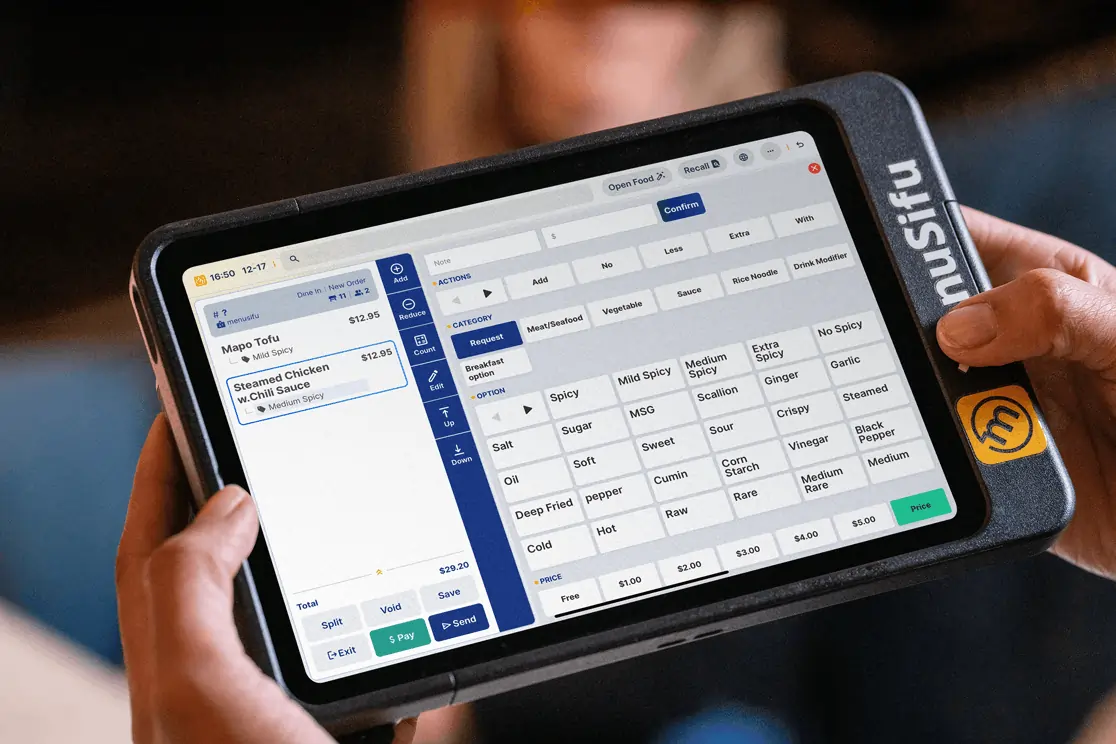
A balanced menu gives customers enough choice while keeping purchasing, prep, and service manageable. Focus on variety that supports your concept, fits your kitchen, and gives each menu category a clear purpose.
Start with recognizable favorites such as fried rice, lo mein, dumplings, and popular chicken entrées, then add signature or regional dishes that give your menu its own identity. This mix helps customers find an easy choice while creating opportunities to introduce them to dishes they may want to try again.
Give customers choices that fit different budgets and dining occasions. Appetizers, noodles, lunch specials, premium seafood, and family meals can create natural price tiers while giving customers room to spend based on appetite and group size.
Keep the differences between price levels clear. Larger portions, premium proteins, or bundled sides should provide an obvious reason for the higher price.
Build variety across chicken, beef, pork, seafood, tofu, and vegetables instead of filling the menu with several dishes that feel too similar. A thoughtful mix can serve different preferences while keeping each category focused.
Look for ingredients that work across multiple dishes, such as broccoli, peppers, mushrooms, tofu, and core sauces. Shared ingredients can simplify purchasing and help you use inventory more efficiently.
Consider how each dish holds up from the kitchen to the customer. Crispy items may benefit from separate sauces, while noodles, rice dishes, and stir-fries often adapt well to takeout and delivery.
Review packaging, portioning, and presentation alongside the recipe itself. The goal is to serve a consistent product across dine-in, pickup, and delivery channels.
Every menu item adds prep work, storage needs, and inventory requirements, so choose dishes your kitchen can execute consistently during busy periods. Favor recipes that share proteins, vegetables, sauces, or garnishes across several menu categories.
A focused ingredient list can also help control waste and support more consistent food costs. Before adding a dish, check how well it fits your current prep flow and purchasing routine.
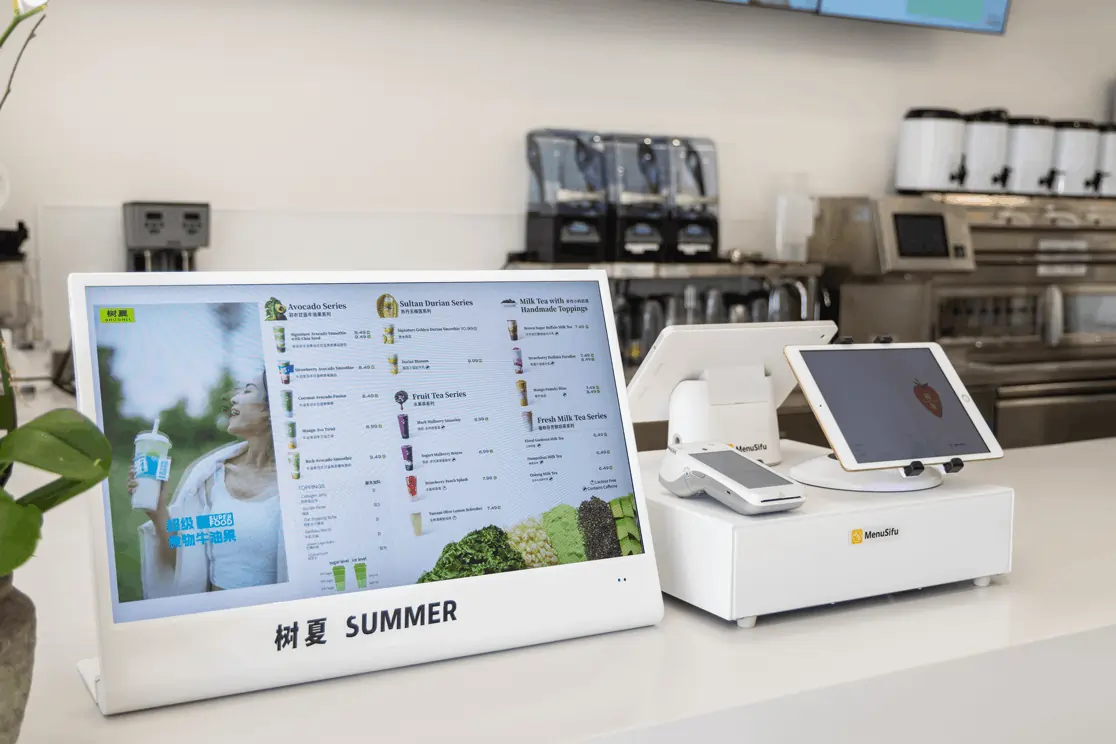
A profitable menu starts with knowing which dishes sell consistently, produce favorable margins, and use ingredients efficiently. Use sales and food cost data to identify which items deserve greater visibility, adjustment, or removal.
Identify dishes that sell consistently and generate favorable margins based on their food costs. Give these items stronger visibility through menu placement, concise descriptions, or a small "house favorite" label so customers can spot them easily.
Combos can raise order value while giving customers an easy way to build a complete meal. Pair popular entrées with rice, appetizers, soup, or drinks, then price each bundle so it offers clear value while protecting your margin.
Give customers simple ways to customize an order with extra protein, additional vegetables, fried rice upgrades, dumplings, sauces, drinks, or desserts. Keep the choices relevant to the main dish and display the added price clearly so customers can decide quickly.
Plan dishes around ingredients that can serve several parts of the menu. Using the same vegetables, proteins, sauces, and garnishes across compatible recipes can reduce excess inventory, improve ingredient turnover, and simplify purchasing.
Track recipe costs and portion sizes so each dish continues to deliver the margin you expect. Standardize recipes and serving quantities, then adjust pricing, portions, or ingredients when food costs change significantly.
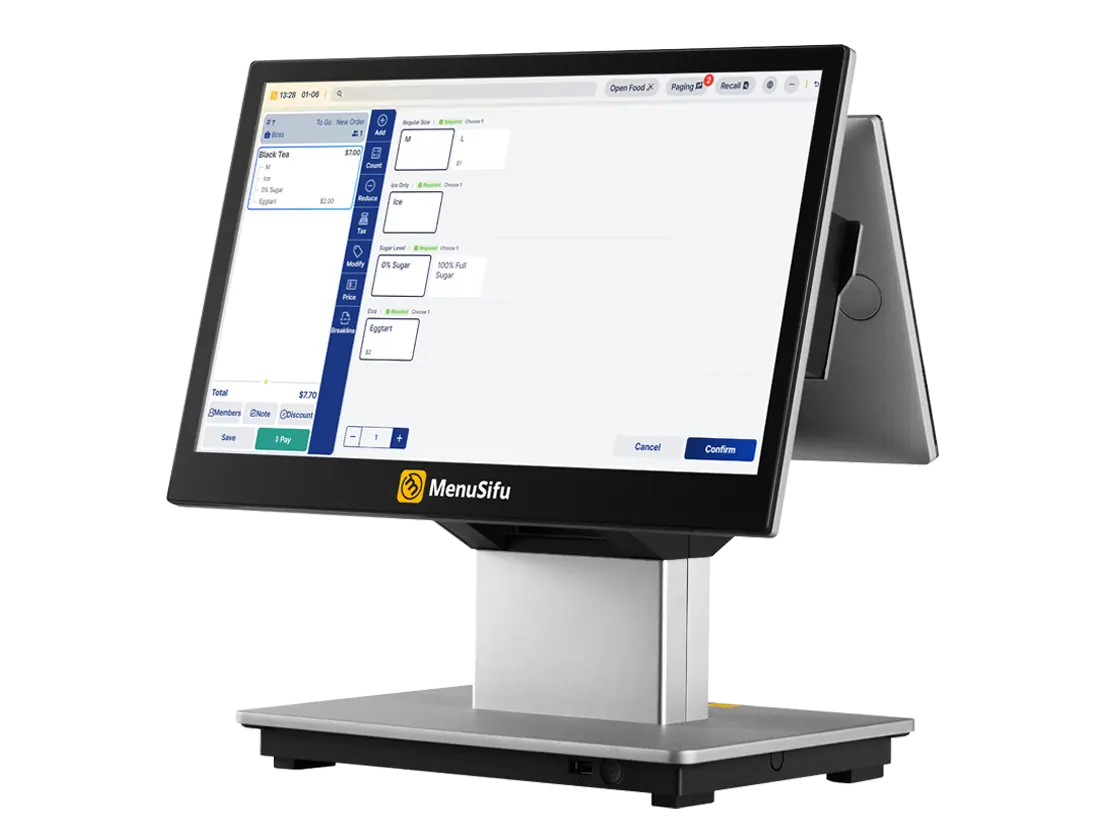
A strong Chinese restaurant menu should give customers useful variety while keeping food costs, inventory, and kitchen capacity manageable. Review sales performance regularly to identify which dishes deserve more attention, which need adjustment, and which may no longer support your margins.
A POS system for Chinese restaurants can support that process by helping you track item sales, review menu performance, manage updates, and keep ordering organized across dine-in, takeout, and delivery.
MenuSifu offers POS solutions designed to support restaurant operations and menu management. Book a Free Demo with MenuSifu today to see how the platform can support your restaurant.
The following questions cover several practical considerations that can help you refine your menu selection, pricing, and future updates.
A Chinese restaurant should include a balanced mix of appetizers, dumplings, soups, noodles, fried rice, chicken, beef, pork, seafood, and vegetable dishes. Add combination plates, family-style meals, desserts, and beverages based on customer demand and your restaurant concept. Focus on dishes that share ingredients, fit kitchen capacity, and offer a range of price points.
There is no fixed number of items a Chinese restaurant menu should have. Aim for a focused selection that covers key categories, such as appetizers, soups, noodles, rice dishes, entrées, and beverages, while keeping ingredients, prep time, food costs, and kitchen capacity manageable. Remove low-performing dishes and prioritize items that sell well and fit your restaurant concept.
Good high-margin Chinese restaurant menu items often include fried rice, noodle dishes, dumplings, spring rolls, vegetable entrées, chicken dishes, and specialty beverages. These items can use lower-cost ingredients and support efficient portioning, but actual margins depend on ingredient prices, labor, portion sizes, and menu pricing.
Review customer preferences, sales data, ingredient costs, prep requirements, and kitchen capacity before adding new Chinese dishes. Test promising items as limited-time specials, track sales and customer response, then add the strongest performers to the regular menu.
Review your menu regularly and make adjustments when sales trends, food costs, seasonal demand, or customer preferences change. A more comprehensive review once or twice a year can help you identify items to keep, reprice, replace, or test as limited-time offerings.
Looking for more practical ideas on restaurant menus, operations, technology, and service? Visit the MenuSifu blog for more insights and updates that can help you make informed decisions across your restaurant.
Related Articles: