September 18, 2026
How much does it cost to open a Chinese restaurant? Find startup cost ranges, monthly operating expenses, working capital needs, and a sample opening budget.

Opening a Chinese restaurant requires careful financial planning, with costs ranging from the lease and kitchen equipment to staffing, permits, technology, and opening inventory. Before committing to a location or making major purchases, you need a clear picture of the investment ahead. So, how much does it cost to open a Chinese restaurant?
Having a realistic estimate can help you plan your budget and determine how much capital you may need before opening day. This guide breaks down the major startup costs, ongoing expenses, and working capital to consider as you prepare to open.
Using general U.S. restaurant startup benchmarks, opening a Chinese restaurant can cost roughly $150,000 to $750,000 or more, depending on the concept, location, size, and condition of the space. A smaller takeout operation may stay closer to the lower end, while a larger full-service restaurant can require a much higher investment.
A small takeout or limited-service Chinese restaurant may need around $150,000 to $300,000 to open. A fast-casual concept may fall in the $200,000 to $500,000 range, while a full-service Chinese restaurant may require $300,000 to $750,000 or more.
Your final startup cost can shift quickly based on rent, construction, kitchen equipment, ventilation, permits, staffing, and local labor costs. Taking over a restaurant-ready space can reduce buildout expenses, while starting with an empty commercial space may require more spending on plumbing, electrical work, gas lines, and kitchen infrastructure.
The best way to set a realistic budget is to start with your service model and location, then price each major expense based on local quotes. That gives you a clearer view of the capital you may need before opening day.
Startup spending usually concentrates in the space, buildout, kitchen, and pre-opening expenses. A RestaurantOwner survey reported median construction costs of $200,000, median kitchen and bar equipment costs of $95,000, and median pre-opening expenses of $20,000. The SBA also recommends separating one-time opening expenses from recurring monthly costs when calculating startup capital.
For a small to midsize leased Chinese restaurant, the ranges below can serve as early planning allowances. They are illustrative ranges rather than national averages, so replace them with local lease terms, contractor bids, permit fees, vendor quotes, and payroll estimates before finalizing your budget.
Plan roughly $5,000 to $30,000 or more for lease-related cash due before opening. Your total may include a security deposit, initial rent, legal review, and other property charges written into the lease.
Location and square footage drive much of the variation. A larger space or high-cost metro can require substantially more cash upfront, so review the full occupancy commitment alongside the monthly base rent.
Buildout can become one of the largest expenses in your opening budget. RestaurantOwner survey data reported construction costs of $70,000 at the lower quartile, $200,000 at the median, and $472,500 at the upper quartile.
Chinese restaurant buildouts may include plumbing, electrical upgrades, gas service, ventilation, kitchen modifications, dining room work, accessibility improvements, and code-related construction. Inspect the space before signing the lease so your budget reflects the infrastructure required by the concept.
A practical early allowance is $40,000 to $200,000. RestaurantOwner survey data reported $40,000 at the lower quartile, $95,000 at the median, and $196,250 at the upper quartile for kitchen and bar equipment.
Build the equipment list around your menu. Typical purchases can include wok ranges and burners, fryers, steamers, ranges, rice cookers, refrigerators, freezers, prep tables, sinks, dishwashing equipment, plus ventilation and fire-suppression components.
Budget about $10,000 to $50,000 or more, depending on seating capacity and finish level. A takeout-focused concept may need counters, shelving, menu displays, pickup areas, and limited seating, while a larger dining room adds tables, chairs, lighting, décor, tableware, and serving supplies.
Exterior and interior signage also belongs in this category. Prioritize durable pieces that support daily service, then allocate additional funds to decorative finishes after covering essential opening costs.
Use roughly $2,000 to $15,000 or more as an early planning allowance, then verify fees with your state, county, and city. The SBA includes permits, licenses, and professional services among the one-time expenses businesses should account for before opening.
Your budget may cover business registration, food-service permits, health inspections, building and occupancy permits, fire reviews, legal services, and accounting support. Alcohol service can raise licensing expenses significantly, with fees and requirements set by each jurisdiction.
Plan around $5,000 to $20,000 to stock the restaurant before opening. The amount depends on menu size, expected opening volume, supplier terms, and available refrigerated, frozen, and dry storage.
Include proteins, produce, rice, noodles, sauces, oils, spices, beverages, takeout packaging, paper goods, and cleaning supplies. Set opening inventory levels conservatively, then adjust purchasing as actual sales patterns become clear.
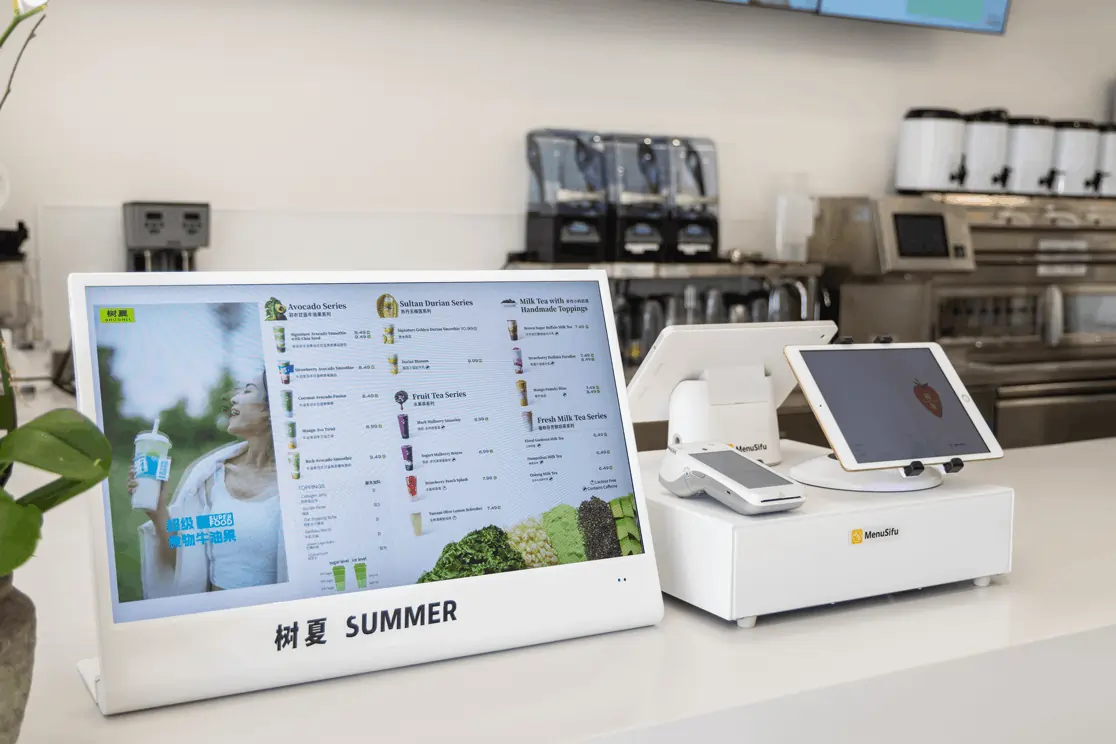
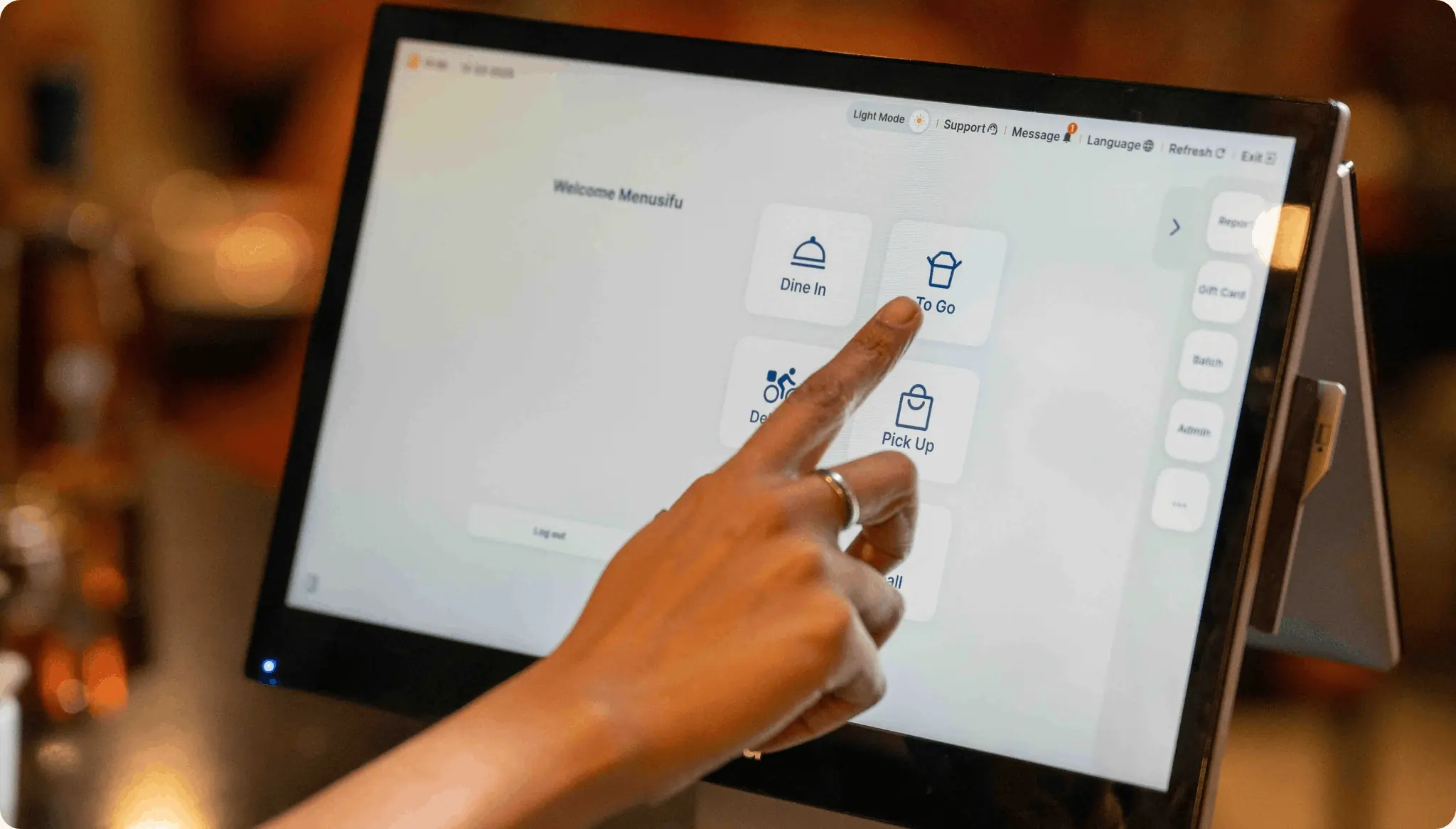
Set aside roughly $3,000 to $15,000 or more for the initial technology setup, depending on the service model and number of stations. Account for POS hardware, payment equipment, receipt printers, kitchen displays, handhelds or tablets, network equipment, and online ordering setup.
Software may add recurring charges after launch, including POS, payroll, scheduling, accounting, loyalty, and ordering tools. Separate upfront hardware costs from monthly subscriptions and payment-processing expenses so each part of the technology budget remains clear.
A preliminary $10,000 to $40,000 or more can cover labor before regular service begins. Include recruiting, paid training, pre-opening wages, uniforms, payroll setup, and manager hours spent preparing the restaurant.
The total rises with headcount, local wage levels, and training time. Build these expenses into startup capital so early sales remain available for regular payroll, inventory, rent, and other operating needs.
Reserve roughly $1,000 to $10,000 or more for launch marketing based on campaign size. Your opening budget can include a website, menu design, photography, local advertising, social media content, printed materials, and opening promotions.
Focus spending on channels tied to measurable actions such as reservations, online orders, first visits, and customer signups. A focused local campaign can preserve capital while showing which channels generate customer activity.
Plan roughly $5,000 to $15,000 or more for insurance, utility deposits, setup fees, and other pre-opening expenses. Insurance premiums can vary based on coverage, location, payroll, property value, alcohol service, and other risk factors, so request quotes based on your restaurant's specific needs.
Also account for utility deposits and setup costs for electricity, gas, water, internet, waste service, pest control, cleaning, and other services needed before opening. Keep a separate contingency allowance for unexpected setup expenses so they do not reduce the funds earmarked for equipment, payroll, inventory, and other essential startup costs.
Your total startup cost can shift considerably based on the concept you choose, the space you lease, and the equipment your menu requires. These factors influence both your upfront investment and how much cash you need before opening.
Your service model shapes the amount of space, equipment, furniture, technology, and labor you need. A compact takeout restaurant can often open with a smaller dining area and leaner front-of-house setup, while fast-casual and full-service concepts typically require a larger investment.
In general:
Location affects several major expenses at once, including rent, wages, permits, insurance, and construction. A high-traffic neighborhood may carry higher occupancy costs, while another market may offer lower rent but different labor rates and customer demand.
Compare locations based on the full cost of operating there rather than rent alone. Review local wage levels, permitting fees, lease terms, nearby competition, customer traffic, delivery demand, and other market conditions before committing to a site.
The condition of the property can change your buildout budget dramatically. Starting with an empty commercial space may require new plumbing, electrical work, gas lines, ventilation, restrooms, and kitchen infrastructure.
A restaurant-ready or second-generation space may already include useful features such as a hood system, grease interceptor, floor drains, gas connections, and adequate electrical capacity. Inspect these systems carefully before signing a lease, since outdated or unsuitable infrastructure can still require substantial upgrades.
Your menu determines much of the kitchen setup. A larger menu with several cooking methods can require more prep stations, specialized equipment, refrigeration, storage, smallwares, and inventory.
A focused menu can help limit the opening equipment list and make better use of available kitchen space. Map each major menu category to its cooking, prep, refrigeration, and storage requirements before finalizing the kitchen design.
How you acquire equipment can change both your upfront cost and future expenses. Compare each option based on purchase price, expected service life, warranty coverage, repair risk, and available cash.
You can also use a mix of these options. High-use cooking and refrigeration equipment may justify a larger investment, while durable items such as stainless-steel tables and shelving may offer opportunities to reduce upfront spending.
There is no single monthly dollar figure because operating costs vary based on sales, location, service model, restaurant size, and staffing. As a general U.S. restaurant benchmark, food costs can account for about 32% of sales, labor about 31.7% to 36.5%, and occupancy about 5.2% to 5.7%.
For example, a Chinese restaurant generating $100,000 in monthly sales could spend roughly $32,000 on food, $31,700 to $36,500 on labor, and $5,200 to $5,700 on occupancy. Additional expenses may include technology, insurance, accounting, marketing, delivery fees, maintenance, and repairs.
Use these percentages as planning benchmarks rather than fixed targets. Your actual monthly costs will depend on your menu, staffing structure, lease terms, sales mix, and local operating expenses.
Food and non-alcoholic beverage costs represented a median 32.0% of sales for full-service restaurants and 32.4% for limited-service restaurants in 2024. Your actual percentage will depend on proteins, seafood, produce, rice, noodles, oils, sauces, beverages, supplier pricing, and menu mix.
Control this expense through accurate recipe costing, consistent portions, inventory counts, and purchasing based on expected demand. Track spoilage, overproduction, and unused ingredients because small losses across high-volume items can add up over a month.
Labor can take roughly 31.7% to 36.5% of sales, based on 2024 median figures for limited-service and full-service restaurants. This category includes kitchen staff, front-of-house employees, managers, wages, payroll taxes, and employee benefits.
Your service style has a direct effect on payroll. Table service usually requires more front-of-house coverage, while takeout and counter-service concepts may operate with leaner service teams. Build schedules around expected sales by day and daypart, then compare payroll against actual revenue.
Occupancy costs represented a median 5.2% of sales for limited-service restaurants and 5.7% for full-service restaurants in 2024. Urban locations can run higher, with median occupancy costs reaching 6.0% of sales in both segments.
Your monthly facility expenses can also include electricity, gas, water, sewer, waste removal, grease service, and maintenance. Wok stations, ventilation, refrigeration, steam equipment, and dishwashing can increase utility usage, so include these costs alongside rent when calculating your monthly operating budget.
Budget separately for POS software, payment processing, online ordering, payroll and scheduling systems, internet service, insurance, accounting, and bookkeeping. These expenses are smaller than food and labor individually, but several recurring charges can create a meaningful monthly overhead total.
Review subscription fees, transaction charges, insurance premiums, and professional-service costs regularly. A clear expense schedule also helps you forecast annual renewals and other charges that may fall outside normal monthly billing.
Marketing expenses can include local advertising, search campaigns, social media promotions, loyalty programs, coupons, and customer retention offers. Online ordering can add software or processing expenses, while third-party delivery can add commissions and promotional charges.
Track dine-in, pickup, direct online, and delivery sales separately. Compare revenue, order value, fees, and promotional spending by channel so you can see how each one contributes to your monthly financial performance.
For planning purposes, you can model a working capital reserve equal to about two to three months of operating expenses, then adjust that amount based on projected sales and cash flow after opening.
For example, if you expect monthly operating expenses of $40,000, a two- to three-month reserve would equal roughly $80,000 to $120,000. However, you may not need to fund every dollar of those expenses from your reserve if the restaurant begins generating sales right away. Your cash-flow forecast can help you estimate the difference between incoming revenue and outgoing expenses during the opening months.
Working capital may need to cover payroll, rent, food and inventory purchases, utilities, insurance, marketing, repairs, and other recurring expenses. Restaurants expecting a slower sales ramp, higher fixed costs, or greater variability in early expenses may benefit from setting aside a larger reserve.
Keep this reserve separate from the funds allocated to buildout, kitchen equipment, furniture, permits, and other startup expenses. This gives you cash available for daily operations after the restaurant opens.
A sample budget can help you see how major startup expenses fit together before you commit capital. For a small to midsize Chinese restaurant, a $400,000 opening budget could look like this:
This example puts the largest share of startup capital into buildout and kitchen equipment, two categories that can vary substantially based on the condition of the space and menu requirements. It also includes a $100,000 working capital reserve to help cover early operating expenses as sales build. The appropriate reserve may be higher or lower depending on projected monthly expenses, expected revenue, lease obligations, payroll, and the time needed to reach stable cash flow.
Use this budget as a planning reference rather than a fixed target. Your actual investment will depend on your city, lease terms, restaurant size, service model, equipment needs, construction scope, and local permit costs. Replace each estimate with local quotes before finalizing your startup budget.
You can control startup spending by making disciplined decisions early, especially around your space, equipment, menu, and lease. Focus your budget on the parts of the restaurant that directly support safe food production, efficient service, and opening-day operations.
A second-generation restaurant space may already have a commercial kitchen, hood system, grease interceptor, plumbing, gas lines, and electrical capacity. Reusing suitable infrastructure can reduce construction costs and shorten the amount of work required before opening.
Price new, used, and leased equipment based on total cost, warranty coverage, expected lifespan, and repair risk. Consider buying heavily used cooking and refrigeration equipment new while sourcing durable items such as stainless-steel tables and shelving used when their condition supports long-term use.
A tighter opening menu can reduce the number of ingredients, appliances, prep stations, and storage areas you need from day one. Build around dishes that share ingredients and equipment, then add menu items after sales data shows where demand is strongest.
Look beyond the monthly rent when reviewing a lease. Negotiate items such as tenant-improvement allowances, construction-period rent relief, renewal terms, annual increases, and responsibility for major building repairs before signing.
Compare several bids for construction, equipment, signage, technology, and major supply purchases. Use detailed quotes with the same scope of work so you can identify meaningful price differences and avoid paying for unnecessary additions.
Fund the equipment and systems required to open and operate safely before spending heavily on décor or secondary features. Direct available capital toward cooking equipment, refrigeration, ventilation, code compliance, POS technology, food safety, and working capital first.
Opening a Chinese restaurant can require a significant investment, so a realistic budget should account for more than the lease and kitchen equipment. Buildout, staffing, permits, technology, inventory, and working capital all shape how much you need before opening day. Start with your service model, gather local quotes, and leave enough cash available to support early operations as sales build.
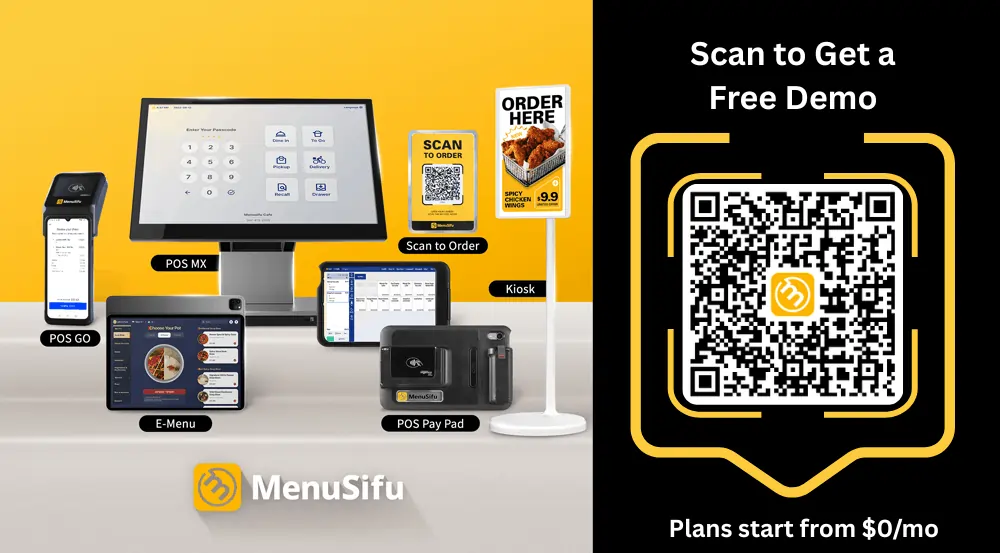
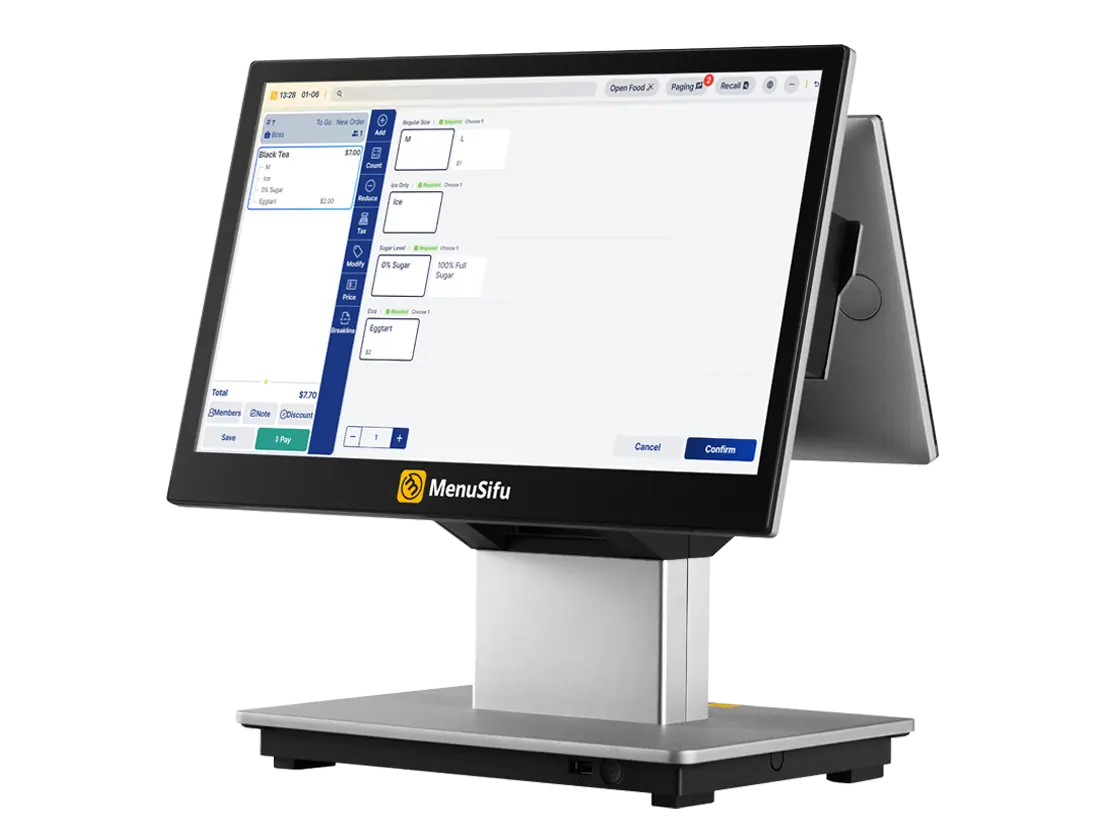
As you plan your technology budget, look for a POS system that fits your service model, ordering workflow, and day-to-day needs. MenuSifu offers POS solutions designed for Chinese restaurants, including dine-in, takeout, tea shop, and AYCE concepts. Its solutions support bilingual ordering, detailed menu modifiers, handheld ordering, kitchen display systems, online ordering, and delivery integrations.
MenuSifu also provides installation, training, multilingual service, financing, consulting, and marketing support, with pricing based on the features your restaurant needs. Book a Free Demo with MenuSifu today to explore a Chinese restaurant POS system that fits your concept and opening budget.
Planning your restaurant budget often brings up additional cost questions. Here are quick answers covering startup investment, operating expenses, equipment, and other financial considerations.
Based on current U.S. restaurant benchmarks, opening a Chinese restaurant can require roughly $150,000 to $750,000 or more, depending on the service model. Quick-service concepts may cost about $150,000 to $300,000, while full-service restaurants can require $300,000 to $750,000 or more. Location, restaurant size, buildout, kitchen equipment, ventilation, permits, staffing, and working capital can all affect the final investment.
Chinese restaurant menu prices in the U.S. can be relatively affordable because many dishes use cost-efficient staples such as rice, noodles, vegetables, and sauces. High order volume, efficient production, takeout-focused service, and smaller dining spaces can also help some restaurants control operating costs. However, affordable menu prices do not necessarily mean a Chinese restaurant is inexpensive to open, since startup costs can still include substantial spending on rent, buildout, kitchen equipment, ventilation, permits, and labor.
The largest Chinese restaurant startup costs usually include renovations and buildout, commercial kitchen equipment, lease deposits and rent, staffing, and working capital. Wok stations, ventilation, plumbing, refrigeration, and fire-suppression systems can raise the budget quickly, especially if the space needs major upgrades.
Monthly operating costs vary based on restaurant size, location, sales volume, staffing, and service model. Instead of relying on a fixed dollar amount, build your monthly budget around major expenses such as food, labor, rent, utilities, insurance, technology, marketing, maintenance, and delivery fees.
As a general U.S. restaurant benchmark, food costs can account for about 32% of sales, labor about 31.7% to 36.5%, and occupancy about 5.2% to 5.7%. Use these figures as planning references rather than fixed targets, since actual expenses will depend on your menu, staffing structure, lease terms, sales mix, and local costs.
Buying equipment can reduce long-term costs and give you full ownership, but it requires more upfront capital. Leasing lowers the initial expense and can help preserve cash during opening, though total payments may be higher over time. Compare purchase price, lease terms, warranty coverage, maintenance costs, and expected equipment life before deciding. Many restaurants use a mix of purchased and leased equipment based on budget and usage.
DISCLAIMER: Cost estimates and financial benchmarks in this article are for general informational purposes only. Actual restaurant startup and operating costs vary by location, concept, size, vendors, lease terms, and other factors. Consult local contractors, suppliers, licensing agencies, and financial professionals before making investment decisions.
For more practical restaurant technology, operations, and management insights, visit the MenuSifu blog for additional guides and updates.
Related Articles: