September 30, 2026
Learn the benefits of POS systems in restaurants, from faster checkout and fewer errors to smarter reporting, inventory control, and stronger profit margins.
Long waits, order mistakes, missed sales insights, and inventory surprises can make daily service harder than it needs to be. As orders, payments, inventory, staff activity, and customer data spread across separate tools or manual processes, small issues can affect speed, accuracy, and profit.
That is why many restaurants look for a more connected way to manage daily operations.
This blog breaks down the benefits of POS systems in restaurants and shows how the right platform can support faster service, cleaner reporting, better inventory control, and stronger profit margins. Could the right POS system help your team serve guests better and run operations with less stress?
A restaurant POS system connects orders, payments, reporting, inventory, staff activity, and customer data in one place. When these areas work together, your team can move faster, reduce daily errors, and get a clearer view of performance.
Speed affects both service quality and revenue. When staff can enter orders through a POS terminal, handheld device, or tableside ordering tool, they spend less time writing tickets and more time serving guests.
A modern POS system can send orders directly to the kitchen or bar, then process payments quickly when guests are ready to pay. This helps shorten lines, improve table turnover, and keep service moving during lunch rushes, dinner peaks, and weekend traffic.
Faster checkout also improves the final part of the guest experience. When customers can pay by card, mobile wallet, gift card, or split payment with ease, your team closes each transaction more smoothly.
Manual order-taking creates room for missed modifiers, unreadable notes, incorrect prices, and wrong table numbers. A POS system reduces these issues by letting staff choose menu items, add modifiers, apply discounts, and confirm order details before sending them to the kitchen.
This helps your team avoid costly remakes and awkward guest interactions. It also gives kitchen staff clearer tickets, which supports more accurate prep and faster handoff.
Fewer errors can also protect your margins. Every corrected order uses extra ingredients, staff time, and table time. A reliable POS setup helps reduce those losses during daily service.
Clear sales data helps you see how your restaurant performs day by day. A POS system can track total sales, item sales, payment types, refunds, discounts, peak hours, and revenue by location or service channel.
These reports make point of sale system benefits easier to measure. You can see which menu items drive sales, which promotions work, and which shifts bring the highest revenue.
Instead of waiting until the end of the week to review receipts or spreadsheets, you can check real-time data and act sooner. That visibility helps you plan staffing, purchasing, pricing, and promotions with better direction.
Inventory has a direct effect on food cost and menu availability. A restaurant POS system can help track how much product moves through each sale, which ingredients run low, and which items create waste.
This gives you better control over purchasing and stock levels. You can identify top-selling items, slow sellers, and ingredients that need closer monitoring.
The benefits of a restaurant POS system become clear when your team reduces surprise stockouts, limits over-ordering, and keeps popular items available. Better inventory control also helps your kitchen plan prep with fewer last-minute changes.
A POS system can help you manage staff activity with time tracking, user permissions, shift reports, and sales performance data. Each employee can log in with a unique profile, which makes it easier to review transactions and assign responsibility.
Managers can see who handled orders, voids, refunds, discounts, and cash drawer activity. This creates stronger accountability across the team.
POS data can also guide training. If certain employees need help with upselling, order accuracy, or checkout speed, managers can spot patterns and coach with specific examples.
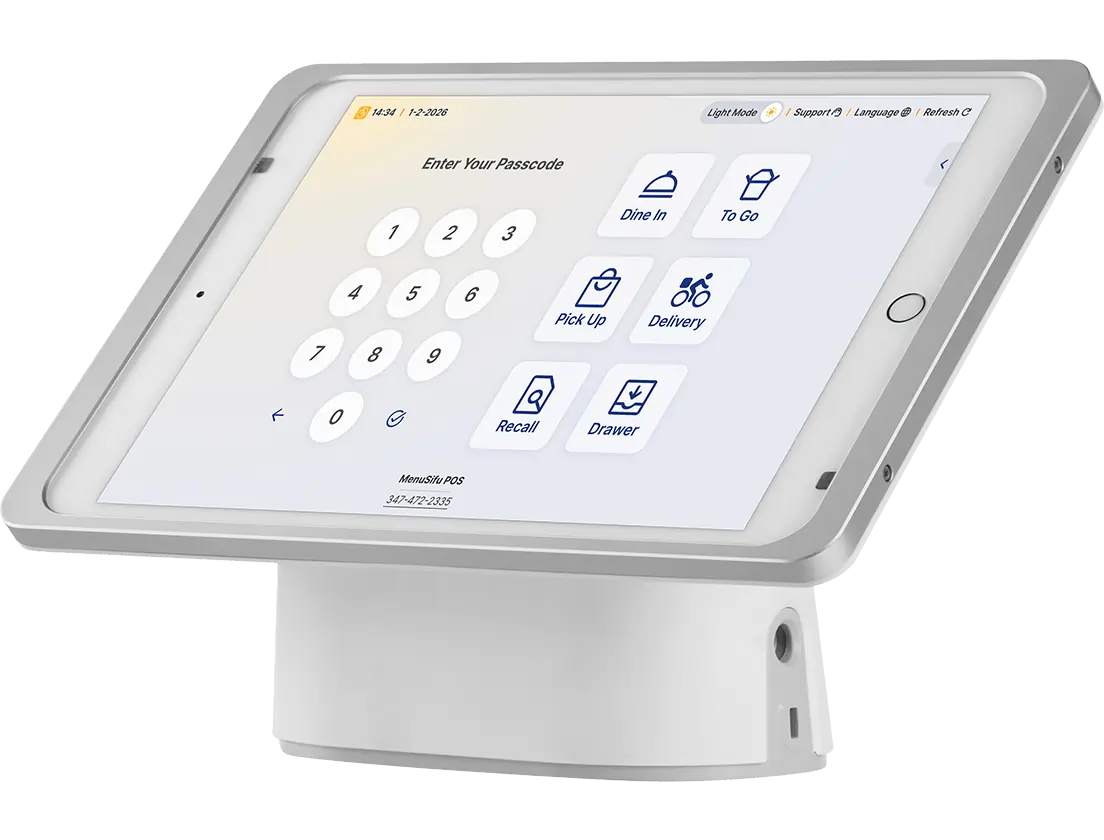
Strong service depends on clear communication between servers, cashiers, bartenders, and kitchen staff. A POS system helps by sending orders directly to kitchen display screens or printers as soon as staff enter them.
This reduces repeated verbal instructions and lost paper tickets. Kitchen staff get clear order details, including modifiers, course timing, table numbers, and special notes.
Better communication helps every part of service stay aligned. Servers can check order status, kitchen teams can organize tickets by priority, and guests receive their food with fewer delays.
Guests notice when service feels organized. A POS system supports faster ordering, accurate checks, flexible payment options, and smoother table service.
It can also help you personalize service through customer profiles, loyalty programs, and order history. When you know what guests buy and how often they visit, you can create offers that fit their preferences.
A better guest experience can lead to repeat visits, stronger reviews, and higher average spend. Small improvements in ordering and payment can leave a lasting impression.
Dine-in sales are only one part of restaurant revenue. Many restaurants also manage pickup, delivery, catering, and direct online orders.
A POS system that connects online ordering and delivery channels helps keep orders organized in one system. This reduces duplicate entries, missed tickets, and scattered sales records.
With connected order channels, your team can track dine-in and off-premise sales more easily. You can also review which channels bring the most revenue and adjust staffing or menu availability based on demand.
Menu changes affect pricing, modifiers, taxes, discounts, and availability. A POS system helps you manage these updates from one central place, so staff see current menu details during service.
This helps prevent outdated prices, sold-out items, and inconsistent charges. It also supports seasonal menus, limited-time offers, happy hour pricing, and item-level adjustments.
Accurate menu management keeps your team aligned. It also helps guests receive clear pricing and accurate checks, which supports trust at checkout.
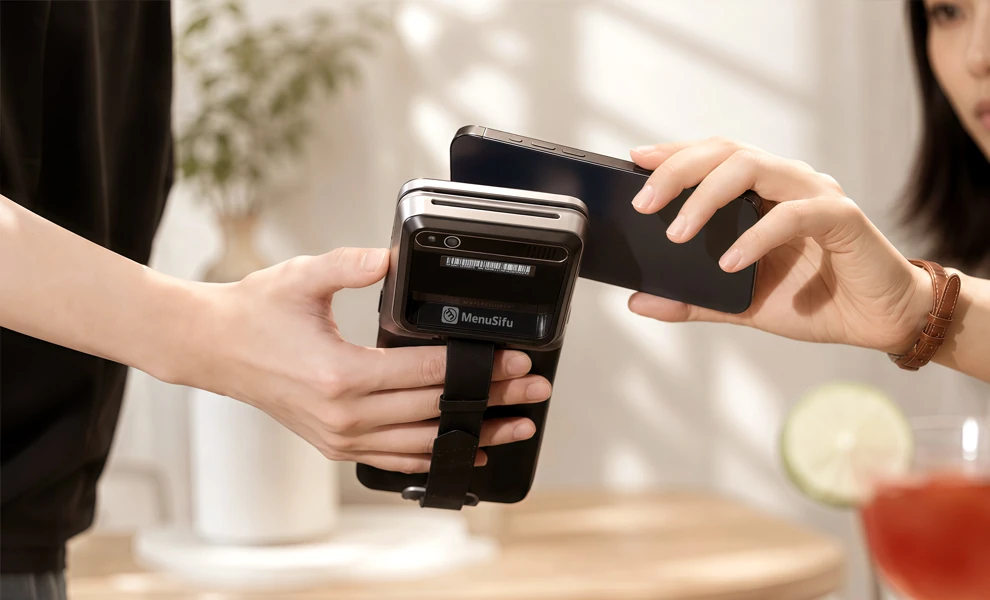
Payment security protects both your restaurant and your guests. A modern POS system can support secure card processing, digital receipts, user permissions, and transaction records.
These features help reduce risks linked to cash handling, manual card entry, and unauthorized discounts or refunds. They also create a clearer record of each payment.
A secure payment process gives your team a more reliable way to handle transactions across the counter, dining room, online ordering, and delivery.
Restaurant decisions become easier when you can review accurate data. A POS system can show trends in sales, labor, inventory, menu performance, and customer behavior.
You can use this information to adjust schedules, refine menu pricing, remove low-performing items, plan promotions, and prepare for busy periods. Each report gives you a clearer view of what drives results.
This is one of the strongest long-term benefits of POS systems in restaurants. Better data helps you spot opportunities earlier and fix problems before they grow.
A POS system brings key daily tasks into one connected workflow. Orders, payments, reports, inventory, staff activity, and customer data work together instead of sitting in separate tools or paper records.
This helps your team save time, reduce errors, and serve more guests with better control. It also gives managers the information they need to improve costs, labor planning, and sales performance.
Greater efficiency supports stronger profitability. When your restaurant runs with clearer data and fewer manual steps, you can protect margins and focus on growth.
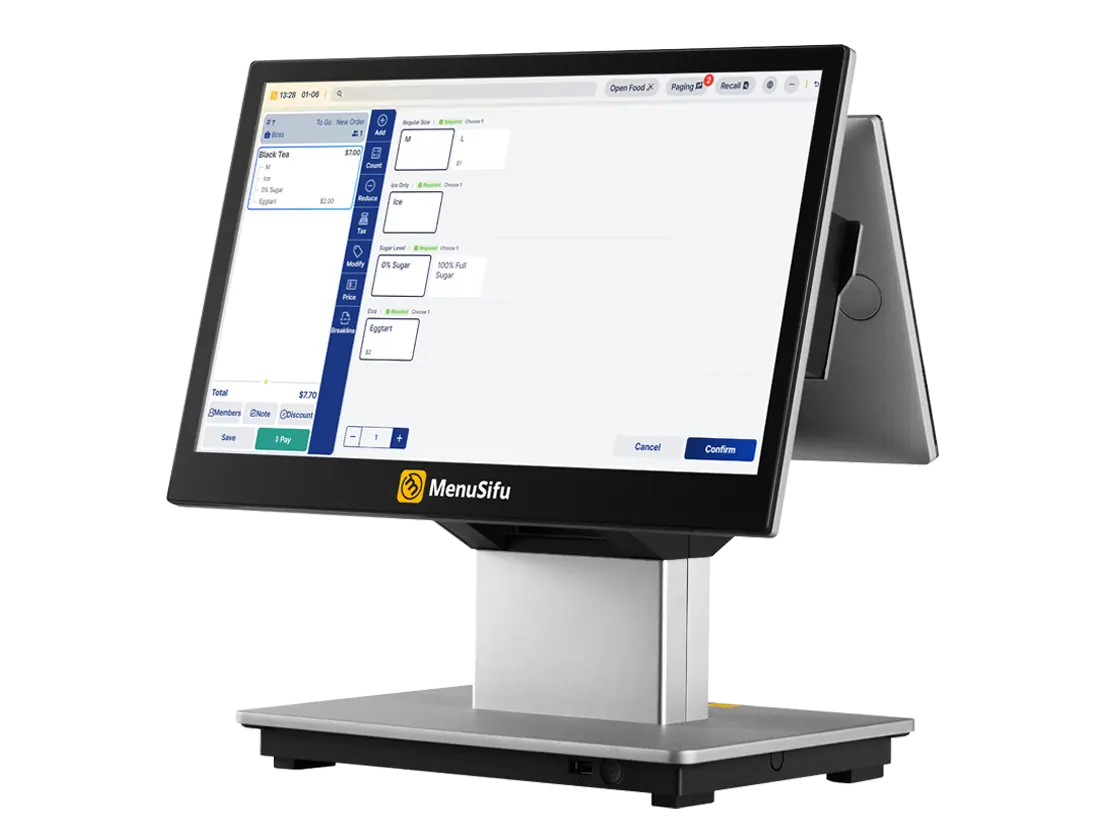
A restaurant POS system can help your team serve guests faster, reduce manual errors, track sales clearly, manage inventory with better control, and improve daily operations from one connected platform. When orders, payments, staff activity, reporting, and customer data work together, your restaurant gains the visibility needed to protect margins and support growth.
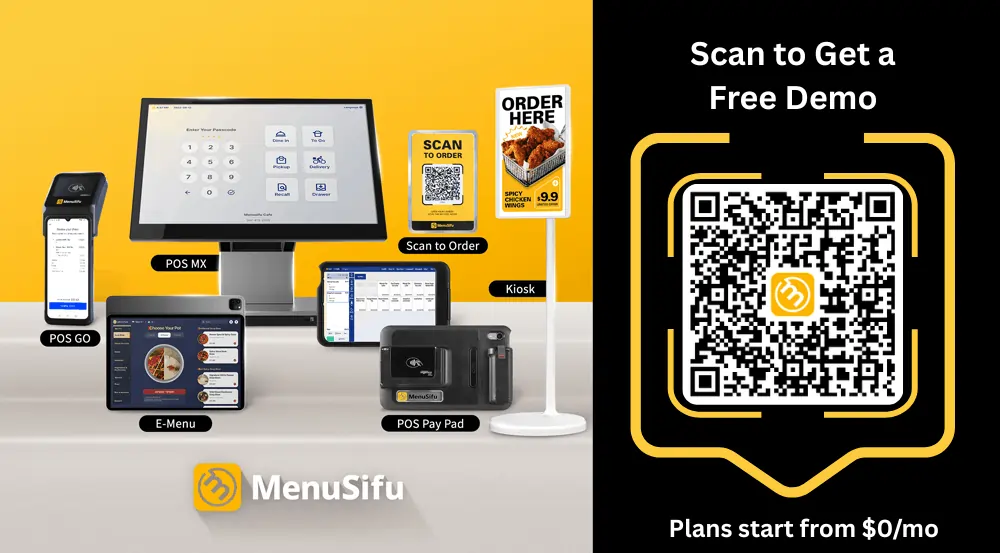
To see how a modern POS solution can support your restaurant’s daily workflow, book a free demo with MenuSifu today. Our team can walk you through tools that fit your operations, service style, and growth goals.
Here are quick answers to common searches about restaurant POS systems, their main functions, and how they support daily operations.
A POS system is important in restaurants because it helps speed up order taking, process payments accurately, reduce manual errors, and track sales in one place. It also supports inventory control, staff management, reporting, and better customer service, which helps your restaurant run more efficiently.
The six main functions of a POS system are order management, payment processing, sales reporting, inventory tracking, staff management, and customer management. In restaurants, these functions help your team take orders, accept payments, monitor performance, track stock, manage employee activity, and improve the guest experience from one system.
The five main parts of a POS system are POS software, hardware, payment processing, inventory tools, and reporting features. Together, these parts help your restaurant take orders, accept payments, track stock, review sales, and manage daily operations more efficiently.
Restaurant teams typically choose from four types of POS systems: cloud-based, on-premise, mobile, and self-service kiosk. Cloud-based systems sync data online, on-premise systems run on local servers, mobile systems let staff take tableside orders and payments, and kiosk systems let guests order and pay on their own.
You can also check out our blog section for more insights and updates on restaurant technology, operations, and POS solutions.
Related Articles: