September 23, 2026
Explore restaurant technology trends for 2026, including AI, unified ordering, self-service, kitchen automation, smarter payments, and personalized loyalty.
Rising labor costs, higher food expenses, changing ordering habits, and growing customer expectations are putting more pressure on restaurant operations. At the same time, technology is becoming more connected, automated, and data-driven, giving you new ways to improve efficiency and make better operational decisions.
The 2026 restaurant technology trends reflect that shift, with AI, unified ordering, self-service tools, connected kitchens, smarter payments, and personalized loyalty gaining momentum. Below, we break down the latest trends in restaurant technology and what they could mean for your restaurant.
From ordering and kitchen operations to payments and customer retention, restaurant technology is becoming more integrated across the business. Here are 10 trends shaping how restaurants are using technology in 2026.
AI is moving into routine restaurant management, where it can help analyze sales, forecast demand, support scheduling, review inventory, support marketing efforts, and identify performance patterns.
Adoption is gaining momentum. Deloitte’s 2025 research, based on a survey of 375 restaurant executives across 11 countries, found that 82% expected their AI investment to increase in the next fiscal year. Respondents pointed to customer experience, restaurant operations, loyalty, procurement, and supply chain management as key areas where they expected AI investment to deliver value.
For your restaurant, the practical value lies in turning large volumes of operational data into useful recommendations. Managers can spend less time compiling reports and more time responding to sales trends, labor needs, inventory levels, and other business priorities.
Voice AI is gaining attention as restaurants look for new ways to manage phone and drive-thru orders. These systems can answer calls, capture orders, respond to routine requests, and transfer order information into connected restaurant systems.
Deloitte identified conversational voice AI as an area of active experimentation, particularly in kiosks and drive-thrus. Its 2025 research also found higher adoption of conversational voice AI among U.S. restaurants than in other surveyed regions.
Connecting voice ordering with your POS and kitchen systems can reduce duplicate order entry and help keep phone, drive-thru, and digital orders within the same operational flow.
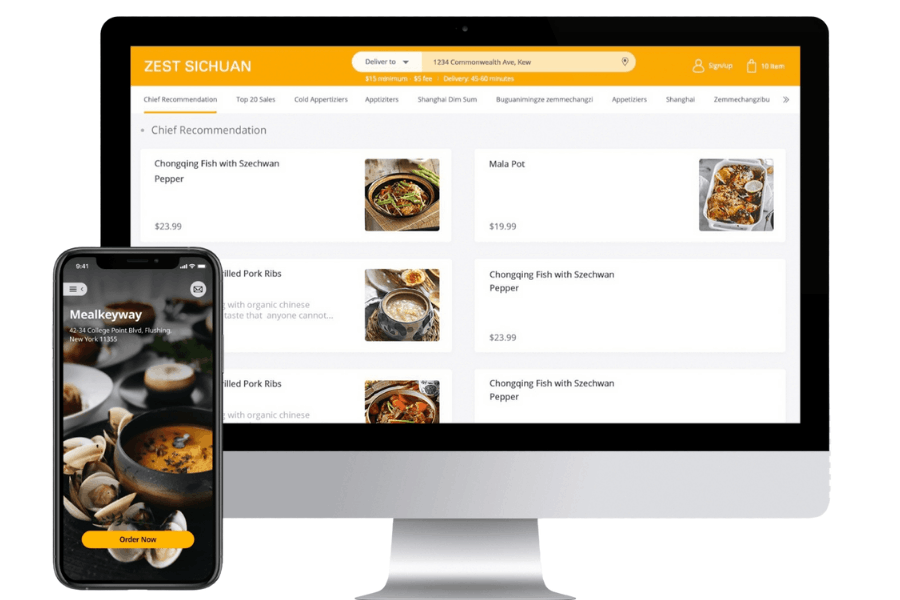
Ordering has spread across counters, tables, restaurant websites, mobile devices, drive-thrus, and third-party delivery platforms. Managing those channels separately can create extra work for staff and make menu updates, order routing, and reporting harder to coordinate.
The National Restaurant Association reported in 2025 that nearly 75% of restaurant traffic takes place off-premises. It also found that 47% of adults purchase takeout at least weekly, 42% use drive-thrus weekly, and 37% order delivery each week.
As digital order volume grows, restaurants have a stronger reason to bring these channels into a connected system. Centralized ordering can send orders directly to the POS and kitchen while keeping menu information and sales data consistent across channels.

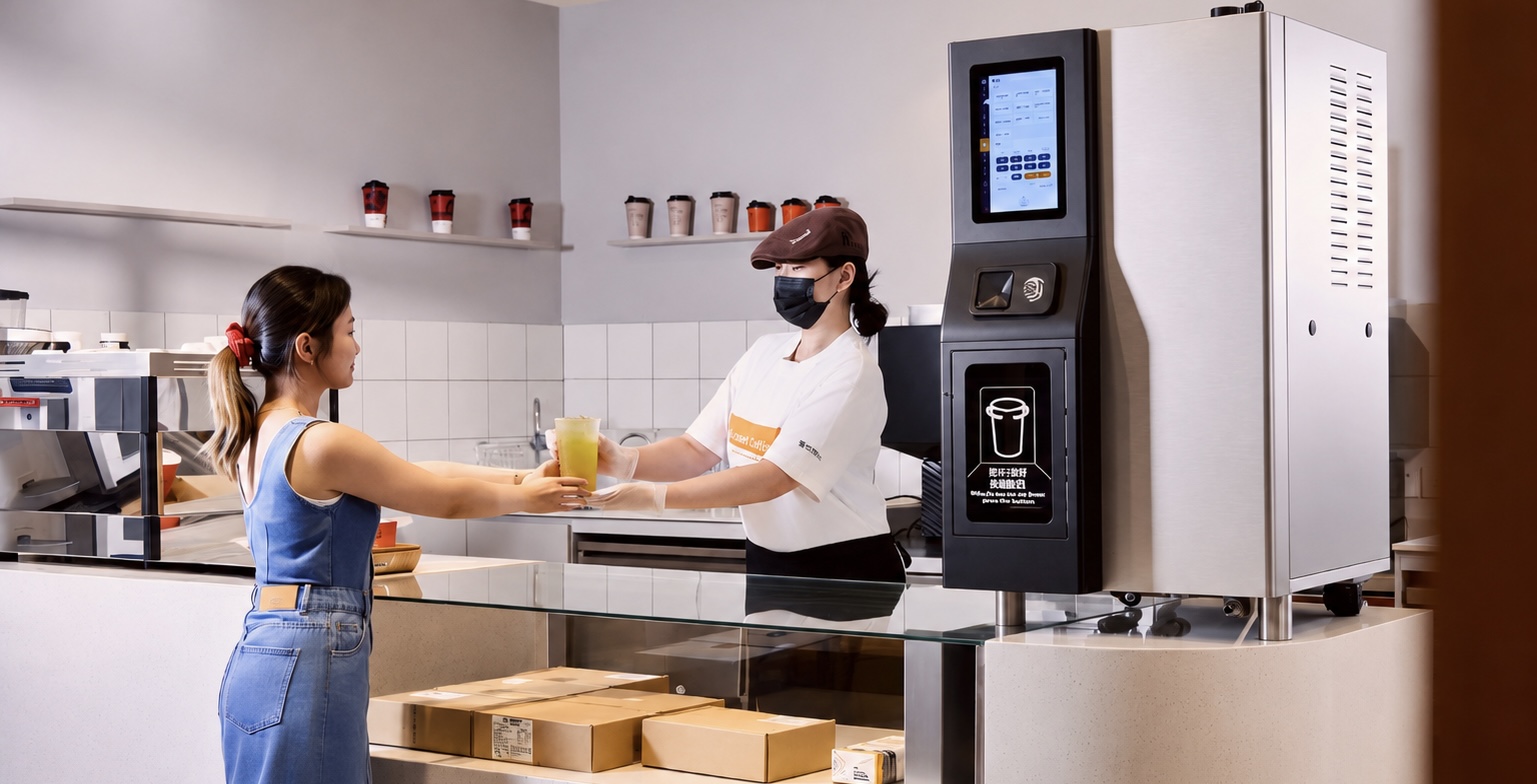
Self-service ordering is becoming a more established part of the restaurant experience through kiosks, QR ordering, scan-to-order systems, and mobile ordering. These tools give customers more control over menu browsing, customization, ordering, and payment.
The National Restaurant Association's Restaurant Technology Landscape Report found that 65% of limited-service customers would use a self-service kiosk to order and 63% would use one to pay. The same research found that 57% would access menus through a QR code on their smartphone.
Restaurants can use self-service technology to add ordering capacity, shorten queues, and capture orders digitally. Connecting kiosks and mobile ordering with your POS, menu, payment, and kitchen systems also helps keep information consistent from order placement through preparation.
Restaurants increasingly rely on technology for POS, payments, online ordering, delivery, kitchen management, loyalty, inventory, and reporting. As these systems expand, stronger integration is becoming a bigger priority.
Hospitality Technology's 2024 POS research found that 85% of restaurateurs considered integration with other systems a top feature when purchasing a POS system, while 44% identified integration with legacy systems as a leading operational challenge. Its 2026 restaurant technology research also points to continued efforts to move toward more unified, API-based technology architectures.
A more connected technology stack can give you a clearer view of sales, orders, menus, payments, customer activity, and location performance. It can also reduce duplicate data entry and help keep information consistent across ordering channels and restaurant locations.
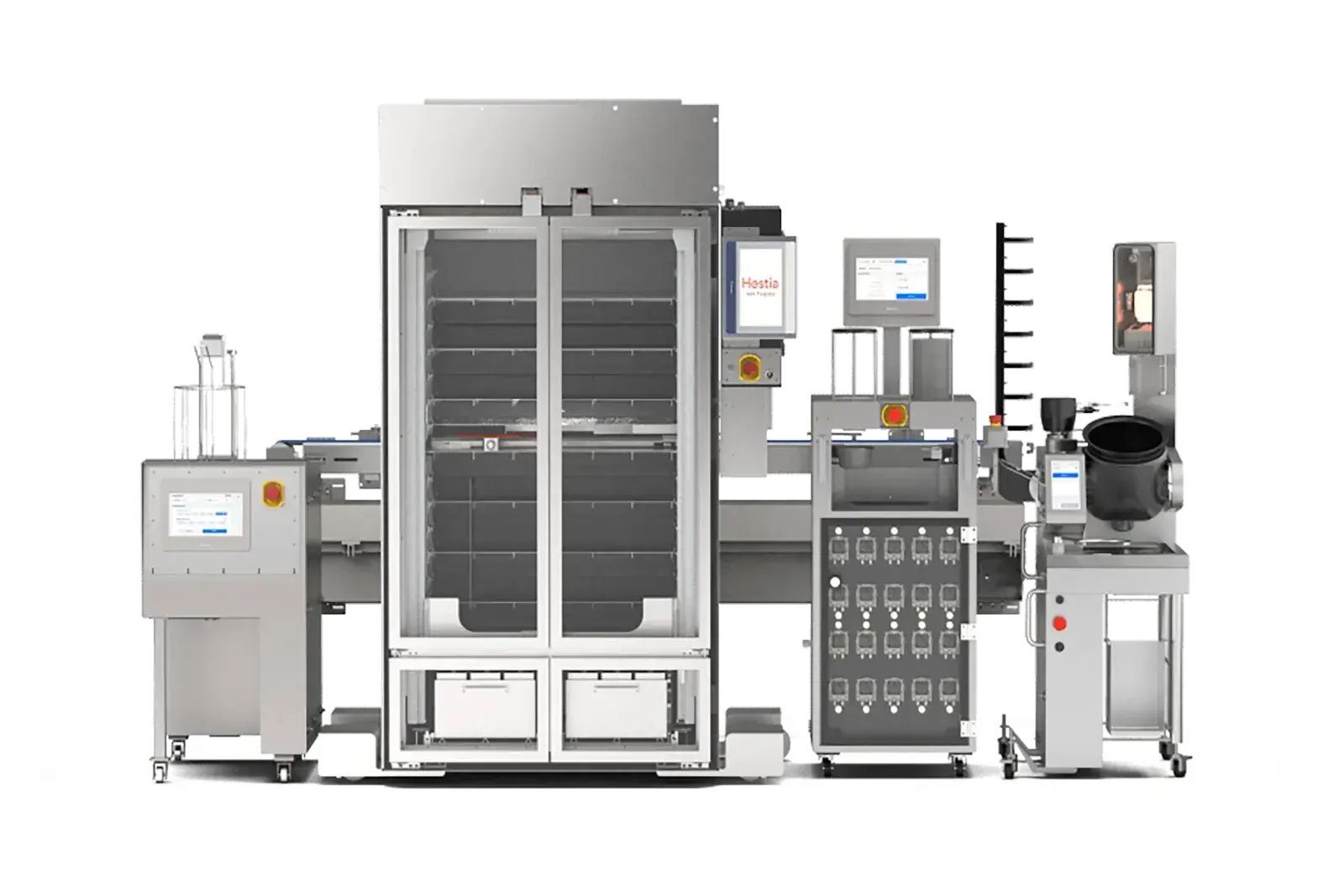
Kitchen technology is expanding from digital tickets to connected equipment and automated production tools. Kitchen display systems can organize orders digitally, route items to the correct station, track preparation progress, and provide order-status information.
The National Restaurant Association’s 2025 Kitchen Innovations coverage highlighted growing use of connected kitchen technology, robotics, multifunction equipment, and automation designed to reduce labor demands and operating costs. Industry experts also pointed to the growing connection between internet-enabled equipment and kitchen operations.
Your kitchen does not need advanced robotics to benefit from this trend. A KDS with digital order routing can create a clearer production flow across dine-in, kiosk, online, and delivery orders.
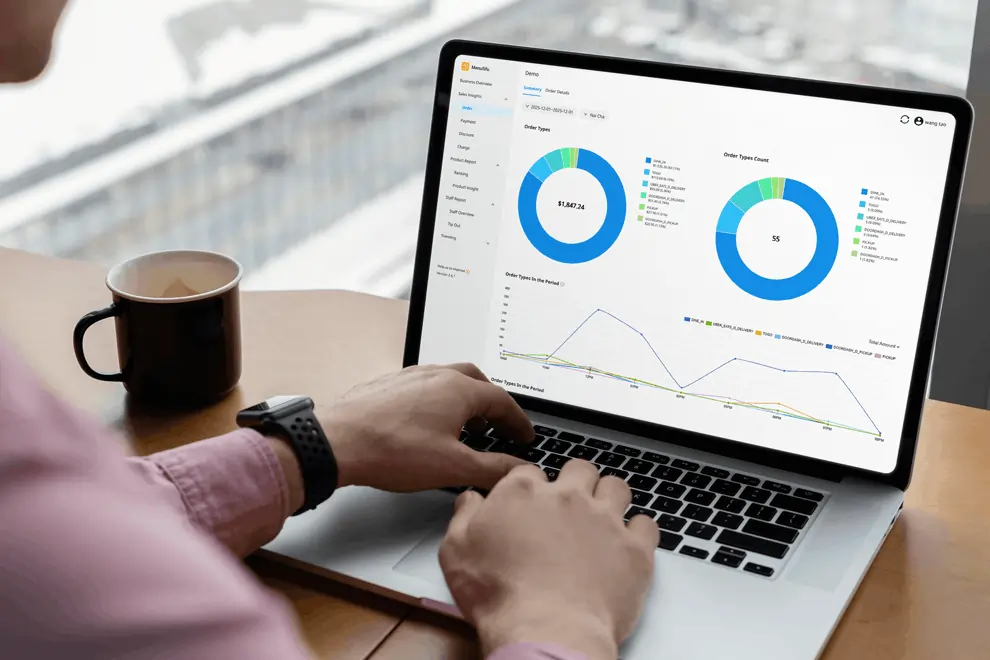
POS transactions, labor systems, digital ordering, inventory software, and loyalty programs generate valuable operational data. Restaurants are placing greater emphasis on using that information for forecasting and management decisions.
The National Restaurant Association’s 2026 State of the Restaurant Industry report specifically identifies data analytics as an area where operators expect technology to improve efficiency. Its workforce research also highlights AI and analytics for scheduling, labor planning, and other workforce decisions.
With centralized reporting, you can compare sales by daypart, review menu performance, track labor against demand, compare locations, and identify changes earlier. Predictive analytics can extend those capabilities by using historical patterns to support future planning.
Inventory technology is moving toward real-time tracking, automated purchasing support, recipe costing, demand forecasting, and closer connections between sales and stock levels.
Deloitte’s 2025 restaurant AI study found that 55% of surveyed executives reported daily AI use in inventory management, while another 25% were testing related applications. Reported uses included forecasting, automated data collection, real-time inventory tracking, and predictive analysis aimed at reducing waste.
Food costs provide another reason to improve inventory visibility. National Restaurant Association data showed that food and non-alcohol beverage costs represented a median 32.4% of sales among limited-service respondents and 32% among full-service respondents in 2024.
Connecting inventory with sales and menu data can help you monitor stock, control costs, update item availability, and plan purchasing more precisely.
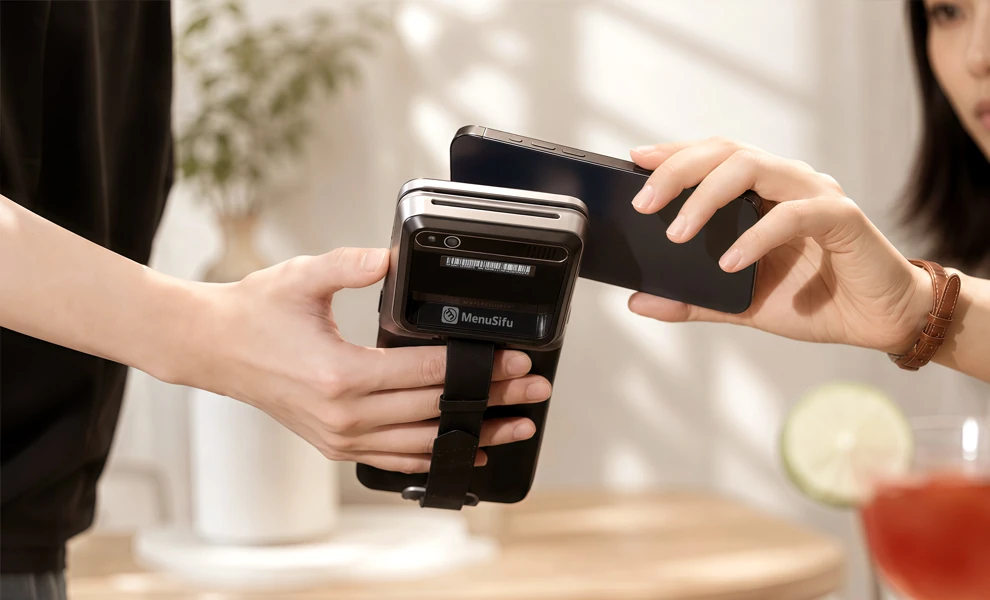
Restaurant payments are moving beyond stationary checkout terminals. Handheld POS devices, tableside payment, contactless cards, QR payments, and mobile wallets allow customers to complete transactions at the table, counter, or other point of service.
The National Restaurant Association reported in late 2025 that contactless and mobile payment capabilities had become standard on most handheld POS devices. Handheld systems can also let servers enter orders and accept payment directly at the table.
Moving ordering and payment onto the same device can shorten the path from order entry to checkout. It also keeps transaction data connected with sales reporting, tips, customer profiles, and loyalty activity when those functions share the same platform.
Restaurant loyalty programs are shifting from broad rewards toward offers based on individual customer behavior. Purchase history, visit frequency, favorite items, ordering channels, and other first-party data can help restaurants create more relevant promotions.
The National Restaurant Association reported in 2025 that restaurants can use connected loyalty, online ordering, reservation, and CRM data to build more complete customer profiles and deliver targeted offers. It also highlighted AI and automation as tools restaurants can use to create personalized promotions and communications based on customer preferences and ordering behavior.
Connecting loyalty data with ordering and customer systems can help you create promotions based on purchase history, visit patterns, and customer preferences. Rather than sending the same offer to every member, you can use first-party data to make loyalty campaigns more relevant to different customer groups.
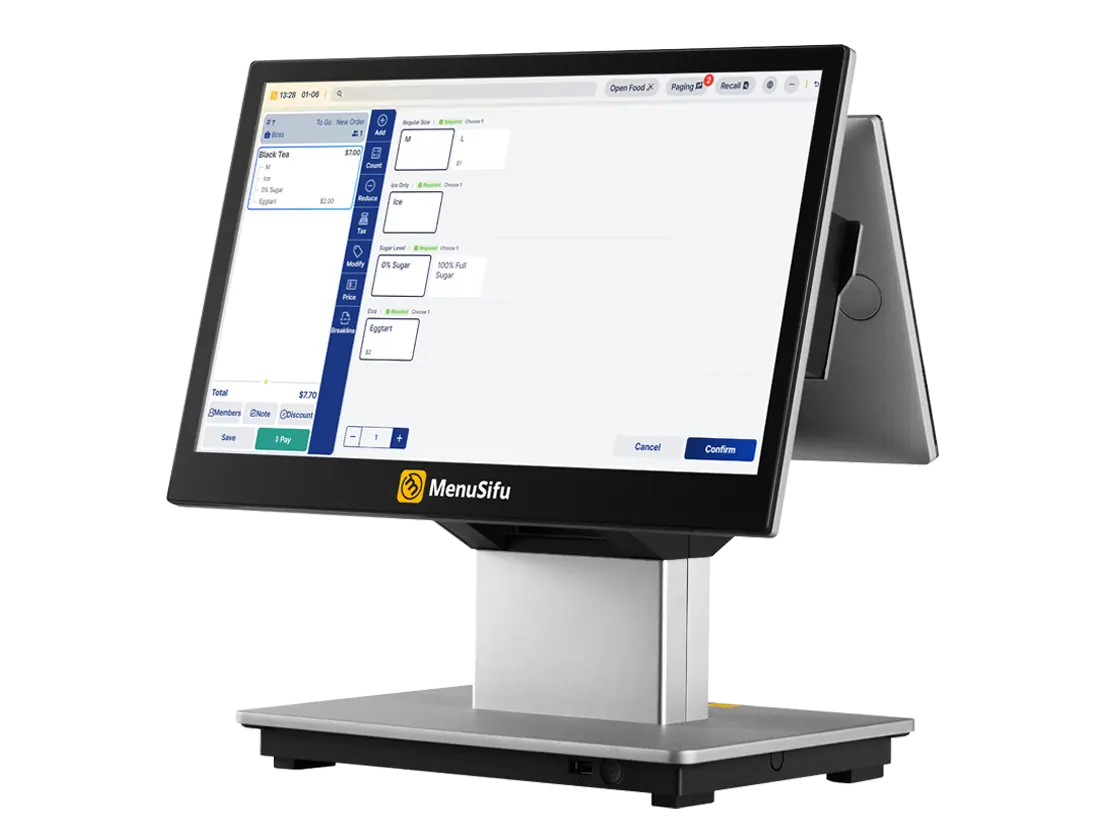
The strongest restaurant technology investments in 2026 will support clearer operations, better data use, and stronger connections between ordering, payments, kitchen workflows, inventory, and customer engagement. Instead of adopting every new tool, focus on the technologies that address your biggest operational priorities and work well with the systems you already rely on.
MenuSifu offers restaurant POS solutions that connect ordering, payments, kitchen management, loyalty, and reporting within one technology ecosystem. If you are exploring ways to modernize your restaurant with more connected technology, Book a Free Demo with MenuSifu to see how its POS solutions can support your operations.
Restaurant technology is changing quickly, and you may have practical questions about which tools deserve attention in 2026. Here are answers to some of the most common questions about current restaurant technology trends.
The latest restaurant technology trends include AI-assisted operations, voice AI ordering, unified ordering channels, self-service kiosks, integrated POS platforms, kitchen automation, predictive analytics, automated inventory management, mobile payments, and personalized loyalty programs. These technologies help restaurants connect ordering, payments, kitchen workflows, customer data, and reporting while improving operational efficiency and service consistency.
Start with the operational problem creating the greatest cost, delay, or workload. That could be order management, labor planning, inventory control, kitchen coordination, payments, or customer retention. Then evaluate technology based on its ability to address that problem, integrate with your existing systems, and produce measurable results such as fewer manual steps, faster service, better cost visibility, or stronger repeat business.
For more restaurant technology insights, practical guides, and industry updates, explore the MenuSifu blog.