September 18, 2026
Explore seven advantages of mobile point of sale (mPOS) systems for restaurants, from faster service and payments to improved mobility and guest experience.
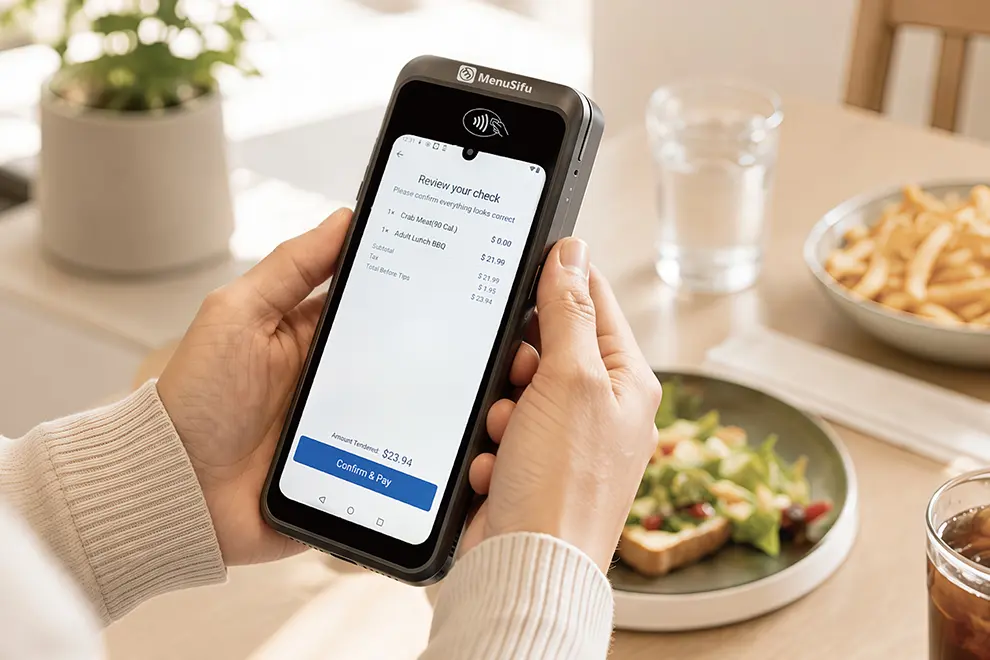
When orders pile up, servers wait for an open terminal, or guests are ready to pay, small delays can quickly disrupt service. mPOS technology gives restaurant teams a more mobile way to take orders and accept payments closer to the guest.
Mobile point of sale systems can help shorten service steps, improve staff mobility, and make checkout more convenient. This guide explains what mPOS is and explores seven key advantages it can bring to day-to-day restaurant operations.
mPOS stands for mobile point of sale. It is a POS system that runs on portable devices such as smartphones, tablets, or dedicated handheld POS terminals. Staff can use these devices to enter orders, send tickets to the kitchen or bar, access menu information, and process supported payments from different areas of the restaurant.
A fixed POS terminal requires employees to complete these tasks from a designated station. An mPOS gives staff access to key POS functions while they move through the dining room, counter area, patio, or other service spaces. This mobility can reduce the steps between taking an order, sending it for preparation, and completing payment.
Restaurants commonly use mPOS for:
An mPOS can function as the primary POS setup or connect with an existing POS system. The appropriate setup depends on your service model, restaurant layout, payment needs, and operational workflow.
Mobile point-of-sale systems give restaurant staff direct access to ordering and payment tools from portable devices. This mobility can shorten service workflows, reduce unnecessary movement, and help teams respond to guests more efficiently.
Here are seven advantages of mobile point-of-sale systems that can improve day-to-day restaurant operations.

An mPOS lets staff enter orders directly at the table, counter, or other service point. Servers can send each order to the kitchen or bar as soon as they confirm it with the guest, so preparation can begin sooner.
This process removes the extra trip to a fixed POS terminal before an order reaches the kitchen. During busy service periods, faster order transmission can help reduce delays and keep the flow of orders more consistent.
Depending on the system, staff can also access menu information and available order functions from the same device. That access helps them complete the ordering process while staying close to the guests they serve.
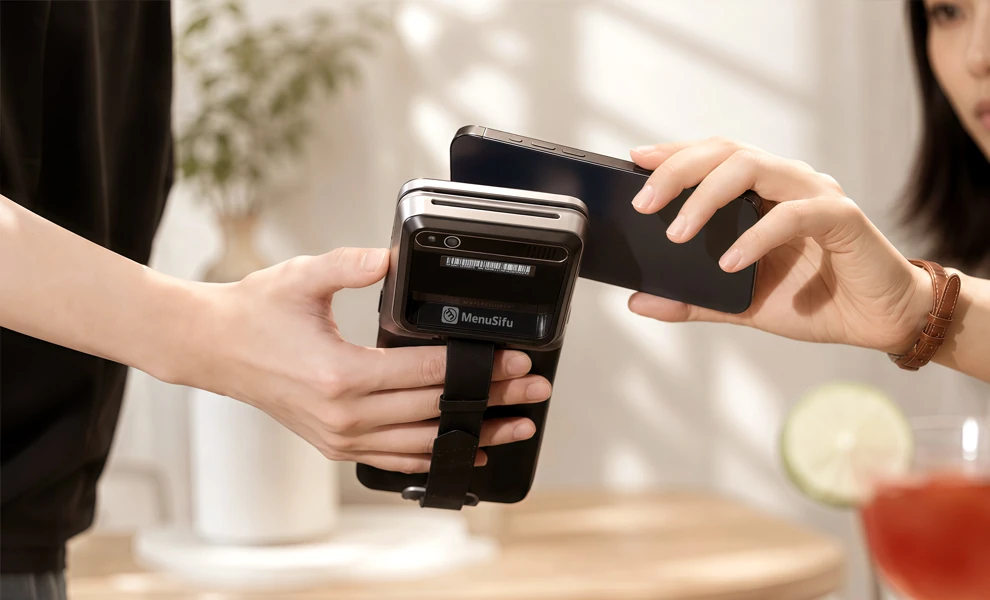
Mobile POS systems allow staff to bring the payment process directly to the table or service area. Guests can review their check and complete payment with less waiting for a server to travel back and forth between the table and a fixed terminal.
Depending on the POS platform and payment processor, an mPOS may support several payment methods, including:
A faster checkout process also helps staff close checks sooner and move on to their next service task. This can become especially useful when several tables request payment around the same time.
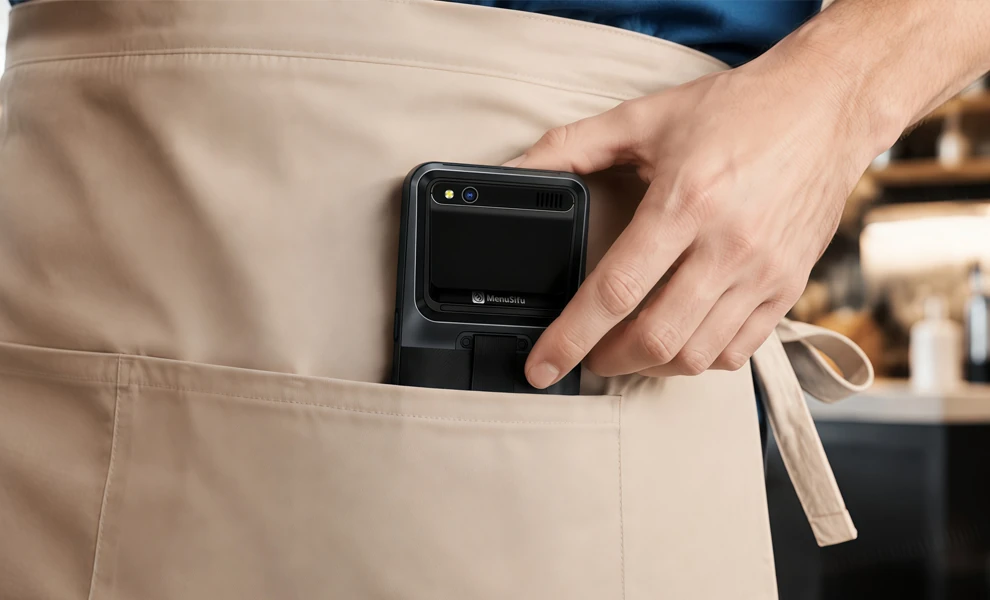
A mobile POS device allows employees to access ordering and payment functions as they move through the restaurant. Staff can serve dining rooms, patios, counters, and other areas without returning to the same workstation for each transaction.
Reducing repeated trips between guests and fixed terminals gives employees more time to manage their assigned sections. Servers can enter orders, respond to requests, and complete payments closer to the point of service.
This mobility can also help managers use staff resources more efficiently during peak periods. Employees gain more freedom to move where service demand is highest while keeping essential POS functions within reach.
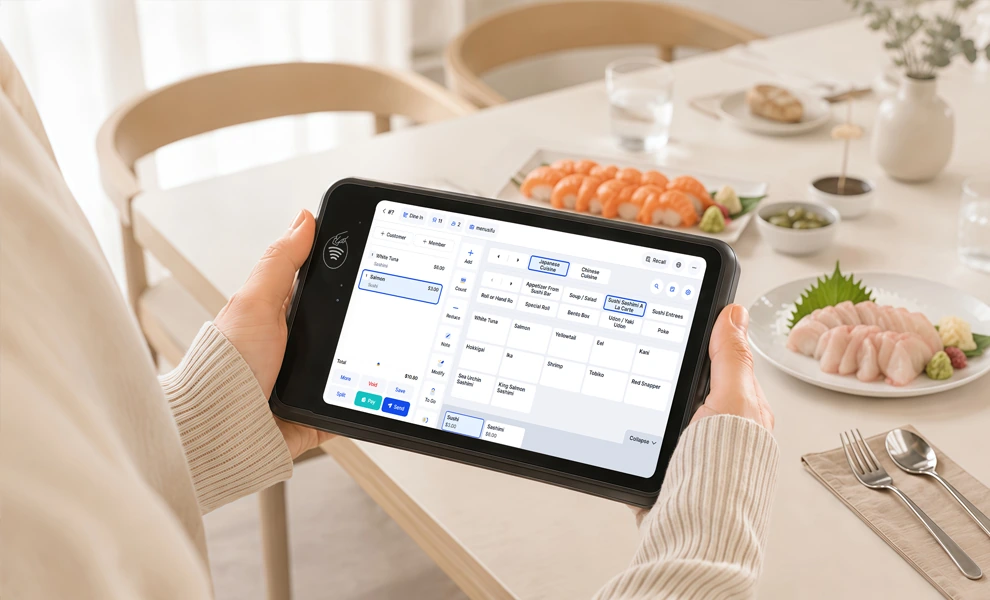
An mPOS allows employees to enter orders while speaking directly with guests. Staff can record menu selections, modifiers, special requests, and other details before sending the order to the kitchen.
This process reduces reliance on handwritten notes and later re-entry at a fixed terminal. Entering information once can lower the risk of skipped items, incorrect selections, or details getting lost between order taking and kitchen submission.
Staff can also review the order on the device before finalizing it. That extra verification can help catch entry errors early and reduce avoidable remakes, delays, and adjustments.
Several small delays can extend the time a table remains occupied, especially when staff need to wait for an available terminal to enter orders or process payments. An mPOS can shorten both stages by allowing employees to complete those tasks directly at the table.
Servers can submit orders as soon as guests are ready and process payment when the meal ends. Guests spend less time waiting for staff to make repeated trips between the dining area and POS station.
During high-volume service periods, saving time across these steps can help tables become available sooner. More efficient turnover can support smoother seating flow and help your restaurant serve more guests during busy hours.
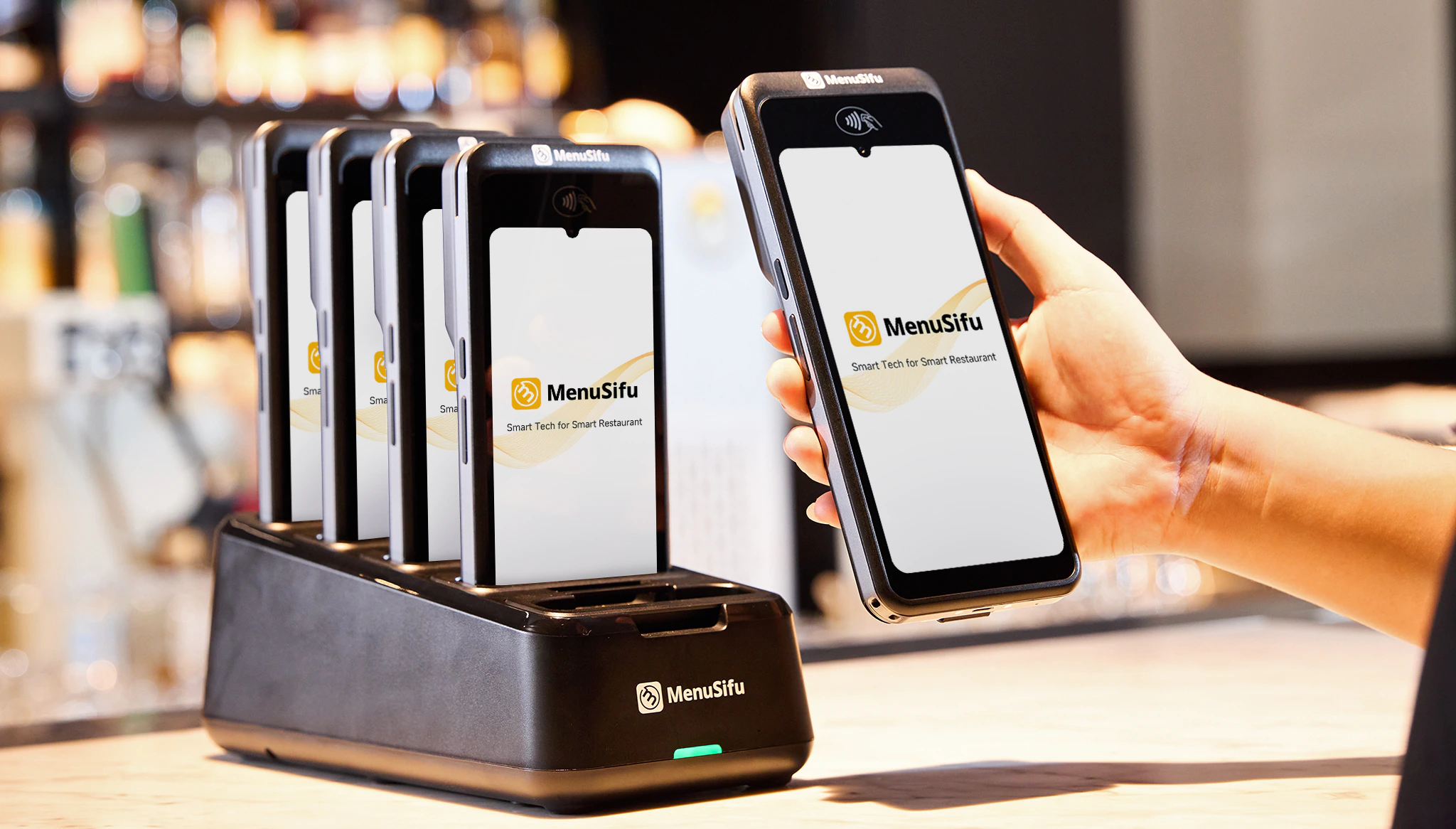
Mobile POS devices allow your staff to provide service across areas where a fixed terminal may be inconvenient or unavailable. Teams can use handheld devices in dining rooms, patios, outdoor seating areas, counters, curbside service points, events, and temporary service spaces.
You can also place additional mobile devices into service when demand increases. This gives your restaurant extra ordering or payment capacity during peak shifts, seasonal periods, special events, or other high-volume occasions.
Because employees carry the POS functions with them, service does not need to center around a single checkout area. Your team gains more options for organizing service according to the layout and operating style of the restaurant.
The operational advantages of mPOS also affect the guest experience. Faster order entry, shorter payment waits, and more accessible staff can create a smoother service process from ordering through checkout.
Employees can spend more time near their assigned tables because they make fewer trips to fixed terminals. That gives them more opportunities to answer requests, confirm order details, check on tables, and assist guests during the meal.
Convenient tableside ordering and payment can also give guests greater control over the pace of service. When staff can complete key tasks where the interaction takes place, the overall dining experience becomes more efficient and responsive.
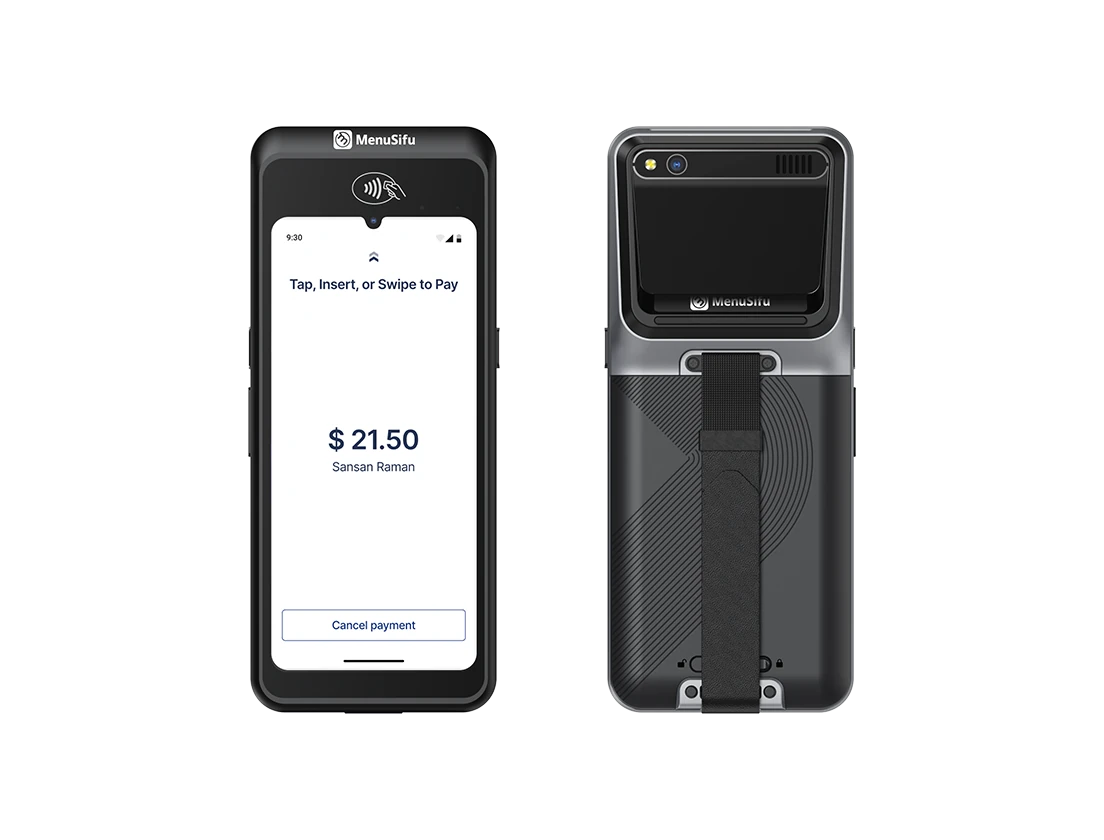
An mPOS can help shorten ordering and payment steps, improve staff mobility, and keep service moving across different areas of your restaurant. By giving employees access to key POS functions from a portable device, you can create a more efficient workflow from order entry through checkout.
If mobile service could improve these parts of your operation, the next step is to look for a handheld POS that supports the tasks your team handles throughout each shift.
MenuSifu’s Handheld POS System supports tableside ordering, kitchen communication, check splitting, multiple payment methods, and other daily service tasks from one portable device. Book a Free Demo with us to see how a handheld POS system can support your restaurant operations.
Have a few practical questions about mPOS? The FAQs below cover key differences, setup options, restaurant use cases, and pricing considerations to help you evaluate mobile POS systems more clearly.
An mPOS is a type of POS system designed to work on portable devices such as tablets, smartphones, or handheld POS devices. Conventional restaurant POS setups often rely on fixed terminals, while mPOS gives staff more mobility by allowing them to take orders and process payments closer to guests.
Yes. An mPOS can serve as a restaurant’s primary POS system if it supports the core functions the operation needs, such as order entry, payment processing, menu management, and reporting. Some restaurants use mobile POS devices as their main setup, while others combine them with fixed terminals for added flexibility.
Full-service restaurants, quick-service restaurants, fast-casual concepts, cafés, bars, food trucks, and restaurants with patio or outdoor seating can benefit from mPOS. Mobile POS systems are especially useful when staff need to take orders or process payments away from a fixed terminal, helping improve service speed, mobility, and efficiency.
The price of an mPOS device varies by provider, hardware type, and setup. Total costs may include the handheld device or card reader, POS software, payment processing fees, accessories, and related services.
MenuSifu offers pricing based on your selected restaurant technology setup, with bundled options available for different operational needs.
For more restaurant technology insights, practical guides, and industry updates, visit the MenuSifu blog.