October 9, 2026
Slow table turnover can mean long waits and missed sales. Learn what restaurant table turnover is and six ways to improve efficiency while keeping guests happy.
When tables stay occupied and guests are waiting, your restaurant could be missing valuable sales opportunities. Slow restaurant table turnover can lead to longer wait times and fewer customers served, especially during peak hours. Even small delays in taking orders, processing payments, or resetting tables can add up.
So, what is table turnover, and how can you improve table turnover without rushing guests? This guide covers six practical strategies to improve seating efficiency, streamline service, and keep customers satisfied.
Restaurant table turnover refers to how many times a table serves different groups of customers within a specific period, such as lunch or dinner. Each time a new party occupies the same table, it counts as another table turn.
For example, if a table serves one group at 6 p.m. and another at 7:30 p.m., it completes two table turns that evening. After each group leaves, your staff clears, cleans, and resets the table to prepare it for the next guests.
Table turnover differs from table turn time. Table turnover measures how many parties a table serves, while table turn time measures how long it takes from seating one party until the table is ready for the next.
Efficient table turnover can help you get more value from your existing dining space. Here's how it can benefit your restaurant's daily operations and overall performance.
Increases Revenue Potential. Each table that becomes available for another party creates an opportunity to generate additional sales. When customer demand is high, serving more groups with the same number of tables can increase revenue without expanding your dining space.
Reduces Customer Wait Times. Consistent table turnover allows you to seat waiting guests sooner. Shorter queues can improve the customer experience and reduce the likelihood of potential customers leaving before being seated, particularly during busy lunch and dinner periods.
Improves Operational Efficiency. Efficient table turnover helps you use dining space, staff time, and available resources more effectively. When seating, guest service, and table preparation stay coordinated, your team can manage customer traffic more consistently and maintain a smoother dining experience throughout the day.
Improving restaurant table turnover starts with reducing delays that keep tables occupied or unavailable longer than necessary. From seating arrangements to staff coordination, these six strategies can help you serve more guests efficiently while maintaining a positive dining experience.
Your table layout affects how efficiently you can accommodate different group sizes. Review your typical party sizes and arrange tables accordingly to avoid leaving seats unused. For example, movable two-person tables can accommodate couples and be combined when larger groups arrive, giving you more flexibility during busy hours.
Keep walkways clear and allow enough space between tables so guests and staff can move comfortably. A well-planned dining room layout makes better use of your available space while supporting efficient service and guest comfort.
Poorly coordinated reservations can leave tables empty between bookings or create long queues when too many guests arrive at once. Stagger reservations based on expected dining times, party sizes, and your restaurant's seating capacity. A restaurant reservation system can help you organize these bookings and avoid overbooking that may increase delays.
For walk-ins, keep track of upcoming reservations and current table availability before assigning seats. A restaurant waitlist system can help your host team manage waiting parties and coordinate seating as tables become available.
Delays in taking orders, preparing meals, and delivering food can extend dining times and slow table turnover. Encourage servers to attend to guests promptly and establish clear communication with kitchen staff to prevent missed orders or unnecessary waiting.
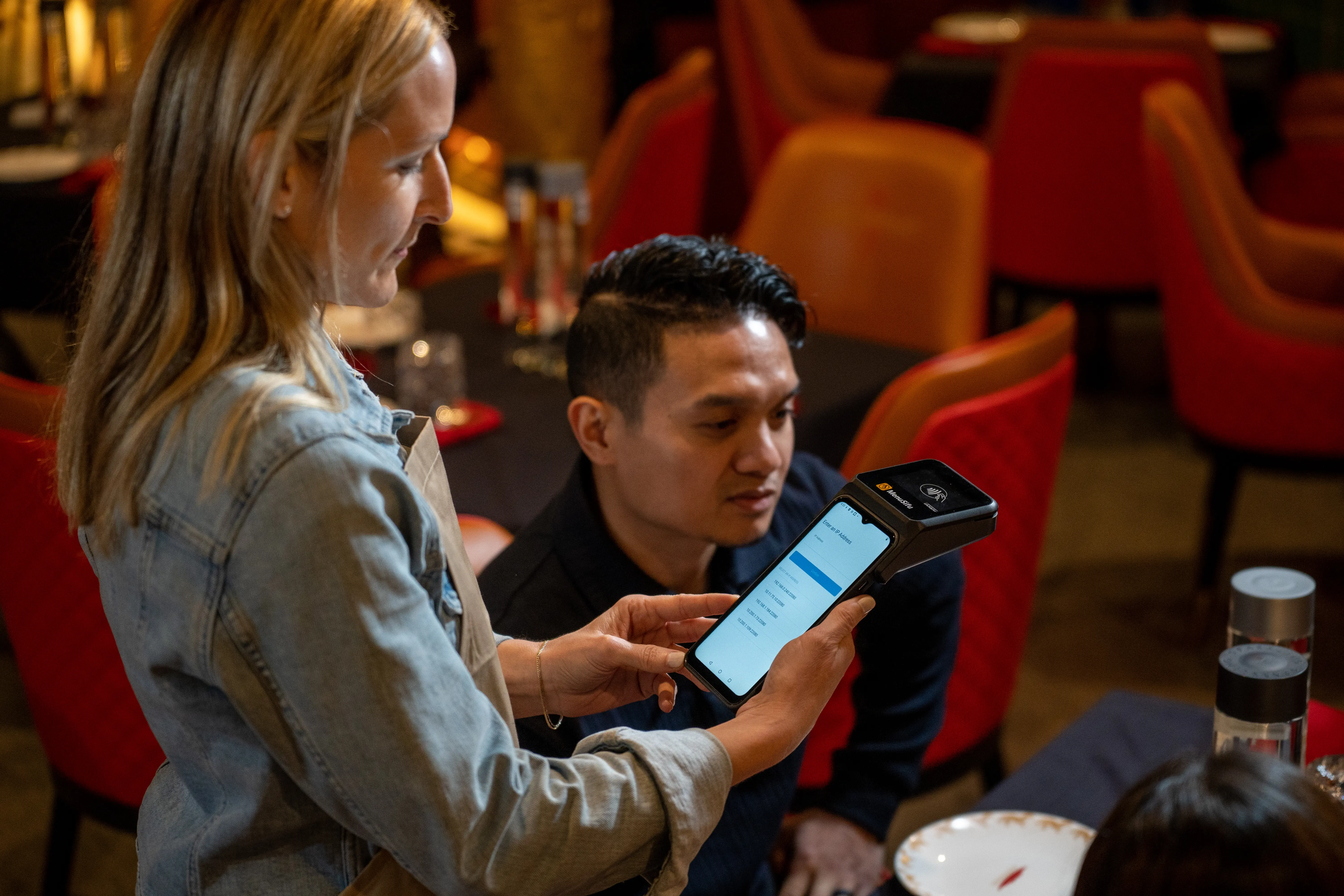
Consider using a restaurant POS system that sends orders directly to the kitchen to improve order accuracy and reduce communication delays. You can also review food preparation workflows to identify bottlenecks, especially during peak hours, and help your team deliver meals more consistently.
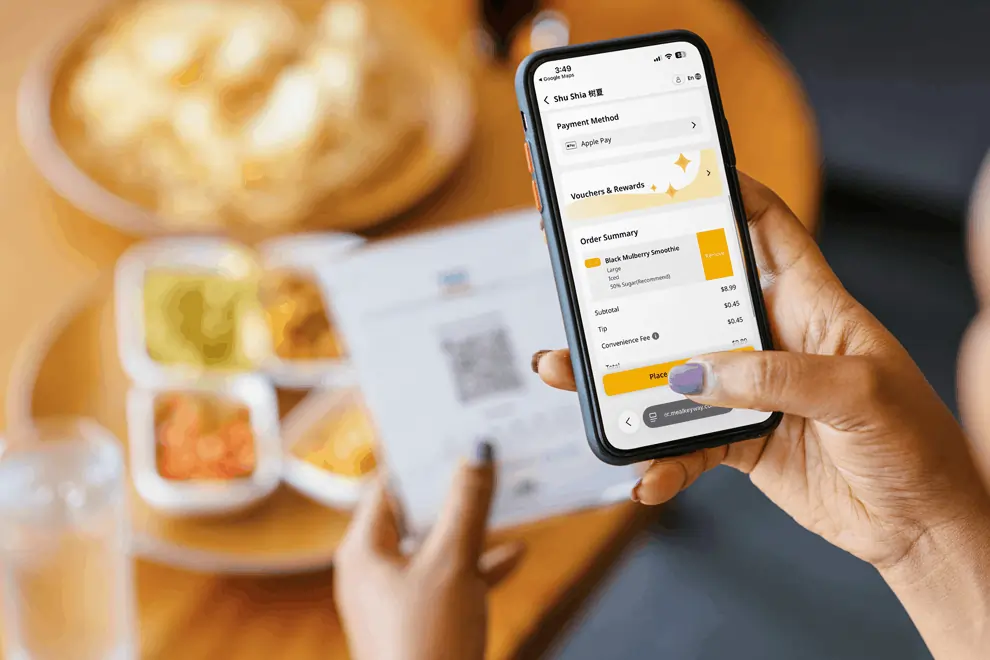
Customers may finish their meals but remain seated while waiting to receive their checks or complete payment. Encourage servers to respond promptly when guests request their bills and provide convenient payment options, such as contactless cards, mobile wallets, and QR-code payments.
Tableside payment solutions can also help customers settle their bills without waiting for staff to return with a payment terminal. A smoother checkout process allows guests to leave at their preferred pace while helping your team prepare for the next seating sooner.
Empty tables cannot accommodate new guests until staff have cleaned and prepared them. Establish a consistent table-resetting process that includes removing used dishes, sanitizing surfaces, and replacing table settings promptly after customers leave.
Keep cleaning materials, utensils, and table-setting supplies easily accessible to reduce preparation time. Assign responsibility for each table section and ensure hosts receive timely updates when tables become available. These practices help minimize unnecessary gaps between seatings while maintaining cleanliness.
Well-trained employees can anticipate guest needs, communicate effectively, and handle busy periods with greater consistency. Conduct regular training sessions to reinforce service standards, clarify responsibilities, and help employees respond promptly to customer requests without interrupting their dining experience.
Use brief pre-shift meetings to review expected customer traffic, staffing assignments, and any special reservations. Encourage clear communication between hosts, servers, and support staff, and provide constructive feedback to address recurring coordination issues. Consistent training helps your team maintain smooth operations and deliver reliable customer service.
Improving table turnover should never come at the expense of customer satisfaction. Focus on reducing unnecessary delays while giving guests enough time to enjoy their dining experience. Here are four ways to maintain that balance:
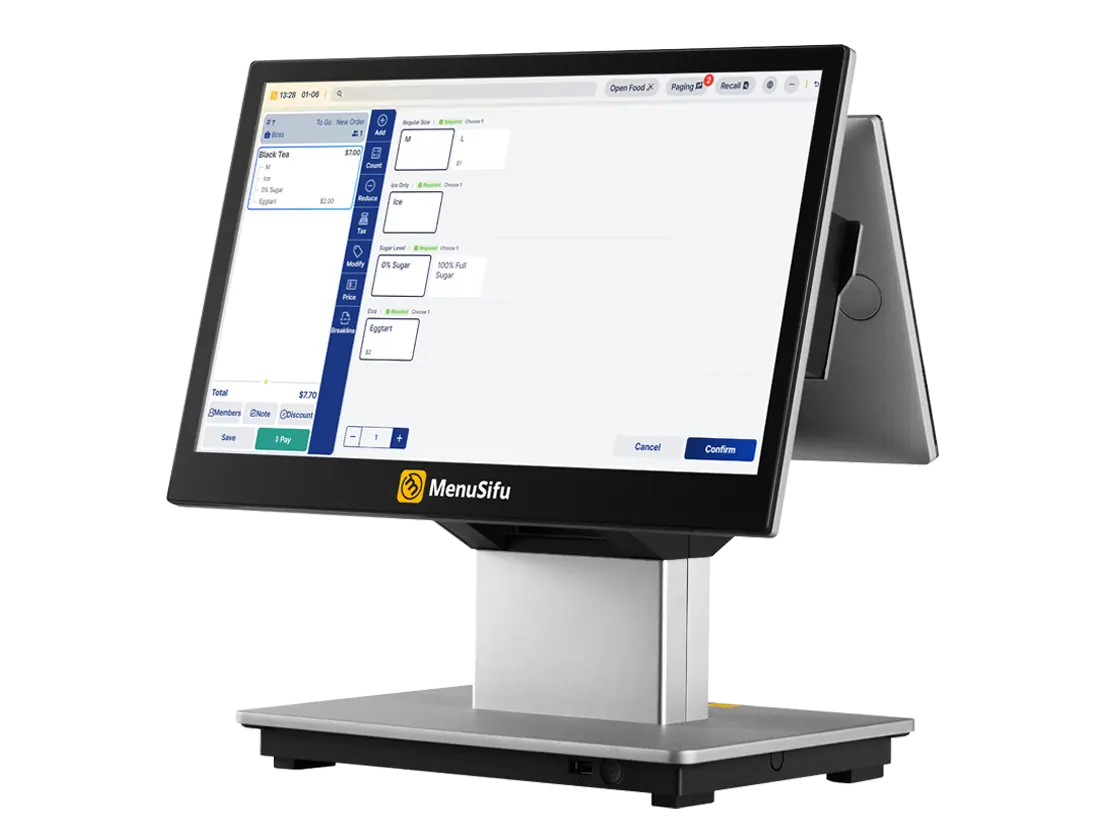
Efficient table turnover helps you make better use of your existing seating capacity while maintaining a positive dining experience. By improving daily workflows, you can accommodate more customers and create additional sales opportunities when demand is high.
Having the right technology can also help your team manage daily operations more efficiently. A restaurant POS system can support these improvements by reducing manual tasks and helping staff maintain a smoother service flow. Book a Free Demo with MenuSifu to explore how our restaurant POS solutions can streamline table management, ordering, kitchen coordination, and payments to support better table turnover.
Have more questions about restaurant table turnover? Here are answers to frequently asked questions to help you improve seating efficiency and manage table availability.
A good restaurant table turnover rate depends on your service style and dining experience. As a general benchmark, casual dining restaurants may achieve 2 to 3 table turns per meal period, while fine dining establishments typically have fewer turns, often around 1 to 1.5. Actual rates vary based on your restaurant's operations and customer demand. The goal is to make efficient use of available tables while giving guests enough time to enjoy their meals.
Three turns in a restaurant mean that the same table serves three different groups of customers within a specific period, such as a lunch or dinner shift. For example, if three separate parties dine at the same table throughout the evening, that table completes three turns.
Yes. You can improve table turnover by streamlining daily workflows, strengthening staff coordination, and reducing unnecessary service delays. Restaurant POS systems can also speed up order processing and payments, helping your existing team serve guests more efficiently without increasing staffing levels.
No. Restaurant table turnover measures how often different groups of dine-in customers use the same table within a specific period. Takeout and delivery orders do not count toward table turnover because they do not occupy dining tables. However, these orders still contribute to your restaurant's overall sales.
Want more practical tips to improve restaurant efficiency and customer service? Visit the MenuSifu blog for restaurant management guides, technology insights, and industry updates to help you make informed business decisions.