June 1, 2026

How to Franchise a Quick Service Restaurant in the US

Learn how to franchise a quick service restaurant and prepare your QSR concept with clear systems, legal documents, franchisee training, and scalable POS tech.

You built a quick service restaurant that works. Customers return, your team knows the flow, and the brand has room to grow. Now you may be thinking about how to franchise a quick service restaurant and turn your existing concept into a system other operators can follow. But growth through franchising takes more than a popular menu or a busy location.

Franchising requires a clear model, protected brand assets, legal documents, training systems, and technology that can support more than one location. This guide walks you through the key steps to prepare your QSR for franchise growth in the US.

How to Franchise a Quick Service Restaurant

Franchising starts with proving that your restaurant can perform well beyond its original location. Each step below helps you move from a successful restaurant concept to a franchise-ready business.

1. Evaluate Your Existing Restaurant Concept

Start by reviewing how your restaurant performs today. Look at sales trends, profit margins, food costs, labor costs, customer demand, service speed, menu performance, and daily operating procedures.

A strong franchise concept should be easy to explain, easy to train, and realistic for another operator to run successfully. If your restaurant depends heavily on your daily involvement, strengthen the systems before you offer franchise opportunities.

Review these areas first:

  • Average monthly sales
  • Profit margins
  • Food and labor costs
  • Customer demand
  • Menu performance
  • Order speed
  • Staff productivity
  • Supplier reliability
  • Daily operating routines
  • Customer feedback

This step helps you see what works, what needs improvement, and what future franchisees would need to follow. The goal is to confirm that your restaurant can succeed beyond the original location with clear standards and repeatable processes.

2. Build a Repeatable Business Model

After you review your current concept, turn it into a franchise model your franchisees can follow. Define how a location should look, operate, earn revenue, and serve guests.

Start with the store format. Identify the ideal square footage, kitchen layout, equipment, seating plan, ordering channels, signage, and service style. For a quick service restaurant, this may include dine-in, takeout, online ordering, delivery, kiosks, or drive-thru service.

Next, define the operating model. Franchisees need clear guidance on staffing levels, prep routines, menu setup, vendor requirements, opening costs, and daily sales targets.

Your business model should include:

  • Ideal store size and layout
  • Required equipment
  • Staffing plan
  • Menu structure
  • Prep process
  • Service flow
  • Vendor standards
  • Opening budget
  • Daily operating targets
  • Profitability benchmarks

A repeatable business model gives franchisees a clear path to follow. It also helps your brand maintain consistency as new locations open.

3. Standardize Your Operations

Franchisees need written procedures. Document how your restaurant runs from opening to closing so each location can follow the same process.

Start with the daily workflow. Include opening tasks, food prep, portioning, inventory checks, cleaning duties, customer service steps, cash handling, shift changes, and closing procedures. Keep each process clear enough for managers and staff to follow during busy service periods.

Your operations manual should cover:

  • Opening and closing procedures
  • Recipe cards
  • Prep guides
  • Portion control
  • Food safety standards
  • Inventory counts
  • Supplier ordering
  • Staff roles
  • Cleaning schedules
  • Customer service standards
  • Cash handling
  • Daily sales reports
  • Issue escalation steps

Standardized operations help franchisees train staff, control costs, and deliver a consistent guest experience. They also give your support team a clear way to review location performance and spot gaps early.

4. Protect Your Brand Assets

Before you sell franchise opportunities, protect the brand elements that make your restaurant recognizable. These may include your restaurant name, logo, slogan, menu names, packaging, signage, website, and visual identity.

Brand protection gives your franchise system a stronger foundation. It also helps franchisees maintain a consistent identity across locations.

Work with qualified legal counsel to review trademarks and other intellectual property. You may also need clear brand standards that explain how each location should use your logo, colors, menu design, uniforms, packaging, photography, and local marketing materials.

Create brand guidelines that cover:

  • Logo usage
  • Brand colors and fonts
  • Store design
  • Signage
  • Packaging
  • Uniforms
  • Menu layout
  • Photography style
  • Social media rules
  • Local marketing standards

A protected and well-documented brand helps every location feel connected to the same restaurant concept.

5. Prepare Your Franchise Legal Documents

Franchising in the US requires legal preparation before you offer or sell franchise opportunities. The Franchise Disclosure Document, often called the FDD, gives prospective franchisees information about the franchise opportunity, fees, obligations, leadership, litigation history, financial performance representations, and other required details. The FTC states that franchisors must provide a disclosure document with 23 specific items of information about the franchise, its officers, and other franchisees.

You will also need a franchise agreement. This contract explains the rights and responsibilities of the franchisor and franchisee, including fees, operating standards, territory rules, renewal terms, transfer rules, default provisions, and termination terms.

The FTC also states that prospective franchisees must receive the FDD at least 14 days before signing a contract or paying money to the franchisor or one of its affiliates. Some states may require registration or filing before you offer or sell franchises, so work with an experienced franchise attorney before you move forward.

Legal documents shape how your franchise system operates, so include this step early in your growth plan.

6. Define Franchise Fees and Financial Requirements

Next, decide how franchisees will pay to join and operate under your brand. Your fee structure should support your growth while giving franchisees a realistic path to profitability.

Common franchise costs may include:

  • Initial franchise fee
  • Royalty fees
  • Marketing or brand fund contributions
  • Technology fees
  • Training fees
  • Equipment costs
  • Buildout costs
  • Opening inventory
  • Insurance
  • Local marketing budget
  • Working capital

Set fees based on the value, support, systems, and brand access you provide. Avoid copying another restaurant’s fee structure without reviewing your own costs and growth plan.

You should also define the estimated initial investment to open a location. This helps franchise candidates understand the financial commitment and helps your team screen qualified operators.

A strong financial structure should answer three points clearly:

  • What franchisees pay upfront
  • What franchisees pay on an ongoing basis
  • What capital they need to open and operate the restaurant

Clear financial requirements help both sides enter the relationship with aligned expectations.

7. Create Franchisee Training Programs

Franchisees need structured training before they open. A strong program teaches them how to run the restaurant, lead staff, use the POS system, manage inventory, serve guests, and follow brand standards.

Start with pre-opening training. This may include classroom sessions, hands-on restaurant training, menu execution, food safety, vendor ordering, hiring, scheduling, and local marketing.

Then plan post-opening support. New franchisees often need help during the first few weeks of operation as they train staff, manage service flow, and review early performance data.

Training should cover:

  • Brand standards
  • Food preparation
  • Service procedures
  • Hiring and onboarding
  • Scheduling
  • Inventory management
  • Cost controls
  • POS system use
  • Online ordering procedures
  • Guest issue handling
  • Daily reporting
  • Local store marketing

A clear training program helps franchisees get off to a stronger start and reduces inconsistent execution across locations.

8. Choose Scalable Restaurant Technology

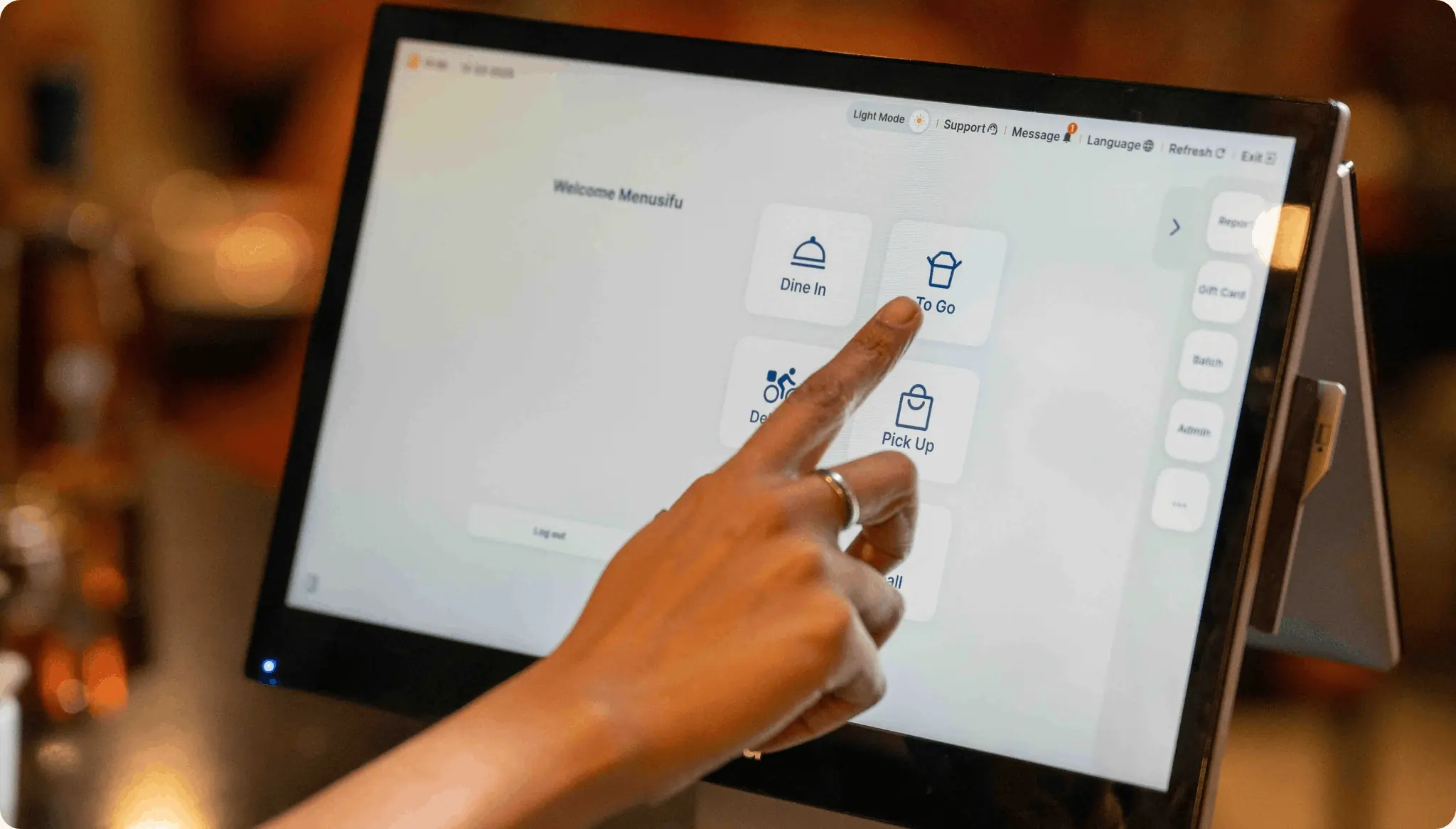
A franchise system needs technology that can support multiple locations, operators, menus, payments, and reports. Your POS system should help you manage the brand from a central view while giving each location the tools to serve guests efficiently.

A franchise-ready restaurant technology setup may include:

  • Multi-location POS
  • Centralized menu management
  • Integrated payments
  • Online ordering
  • Delivery integrations
  • Loyalty programs
  • Customer profiles
  • Inventory tracking
  • Labor reporting
  • Sales analytics
  • Role-based permissions
  • Franchise-level reporting

For QSR brands, speed, order accuracy, and consistency affect the guest experience. A scalable POS system helps franchisees process orders, manage menus, track sales, and review daily performance.

This is also the right time to review your current tech stack. If your current POS cannot support multi-location reporting, menu controls, franchise visibility, or integrated ordering, upgrade before the first franchise opening.

9. Recruit Qualified Franchisees

Your first franchisees can influence the direction of your brand’s growth. Choose candidates carefully and look beyond available capital.

A qualified franchisee should have the financial resources to open and operate the restaurant, but money alone does not make a strong operator. Look for leadership ability, discipline, local market knowledge, and a willingness to follow your system.

Create clear franchisee selection criteria before you begin franchise sales. This helps your team evaluate candidates consistently.

Consider these factors:

  • Financial capacity
  • Management experience
  • Local market knowledge
  • Leadership skills
  • Ability to follow systems
  • Brand fit
  • Communication style
  • Operational involvement
  • Long-term growth interest

The right franchisees protect your brand, lead strong teams, and follow the standards that made your concept work in the first place.

10. Launch Your First Franchise Locations Carefully

Start with controlled growth. Your first franchise locations will test your training, operations, support, supply chain, legal structure, and technology.

Choose early markets with care. Review customer demand, real estate, labor availability, supply chain access, delivery coverage, and your team’s ability to support the location.

Before opening, prepare a detailed launch plan that includes:

  • Site selection support
  • Vendor setup
  • POS configuration
  • Staff training
  • Menu setup
  • Inventory planning
  • Soft opening schedule
  • Grand opening support
  • Daily reporting
  • Post-opening review

After launch, track performance closely. Review sales, ticket size, labor costs, food costs, order times, customer feedback, refunds, discounts, and menu performance.

Use the first locations to improve your franchise system before adding more units. Careful early growth helps you build a stronger foundation and gives future franchisees a clearer model to follow.

Once you complete the planning steps above, use this checklist to review the systems your restaurant needs before franchise sales begin.

Franchise-Ready QSR Checklist

Before you begin franchise sales, make sure these pieces are in place:

Build a Franchise System That Can Grow With Your Brand

Franchising a quick service restaurant takes clear systems, consistent operations, strong training, and technology that supports every location. Before you offer franchise opportunities, make sure your recipes, brand standards, legal documents, fees, franchisee criteria, and daily workflows can be replicated across stores.

Your POS system should support that growth from the start. A quick service restaurant POS system can help you manage orders, menus, payments, reporting, and guest-facing experiences across multiple locations while maintaining operational consistency.

MenuSifu helps QSR brands support high-volume operations with tools such as self-ordering kiosks, online ordering, delivery app integrations, AI phone ordering, Kitchen Display Systems, Menu Screens, Order Status Screens, Promo Screens, and multi-location reporting.

As you prepare your restaurant concept for franchise growth, the right technology can help franchisees follow the same standards from day one. Book a Free Demo with MenuSifu today to see how our quick service restaurant POS system can support your expansion plans.

Frequently Asked Questions About How to Franchise a Quick Service Restaurant

Here are quick answers to common topics that come up before turning a QSR concept into a franchise system.

How Much Does It Cost to Franchise a Quick Service Restaurant?

Costs often range from tens of thousands of dollars to well over $100,000, depending on legal work, operations documentation, training development, brand standards, technology upgrades, and franchise sales support. Costs can rise further if you need menu testing, store design work, POS upgrades, or a stronger corporate support team before selling franchises.

Do I Need a Franchise Disclosure Document?

Yes. If you plan to sell franchises in the US, you generally need a Franchise Disclosure Document before signing agreements or accepting payment from prospective franchisees. The FTC requires franchisors to provide an FDD with 23 specific disclosure items, and buyers must receive it at least 14 days before they sign or pay. Work with a franchise attorney to prepare the document and meet state filing rules. 

How Long Does It Take to Franchise a QSR?

Franchising a QSR usually takes 3 to 6 months to prepare the legal documents, operations manual, training systems, brand standards, and franchise sales process. Opening the first franchised location can take another 6 to 12 months, depending on site selection, buildout, hiring, permits, and training.

Can I Franchise a Single Restaurant Location?

Yes. You can franchise a single restaurant location if the concept has proven demand, strong financial performance, clear operating standards, and a brand that can grow in new markets. Before selling franchise opportunities, document your processes, protect your brand assets, prepare legal documents, and build training and support systems. 

What Systems Should I Set Up Before Franchising?

Set up systems that help franchisees follow the same standards at every location. Start with an operations manual, recipe guides, training program, supplier process, brand standards, franchise legal documents, and support procedures. Add scalable restaurant POS technology with menu control, payments, online ordering, loyalty, inventory, and multi-location reporting so you can track performance as the brand grows. 

Why Does POS Technology Play a Role in QSR Franchising?

POS technology helps QSR franchisors keep operations consistent across locations. A scalable POS system can manage menus, payments, online ordering, loyalty, customer data, and reporting in one place, so your brand can track performance and support franchisees as the business grows. 

For more restaurant growth tips, POS insights, and QSR technology updates, visit the MenuSifu blog.

Related Articles:

DISCLAIMER: This article is for general informational purposes only and does not provide legal, financial, or franchise advice. Franchise requirements can vary by state and business structure, so consult a qualified franchise attorney, accountant, or advisor before offering or selling franchise opportunities. 

想把餐厅越开越好?
免费订阅,持续获取行业报告、经营洞察与实用工具。