September 18, 2026
Use this step-by-step guide to write a quick service restaurant business plan that covers your concept, market, menu, operations, costs, and funding needs.

Opening a quick service restaurant is exciting, but the planning stage brings many decisions at once. You need to shape your concept, price your menu, choose a location, estimate costs, plan staffing, and prepare funding details before launch.
A QSR business plan helps you organize those decisions into a clear action plan. With a strong quick service restaurant business plan, you can map out how your restaurant will operate, earn revenue, and grow with more confidence.
Use this guide to build each section step by step, from your restaurant concept to financial projections and launch planning.
Start your business plan with a clear concept. This section sets the direction for your menu, location, operations, branding, staffing, and customer experience.
Decide what type of QSR you want to open. Your concept may focus on fast food, fast casual dining, takeaway, drive-thru service, kiosk ordering, delivery, or a mix of these formats. Each model affects how customers order, how your team prepares food, and what kind of technology you need.
Next, choose your cuisine or menu category. You may focus on burgers, chicken, pizza, rice bowls, sandwiches, salads, coffee, desserts, or another food category. Keep the concept focused enough that customers can quickly understand what you offer.
Your service model also needs clear direction. Will customers order at the counter, use self-service kiosks, place orders online, pick up meals, or use the drive-thru? These choices affect store layout, staffing, equipment, and order flow.
You should also define your brand positioning. Decide how you want customers to describe your restaurant. Your brand may focus on speed, value, freshness, convenience, premium ingredients, family meals, or lunch orders.
Add a short mission statement to tie everything together. Keep it clear and practical. It should explain what your restaurant serves, who it serves, and what kind of customer experience you want to deliver.
Use these questions to guide this section:
By the end of this step, your QSR concept should be clear enough to guide the rest of the plan.
The executive summary gives readers a quick view of your business. It appears near the beginning of your plan, but you may find it easier to write after you finish the other sections.
Keep it short and focused. This section should highlight the key points of your QSR business plan rather than explain every detail.
Include the key details readers need first, such as your concept, target market, planned location, funding needs, financial outlook, and growth plans. If you plan to ask for financing, state how much money you need and how you plan to use it.
Your executive summary can include:
Think of this section as the first impression of your business plan. After reading it, a lender, investor, landlord, or partner should quickly understand what you want to build and why the business has room to succeed.
Before you choose a location, set prices, or finalize your menu, you need to know who you want to serve. Your target market section explains who your customers are and why they would choose your restaurant.
Start with your ideal customer profile. Look at age range, income level, work habits, lifestyle, dining preferences, and ordering behavior. A lunch-focused QSR near office buildings may attract working professionals. A drive-thru location near residential areas may attract families, commuters, and repeat local customers.
Next, review local demographics. Look at population size, nearby offices, schools, apartments, shopping centers, gyms, and transit stops. These details help you connect your restaurant concept with real demand in the area.
You should also study dining habits. Some customers want low prices and quick meals. Others care more about fresh ingredients, convenient ordering, generous portions, or reliable delivery.
This section should cover:
A strong QSR business plan should clearly show who your customers are, what they need, and why your restaurant fits their routine.
Competitor research helps you position your restaurant more effectively. It shows what other businesses offer, where they perform well, and where you can stand out.
List restaurants that serve similar customers or similar food. Direct competitors may include fast-food chains, fast-casual restaurants, takeaway spots, drive-thru restaurants, and delivery-focused brands.
You should also review indirect competitors. These may include cafés, convenience stores, grocery prepared food counters, food trucks, and casual restaurants that serve quick meals.
Look at their locations, hours, menu items, pricing, service speed, reviews, and customer traffic. This gives you a clearer view of the local market before you commit to your own plan.
Study competitor menus closely. Check their best-selling items, portion sizes, combo meals, add-ons, and price ranges.
This helps you decide how to price your menu and where your restaurant can compete. You may choose to focus on better value, stronger ingredients, faster pickup, larger portions, or a more focused menu.
Avoid copying competitors. Use the research to find gaps and shape a stronger offer.
Your competitive advantage should explain why customers will choose your restaurant instead of nearby options.
Your advantage may come from location, menu focus, service speed, pricing, branding, order convenience, delivery setup, or customer service.
Keep it specific. A clear advantage might be faster lunch pickup, better combo pricing, a focused menu with high-demand items, or a convenient drive-thru near a busy commuter route.
Your menu affects pricing, kitchen design, staffing, inventory, supplier choices, and profit margins. A strong menu strategy keeps your restaurant focused and easier to operate.
Start with your core menu items. These items should represent your brand and drive most of your sales. Then add drinks, sides, desserts, combos, and limited-time offers that support the main menu.
Keep the menu manageable. Too many items can increase waste, slow training, and make inventory harder to control. A focused menu helps your team prepare orders more consistently.
You should calculate ingredient costs for each item. This helps you set prices that cover food costs, packaging, labor, rent, delivery fees, and profit goals.
This section should cover:
Also think about prep time. A good QSR menu should work during peak hours, when your team needs to prepare food quickly and accurately.
Your business plan should explain who owns the restaurant, who manages it, and how the team will work together.
Start with the legal structure. Your business may operate as a sole proprietorship, partnership, corporation, or LLC. This choice can affect taxes, liability, ownership, and financing, so get professional advice before making a final decision.
Next, outline your management team. Include owners, operators, general managers, kitchen managers, shift leads, and other key roles. Explain what each person will handle.
Your plan should also define daily responsibilities. Who will manage scheduling? Who will order inventory? Who will handle cash procedures, supplier communication, food safety, customer issues, and staff training?
This section should cover:
A clear management plan helps you avoid confusion once the restaurant opens. It also shows lenders and partners that you have a team structure in place.
Your operations plan explains how the restaurant will run day to day. It should show how customers place orders, how staff prepare food, and how the business tracks sales, inventory, and service.
Start with the ordering process. Customers may order at the counter, through kiosks, online, through delivery apps, by phone, or at a drive-thru. Each channel needs a clear process from order entry to payment to food handoff.
Next, map your food preparation workflow. Show how ingredients move from storage to prep stations, cooking stations, packaging areas, and pickup points. This helps you plan kitchen layout, equipment, and staffing.
Your operations plan should cover:
This section of your QSR restaurant business plan should show how your restaurant will deliver consistent food and service efficiently.
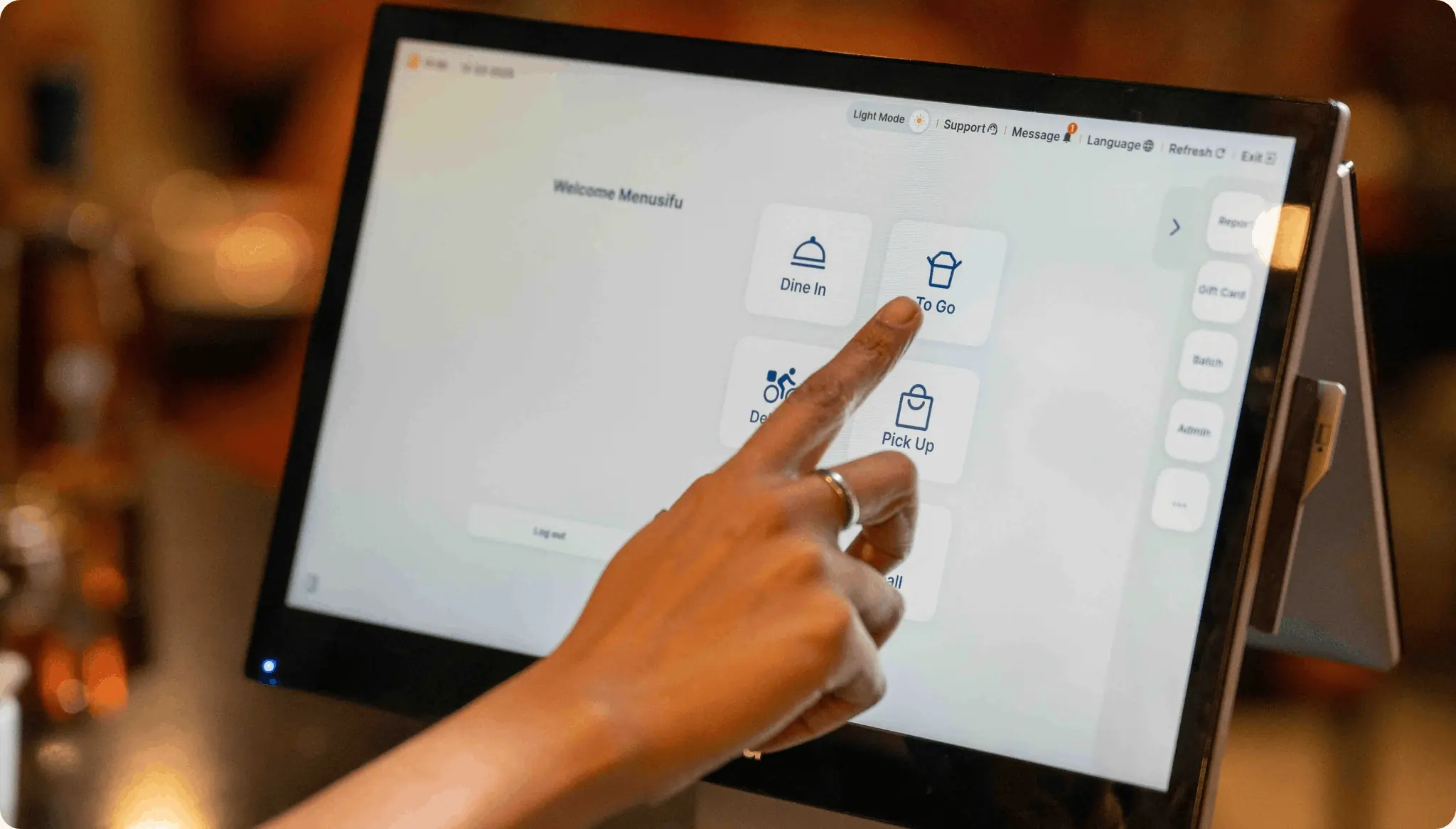
Technology also belongs in this section. A POS system can help you manage orders, payments, menu updates, sales reports, and inventory data. If you plan to offer online ordering or delivery, explain how those platforms will connect with daily operations.
Your location can affect sales, rent, staffing, delivery reach, and customer traffic. This section should explain why your chosen area fits your restaurant concept.
Look at foot traffic, vehicle traffic, parking, visibility, signage, and entry points. Customers should be able to find your restaurant easily and order with minimal delay.
Also review nearby businesses, schools, offices, residential areas, shopping centers, and transit stops. These locations can create steady demand throughout the day.
If delivery will play a large role in your sales, review your delivery radius. Your location should support timely delivery to the customers you want to reach.
A visible location may bring strong traffic, but higher rent can put pressure on your budget. Compare expected sales with rent, utilities, maintenance, and other fixed expenses.
Review lease terms before you commit. Pay attention to renewal options, renovation rules, signage restrictions, shared costs, and required deposits.
Your location strategy should connect with your financial projections. The site needs enough sales potential to support operating costs and profit goals.
Many customers expect pickup and delivery options. Your plan should explain how the location supports both.
Think about pickup shelves, delivery driver access, parking spaces, order labeling, and customer flow. These details can improve service during busy periods and support repeat orders.
Your marketing and sales plan explains how you will attract customers, increase order value, and encourage repeat visits.
Start with launch promotions. You may use soft-opening offers, local partnerships, signage, social media posts, and grand-opening deals to build early awareness.
Local SEO also helps customers find your restaurant. Set up your Google Business Profile with accurate hours, menu links, photos, contact details, address, and ordering options.
Your plan may include:
Sales planning should also cover average order value. Explain how you will use combos, add-ons, meal upgrades, limited-time offers, and loyalty rewards to grow revenue.
Your POS reports can support this section by showing which items sell best, which promotions work, and when customers order most often.
Startup costs show how much capital you need before opening. This section helps you plan funding, avoid shortfalls, and set a realistic launch budget.
A quick service restaurant business plan report often includes a detailed startup cost estimate to help owners evaluate funding needs.
Your estimate should include:
Kitchen equipment may include grills, fryers, ovens, refrigerators, freezers, prep tables, storage racks, beverage equipment, ventilation, and dishwashing equipment.
Technology may include POS hardware, kitchen display screens, payment terminals, printers, online ordering tools, security systems, and reporting software.
Add working capital as well. You need funds to cover payroll, rent, inventory, utilities, and marketing during the first months of operation.
Your business plan should include the legal steps needed before opening. This helps you plan costs, timelines, inspections, and approvals.
Requirements vary by city, state, and country, so check local rules before finalizing this section.
Common items include:
You may also need food handler certifications, waste disposal agreements, building permits, grease trap approvals, and occupancy certificates.
Insurance can include general liability, workers’ compensation, property insurance, business interruption coverage, and commercial auto coverage if you manage deliveries directly.
This section helps you prepare for the legal work required before launch.
Financial projections help you test if the business can cover costs, generate profit, and support growth.
Start with your sales forecast. Estimate orders per day, average ticket size, operating days per month, and expected sales by channel. Use market research, competitor pricing, location data, and menu pricing to support your numbers.
Estimate monthly sales from dine-in, takeaway, drive-thru, online ordering, catering, and delivery apps if they apply to your model.
Breaking revenue down by channel helps you see where sales may come from and which channels may carry higher costs.
List the costs required to run the restaurant each month. Include food costs, labor, rent, utilities, packaging, software, insurance, delivery app fees, cleaning, maintenance, marketing, and loan payments.
Pay close attention to food and labor costs. These two areas can affect profit quickly if you do not track them well.
Your break-even point shows how much revenue you need to cover expenses. This number helps you set sales goals and measure business performance after launch.
Your financial projections should include:
Make sure your projections connect with your startup costs and funding plan. The numbers should tell one clear financial story.
Your funding plan explains how you will finance the restaurant. It should show how much money you need, where it will come from, and how you will use it.
Funding may come from personal savings, bank loans, investors, grants, franchise financing, or equipment financing.
This section should cover:
Be specific about the use of funds. You may need capital for lease deposits, renovation, equipment, technology, inventory, permits, payroll, marketing, and working capital.
If you plan to approach lenders or investors, connect your funding request with your financial projections. Show how the money supports launch, operations, and growth.
A growth plan shows how you may expand after launch. It also helps you set goals beyond opening day.
Short-term goals may include reaching monthly sales targets, improving order speed, building repeat customers, increasing average order value, adding delivery channels, or launching a loyalty program.
You can also set goals for customer reviews, food cost control, labor cost control, and local brand awareness.
Long-term plans may include opening more locations, adding catering, expanding menu categories, franchising, building partnerships, or upgrading technology.
Your growth plan may cover:
Keep your growth plan realistic. Base future plans on sales data, customer demand, staffing capacity, and financial performance.
The appendix gives readers access to supporting documents without crowding the main business plan.
Add records, visuals, and documents that support your claims, costs, and projections. Lenders, investors, landlords, and partners may review this section for added detail.
Your appendix may include:
You can also add photos, packaging samples, brand mockups, training materials, insurance records, and letters from suppliers.
Keep this section organized. Label each document clearly so readers can find the information they need.
Use the downloadable fictional QSR business plan template sample as a guide when creating your own quick service restaurant business plan. It shows how the main sections can be arranged in a clear, organized format.
As you review the sample, focus on how each section connects to your restaurant idea, costs, operations, and growth goals. You can use the same structure and adjust the details based on your concept, location, menu, and funding needs.
A complete quick service restaurant business plan template often includes these sections:
This sample gives you a clear starting point. Add real numbers, local research, supplier details, menu costs, staffing plans, and financial projections so the plan reflects the restaurant you want to open.
A well-prepared business plan helps you move from idea to action with clearer decisions. It gives structure to the major parts of your launch, from market research and menu planning to startup costs and financial projections.
The plan also helps you see how each part of the restaurant connects. Your menu affects equipment. Your location affects sales. Your staffing plan affects labor costs. Your POS system affects reporting, order flow, and customer experience.
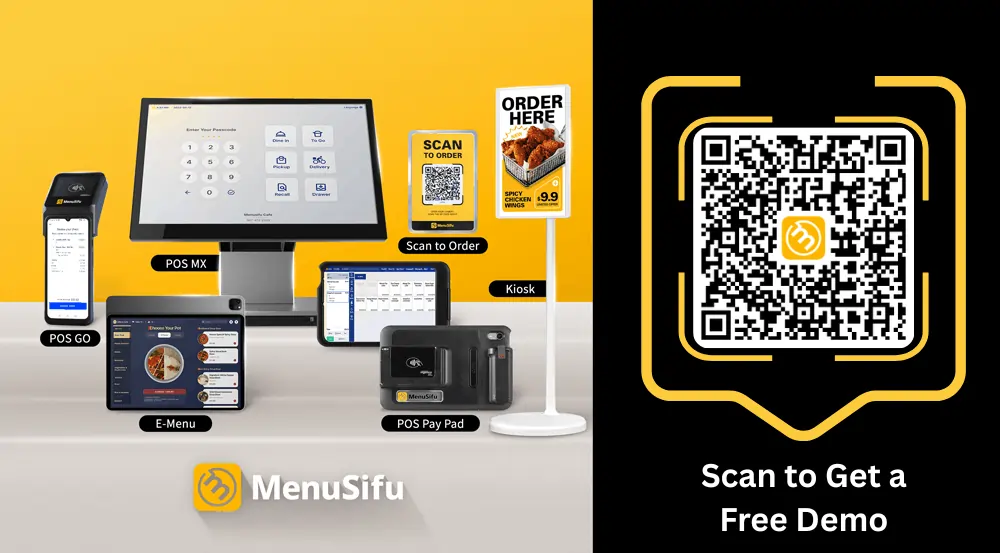
As you prepare your quick service restaurant, the right technology can help support the plan you worked hard to build. MenuSifu offers POS systems that help restaurants manage orders, payments, menus, reporting, and daily operations in one connected system.
Book a Free Demo with MenuSifu today to see how the right POS setup can support your QSR launch and daily operations.
Before you finalize your plan, it helps to clarify a few details about structure, length, templates, and purpose. These answers can guide you as you turn your QSR idea into a more complete business plan.
A quick service restaurant business plan is a written plan that explains how a QSR will launch, operate, earn revenue, and grow. It usually covers the restaurant concept, target market, menu strategy, operations, location, startup costs, funding plan, financial projections, and growth goals.
A QSR business plan should include your executive summary, restaurant concept, market research, competitor analysis, menu strategy, operations plan, startup costs, financial projections, funding plan, and growth plan. You can also add licenses, permits, and an appendix if you plan to share the document with lenders, investors, landlords, or partners.
Yes. A quick service restaurant business plan template helps you organize key sections such as your concept, target market, menu, operations, startup costs, financial projections, and funding plan. Use it as a guide, then customize each section based on your restaurant model, location, budget, and growth goals.
A quick service restaurant business plan has no fixed length, but a traditional plan often falls in the 15 to 30 page range. A simple internal plan may be shorter, while a plan for lenders or investors usually includes more detailed market research, startup costs, financial projections, funding needs, and supporting documents. Focus on clarity, realistic numbers, and useful detail rather than trying to meet a specific page count.
You need a QSR business plan to turn your restaurant idea into a clear launch plan. It helps you define your concept, study your market, estimate costs, plan operations, prepare financial projections, and show lenders or investors how the business can grow.
For more restaurant planning tips, POS insights, and QSR growth ideas, visit our blog section for the latest guides and updates.
Related Articles:
DISCLAIMER: This article is for general informational purposes only and does not replace professional legal, financial, tax, or business advice. Requirements for licenses, permits, insurance, funding, and restaurant operations may vary by location. Consult qualified professionals and local authorities before making business decisions.