September 24, 2026
Learn how a cloud based POS system helps restaurants cut costs, simplify operations, and stay connected. Compare cloud POS to traditional and on-premise setups.
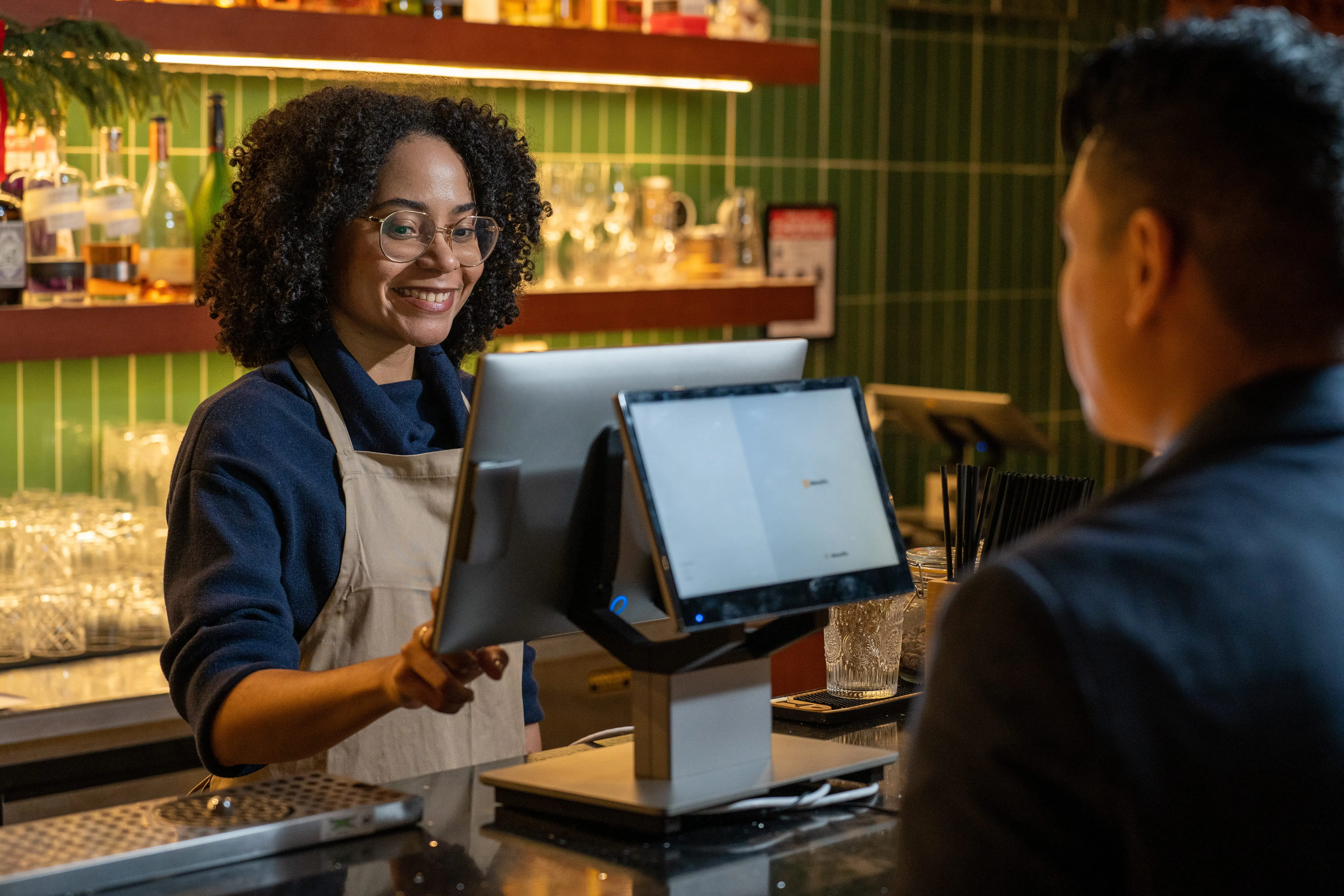
Many restaurant owners today are choosing cloud-based POS systems to streamline operations and reduce reliance on hardware.
Managing sales, menus, and staff across devices or locations doesn't need to feel disconnected or time-consuming. A cloud POS brings flexibility, remote access, and lower setup costs, helping you focus more on service and less on system upkeep.
This post breaks down how cloud POS works, what it offers versus traditional setups, and what to expect in terms of features, costs, and scalability.
A cloud POS is a point-of-sale system that stores your restaurant data online rather than on a physical server in your store. Sales, menus, employee hours, and reports sync through the internet and stay accessible from any authorized device.
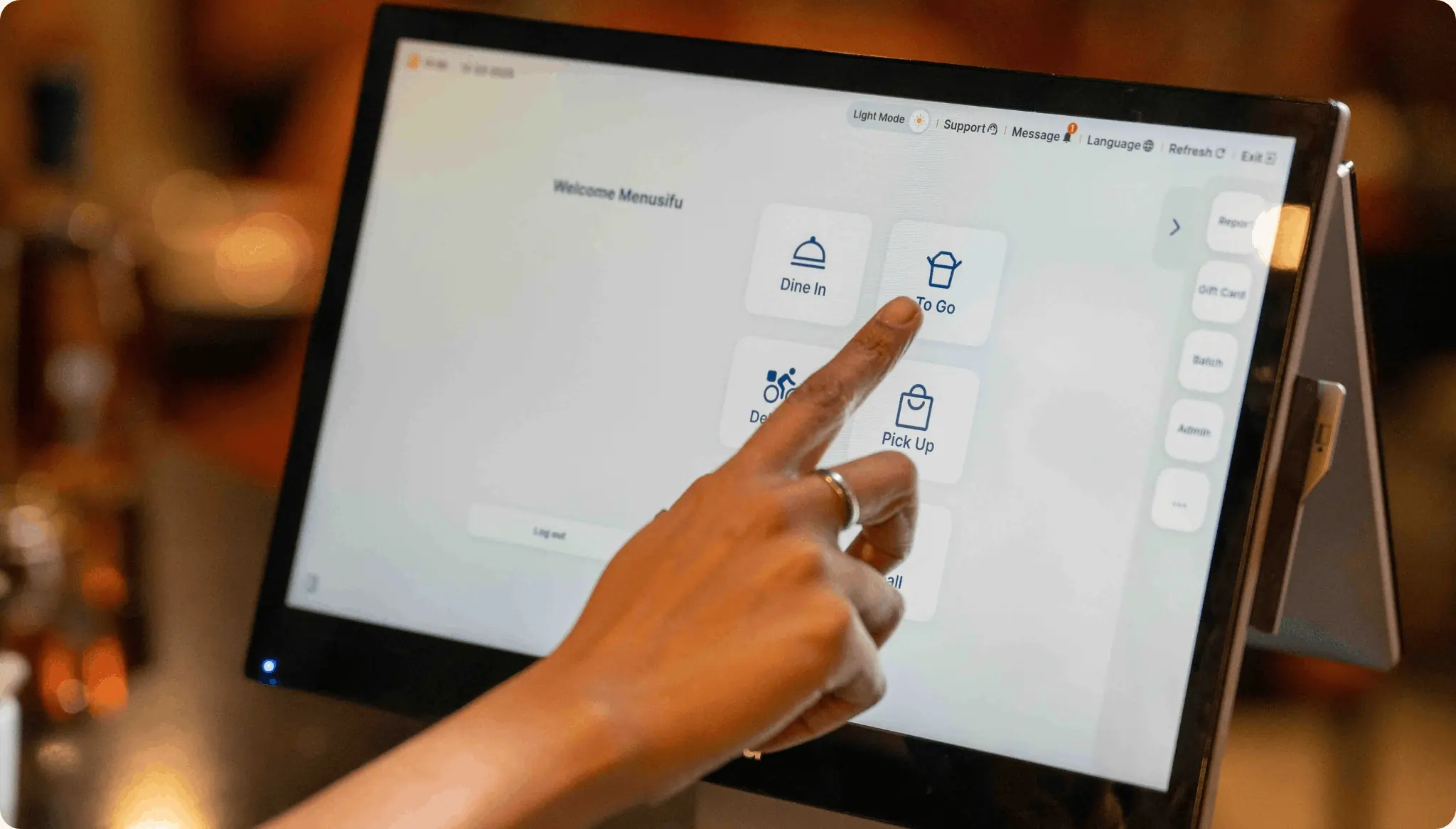
If you are exploring modern POS options, think of a cloud POS as software that runs your front-of-house and back-of-house operations while keeping your data secure in the cloud. You log in, process orders, track inventory, and review reports just like with a traditional system. The difference is where the data lives and how easily you can access it.
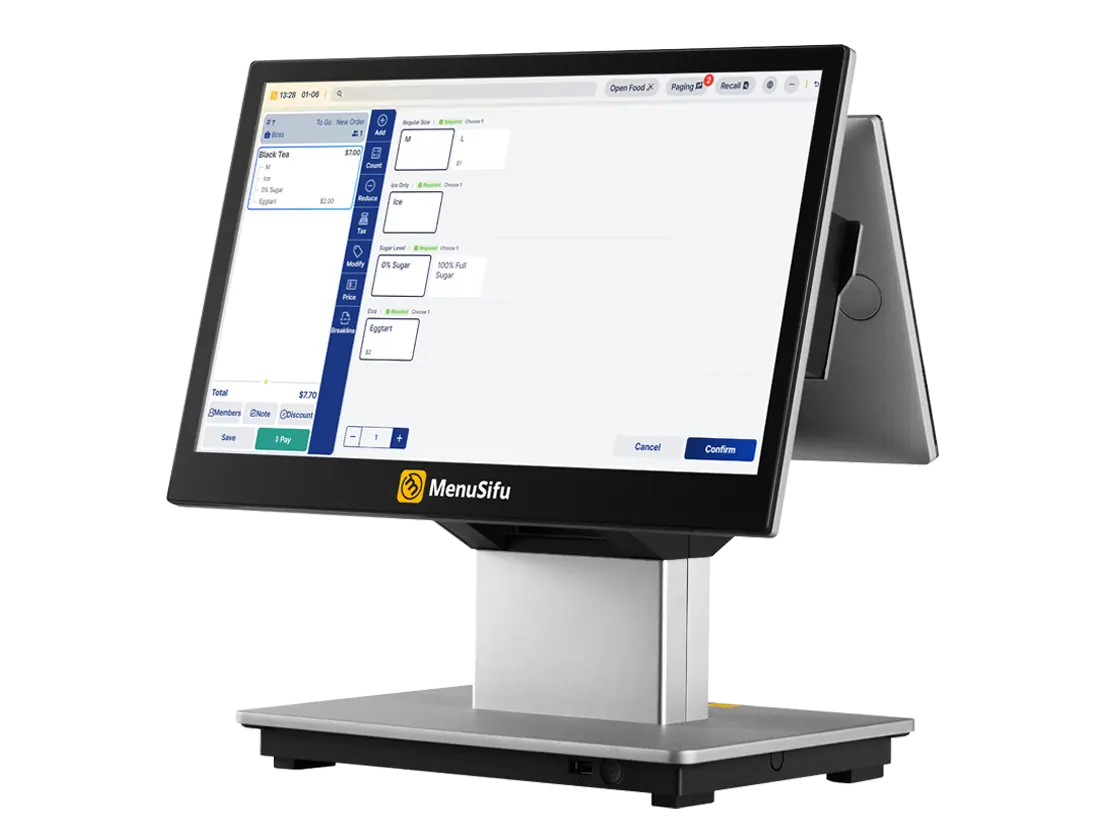
A cloud-based POS system helps streamline operations, reduce manual work, and improve visibility. Whether you're managing one location or scaling across several, here’s how this technology supports daily operations and long-term growth.
A cloud POS uses subscription-based pricing, which avoids the heavy upfront investment required by traditional hardware. You won’t need to install or maintain servers on-site. With lower initial costs and fewer technical demands, it’s easier to get started and scale gradually.
You can check performance data, update menus, and monitor staff activity from any connected device. This helps you manage schedules, spot trends, and make changes on the go. Whether you're on-site or remote, everything stays synced in real time.
A cloud-based POS system keeps all your stores aligned. Menus, pricing, taxes, and discounts can be updated once and applied across locations instantly. This saves time and ensures consistency, especially during promotions or seasonal changes.
Software updates run automatically in the background, so your system stays current without scheduling downtime. You get new features and security improvements with no disruption to daily operations.
A cloud POS connects with tools like online ordering platforms, delivery apps, loyalty programs, and QR menus. This means you can offer customers more convenience while managing everything from a single platform.
As your restaurant grows, adding new devices or locations is quick. You don’t need extra servers or major IT work. Setup stays simple, and you stay focused on daily operations instead of worrying about infrastructure.
These benefits help reduce workload, improve consistency, and support better decision-making through clear data and automation.
Choosing the right POS system usually starts with how it fits your daily operations, setup, and growth plans. Here's a direct comparison to help you see the difference between a cloud based POS system and a traditional POS.
With a cloud-based POS system, you can launch faster, control costs, and stay updated automatically. Traditional POS systems offer stability but often come with higher setup and maintenance demands. If you manage multiple locations or want more flexibility, the cloud may give you more control with less overhead.
Choosing between a cloud POS and an on-premise system comes down to how you operate, how you plan to grow, and how much technical overhead you're willing to manage.
A cloud POS stores data online and gives access from any connected device. On-premise systems rely on local servers inside your restaurant. Each has its place, but most restaurants today lean toward flexibility, simplicity, and lower upfront costs.
Here’s how to break it down:
If you need flexibility, remote control, and easy scaling, a cloud pos makes everyday operations lighter and more connected. For those with strict on-site requirements or no internet stability, on-premise might still work. But for most growing restaurants, cloud-based systems offer a clearer path forward.
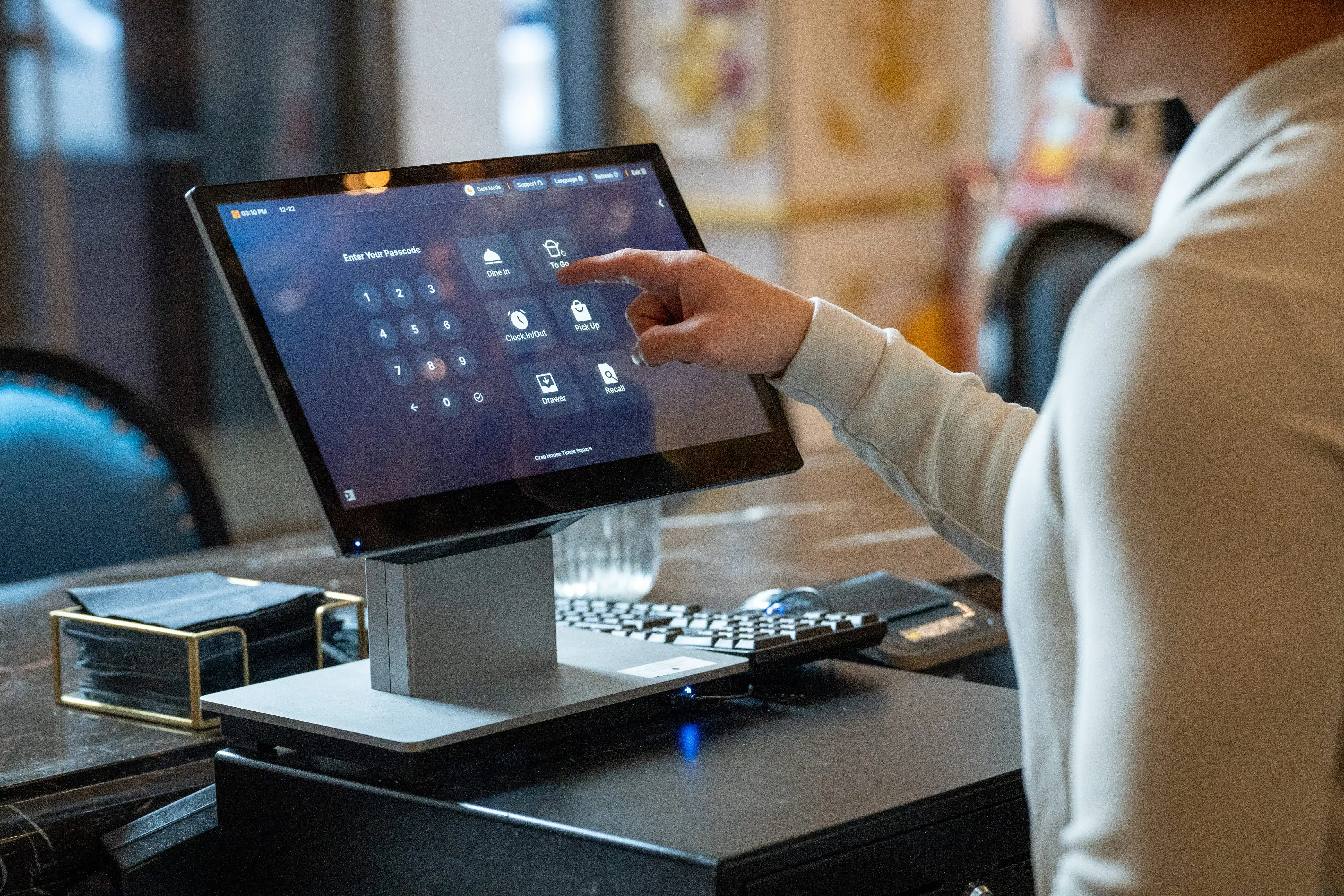
Pricing for a cloud-based POS system usually follows a monthly subscription model. This keeps costs more predictable and removes the need for large upfront investments in servers or complex setups.
Here’s a general breakdown:
A cloud POS can reduce long-term expenses by eliminating server maintenance, manual software updates, and costly IT support. You also save time by accessing data remotely and by managing multiple locations through a single system.
The key is choosing a setup that fits your needs now and scales easily as you grow. Most businesses see long-term value by starting with essential tools, then adding features as needed.
If you're looking for a system that adapts to your pace, simplifies daily tasks, and grows with your business, a cloud-based POS system offers real value. You get flexible access, reduced hardware demands, and tools that keep your operations connected across one or many locations.
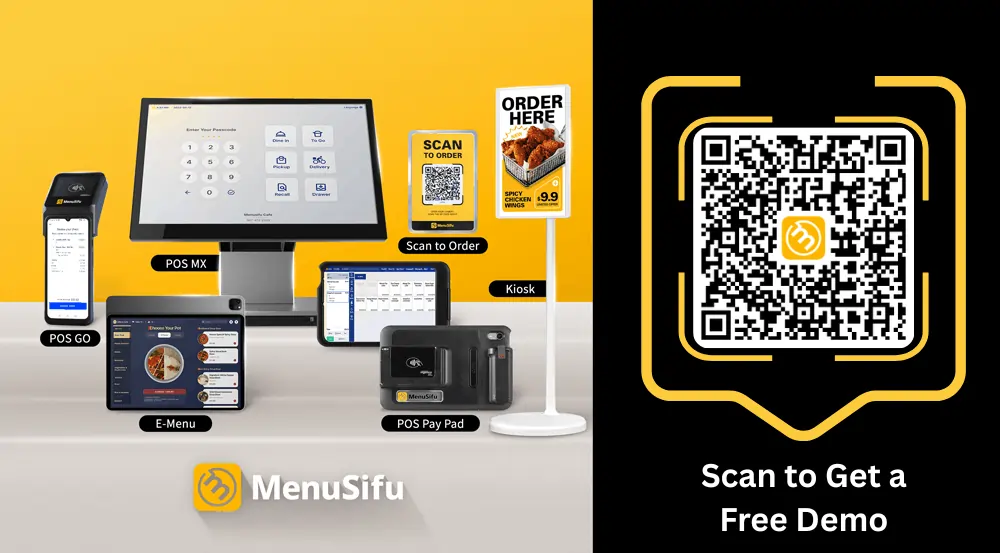
MenuSifu offers something different, a hybrid POS approach that blends the reliability of local systems with the convenience of cloud-based access. You can manage your restaurant from the counter or your laptop, all while keeping critical functions stable onsite. With over a decade of experience in restaurant technology, MenuSifu delivers a full solution designed to fit the way you work.
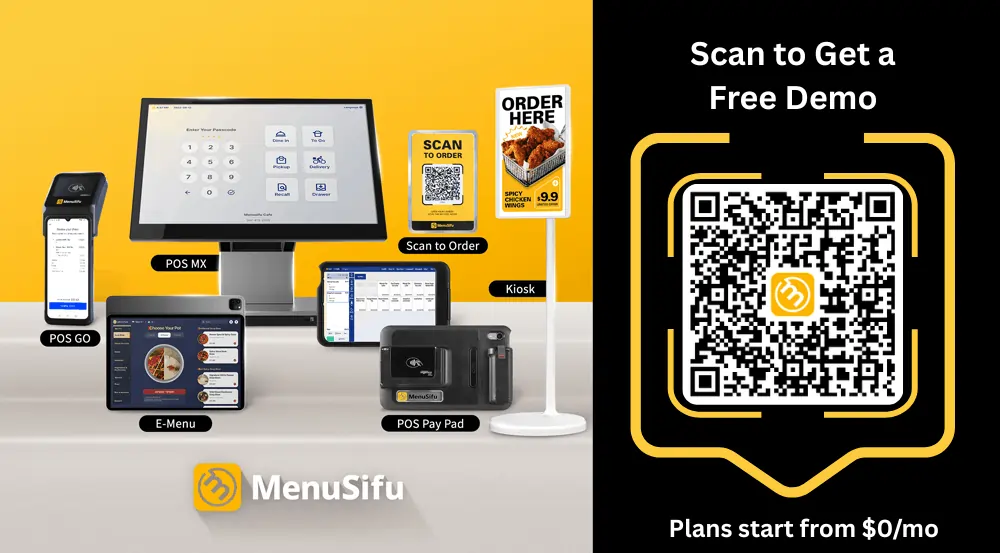
Ready to see how it works? Book a free demo with MenuSifu today and explore a smarter way to manage your restaurant.
Looking into a cloud based POS system for your restaurant? These common FAQs cover what to expect, how it works, and how to get started.
Cloud-based POS systems store sales, inventory, and customer data online instead of on a local server. They let you manage operations, track performance, and access real-time reports from any internet-connected device. Updates happen automatically, and changes sync across all locations instantly.
Menusifu stands out as one of the best cloud-based POS systems for restaurants. It blends local reliability with cloud convenience, ensuring stable in-store operations and real-time data access from anywhere. It's an all-in-one platform that includes online ordering, menu management, reporting, and integrations backed by over a decade of restaurant-focused innovation.
A cloud POS system typically requires a tablet or computer, a receipt printer, a cash drawer, a barcode scanner, and a reliable internet connection. Touchscreen tablets (such as iPads and Android devices) are well-liked for their mobility and ease of use.
Most systems also support wireless accessories, allowing flexible setup and minimal cabling. Some businesses may also add customer-facing displays or kitchen printers, depending on their workflow.
Yes, many cloud POS systems offer features comparable to on-premise systems, including inventory management, employee scheduling, customer relationship tools, and real-time reporting. Cloud platforms also provide remote access, automatic updates, and easier scalability, making them a strong alternative for most businesses.
Many POS systems today are cloud-based, especially among growing and multi-location restaurants. Some businesses still use on-premise or hybrid models that combine local hardware with cloud features. Cloud POS systems offer greater flexibility, remote access, and real-time updates that traditional setups often lack.
To get a cloud based pos system, start by listing your needs, like the number of terminals, locations, and integrations for online ordering or payments. Next, choose a provider that supports your restaurant type, such as MenuSifu, and request a demo to review features, pricing, hardware requirements, and setup support.
After you sign up, set up your menu and staff permissions, connect payment processing, and run a short test before going live.
For more insights on POS technology, cost comparisons, and restaurant growth strategies, explore our blog section and stay updated with the latest resources.
DISCLAIMER: Pricing ranges, feature comparisons, and system capabilities mentioned in this article are estimates and may vary based on provider, contract terms, and business needs. Always verify details directly with your POS provider before making a decision.
Related Articles: