September 11, 2026
Learn how much does it cost to open a boba shop in the US, including startup costs for rent, build-out, equipment, permits, inventory, POS, and staffing needs.

If you are planning your first bubble tea store, you have likely searched for how much it costs to open a boba shop and found a wide range of answers. The cost to open a boba shop can shift based on your location, build-out, equipment, and opening inventory, which can make it hard to set a realistic budget early on. This blog breaks down the key expenses you should plan for before you sign a lease. How much cash will your shop need before opening day?
If you are pricing out your first store, expect a wide startup range. In the US, the cost to open a boba shop usually falls somewhere between $15,000 and $200,000, depending on your location, build-out, equipment, and opening inventory.
A kiosk or pickup-focused shop can stay closer to the lower end, while a full café with seating and heavier construction can cost much more. Before you lock in a space, line up your format, budget, and must-have equipment to keep your numbers realistic.
The average cost to open a boba shop often lands in the middle of that range for a small to mid-sized brick-and-mortar location, but your final total depends on how you open. An independent shop may give you more control over design, menu, and vendors. A franchise can add upfront fees and brand requirements.
Your budget can also shift significantly depending on the space itself. A second-generation food business site may lower renovation costs because key infrastructure is often in place, whereas a raw space typically requires more construction and a larger upfront investment.
Before you open your doors, you need a clear view of where your money will go. Some costs hit once during setup, while others start before launch and continue into your first few months. Breaking them into categories can help you build a tighter budget and avoid surprises.
Your location shapes a big part of your startup budget. A high-traffic area may bring in more walk-ins, but it often comes with higher rent and a larger upfront payment.
In many cases, you will need to cover a security deposit, advance rent, and utility setup before build-out even begins. Some landlords may also ask for added fees or tenant improvements, which can push your starting costs higher. Before you sign anything, look at the full occupancy cost, not only the monthly rent.
Once you secure a space, you may need to prepare it for daily operations. That can include flooring, plumbing, electrical work, counters, lighting, seating, paint, and décor.
This part of the budget can rise quickly if the space starts as a blank shell. For tea shops, leasehold improvements alone can run about $20,000 to $70,000, especially if the site needs plumbing, electrical work, or layout changes. A second-generation food business location can help lower that cost because key features like sinks, drains, or prep areas may already be in place.
Equipment often takes a large share of your startup budget. For a boba shop, that category can range from about $15,000 to $100,000 or more, depending on your menu, production volume, and store format. Core equipment may include sealers, shakers, refrigerators, freezers, ice machines, blenders, tea brewers, storage racks, and prep tables.
You also need to budget for smaller tools that add up fast, such as scoops, pitchers, utensils, measuring tools, cups, lids, and other daily-use items. Your menu will shape this category. A shorter drink list usually needs less equipment than a menu packed with toppings, blended drinks, and add-ons.
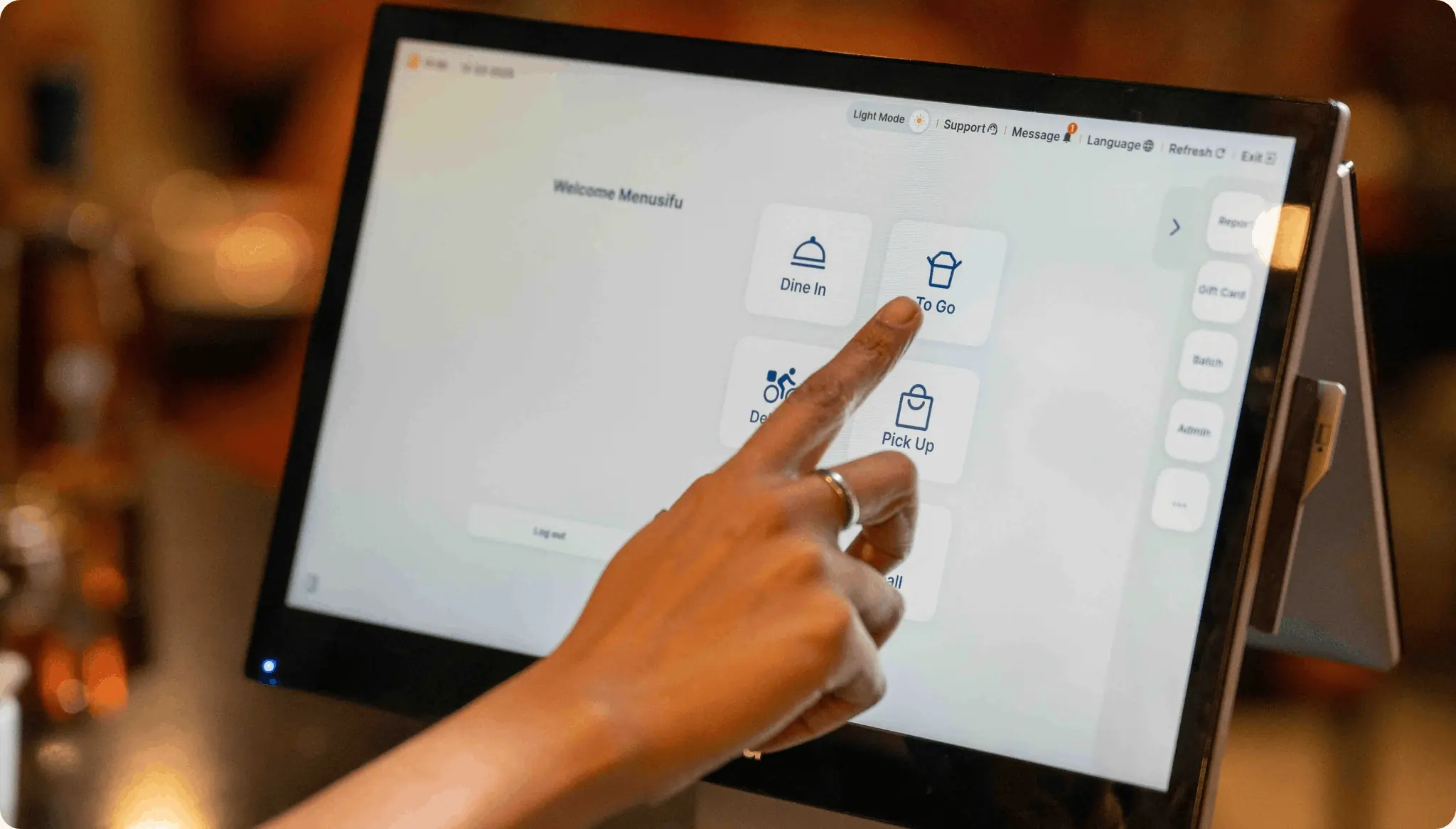
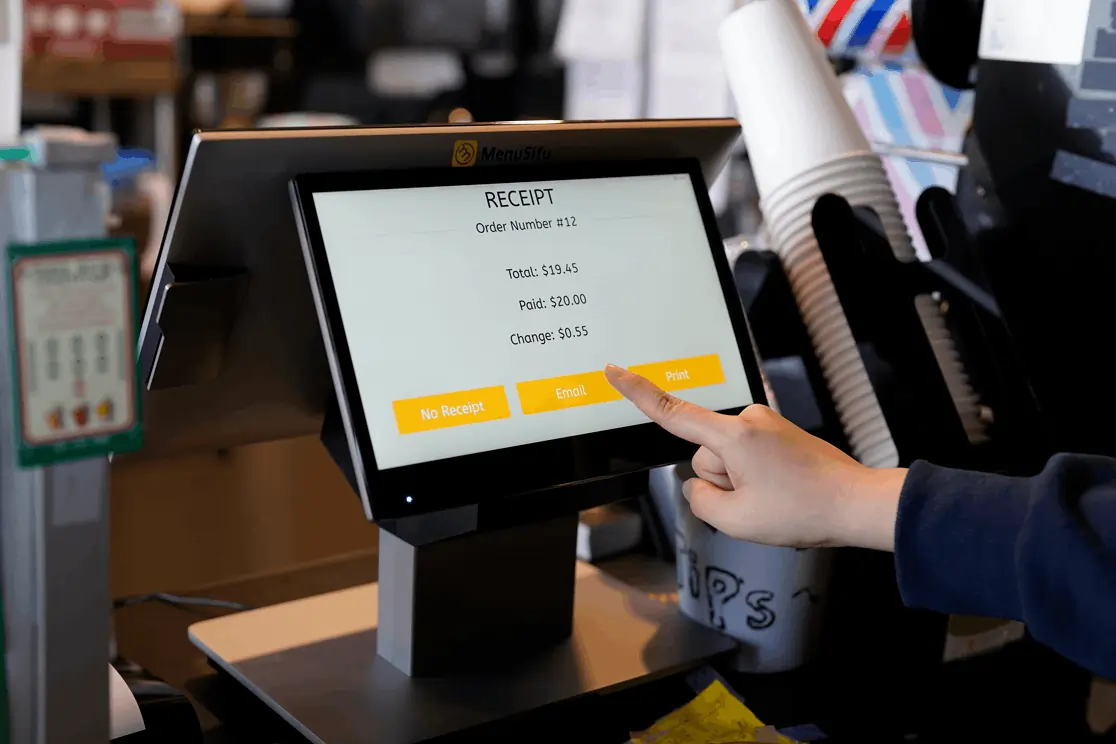
Your POS system belongs in your startup budget from day one. It is not only a monthly software expense. Restaurant POS software often runs about $60 to $300 per month, while hardware can start around $700. A terminal bundle with a card reader usually costs about $800 to $1,000, and extra receipt or kitchen printers can add another $200 to $400 each.
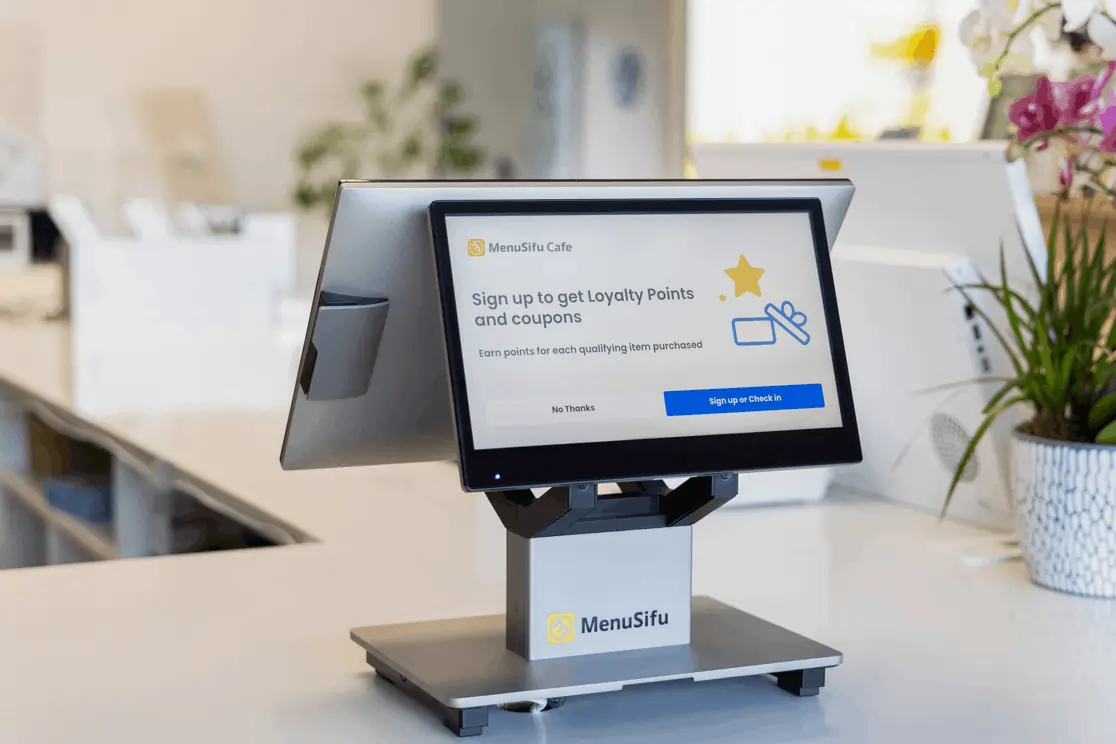
You may also need software for payments, online ordering, loyalty, and menu management. Since pricing varies by provider, hardware, and features, request custom quotes before finalizing your budget. A strong setup can help you take orders accurately, track sales, manage modifiers like sugar and ice levels, and keep daily operations organized from the start.
You will likely need to pay for business registration, health permits, food licenses, and other local approvals before launch. These costs depend on your city, county, and state.
As a planning benchmark, a food service license often costs about $100 to $1,000, depending on your location and number of employees. Some areas may also require inspections, signage permits, resale permits, or added compliance steps tied to your store format. Check local rules early so you can budget accurately and avoid delays close to opening.
Your opening inventory should cover the ingredients and packaging you need to start selling right away. That usually includes tea, milk, syrups, powders, tapioca pearls, toppings, cups, lids, straws, napkins, and takeaway packaging.
A useful benchmark is to budget food and beverage inventory at about 25% to 40% of projected sales. Your total will depend on your menu size and expected volume. It helps to stock enough for launch while avoiding overbuying. Too much inventory at the start can tie up cash and increase waste, especially for perishable items.
Branding shapes how your shop looks to first-time customers. This part of the budget may include logo design, printed menus, storefront signage, packaging design, and promotional materials.
You may also want to spend on social media, digital ads, launch promos, and neighborhood outreach before opening week. Early marketing can help you build awareness and bring in traffic as soon as you launch.
Labor costs can start before your first transaction. You may need to pay for job posts, onboarding, early payroll, and staff training during setup.
Your team needs time to learn drink prep, customer interaction, cleaning routines, and POS workflows. If you skip this part of the budget, your opening week can feel rushed and disorganized. Building in training time can help your team start strong.
No two boba shops open at the same cost. Your total budget can move up or down based on location, store format, site condition, business model, and menu scope. If you want a clearer estimate, start with these five cost drivers.
Where you open plays a big role in your startup budget. A shop in a busy city center or high-traffic retail area will usually cost more than a small location in a lower-rent area. Rent often rises with visibility, foot traffic, and nearby demand.
Your build-out costs can shift, too. Some cities have higher contractor rates, stricter permit fees, and longer approval timelines. Local labor costs can also raise your opening budget, especially if you need plumbing, electrical work, or custom fixtures.
Your shop format affects how much space, equipment, and staffing you need. A kiosk or grab-and-go shop usually costs less to open than a larger dine-in store because it needs less square footage, fewer furnishings, and a simpler layout.
A bigger shop often means higher rent, more seating, more décor, and more labor. If you plan to offer a quick pickup model, you may be able to keep your startup costs lower. If you want a café-style setup, plan for a larger upfront investment.
The condition of the space can change your budget fast. A former food or drink location may already have sinks, counters, plumbing lines, and ventilation in place. That can cut renovation time and lower construction costs.
A raw retail space usually needs more work before you can open. You may need to add water lines, drainage, electrical upgrades, prep areas, and customer-facing fixtures. That can push your budget much higher before you even buy inventory.
Your business model affects both startup costs and long-term expenses. An independent boba shop gives you more control over branding, menu, suppliers, and pricing. At the same time, you will need to build your systems, processes, and marketing plan from the ground up.
A franchise may give you a proven model and brand recognition, but it can also add franchise fees, royalty payments, and stricter build requirements. In most cases, this is a tradeoff between flexibility and built-in support.
Your menu has a direct impact on your startup budget. A focused drink menu is usually less expensive to launch than a broader lineup with snacks, desserts, or specialty items. Fewer items often mean fewer ingredients, less storage, and less equipment.
As your menu expands, your costs usually rise. You may need more refrigeration, prep tools, storage space, and packaging. A wider menu can also increase training time and inventory needs. For many new owners, it helps to start with a tighter menu and expand after the shop gains traction.

Opening your shop is only the first step. Once your doors open, your focus shifts to monthly costs that affect cash flow, pricing, and profit. Planning for these expenses early can help you avoid budget gaps and keep daily operations on track.
Labor will likely be one of your biggest ongoing costs. Wages, payroll taxes, training, and shift coverage can add up quickly, especially during busy hours. If you plan to extend hours or offer a larger menu, you may need more staff to keep orders moving smoothly.
Your monthly rent stays fixed, but utility costs can rise with heavy equipment use. Refrigerators, sealers, blenders, ice machines, and lighting all increase your electricity bill. Water, internet, and trash pickup also belong in your monthly budget.
Tea, milk, syrups, tapioca pearls, powders, toppings, cups, lids, straws, and napkins all need regular restocking. These costs can shift based on supplier pricing, menu size, and sales volume. If you do not track inventory closely, waste can cut into your margins.
Marketing should stay in your budget after launch. You may need to spend on local ads, social media campaigns, loyalty offers, limited-time specials, or grand reopening pushes during slower periods. A steady marketing plan can help you bring customers back and keep sales consistent.
Your tech stack also adds to monthly operating costs. POS software, online ordering tools, loyalty programs, and card processing fees can take a steady share of revenue each month. If you use several separate platforms, those costs can climb faster.
Equipment needs regular upkeep. Sealers, refrigerators, blenders, printers, and plumbing fixtures can all need repairs over time. Setting aside part of your budget for maintenance can help you handle issues quickly and avoid bigger disruptions later.
You do not need to launch with the biggest space, the longest menu, or every tool on day one. A lean opening plan can help you control spending, get open faster, and build around what your shop actually needs. Here are five practical ways to keep startup costs lower.
A smaller shop can cut your upfront costs in several ways. You may pay less in rent, utilities, furniture, and décor. You may also need fewer staff members and less equipment, which helps reduce early spending.
Kiosks, compact retail spaces, and takeout-first concepts work well for boba because many customers order drinks to go. If demand is strong and your flow stays efficient, a smaller footprint can still support solid sales.
A second-generation foodservice space can save you a lot on build-out. The plumbing, sinks, counters, floor drains, and prep areas may already be in place, which can reduce construction work and contractor costs.
This kind of location can also help you open sooner. If the layout fits your concept, you can spend less time on major renovations and focus more on setup, hiring, and launch prep.
Start with your core drinks first. A tighter menu helps you buy fewer ingredients, limit waste, and simplify prep from the start. It also helps you avoid spending too much on equipment for items you may not need right away.
A focused menu can also make training easier. Your team can learn recipes faster, keep drinks consistent, and move orders through the line more efficiently. You can always expand later once you see what sells.
Buy the equipment you need for your opening menu, and hold off on extras until demand grows. Start with the basics that support daily drink prep, storage, and order flow. That may include tea brewers, sealers, refrigerators, blenders, and prep tools.
This approach helps you protect cash in the early stage. Instead of filling your shop with equipment you may rarely use, you can invest in proven needs first and add more once sales support it.
Choose tools that can grow with your shop. A POS, inventory, and reporting setup that fits your current needs and supports future growth can save you from replacing systems too soon.
For a boba shop, this is especially helpful. Look for tools that support drink modifiers, sugar and ice level options, add-ons, loyalty, online ordering, and kitchen display integration. A connected setup can keep your operations organized from day one and help you avoid costly system changes later.
It can be a strong business opportunity if you enter the market with a clear plan. Demand for bubble tea stays strong in many US markets, but strong demand alone will not protect your margins. Your rent, labor, ingredient costs, and average ticket all shape your path to profit.
Before you commit, look closely at a few key numbers:
A boba shop has strong potential, but your results depend on disciplined planning and smooth daily execution. If you control costs and build an efficient setup from day one, you give your shop a better path to steady growth.
Opening a boba shop takes a solid budget, a clear plan, and systems that support daily operations from day one. As you plan your startup costs, include tools that help you take orders accurately, manage drink customizations, track sales, organize pickup, and keep your team on pace during busy hours.
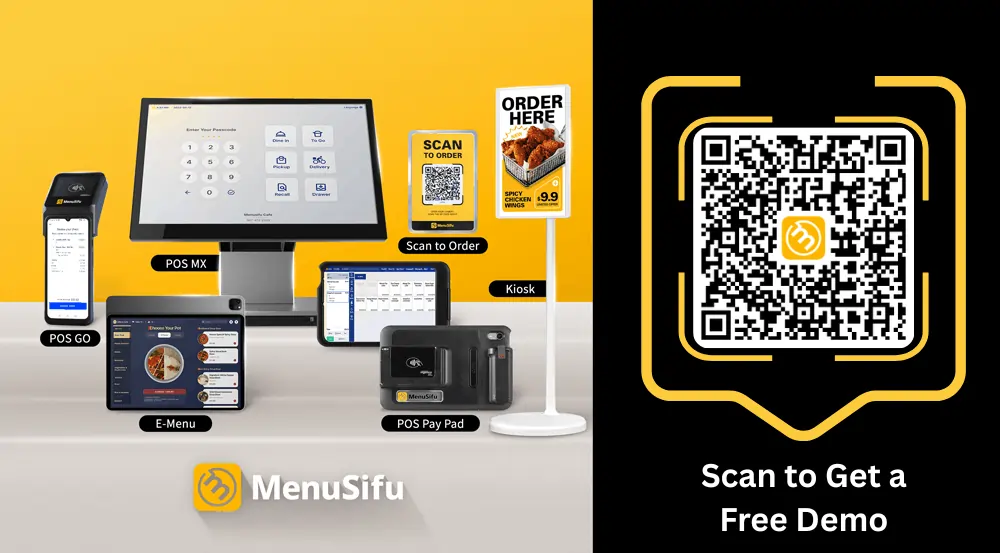
A bubble tea POS system can support that setup early. MenuSifu’s bubble tea shop POS system brings together counter ordering, kiosk ordering, and online ordering in one platform. It also supports sugar and ice level options, add-ons, loyalty programs, kitchen display sync, order status screens, scan-based drink workflows, and reporting for single or multi-store growth. If you want to see how it can fit into your launch plan, book a Free Demo with MenuSifu today.
Find answers to the cost questions that come up most often when planning a bubble tea launch. Use them to refine your budget before signing leases or ordering equipment.
Opening a boba shop in the US usually costs about $15,000 to $200,000. Your total can land near the low end for a small kiosk or pickup-focused shop, or climb much higher for a larger store with seating, more construction, and a broader menu. Key cost drivers include rent, build-out, equipment, permits, inventory, and pre-opening payroll.
Estimate your startup budget before you sign a lease by listing every major expense, including deposit and rent, build-out, equipment, permits, inventory, payroll, utilities, marketing, and POS setup. Then add a cash reserve for the first few months so you can cover operating costs while sales build. A full budget helps you compare locations, avoid hidden costs, and choose a space that fits your plan.
Yes, opening a boba shop can be worth it if you choose the right location, control startup costs, and build a menu that supports healthy margins. Strong demand for bubble tea can create solid sales potential, but your success depends on rent, labor, ingredient costs, pricing, and daily operations. Before you move forward, compare your total startup budget with your expected monthly sales and break-even point.
For more tips on budgeting, menu planning, and daily operations, check our blog for more insights and updates.
DISCLAIMER: The cost estimates in this article are general planning guidelines only. Your actual startup costs may vary based on your location, lease terms, store size, equipment needs, permits, and local labor or construction rates. Before making any financial or lease decisions, confirm current pricing with local vendors, contractors, landlords, and licensing agencies.
Related Articles: