September 18, 2026
Planning a tea startup? Get practical tips on costs, location, menu planning, operations, and tools to open a milk tea business with clarity from the start.

Starting a tea startup sounds exciting until you start pricing equipment, comparing locations, building your menu, and estimating opening costs. The early planning stage can feel overwhelming when each decision affects how your shop will operate. So how do you open a startup milk tea business with a clear plan and a budget you can manage?
This guide walks through the key steps, from shaping your concept and estimating costs to setting up operations and preparing your shop for growth.
A tea startup is a new beverage business built around tea-based drinks. Your tea business startup may take shape as a classic tea shop, a grab-and-go kiosk, a milk tea bar, or a bubble tea startup built around customizable drinks and quick service.
Many tea startups begin with one location and a focused menu. That setup helps you test pricing, speed, and customer demand before you add more items, more staff, or a second store. A tea shop startup can stay small and profitable, or it can grow into a multi-location brand once your systems and menu are in place.
Once you know what a tea startup can look like, the next step is choosing a concept that fits your goals, budget, and local market.
Start by deciding what kind of tea shop you want to build. A clear concept helps you shape your menu, budget, equipment list, store layout, and brand from day one.
Here are a few common directions:
Focus on brewed teas, hot drinks, and a calm in-store experience.
Build your menu around milk and fruit teas, along with popular add-ons.
Offer customizable drinks with toppings, sugar levels, and ice options.
Stand out with signature recipes, premium ingredients, or a niche theme.
Next, define who you want to sell to. Think about age group, spending habits, and daily routines. A shop near schools may need affordable drinks and quick pickup. A premium location may support higher prices and a more curated menu.
Then choose how you want to operate:
Keep your concept focused. A tea shop startup works better when your menu, pricing, and store format all point in the same direction.
Before you lock in your concept, spend time studying the area you want to serve. Visit nearby tea shops, milk tea stores, cafés, and dessert spots at different times of day. Watch how busy they get, which drinks people buy most often, and how they price their menu. Pay attention to drink categories, topping options, portion sizes, combo offers, and peak hours.
You should also read customer reviews. Reviews can show you what people like, what feels overpriced, and what they wish local shops offered. That gives you a clearer view of what your tea business startup can bring to the area.
Focus on:
Once you gather that information, look for patterns. One location may suit a premium tea concept with higher pricing. Another may respond better to a trendy bubble tea startup with quick pickup and strong customization. Some areas may favor a budget-friendly milk tea shop near schools or transit hubs. This step helps you shape your concept around local demand instead of opening with assumptions.
Before you spend on rent, equipment, or branding, map out how your shop will work on paper. A simple business plan helps you set targets, estimate costs, and decide how your shop will run day to day.
Focus on four areas:
Define what kind of tea shop you want to open. Decide what you will sell, who you want to attract, and how you want your brand to feel. Then set clear goals for your first six to twelve months.
List your expected opening costs, such as rent, permits, equipment, inventory, packaging, and POS setup. Add a cash buffer so you can cover early expenses after launch.
Project how many drinks you expect to sell each day and how much revenue that can bring in. Then compare that number with your monthly costs, including payroll, rent, utilities, ingredients, and marketing.
Decide how you will attract your first customers, how many team members you need, and how orders will move from checkout to drink prep to pickup. Keep this part practical so you can use it right away.
Your bubble tea business plan does not need to be long. It just needs to give your shop a clear direction before you open.
Tea shop startup costs can add up quickly, so build your budget one category at a time. That gives you a clearer view of what you need before you open and where your money will go first.
Common costs include:
Your location will likely take the biggest share of your startup budget. Plan for the security deposit, the first month's rent, and any additional landlord fees.
You may need to pay for plumbing, electrical work, counters, flooring, lighting, seating, signage, and bar layout changes.
Budget for brewers, hot water systems, shakers, blenders, measuring tools, and prep tools that fit your menu.
If you plan to sell milk tea or boba drinks, include cup sealers, cup sizes, lids, straws, scoops, and other daily-use tools.
Cold storage is a key part of your setup. You may need refrigerators, freezers, shelves, ingredient bins, and prep storage.
Set aside funds for tea leaves, powders, syrups, milk, toppings, pearls, cups, napkins, and other opening inventory.
Your shop may need business registration, health and food-handling permits, tax registration, and local approvals before opening.
Include POS hardware, software, card processing setup, receipt printers, cash drawers, and any online ordering tools you plan to use.
Hiring costs often include job ads, onboarding time, uniforms, and paid training before launch.
Reserve part of your budget for opening promos, printed materials, social media ads, local campaigns, and store visuals.
Bubble tea shop startup costs vary based on your location, store size, menu depth, and business model.

Your bubble tea startup cost will depend on your location, store size, buildout needs, equipment list, and menu scope. A small kiosk will usually cost less to open than a takeaway-only store or a full tea shop with seating. As your concept expands, your upfront investment usually increases as well.
In MenuSifu’s guide on how much it costs to open a boba shop, estimated startup costs can range from $15,000 to $200,000, depending on the format and setup. Key expenses often include rent, renovations, equipment, permits, inventory, packaging, labor, and POS setup.
Your bubble tea shop startup costs may also rise if your menu includes:
That is why bubble tea startup cost can vary so widely from one business to another. Instead of relying on a single average, build your budget around the categories your shop will actually need. That gives you a clearer view of your boba tea startup cost and helps you plan around your concept, not a generic estimate.
If you want to keep costs under control, start with a focused menu, a practical store format, and equipment that fits your expected order volume. You can always expand once your sales data shows where demand is strongest.
Your location can shape daily sales from the start. A strong spot helps more people notice your shop, stop by with ease, and order again as part of their routine.
Look for a location with these traits:
Busy sidewalks, retail strips, and mixed-use areas can bring in walk-in customers throughout the day.
Students and office workers often look for quick drinks, afternoon treats, and repeat purchases during the week.
Your storefront should be easy to see from the street. Clear signage and a visible entrance can help draw attention.
Choose a spot that is easy to reach on foot, by car, or for pickup. Parking, nearby transit, and a smooth pickup area can all support sales.
If online orders are common in your area, a location that supports fast delivery can add another sales channel.
Rent also plays a big role in your tea shop startup costs. A premium location may bring more traffic, but high rent can put pressure on your margins. Compare monthly rent with each site's sales potential to choose a location that supports growth while keeping costs under control.
Keep your opening menu tight. A shorter list helps your team prepare drinks faster, train new hires more easily, and keep waste under control from day one. Start with the drinks people expect, then add a few house specials that give your shop its own identity.
A strong starter menu often includes:
As you build your menu, focus on variety that your team can handle well. Too many drinks can slow prep, raise ingredient costs, and make inventory harder to manage. A focused menu helps you maintain quality, control waste, and spot top sellers before you expand.
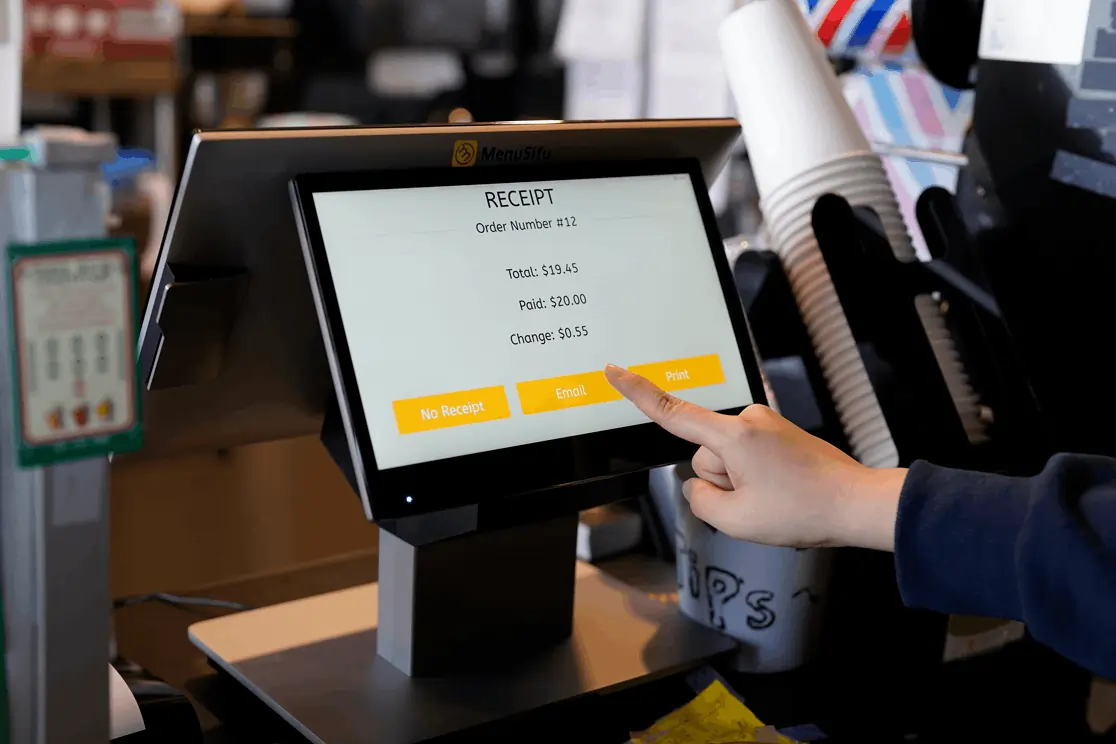
Your equipment setup should support quick prep, clean storage, and consistent drink quality. Start with the basics, then add specialty tools as your menu grows.
Here are the essentials most shops need:
When you choose suppliers, focus on consistency, availability, and product quality. Test your tea, milk, syrup, and toppings before you place larger orders. Check taste, shelf life, prep time, and how each item holds up during busy hours.
It also helps to compare suppliers on:
Try to keep your ingredient list tight in the beginning. A smaller, well-tested ingredient list is easier to manage and easier for staff to execute consistently. When your core ingredients stay consistent, your drinks are more likely to meet the same standard with every order.
Before you open, ensure the legal setup for your shop is in order. Register your business name, choose a business structure, and apply for the tax IDs your city, state, or county requires. This gives your tea business startup a clean start and helps you handle banking, payroll, and reporting from day one.
Next, apply for the permits tied to food and beverage sales. Most shops need:
Then review your location closely. Confirm that zoning allows your shop to operate there, your lease allows your equipment and signage, and your landlord approves any buildout work before construction starts. A few checks early can help you avoid delays and extra costs later.
Keep your first hires lean and practical. Most new tea shops can open with three key roles: a cashier to take orders and handle payments, a drink maker to prepare each order correctly, and a shift lead to keep the floor organized, restock supplies, and handle day-to-day issues.
Once you hire your team, train them on the tasks they will handle every day. Focus on the basics first so your shop can run smoothly from opening to closing.
Start with these core areas:
Teach recipes, portion sizes, topping amounts, sealing steps, and drink presentation. Clear prep standards help each cup stay consistent.
Show your team how to wash hands properly, store ingredients at safe temperatures, clean tools, and keep the prep area sanitary.
Train staff to greet guests, explain menu options, handle customization requests clearly, and resolve order issues calmly.
Teach your team to check sugar level, ice level, toppings, cup size, and name or pickup number before handing out each drink.
Use simple checklists for prep, cash handling, cleaning, restocking, and end-of-day counts.
Keep training easy to follow. Written recipes, short checklists, and hands-on practice can help your team learn faster and stay consistent during busy hours.
Your daily operations determine how smoothly your shop runs from open to close. Map each step clearly so your team knows who takes orders, who makes drinks, who checks items before handoff, and who handles restocking and cleanup. When each task has a place, your team can move faster and stay organized during busy periods.
It also helps to build a simple routine for the full day:
This is especially important for milk tea and bubble tea shops because each order can include different sugar levels, ice levels, toppings, and add-ons. A clear system helps your team prepare customized drinks accurately, keep lines moving, and avoid wasted ingredients during rush hours.
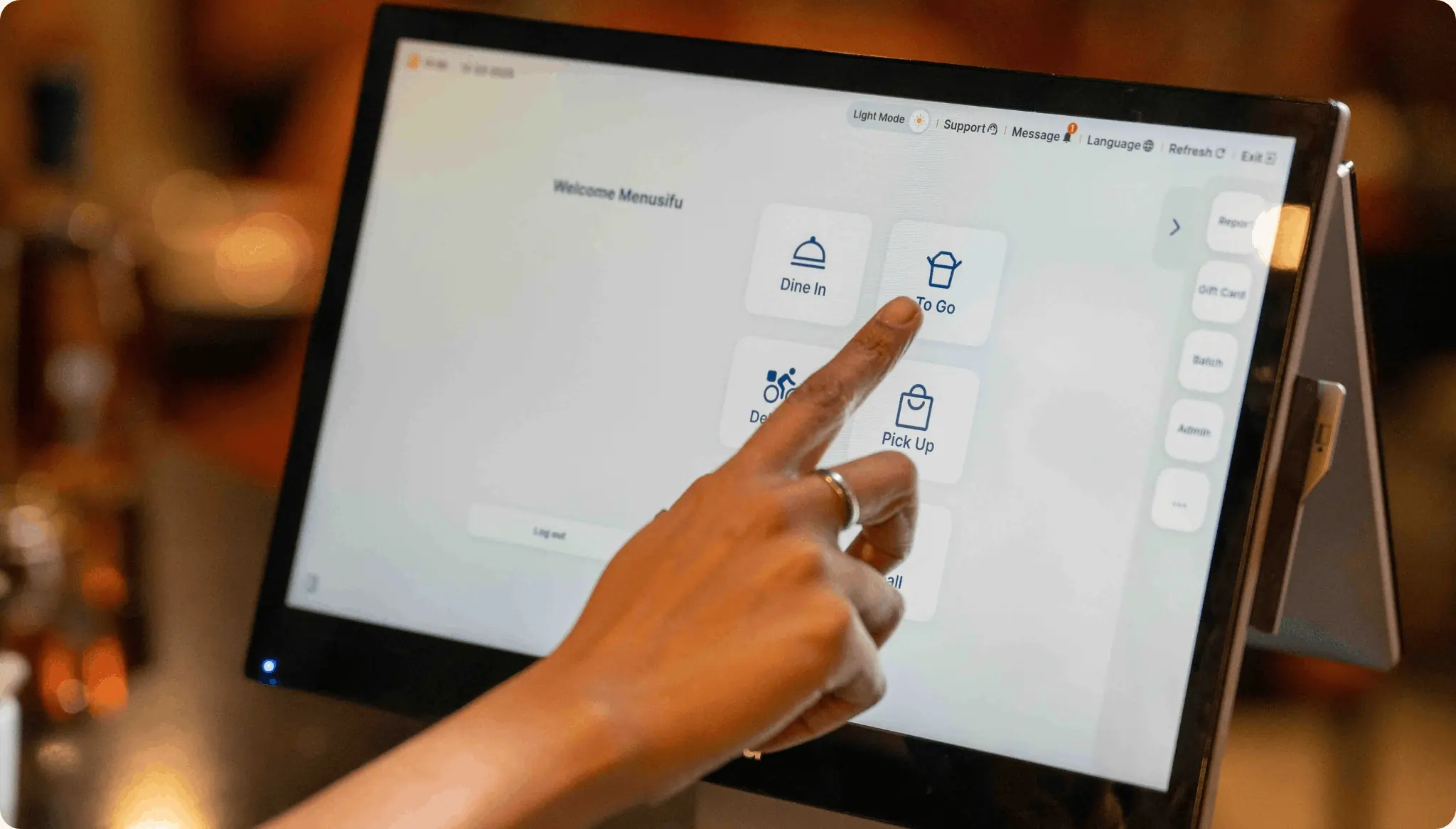
Start with technology that fits the way your shop takes orders. A basic register can process payments, but a tea shop needs a system that can handle modifiers clearly. Your POS should let your team enter drink sizes, sugar levels, ice levels, milk options, toppings, and add-ons quickly and accurately. That helps keep orders clear from checkout to drink prep, especially during busy periods.
From the start, look for tools that support your daily workflow:
For a bubble tea shop, this setup helps you stay organized as orders get more detailed. You can keep menus consistent across channels, track stock levels before key items run low, and review which drinks drive the most sales. When your technology supports both ordering and operations, your shop can handle growth with fewer slowdowns and fewer order errors.
Start building interest before your doors open. Early marketing helps you bring in your first wave of customers.
Before opening, focus on a few simple moves:
After launch, keep your shop visible and give customers a reason to return:
Keep your marketing steady. Small, consistent efforts often work better than one big push.

Many new tea shops run into the same early problems. If you catch them early, you can protect your budget, keep operations organized, and give your shop a stronger start.
A polished shop can look appealing, but high renovation costs can drain your cash before you open. Focus on a clean layout, durable fixtures, and a bar setup that supports quick drink prep.
A long menu can slow training, increase waste, and make inventory harder to manage. Start with a focused drink list, track what sells, and add new items after you see steady demand.
Payroll, milk, tea, syrups, toppings, cups, and lids add up quickly. Build room in your budget for price increases, staff training, and product waste so you do not get squeezed after opening.
Your team needs clear steps for taking orders, making drinks, restocking, and handling pickup. Written recipes, prep lists, and daily checklists help you stay consistent from day one.
A basic setup may work at launch, then create problems as order volume grows. Choose POS and ordering tools that can support drink modifiers, loyalty, online ordering, and future expansion.
Opening a milk tea shop gets easier when you keep your early decisions practical. Start with a budget you can support, a menu your team can execute well, and tools that help you stay organized from the start.
List your key expenses before you sign anything. Include rent, equipment, ingredients, permits, packaging, labor, marketing, and POS costs. Leave room for unexpected expenses so your cash flow stays healthy after opening.
Start with a tight menu built around strong sellers. Offer a few milk teas, fruit teas, and popular toppings instead of launching with too many choices. A smaller menu helps your team prep faster, control waste, and keep drink quality consistent.
Watch which drinks sell, which add-ons move, and when traffic peaks. Use your first weeks to spot patterns in customer orders. Then expand your menu, hours, or staffing based on what people actually buy.
Review ingredient usage, labor, packaging, and daily sales from the start. Small leaks in food cost or waste can add up quickly in a milk tea shop. When you track numbers early, you can adjust pricing, portions, or purchasing before problems grow.
A careful start gives your milk tea business a stronger foundation. Keep it simple, stay close to your numbers, and grow when your sales support the next step.
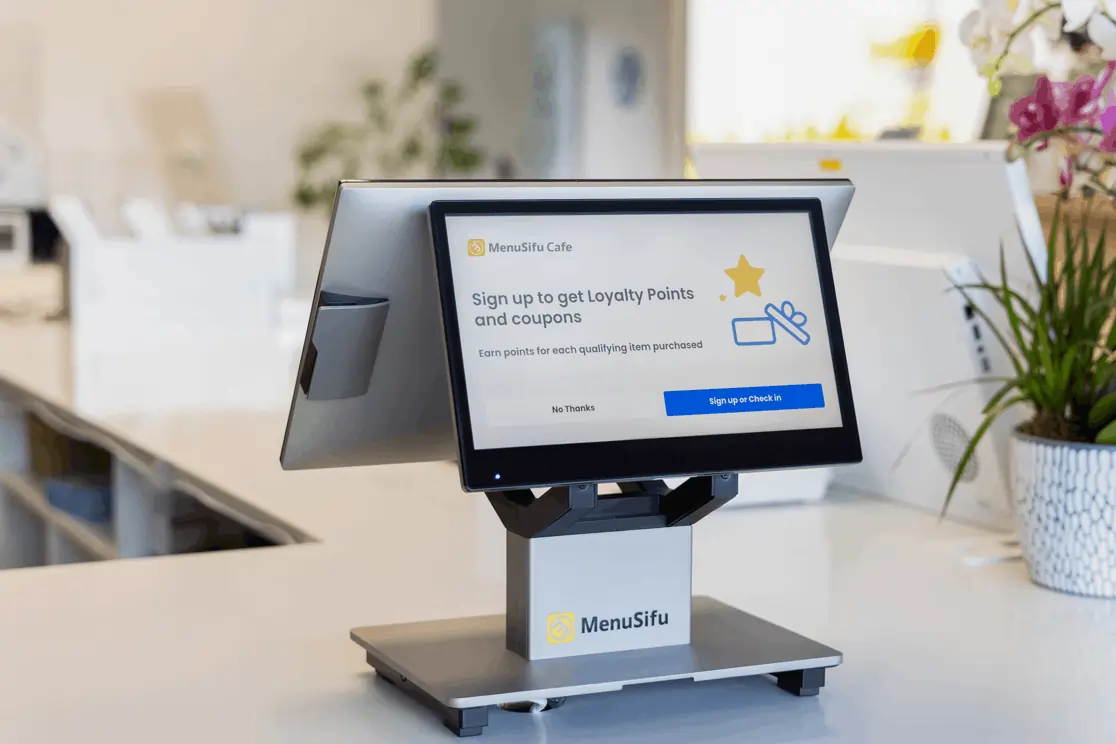
A successful tea startup begins with a clear concept, a practical budget, and systems that help your shop stay organized from day one. When your ordering, drink prep, pickup, and marketing tools work together, it becomes easier to manage custom orders, keep lines moving, and support repeat business as your shop grows.
As your shop grows, the systems you choose early can shape order accuracy, pickup flow, and repeat business.
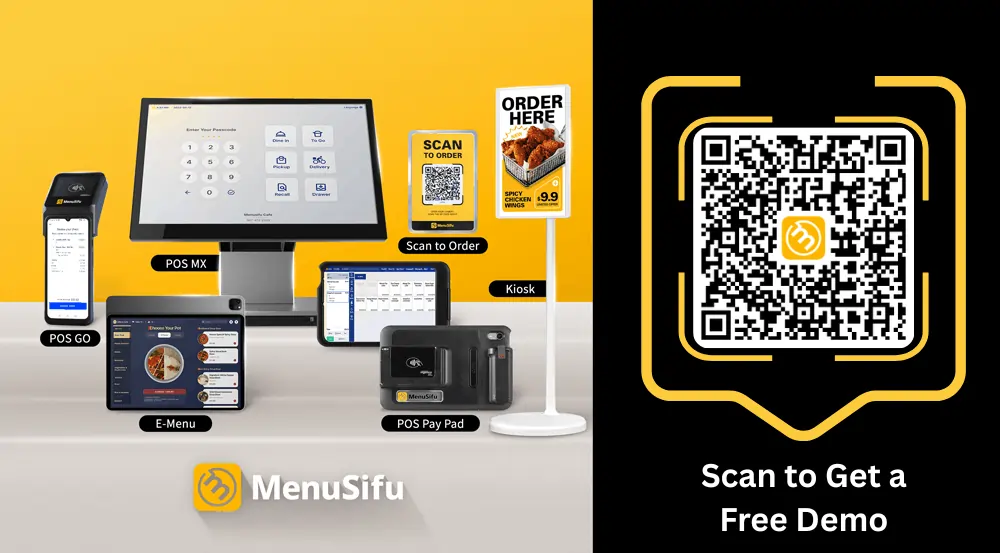
If you are looking for technology built for milk tea and boba shops, MenuSifu offers a bubble tea POS system designed for high-volume beverage operations. It supports counter ordering, self-order kiosks, QR ordering, online ordering, loyalty tools, pickup screens, and detailed drink modifiers such as sugar level, ice level, toppings, and add-ons. MenuSifu also integrates with automated boba machines, helping connect ordering, tea-making, and pickup in one workflow.
If you want to see how that setup can support your opening plan, book a Free Demo with MenuSifu today.
These FAQs cover the key details you need to plan your tea shop budget, setup, and systems. Use them to refine your next steps and avoid common startup mistakes.
Start by defining your concept. Decide what kind of tea shop you want to open, who you want to serve, and what drinks you plan to sell. That choice guides your budget, location, menu, and equipment.
Budget for rent, buildout, equipment, permits, opening inventory, packaging, staffing, marketing, and POS technology. A small tea shop usually needs less capital than a full milk tea or bubble tea store, so price each cost category before you commit to a location. Add a cash reserve for your first few months so you can cover slow sales, repairs, or supplier changes.
Location, rent, store size, equipment, and buildout usually affect the bubble tea startup cost the most. Your budget can also increase if you offer a larger menu, stock more toppings, hire a larger team, or invest in premium ingredients and advanced technology. To keep costs under control, start with a focused concept, a practical space, and equipment that fits your expected sales volume.
Control tea shop startup costs by starting with a focused menu, buying only essential equipment, and choosing a space that fits your traffic and budget. Compare suppliers, negotiate lease terms, track every expense, and add new products or upgrades only after sales support the spend.
A new bubble tea shop should use a POS system that supports drink customizations, online ordering, loyalty programs, and inventory tracking. It also helps to choose tools that support QR ordering, self-order kiosks, and pickup screens so your team can handle busy periods more efficiently. If you plan to scale, look for a system that can also connect with kitchen displays or automated boba machines for faster and more accurate drink prep.
For more ideas on opening, operating, and growing your shop, explore our blog section for additional insights and updates.
Related Articles: