September 18, 2026
Start your boba tea franchise with a clear plan. Learn how to franchise boba milk tea through brand readiness, legal prep, daily operations, and key systems.

Thinking about building a boba tea franchise, but unsure how to turn one successful shop into a repeatable brand? In this article, you will learn how to franchise boba milk tea with a clear path that covers brand readiness, operations, legal preparation, costs, and the systems that help you grow with consistency.
A boba tea franchise lets you open or grow a milk tea shop under an established brand. The brand owner gives you the right to use its name, menu, recipes, store format, and operating system. In return, the store owner pays franchise fees and follows the brand’s standards.
If you plan to start or scale a boba business, this model can give you a more structured path. Instead of building every part of the business from scratch, you work from a system that already includes brand guidelines, drink preparation standards, training, and launch support.
A franchise arrangement usually follows a simple structure:
The goal is consistency across stores. Customers should get the same drink quality, menu options, and in-store experience at each location.
Both sides have clear responsibilities.
The franchisor usually handles:
The franchisee usually handles:
That clear split helps each location stay aligned with the brand while giving you a proven structure to run the business.
Starting a milk tea brand from zero takes time. You need a name people recognize, drinks people come back for, and store routines your team can follow every day. A boba franchise can shorten that path. Instead of building each part from the ground up, you step into a model with a clear identity and tested systems.
An established brand gives your store a head start. Customers often feel more open to trying a name they have seen before, especially in a category like boba, where taste, quality, and menu variety shape repeat visits. That early recognition can help you attract traffic sooner and spend less time explaining what sets your shop apart.
A franchise also gives you a set way to run the business. Recipes, prep steps, staff training, menu structure, and store workflows are often documented before you open. That structure helps your team stay aligned, keeps drinks consistent, and supports smoother daily operations.
Franchising can also help you move faster. You do not need to test every menu item, pricing change, or store process on your own. You start with a model that has been refined over time, which can help you avoid early mistakes and focus on opening, training, and growing your store
A popular shop can attract attention, but popularity alone will not carry a franchise model. Before you franchise boba tea, your business should run on clear systems, produce healthy profit, and present a brand people recognize right away. Here are four signs your shop is ready to grow.
Your drinks should taste and look the same from one store to the next. That starts with clear recipes, prep steps, portion sizes, sweetness levels, ice settings, topping portions, and finish standards. Your team should be able to follow the process and deliver the same result every time. If drink quality still depends on owner oversight at every step, your concept needs more structure before expansion.
A franchise model needs a store that can stay profitable over time. Look at sales, labor, ingredients, rent, packaging, delivery fees, and promotions. One strong month is not enough. You want a model that holds up week after week and leaves room for franchise fees, local marketing, and day-to-day operating costs. Healthy unit economics give each new location a solid base.
Your brand should feel easy to recognize and easy to repeat. That includes your menu focus, pricing, packaging, store design, visual style, and customer experience. People should know what your shop stands for and why it stands out. A clear brand also helps new locations launch with the same look, tone, and positioning.
Franchising works best when daily routines live in a system, not in the owner’s head. Opening tasks, closing routines, prep schedules, cleaning checklists, staff training, inventory counts, and back-of-house workflows should be documented and easy to teach. If a new manager can learn the process, follow it, and manage it well, your business is closer to franchise-ready.
If you want to grow beyond one successful store, you need a plan that turns your day-to-day operations into a repeatable system. Start with proof that your concept works, then build the tools and structure that let other operators run it the same way.
Before you franchise, confirm that your shop performs well on a steady basis. Review sales, food and beverage costs, labor, ticket size, peak-hour flow, and repeat purchase patterns. Your store should show healthy margins and stable demand, not a short spike.
If possible, test the concept in a second company-owned location. That gives you a better view of how the brand performs under different teams, markets, and store layouts.
Write down every core process. Cover drink recipes, sugar and ice options, toppings, prep steps, opening and closing checklists, inventory counts, cash handling, cleaning routines, and staff training.
Keep the documents clear and easy to follow. A franchise system works best when every store can prepare drinks, train staff, and run daily tasks in the same way.
Work with a franchise attorney to build the legal side of your program. This usually includes your franchise agreement, disclosure documents, brand standards, fee structure, and territory terms.
You also need written policies for site approval, store design, equipment, approved suppliers, and brand use. Clear documentation sets expectations early and protects your business as you grow.
Franchisees need structure from day one. Create an onboarding plan that covers site selection, store setup, staff hiring, training, launch prep, and local marketing.
Support should continue after opening. Regular check-ins, refresher training, menu updates, and operating reviews help each location stay aligned with your brand.
Your tech stack should support the same workflow across every store. That includes your POS, online ordering, loyalty program, inventory tracking, and sales reports.
For boba shops, this step is especially important because customization affects every order. Sugar level, ice level, toppings, add-ons, and combo options should flow cleanly from order entry to drink prep to pickup. Multi-store reporting also helps you track performance and spot issues early.
Choose partners who fit your brand and can follow your system well. Look at financial readiness, operating discipline, local market knowledge, and willingness to complete training.
Strong franchisees do not rely solely on instinct. They follow standards, track performance, coach their team, and stay engaged with the brand after opening.
A good boba franchise starts with a strong product, but long-term growth depends on clear systems, legal preparation, steady support, and the right partners.

Franchising your boba brand takes planning, time, and capital. Before you grow, you need to lay the foundation that ensures each store follows the same standards. The total cost will vary by brand, but most expenses fall into four key areas.
Legal setup usually takes the first share of your budget. You need franchise documents that clearly define your brand standards, fees, territory terms, and operating rules. You may also need to file or register your franchise in certain states or markets, depending on where you plan to expand.
This part often includes:
Strong legal documents protect your brand and set clear expectations for each franchise location.
If you want your stores to run the same way, you need solid training and operating materials. That means documenting how your team prepares drinks, opens and closes the store, handles inventory, manages staff, and follows brand standards.
Your budget here may cover:
This work takes time, but it helps your franchise system stay consistent as you grow.
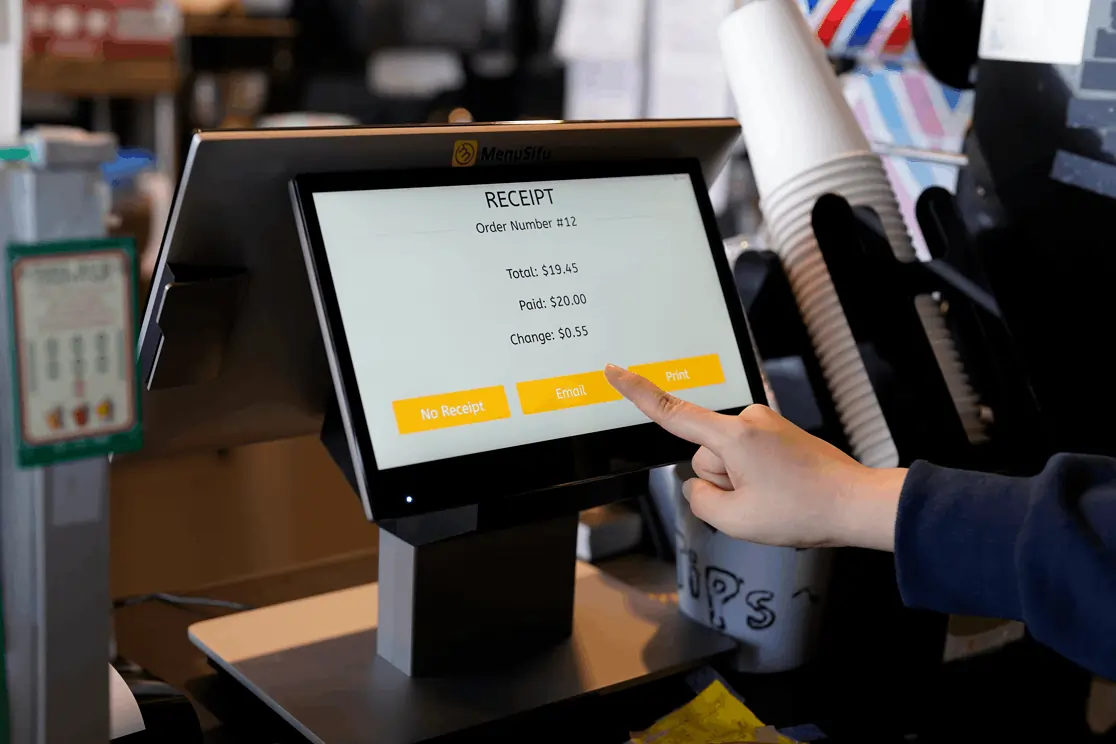
Technology helps you keep stores aligned. A strong POS setup can standardize your menu, track sales, manage modifiers like sugar and ice levels, and give you visibility across locations. You may also need inventory tools, loyalty features, online ordering, and multi-store reporting.
Common technology costs include:
For a boba brand, this part is especially important because drink customization, order flow, and store speed all affect daily operations.
You also need a budget to promote your brand and attract franchise leads. Even a strong concept needs clear messaging, sales materials, and outreach to find the right partners.
This area may include:
A good franchise offer still needs visibility. If people cannot find your brand or understand the value of your concept, growth can stall.
In short, the cost to franchise a boba tea business goes far beyond store buildout. You are investing in legal structure, training, technology, and brand growth so your concept can scale with consistency.

Opening more locations can put pressure on your recipes, supply chain, training, and store standards. If you plan ahead, you can keep your brand consistent as you grow.
Your brand depends on consistency. If one location makes drinks that taste different, look different, or take longer to prepare, customers notice right away. Small gaps in portioning, topping prep, sweetness levels, ice levels, and drink assembly can hurt repeat visits and weaken your brand. Clear recipe standards, staff training, and POS-guided customizations help each store follow the same process.
Boba shops rely on a steady flow of tea bases, pearls, syrups, powders, milk options, cups, lids, and toppings. If counts are inaccurate or vendors miss deliveries, stores can run out of key items, swap ingredients, or carry too much stock. That raises costs and disrupts the menu. Strong inventory tracking, set reorder points, and approved vendor processes help you maintain a stable supply across locations.
New franchisees need clear guidance from day one. If onboarding is rushed or communication is inconsistent, stores can drift from brand standards. Staff training may slip, daily problems can build up, and store performance can suffer. A structured onboarding plan, regular check-ins, updated manuals, and ongoing support help each location stay on track.
A popular first store can create excitement, but strong demand alone does not mean your concept is ready to franchise. If your recipes, systems, vendor network, and training program still change often, expansion can expose every weak spot at once. Build a stable model first, then grow from a stronger foundation.
As your brand grows, daily operations need to stay aligned from one location to the next. The right systems help you keep menus consistent, track stock, and review store performance with a clear view of the full business.
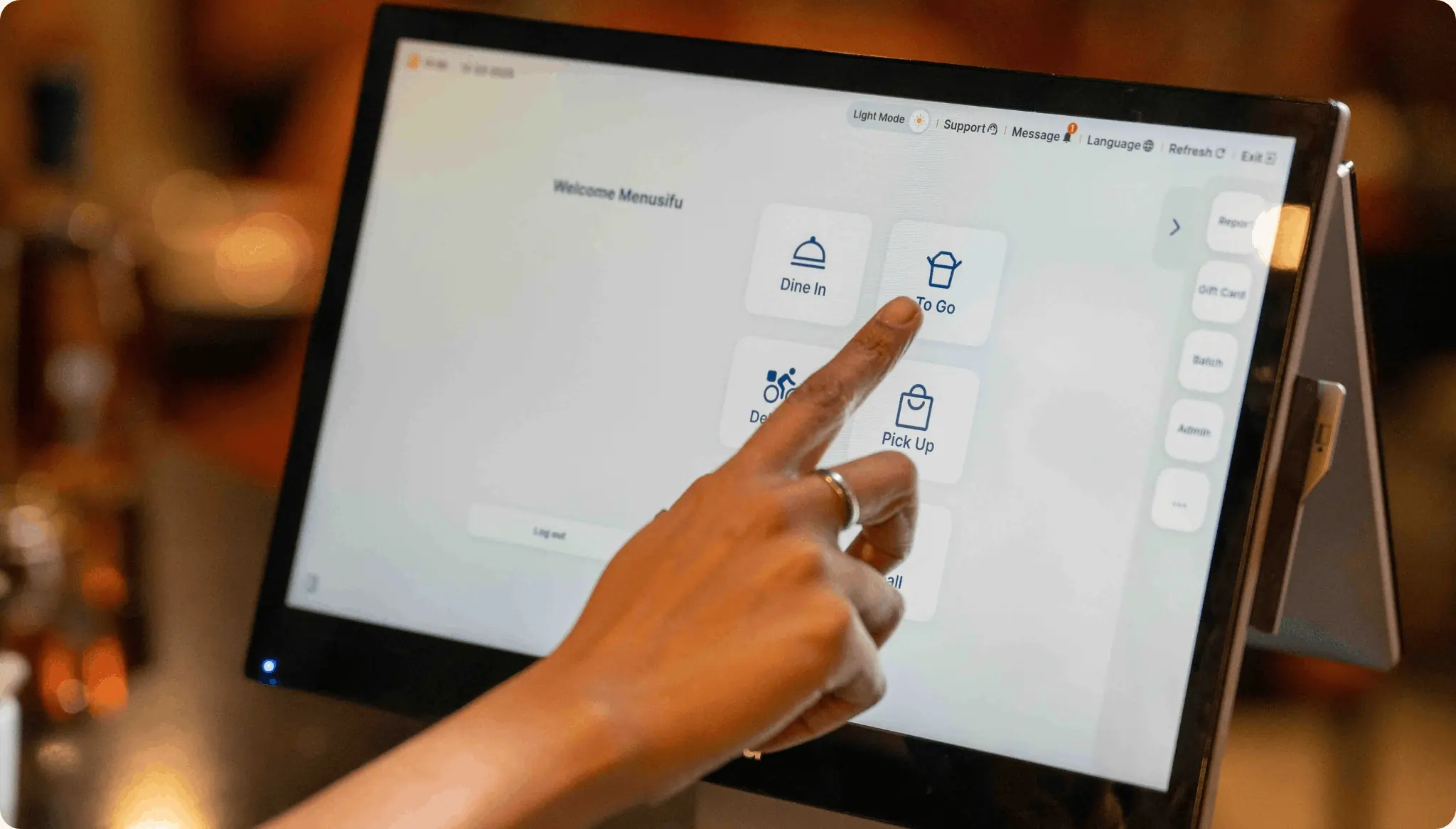
A connected POS gives you one place to manage menus, pricing, drink modifiers, promos, and loyalty across all locations. That helps each store follow the same setup and process orders in a consistent way.
It also lets you compare sales by store, by item, and by day. If one branch sells more fruit teas while another performs better with milk teas, you can adjust promotions, staffing, and menu placement based on what the numbers show.
Stock issues can hurt sales quickly in a boba shop. When you can see ingredient levels across stores, you can catch low stock early, plan transfers, and reorder before shortages affect your menu.
Better stock visibility also helps reduce waste. You can track high-use ingredients, monitor slow-moving items, and keep ordering closer to demand. That supports tighter food cost control and smoother back-of-house routines.
As more stores open, you need an easy way to review how each one performs. Centralized reporting helps you track sales, top-selling drinks, discounts, voids, peak hours, and labor trends from one dashboard.
It also helps you catch issues early. If one location shows lower average tickets, rising waste, or weaker sales during key hours, you can review the data, pinpoint the cause, and fix the process before it affects more stores.
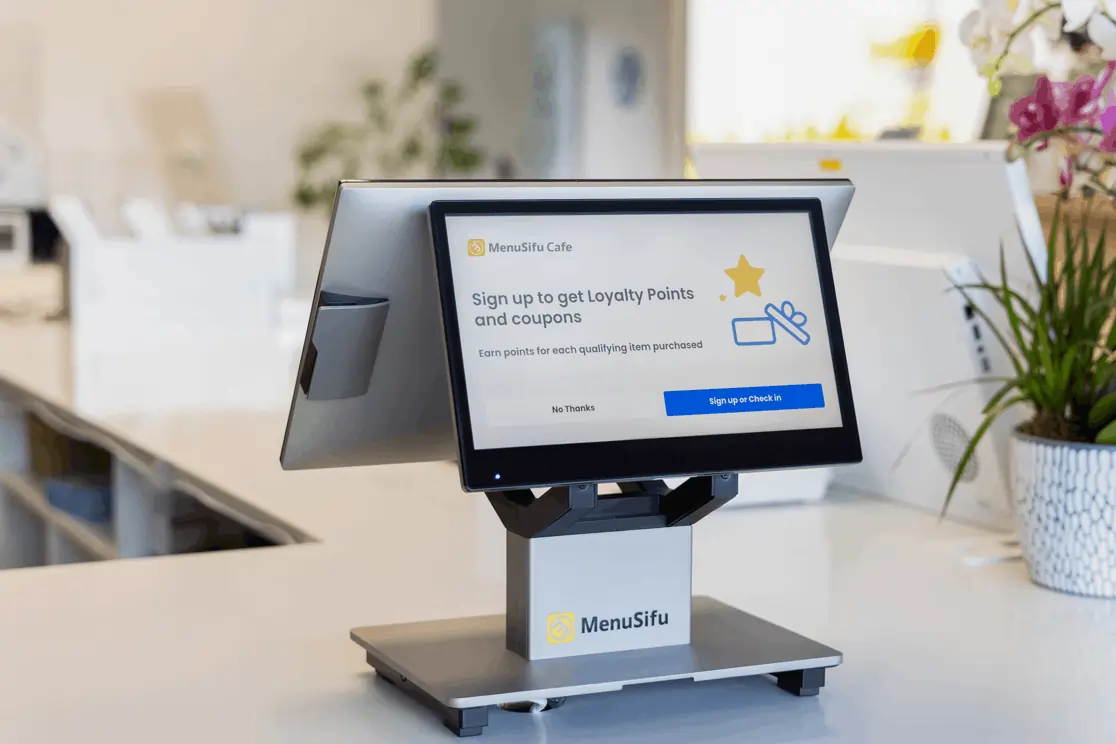
As your boba tea franchise grows, your tools need to support consistent drink quality, accurate orders, smooth pickup, and clear visibility across locations. A connected system can help you manage customizations, track store performance, support loyalty, and keep daily operations aligned from one shop to the next.
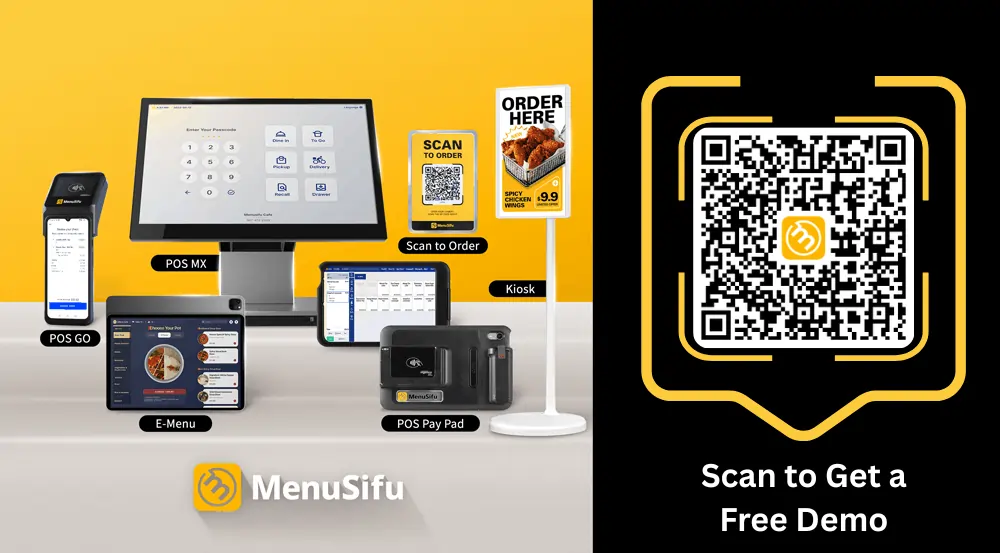
MenuSifu offers a bubble tea POS system built for the way boba shops operate. It brings together counter ordering, self-order kiosks, QR code ordering, and online ordering in one platform. It also supports detailed drink modifiers, multi-store reporting, loyalty programs, and deep integrations with automated boba machines to help keep production and pickup organized.
If you are preparing to franchise boba tea or strengthen your current operations, book a Free Demo with MenuSifu today to see how the right POS setup can support your next stage of growth.
Here are quick answers to common questions about starting and growing a boba tea franchise. Use this section to compare costs, evaluate profit potential, and plan your next steps.
A boba franchise usually costs a low- to mid-six-figure investment, with many brands falling between $200,000 and $650,000 to open. For example, Gong Cha lists an estimated initial investment of $207,450 to $648,460 per unit, while Sharetea lists a minimum total investment of $300,000 and a minimum liquid capital of $100,000. Your final cost will rise or fall based on the brand, location, store size, equipment, and build-out.
A boba shop can be profitable if you control food costs, labor, rent, and waste while keeping sales volume strong. Profit often depends on location, pricing, menu mix, and repeat business. Shops with efficient operations, popular add-ons, and steady customer traffic usually have a better chance of generating healthy margins.
Boba tea is a food and beverage franchise in the quick-service or specialty drink category. It usually focuses on milk tea, fruit tea, toppings, and other customizable beverages sold through takeout, dine-in, or kiosk-based formats. A boba tea franchise often relies on strong branding, repeatable recipes, and efficient store operations to support growth across multiple locations.
To open a boba franchise, start by researching brands that fit your budget, market, and business goals. Review the franchise fee, total startup cost, training, store requirements, and ongoing support before you apply. Once approved, secure a location, complete training, purchase equipment, hire staff, and launch with the brand’s operating system in place. A strong opening plan, clear daily procedures, and reliable POS tools can help your shop run smoothly from day one.
For more insights on restaurant growth, franchise operations, and technology for beverage shops, check out our blog section for fresh updates and practical guides.
DISCLAIMER: This article is for general informational purposes only and does not constitute legal, financial, or business advice. Franchise requirements, costs, and regulations may vary by location, so please consult qualified legal, financial, and franchise professionals before making business decisions.
Related Articles: