September 18, 2026
Looking for the right boba machine? This guide covers equipment types, workflow tips, and buying factors to help you choose the best setup for your shop.
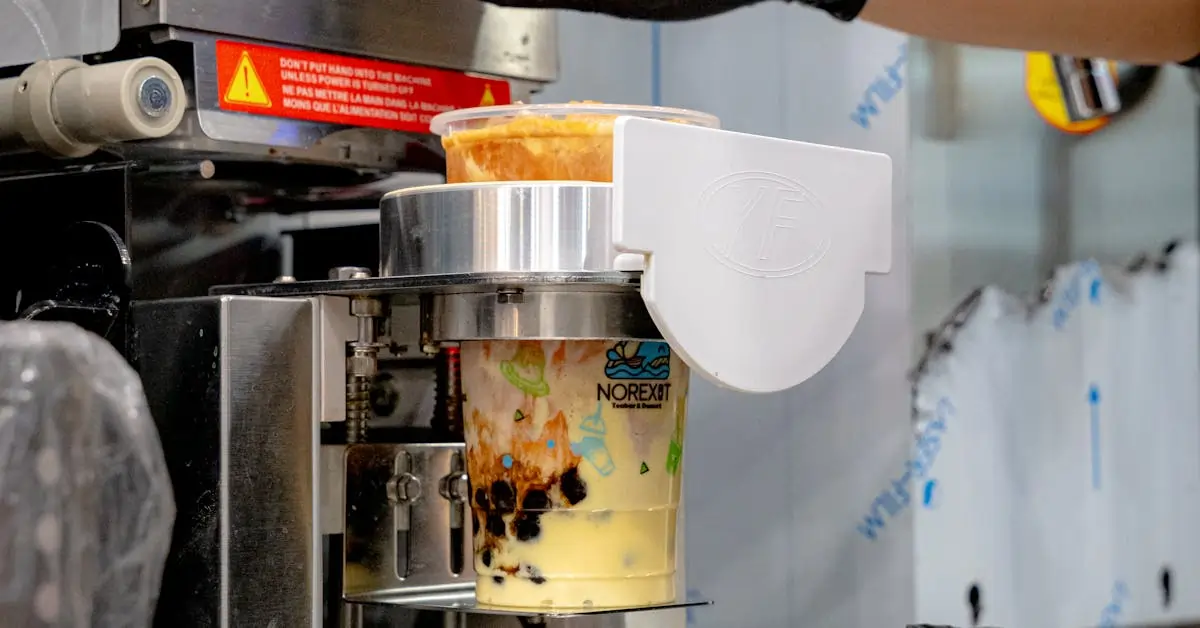
Adding bubble tea to your menu can boost drink sales, but it can also put pressure on prep speed, drink consistency, and labor at the bar. The right boba machine can help you keep orders moving, improve recipe control, and create a smoother workflow from order to pickup. So how do you choose the right setup for your menu, volume, and growth plans?
This blog covers what a boba machine is, the common types, what to look for before you buy, and how to choose a setup that fits your operation.
A boba machine is any piece of equipment that helps your team prepare bubble tea more quickly and with better consistency in a commercial setting. The term can refer to a single tool, such as a cup sealer or shaker, or a larger setup that supports several steps in drink prep.
In practice, a boba tea machine may help seal cups, shake drinks, cook tapioca pearls, maintain pearls at the right temperature, or dispense sweetener with greater accuracy. Some shops also use a connected bubble tea machine setup that links drink production with labels, order flow, and pickup.
When comparing equipment for your shop, it helps to start with the full prep line. That gives you a clearer view of which machine will save time, support drink quality, and fit your daily volume.
Here are the most common tools included in a boba machine setup:
These seal each drink quickly and give cups a clean, secure finish.
These mix tea, milk, syrups, and ice at a steady speed for more even results.
These help you cook tapioca pearls in batches and keep them ready for use.
These portion sweetener more accurately and help reduce manual measuring.
These combine several functions into one workflow and may support labeling, recipe control, and drink production.
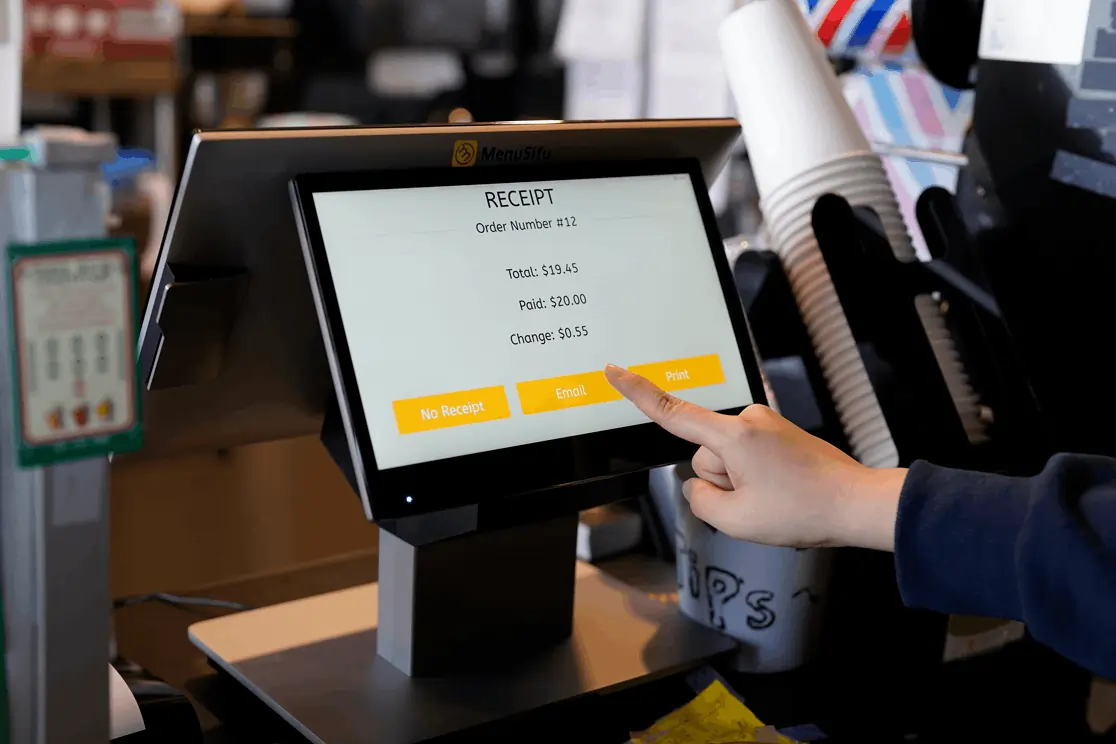
The right boba tea machine depends on how your business runs each day. Your menu, drink volume, staffing, and prep space all shape the best setup. A shop with a full bubble tea menu often needs a different workflow than a cafe adding a few milk teas or a restaurant testing specialty drinks.
If bubble tea accounts for a large share of your sales, speed and consistency should guide your equipment choice. A higher-volume shop usually benefits from a setup that supports repeatable recipes, quick drink assembly, and a smooth handoff process. That may include a sealer, shaker, fructose dispenser, tea brewer, or a more advanced boba machine that handles multiple steps with less manual work.
As drink volume grows, workflow becomes just as important as output. Your team needs equipment that helps keep orders moving, especially during rush periods. A connected setup can also help you maintain the same drink quality across shifts and locations.
A cafe or coffee shop often needs a simpler setup. If bubble tea is one part of a broader drink menu, a compact bubble tea machine setup can help you add popular items without taking over the whole counter. In many cases, the goal is to keep prep efficient while protecting space for coffee, espresso, or bakery items.
Start with the drinks you plan to sell most often. A smaller menu may only require a few core tools and a POS that handles modifiers clearly. This approach helps you add bubble tea in a practical way while keeping daily operations organized.
Restaurants, QSRs, and fast-casual brands often need equipment that supports quick order flow and simple training. A machine for bubble tea works best here when staff can learn it quickly and use it consistently during busy meal periods. Clear recipe steps, easy modifier handling, and reliable output can help your team keep drink prep aligned with the pace of the front counter.
If bubble tea is part of a larger menu, integration also plays a big role. A boba tea machine that works well with your POS can help route orders cleanly, reduce manual steps, and keep drink quality steady as sales grow.
Before you choose a bubble tea machine, focus on the features that affect daily output and long-term growth.
When drink volume picks up, small delays add up quickly. A machine for bubble tea helps your team move through orders with better speed, fewer repeated steps, and more consistent results across the bar.
A bubble tea machine helps speed up key steps like mixing, sealing, or dispensing. Your team can prepare drinks faster, keep the line moving, and handle more orders during peak periods. That extra speed can help protect ticket times when customized drinks start stacking up.
Manual prep takes time and pulls staff into the same tasks again and again. A boba machine can automate parts of the process, which helps reduce handwork at the bar. Your staff can spend less time measuring, shaking, or sealing each cup and focus more on order flow and drink handoff.
Training gets easier when the process stays clear and consistent. A boba tea machine helps standardize key steps, so new hires can learn the workflow faster. This can help your team stay aligned on drink prep, even when staff changes or shifts get busy.
Consistency helps protect drink quality and customer satisfaction. A machine for bubble tea can support more accurate portions, steady mixing, and repeatable prep steps. That helps each drink match your menu standards across shifts, staff members, and store locations.
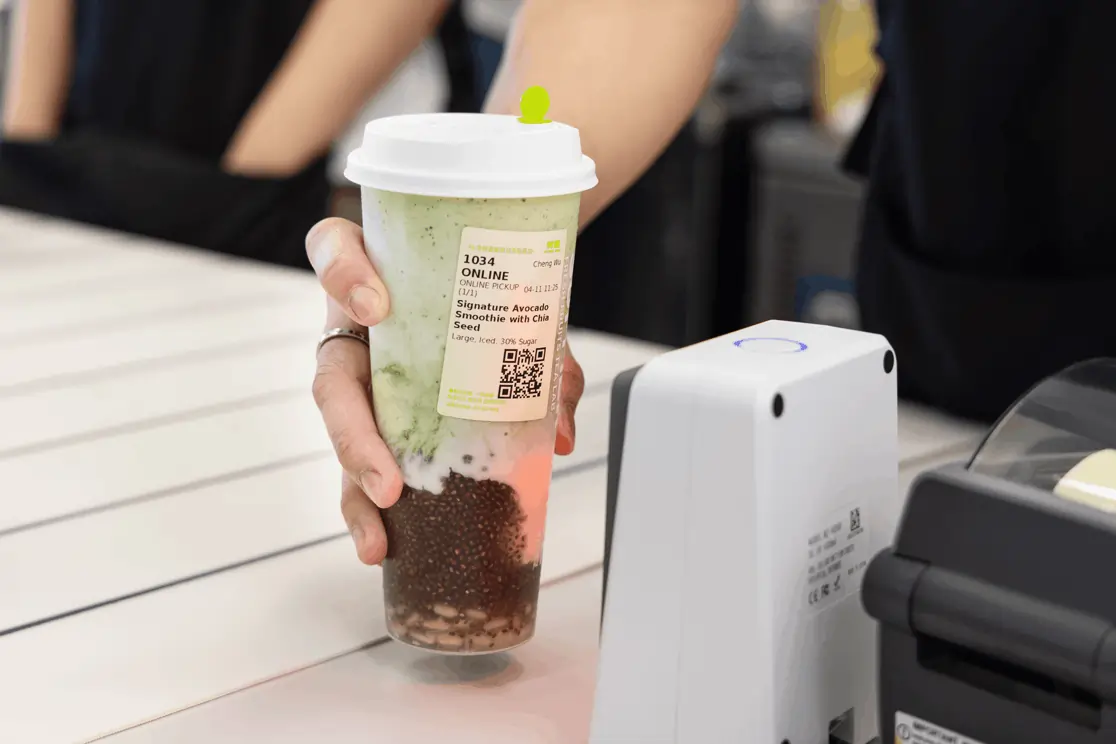
Before you choose a boba machine, take a close look at how drinks move through your shop. The right setup should fit your menu, pace, and prep area so your team can work more efficiently from day one.
Start with your projected drink count. Look at weekday traffic, weekend peaks, and promo periods. A shop producing 60 drinks a day needs a different setup than one pushing 300 cups in a few busy hours. Match machine capacity to your current volume, then leave room for growth so you do not outgrow the equipment too quickly.
Your menu should guide your equipment choice. List your tea bases, milk options, sugar levels, ice levels, toppings, and seasonal drinks. A smaller menu may work well with a simpler setup. A larger menu with heavy customization often needs stronger recipe controls and faster prep support. If each drink has several modifiers, your boba tea machine should help your team keep those details accurate.
Map out each step from order entry to pickup. Decide where staff will print labels, brew tea, add toppings, seal cups, and place finished drinks. A clear station layout can cut extra movement and help your team keep up during peak periods. If you use kiosks, QR ordering, or a POS that sends drink modifiers to the bar, make sure your bubble tea machine fits that flow cleanly.
Price is one part of the decision, but you should also look at output, upkeep, and future growth. A lower-cost unit may save money upfront, then create slower prep, higher labor needs, or more repairs later. A stronger bubble tea machine can support higher volume, steadier drink quality, and smoother expansion over time. Look at the full picture before you buy.
Your current setup may have worked when drink volume was lower. As orders grow, small delays and inconsistencies can start to affect your workflow. Here are four signs that it may be time to upgrade your boba tea machine.
If drink orders start piling up during peak hours, your equipment may no longer support your pace. Staff may spend too much time shaking, sealing, measuring, or moving cups through the station. A faster boba machine can help you keep orders moving and reduce backups at the counter and pickup area.
When drinks vary from one shift to the next, customers notice. Sugar level, ice level, tea strength, and topping portions should stay consistent across every order. If your team struggles to produce the same result each time, a more advanced bubble tea machine can help standardize recipes and improve drink quality.
Breakdowns, worn parts, and repeated repairs can slow your team and interrupt daily operations. If your current equipment needs constant attention, it may cost you more in downtime than it saves you upfront. A newer machine for bubble tea can give you better reliability and a smoother production flow.
Growth is a good sign, but it also puts more pressure on your drink station. If you are adding new drinks, extending hours, opening new locations, or seeing stronger order volume, your setup should keep up. The right boba tea machine can help you support higher output, protect drink consistency, and prepare for the next stage of growth.
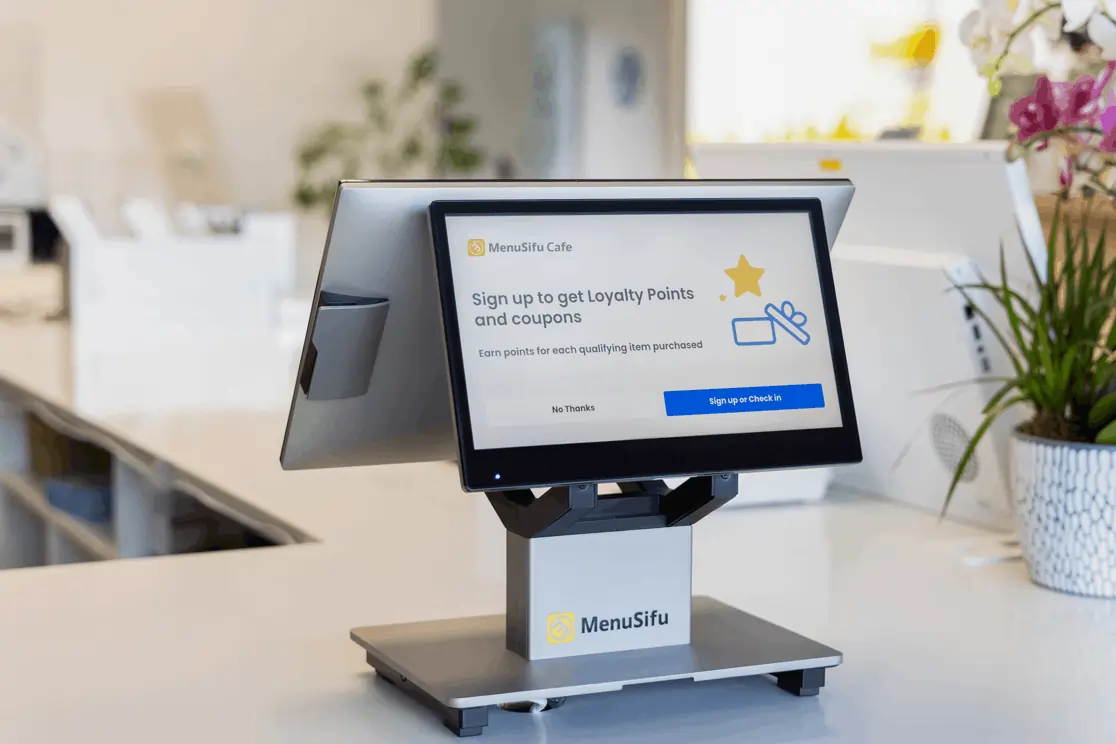
The right boba machine should fit the way your shop runs today and the way you plan to grow next. A setup that works for a small cafe may fall short in a high-volume drink bar. Start with these four areas:
A good fit helps your team work faster, keep drinks consistent, and build a smoother beverage operation over time.
Choosing the right boba machine starts with a clear view of your menu, drink volume, prep flow, and growth plans. A setup that fits your operation can help your team move orders faster, keep drink quality consistent, and support better labor efficiency from order entry to pickup.
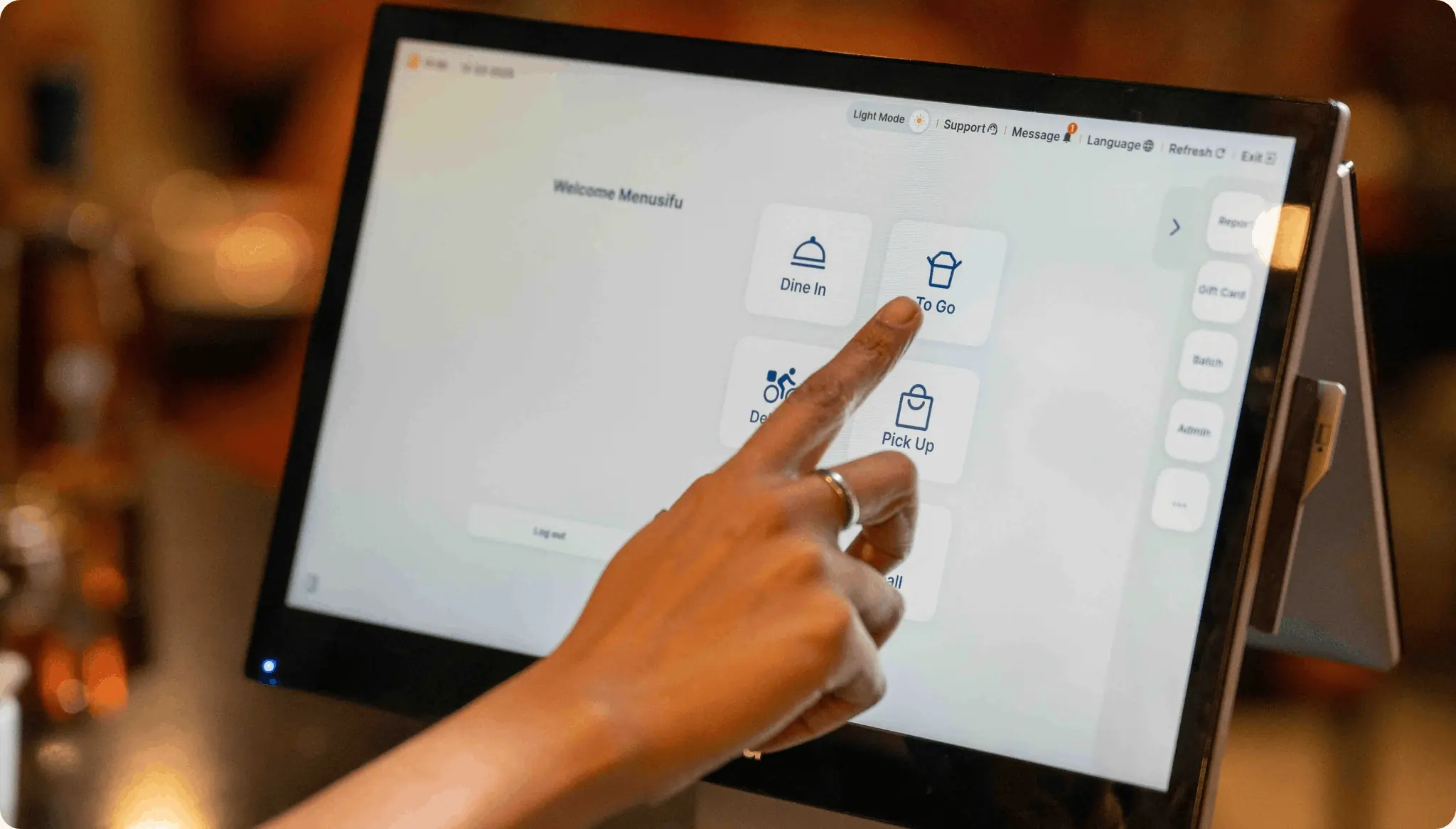
If you want to connect your boba machine to a smarter front-of-house and drink workflow, MenuSifu can help. Our bubble tea POS system links counter ordering, self-ordering kiosks, QR code ordering, and online ordering in one platform. It also supports deep integration with automated boba machines, so your team can scan an order label to start the recipe, send the pickup number to the screen, and confirm handoff with a final scan. With customizable drink menus, loyalty tools, smart queue management, and real-time reporting, MenuSifu gives your shop a more connected way to run and grow. Book a Free Demo with MenuSifu today to see how our automated boba machine can support your beverage program.
You may still have a few questions before choosing a boba machine. These quick answers can help you compare options and plan the right setup for your shop.
Boba machine costs vary based on the equipment type, production capacity, and level of automation. A basic sealer or shaker usually costs less than a fully integrated boba tea machine with brewing, portioning, and POS connectivity. Your total cost can also rise based on installation, maintenance, and the number of machines in your setup. Compare options based on drink volume, workflow, and growth plans instead of price alone.
To make boba, you typically need a tea brewer, a pearl cooker or warmer, a cup sealing machine, and a shaker or mixer. Some shops also use a fructose dispenser for accurate sweetener portions and an automated boba machine for faster drink prep. The right setup depends on your menu, drink volume, and how much of the process you want to automate.
For a small cafe, the best boba tea machine is a compact setup that fits your menu, counter space, and daily drink volume. Start with equipment that supports your core drinks, such as a cup sealer, shaker, or tea brewer. If you want faster prep and more consistent recipes, a boba machine that connects with your POS can help your team handle customizations, reduce manual steps, and keep orders moving smoothly.
Yes. Some modern setups connect the POS to labels, automated drink production, pickup screens, loyalty, and online ordering. This helps your team manage modifiers, queue flow, and reporting in one place.
Visit our blog for more insights and updates on bubble tea operations, restaurant technology, and ways to improve service with connected POS and automation tools.
Related Articles: