April 21, 2026

How to Start a Boba Tea Business: An 11-Step Guide

Learn how to start a boba tea business with practical steps for planning, permits, startup costs, menu design, operations, and a strong grand opening plan.

Love the idea of opening a boba shop, but feel stuck on costs, permits, menu planning, and daily operations? It can be hard to know what to tackle first. If you are researching how to start a boba tea business, this guide walks you through each stage so you can move from idea to opening day with a clear plan. Where should you begin?

How to Start a Boba Tea Business

Starting a boba shop takes planning, research, and an organized setup for daily operations. From shaping your concept to preparing for launch day, each step helps you build a business that is ready to open and grow. Here’s a step-by-step guide to help you get started. 

Step 1: Define Your Boba Tea Shop Concept

Start by getting clear on what kind of boba shop you want to open. Your concept shapes your brand, menu, pricing, store design, and the type of customers you want to attract. If this part feels vague, the rest of your planning will feel harder too.

Keep it simple at first. Focus on a few core decisions:

  • Brand identity: Decide how you want your shop to feel, from playful and trendy to clean and premium.
  • Drink focus: Choose your main menu direction, such as classic milk teas, fruit teas, cheese foam drinks, or specialty items.
  • Customer base: Pinpoint who you want to attract, such as students, office workers, families, or nearby residents.

Next, choose the store format that fits your budget and goals. A kiosk can help you start with a smaller footprint. A café gives you room for seating and a broader in-store experience. A takeout shop works well if you want to focus on quick turnover and pickup orders. A franchise model can give you a proven system, though it usually involves added fees and brand rules.

A clear concept helps you make better decisions later on, from location and equipment to menu design and marketing. Before moving to the next step, aim to describe your shop in one or two sentences so your idea feels focused from the start.

Step 2: Research Your Market and Competitors

Before you invest in a location, equipment, or inventory, take time to study the market around you. Look at who buys boba in your area, which drinks are popular, what customers are willing to pay, and when stores get the most traffic. This helps you shape a shop that fits local demand instead of relying on assumptions.

Next, visit nearby boba shops and review their menus, pricing, promotions, store setup, and customer feedback. Pay close attention to what they do well and where they fall short. You may spot an opening for better pricing, a cleaner menu, a quicker order process, or flavors that local customers cannot easily find.

Focus on a few key areas as you research:

  • Customer demand: Find out who is buying boba and what they order most often.
  • Pricing: Compare drink prices, add-on charges, and combo offers.
  • Competition: Review nearby shops, cafés, and dessert stores that sell similar drinks.
  • Market gaps: Look for unmet needs you can fill with your concept.

Strong research can help you choose a clearer direction for your shop and avoid costly mistakes early on.

Step 3: Create a Business Plan

After you research your market and competitors, put your ideas into a business plan. This step helps you organize your concept, estimate your startup costs, set sales goals, and map out how your shop will run day to day.

Keep your plan focused and practical. Include: 

  • Your shop concept and brand direction
  • Startup costs for rent, equipment, ingredients, permits, staffing, and marketing
  • Your target market and local demand
  • Revenue goals and monthly sales estimates
  • Your marketing plan for attracting new and repeat customers
  • Your operations plan for ordering, prep, staffing, and daily workflows

Your business plan does not need to be long. It needs to be clear. A solid plan can help you make better decisions, stay on budget, and explain your business clearly if you apply for funding.

Step 4: Calculate Startup Costs and Secure Funding

Before you sign a lease or buy equipment, map out what your shop will cost to open. A clear budget helps you set priorities, avoid overspending, and see how much cash you need before your first sale.

Start by listing your main startup expenses, such as:

  • Rent and security deposit
  • Renovations and signage
  • Equipment and smallwares
  • Ingredients and packaging
  • Licenses and permits
  • Payroll and training
  • Marketing for your launch

Once you have your estimates, add extra room for unexpected costs. Small expenses can add up quickly during setup, so give yourself a buffer instead of planning down to the last dollar.

Then look at how you will fund the business. You might use personal savings, a small business loan, or outside investors. Choose the option that fits your budget and repayment capacity. If you plan to apply for funding, keep your business plan, cost estimates, and sales projections organized so you can present a clear case for your shop.

Step 5: Choose the Right Location

Your location can shape foot traffic, visibility, and long-term sales. Look for an area that puts your shop near the people most likely to buy your drinks, such as students, office workers, shoppers, or families. A strong spot should make it easy for customers to find you, stop by, and place an order.

As you compare locations, focus on a few key details:

  • Foot traffic: Check how many people pass by during lunch, afternoons, evenings, and weekends
  • Customer fit: Pick an area that matches the crowd you want to attract
  • Rent and overhead: Make sure the cost fits your budget and sales goals
  • Accessibility: Look at parking, walkability, and pickup convenience
  • Nearby businesses: Look for stores and venues that can help bring in steady traffic

Visit each area at different times of day before you decide. A location may look busy in the afternoon but feel quiet during the hours you expect your biggest sales. The right space should support your concept, fit your budget, and give your shop room to grow.

Step 6: Register Your Business and Get the Required Permits

Before you start selling drinks, make your business official. Choose a business structure that fits your goals, such as a sole proprietorship, partnership, LLC, or corporation. Many first-time owners choose an LLC for liability protection, but the best option depends on your ownership plan, tax setup, and local rules. 

Next, apply for the licenses and permits required in your area. The exact requirements depend on your city, county, state, store format, and the type of food or drinks you plan to sell. A boba shop may need a business license, sales tax registration, health department approval, and other local permits tied to your location and build-out. Check with your local city office, county office, and health department early so you know what applies to your shop. One missing form or delayed inspection can push back your opening date.

It also helps to confirm a few other items, such as:

  • zoning approval for your location
  • signage permits
  • fire and building inspections
  • employer registrations and tax requirements if you plan to hire staff 

Start this step as soon as you lock in your site. Early paperwork gives you more time to focus on build-out, hiring, and opening prep.

Step 7: Source Equipment and Ingredients

Once your permits are in progress, start building the setup behind your drinks. Focus first on the equipment and ingredients you need to prepare your menu well, keep prep organized, and support steady output during busy hours.

Start with your core tools, such as:

  • sealing machines
  • shakers
  • blenders
  • tea brewers
  • refrigerators
  • cups, lids, and straws
  • storage containers and prep tools

Buy for your current menu, not your future wish list. If you plan to open with milk teas, fruit teas, and a few toppings, build around that lineup first. This helps you control costs and keep your setup practical.

Then choose suppliers for tea, tapioca pearls, syrups, milk, powders, and toppings. Look for vendors that offer stable product quality, fair pricing, and dependable delivery times. Before placing large orders, test your ingredients in actual drink recipes so you can check taste, texture, and prep time.

It also helps to keep at least one backup supplier for key items. If pearls, cups, or milk run short, you do not want your shop stuck waiting on one vendor. A solid supply plan helps you open with fewer disruptions and keep your drinks consistent from day one.

Step 8: Build Your Menu and Set Your Prices

Once you have your equipment and suppliers in place, focus on your menu. Start with a small lineup of drinks and add-ons that fit your concept and are easy for your team to prepare well. You can begin with core categories like milk teas, fruit teas, smoothies, and a few topping options such as boba, jelly, or pudding. A tighter menu helps you train staff faster, manage inventory more carefully, and see which items customers order most before you expand.

Next, set prices with a clear view of your costs. Look at ingredient cost per drink, labor, rent, packaging, and local pricing in your area. Then price each item so your shop stays competitive while still protecting your margins. Keep customizations clear for size, sweetness, ice level, milk type, and toppings so customers can order easily and your team can ring up drinks accurately.

Step 9: Set Up Your Store Operations

Before you open, map out how each order moves through your shop from checkout to handoff. An organized setup helps your team work faster, keep orders accurate, and reduce bottlenecks during busy hours. 

Focus on these core areas:

  • Order taking: Choose how customers will place orders at the counter, through self-order kiosks, QR codes, or online.
  • Drink preparation: Set up your prep station so staff can move from tea brewing to topping, sealing, and labeling in a smooth flow.
  • Pickup: Create a clear handoff area so customers know where to wait and staff can call completed orders efficiently.
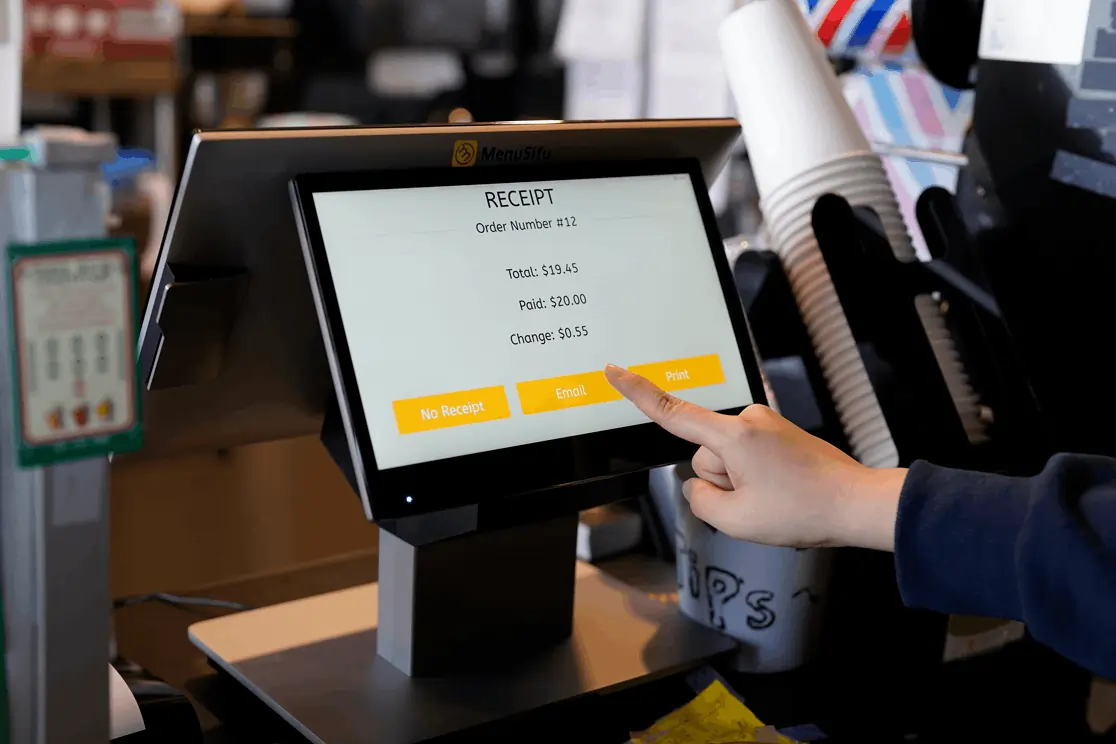
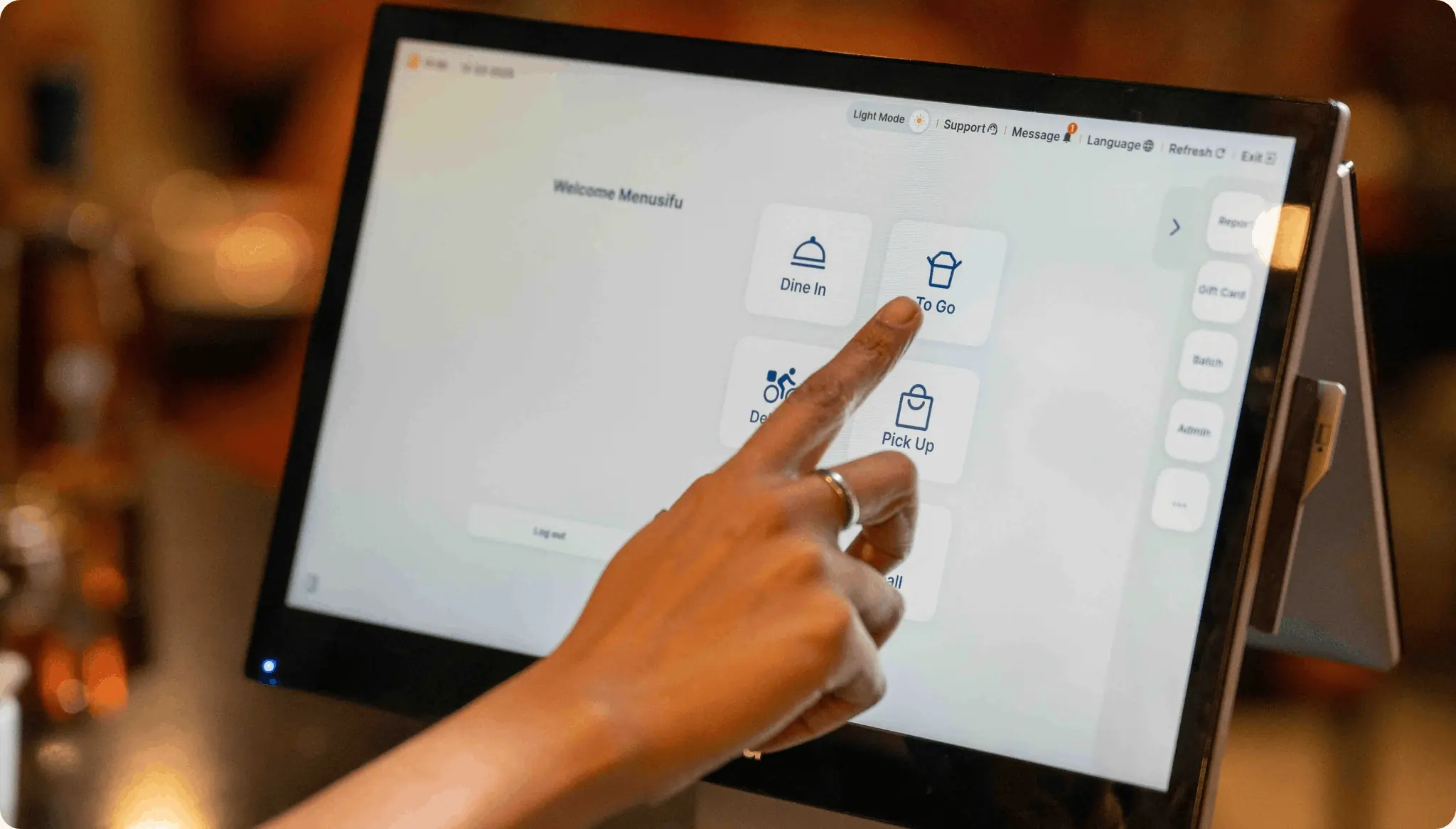
  • Payments: Use a POS system that can handle customizations, split payments, and order tracking in one place.
  • Inventory: Track ingredients, cups, lids, and toppings so you can restock on time and avoid waste.
  • Daily reporting: Review sales, top-selling drinks, and peak order times so you can adjust staffing, prep, and purchasing.

When your workflow is organized from the start, your shop can operate more smoothly and stay easier to manage as sales grow.

Step 10: Hire and Train Your Team

Once your workflow is in place, hire a team that can keep orders accurate, stay organized during busy hours, and create a welcoming experience for each customer. Look for people who learn quickly, follow recipes closely, and communicate clearly. For your first store, a small team with strong habits often works better than a larger team with uneven training.

Keep training simple and consistent from day one. Give each team member clear drink recipes, prep standards, sanitation rules, and opening and closing checklists. Then walk them through your POS, common drink customizations, and pickup flow so they know how each order moves through the shop.

Focus your training on the basics your team will use every day:

  • Drink preparation and portion control
  • Food safety and cleaning procedures
  • Customer interactions and order accuracy
  • Opening, closing, and shift handoff tasks

Short practice sessions can help your team build speed and accuracy before your grand opening. When everyone follows the same process, your shop can operate more smoothly from the start.

Step 11: Promote Your Grand Opening

Your grand opening gives people a reason to notice your shop and place that first order. Start building interest a few weeks before opening through social media posts, short videos, menu previews, and opening-day updates. You can also work with nearby schools, offices, gyms, or small businesses to get your name in front of local buyers. Keep your message clear about what you sell, when you open, and why people should visit. 

To bring in early traffic, give people a strong reason to try your shop right away. You can use:

  • limited-time opening offers
  • buy-one-get-one deals on select drinks
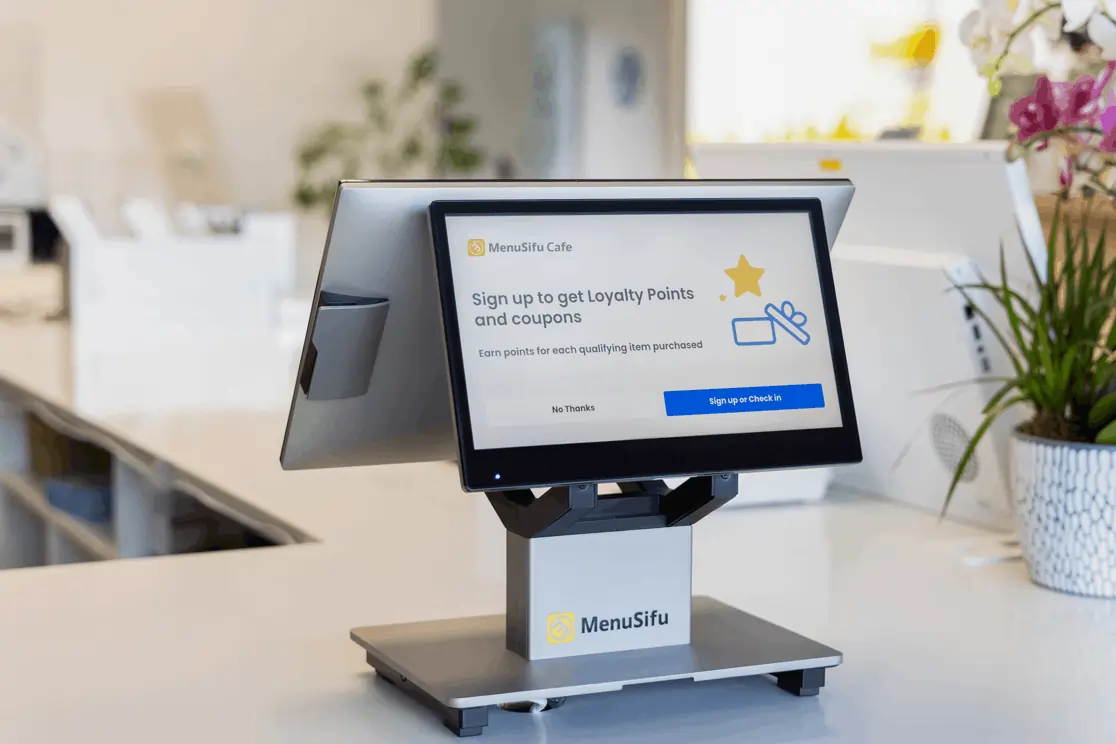
  • loyalty sign-up rewards
  • referral discounts for bringing in a friend

After launch, keep the momentum going. Post regularly, highlight your best-selling drinks, and track which offers bring in the most orders. A strong opening promotion can help turn first-time visitors into repeat customers.

Set Your Boba Shop Up for Long-Term Growth

Opening your first boba shop takes a clear plan, steady execution, and the right tools behind the counter. Once you have your concept, menu, location, and launch plan in place, the next step is choosing systems that help your shop take orders accurately, keep drink prep organized, and bring customers back.

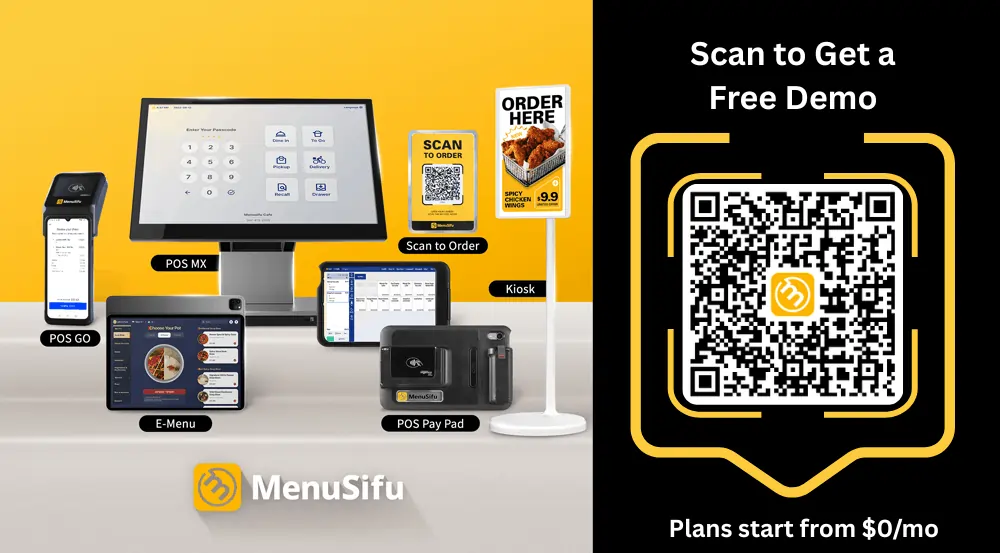
A reliable bubble tea POS system can support that process from day one. MenuSifu brings ordering, tea machine integration, pickup flow, and marketing into one connected setup. Your shop can take orders at the counter, through self-order kiosks, and by QR code, then send drink details into production, show pickup numbers on screen, and track orders through completion. You can also manage loyalty, promos, online ordering, and delivery in one place, which helps keep operations organized as your shop grows. 

Because MenuSifu works closely with Asian food and beverage businesses, it offers tools built for boba tea shops, from detailed drink customizations to integrated hardware and marketing support. It also connects with payment, financing, consulting, and marketing resources, which can help simplify setup as you build your business.

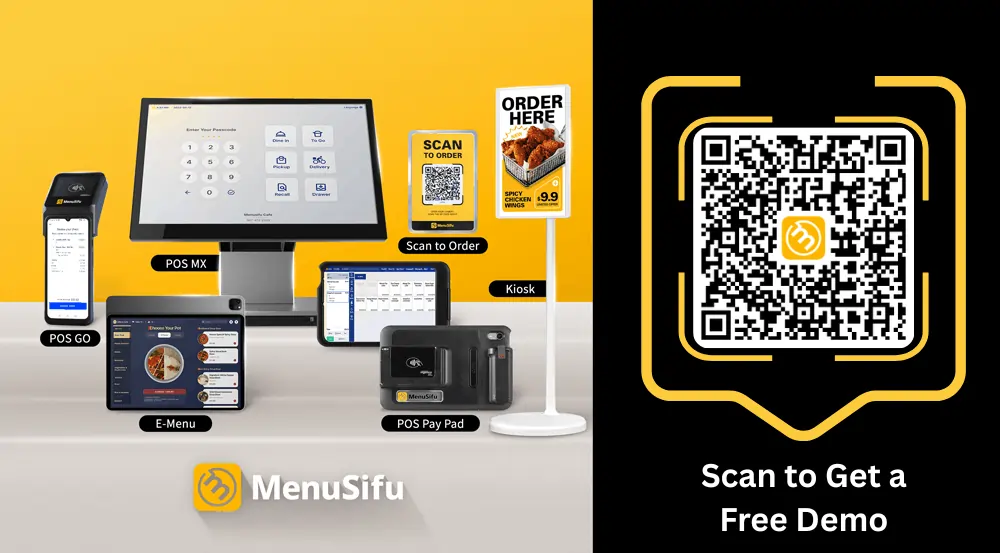
If you want to see how a POS platform can support your opening plan, book a Free Demo with MenuSifu today.

Frequently Asked Questions About How to Start a Boba Tea Business

These quick FAQs cover the key details you may still want to sort out before opening your shop. Use them to review startup costs, permits, equipment, and the steps needed to launch smoothly. 

How Much Does It Cost to Start a Bubble Tea Business?

Starting a bubble tea business can cost anywhere from around $15,000 to $200,000, but costs vary widely based on your location, store format, build-out, equipment, permits, and opening inventory. Smaller kiosk-style shops may cost less, while larger café-style locations can cost much more. 

How Do I Open My Own Boba Shop?

To open your own boba shop, choose your concept, study your local market, write a business plan, estimate startup costs, secure funding, find a good location, register your business, get the required permits, source equipment and ingredients, build your menu, set your prices, set up daily operations, hire staff, and promote your launch. Start with a clear plan so you can open with a shop that is organized, compliant, and ready for customers. 

Can You Start a Boba Tea Business in a Small Space?

Yes. You can launch a boba tea business in a small space if you keep the menu focused, choose compact equipment, and design the layout for fast prep and pickup. Many owners start with a kiosk, counter-service shop, or another compact format, and some may use shared kitchen space where local rules allow to lower rent and control costs while they build demand. 

What Licenses Do You Need to Open a Boba Tea Shop?

The licenses and permits you need will depend on your location, store format, and local health rules. Many boba tea shops need a business license, sales tax registration, and health department approval, while some locations may also require zoning clearance, signage permits, and fire or building inspections. 

If you hire staff, you will generally need an employer identification number, payroll tax setup, and any state-required employer registrations. Depending on your state, that may also include workers’ compensation and unemployment insurance. Check with your city, county, and state agencies before opening so you can confirm the exact requirements for your shop.

What Equipment Is Essential for a Boba Tea Business?

Essential equipment for a boba tea business includes tea brewers, sealers or cup lidding machines, shakers, blenders, refrigerators, ice makers, tapioca pearl cookers, storage containers, and a point-of-sale system. You also need measuring tools, prep tables, sinks, and quality cups, lids, and straws to keep service fast and drinks consistent. 

For more tips on opening and growing your shop, visit our blog for more insights and updates.

DISCLAIMER: This article is for general informational purposes only and does not provide legal, tax, licensing, or financial advice. Requirements for opening a boba tea shop vary by location, so check with your local city, county, and state agencies before making business decisions. 

Related Articles:

想把餐厅越开越好?
免费订阅,持续获取行业报告、经营洞察与实用工具。