July 13, 2026
Discover what a restaurant server does, their key responsibilities, required skills, and tips for success in this fast-paced, customer-focused role.
Hiring servers isn't just about filling shifts. Service drives repeat business, shapes guest perception, and impacts your bottom line. Still, many operators struggle with defining what makes a great server or setting clear expectations for the role.
So what is a server in a restaurant, really? And how do you set them up for success from day one?
This guide breaks down the role, outlines essential skills, and helps you build a sharper, more reliable front-of-house team.
A restaurant server acts as the primary link between your guests, kitchen, and front-of-house operations. This role directly influences service quality, table turnover, guest satisfaction, and revenue per cover. Servers manage the flow of service from the moment guests sit down through payment and table reset, while representing your brand on the floor at all times.
From an operational standpoint, a server is responsible for executing your service standards consistently. That includes accurate order taking, menu guidance, coordination with the kitchen and bar, timely food delivery, table maintenance, and payment handling. Strong servers help your restaurant run predictably during peak hours and recover quickly when service issues arise.
There is no difference in duties or scope of work. The distinction comes from language, not responsibility.
Most restaurants now use the term 'server' in job descriptions, training materials, and operations manuals. This term supports inclusive hiring practices and keeps internal documentation consistent.

The primary duty of a server is to serve quality products to guests with a pleasant attitude and provide outstanding customer service.
First, to be a good server or to hire a good server, there needs to be clear, firm, and reasonable rules and expectations set in place for job satisfaction and effective and efficient service.
A standard set of rules and expectations can look something like this:

Working in the restaurant industry is not the most glamorous job, but the hard work is always paid off with great tips, a collaborative team, and good food, especially if you manage to pull off memorable dining experiences for your guests.
A good thing to note is that most restaurants don't require educational qualifications or prior experience. What they look for in potential candidates are useful soft skills, a willingness to learn, and perseverance in the face of chaos in a fast-paced environment.

This is one of the most important tasks as it defines and dramatically changes how efficiently and smoothly the entire restaurant runs. From the shape of the tables to the number of chairs, from the spacing between the tables to the length of the bar area, everything matters and WILL make a difference in the daily flow of the restaurant.
This will most likely stay the same from day to day, but when large parties show up, or when renting out the entire restaurant, this is an important factor to keep in mind.
Different types of customers require different restaurant table arrangements.
As a server, you are one of the first faces a customer will see and interact with, and it will define how the rest of the evening will be.
Greeting guests with a friendly attitude and exceptional customer service, you will make a strong first impression and increase customer satisfaction, leading to regular customers.
Excellent customer service skills are definitely a must-have when working in a restaurant, especially as a server, and they are among the first things to look for when hiring the right server.
Being a part of the house staff, you should have quite thorough menu knowledge from the training process, especially the training on menu items. Knowing the daily specials is always a must, and using communication skills with the kitchen staff will ensure you stay up to date.
Comprehensive training programs play an integral role in onboarding a new server and are often set up by the restaurant to help you adjust to your new workspace and show you your primary responsibilities.
Whether the restaurant is casual or high-end, knowing the menu by heart is crucial if you want to keep a busy restaurant under control. With this knowledge, you will be able to address customer questions and complaints, offer recommendations to guests, and introduce restaurant specials, all with seamless service as the ultimate goal.
To equip all your restaurant servers and staff with the right knowledge and skills, providing a restaurant employee handbook is an important aspect of the job training process.
Taking orders seems easy, but only qualified candidates can maintain a high level of service with any type of customer and customer interaction.
Servers need active listening and effective communication skills to handle the responsibility of taking orders, especially at a large table. Typical responsibilities when taking orders include building rapport with customers, explaining beverages to guests, suggesting food for customers, and, most importantly, correctly remembering and entering the orders for each seat at the party.
Another way to increase efficiency in ordering and day-to-day operations is to allow guests to order from a device or via a QR code. With MenuSifu's E-Menu, you can provide guests with a clear, drool-worthy picture and description of each menu item, and they can place their order directly at their table. Guests can customize their orders by adjusting ingredients, personalizing dishes, and leaving notes about any allergies right on the device. It's also a great way to help the environment by going paperless with menus.
Some customers actually prefer minimal interaction with servers, and with the E-Menu, your restaurant can provide an even more enjoyable dining experience.
Clearing and cleaning the table efficiently is of the utmost importance in the restaurant business, as a high turnover rate is vital to both the restaurant and its owners.
Having a spotless table will not leave an impression on customers, but having a dirty one most certainly will, and as a server, you want to present the best experience for guests.
Keeping a restaurant clean starts with the tables and is vital to positive reviews and smooth daily operations.
Being a server means you are a food runner, too. The broader your skill set, the better, and being able to quickly adapt and be a flexible team player is what will make you a successful server.
You must be able to lift heavy trays, move heavy tables, and bring all the food to customers when kitchen personnel call it out. Having hands-on experience is the only way to improve and become accustomed to this essential task.
Clearing leftover food is equally important as bringing food to customers, and if the restaurant you work at has a routine in place that meets food safety guidelines, you will have a much easier time with restaurant maintenance.
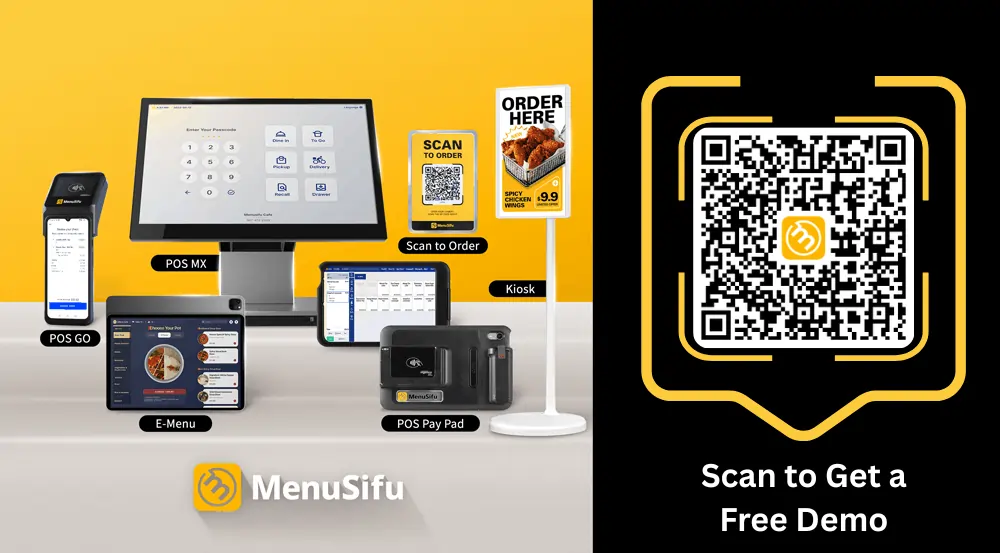
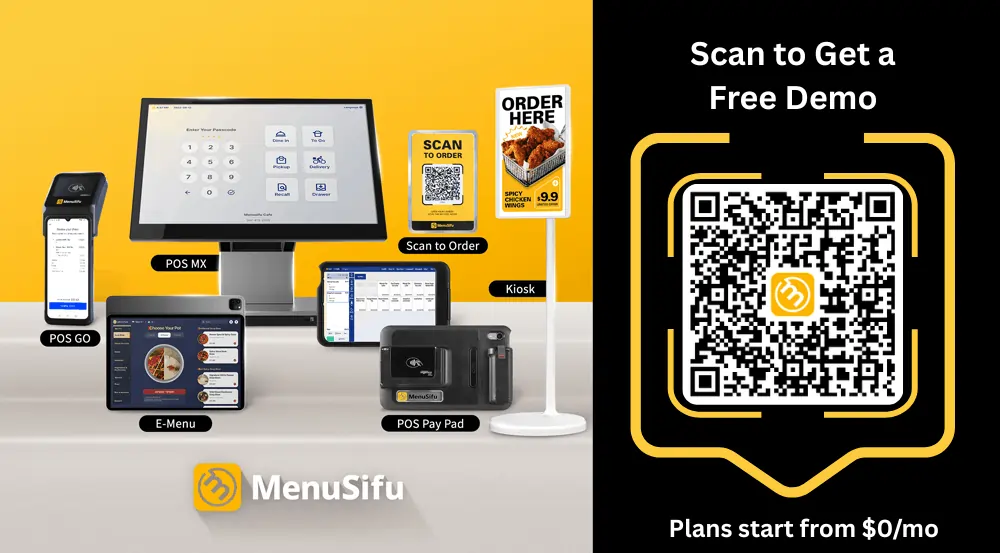
Collecting payments can be made simple with MenuSifu's products, such as the POS MX, the POS Pay Pad, and the QR Code Scan to Order system.
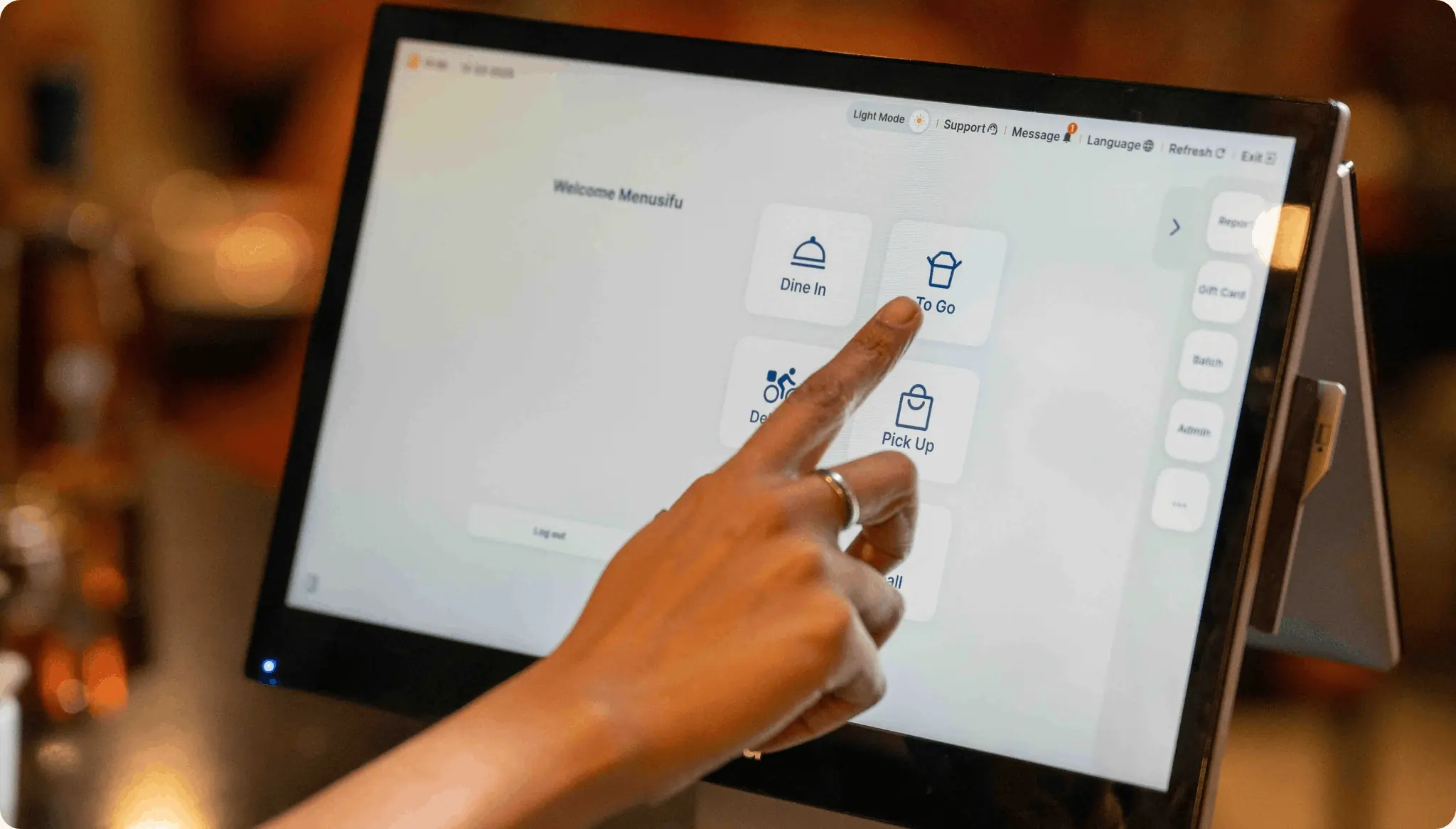
The POS MX is an ultra-powerful system that doubles restaurant efficiency, provides payment security and cloud backup, and enables data analysis for restaurant owners and management.
The POS Pay Pad is the ultimate device that lets guests order, scan, and pay anytime, anywhere. With the assistance of the on-the-go pay pad, restaurant staff can efficiently and conveniently take customer orders and process payments wherever and whenever needed, ensuring product quality.
The QR Code Scan-to-Order system is the most efficient and accurate ordering system, allowing guests to order directly from their device of choice. It can help restaurants speed up table turnover and increase order volume by 40%. With Scan to Order, customers can take their time to make choices, reducing pressure and improving overall satisfaction. The system can also provide real-time updates on order status, keeping customers informed and engaged throughout their dining experience.
When hiring servers, focus on real-world qualities over resume lines. Instead of asking only about past jobs, assess how applicants communicate, handle pressure, and solve problems.
Here are a few practical questions to include in your server interviews:
Use these questions to understand how each candidate fits your service style, pace, and team culture.
The average hourly pay for a restaurant server in NYC is $18.42, though tips often push total earnings much higher. In busy or upscale venues, experienced servers can bring in $1,000 or more per week.
Income depends on location, tip culture, shifts worked, and individual performance. Make sure your pay structure aligns with your expectations and local standards to attract and retain talent.

Servers shape your guests’ experience from the first greeting to the final check. When expectations are defined and supported by tools that match your flow, everything from order accuracy to table turnover improves. Well-trained staff with the right systems in place don’t just react — they lead service with confidence.
A POS that supports real-time communication, flexible ordering, and efficient payment handling makes all the difference. If you're looking for a system designed with these needs in mind, you can schedule a hands-on demo with MenuSifu to see it in action during actual service scenarios. It’s a chance to explore how the right tools can keep your floor running smoothly, even during the rush.
Here are answers to some common questions about the role, pay, and expectations of restaurant servers.
"Server" and "waiter" mean the same thing in most restaurants. Both terms refer to the person who takes orders, delivers food, and attends to guests at their table. "Server" is a more modern, gender-neutral term, while "waiter" is more traditional.
Servers need strong communication, attention to detail, time management, and basic math skills. They should work well under pressure, stay organized during service, and handle guest requests with a positive attitude. Teamwork, menu knowledge, and the ability to multitask also play a key role in providing smooth and consistent service.
Yes, being a server can be challenging. The role demands strong communication, multitasking, quick decision-making, and constant attention to detail. Servers often work long hours on their feet, manage multiple tables at once, and handle guest issues calmly. Success depends on training, teamwork, and staying organized during peak hours.
Restaurant servers can earn a wide range of income depending on location, tips, shift volume, and restaurant type. In high-traffic or upscale venues, experienced servers often bring in $1,000 or more per week, especially during peak seasons. Base pay is often low, but tips usually make up the majority of earnings.
Restaurants use different methods to divide tips. Common approaches include pooling tips among all servers and support staff, splitting based on hours worked, or tipping out a percentage to bussers, runners, and bartenders. Some restaurants allow servers to keep their own tips, while others follow a shared model defined by management.