September 23, 2026
How do point of sale systems benefit restaurant employees? Learn how POS tools simplify orders, payments, training, and kitchen communication for your staff.

Slow service, order mistakes, and long training periods can make each shift harder for your team and more costly for your restaurant. When employees rely on manual processes or disconnected tools, even simple tasks can take longer than they should. So, how do point of sale systems benefit restaurant employees in daily operations?
The right POS system helps staff take orders faster, communicate clearly with the kitchen, process payments more efficiently, and serve guests with fewer errors. This blog breaks down the key benefits and shows how better tools can help your staff work with greater ease throughout each shift.
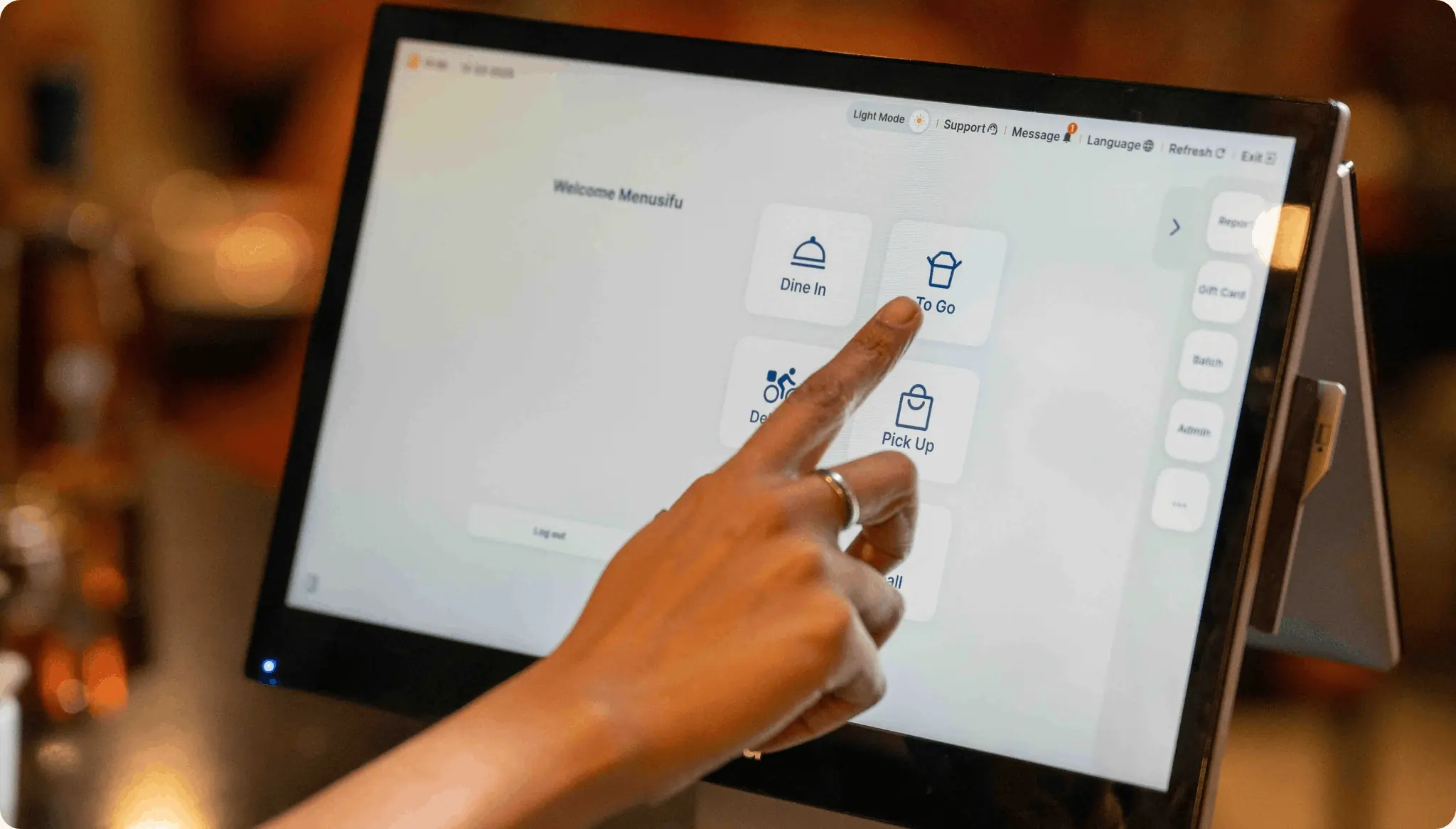
Fast service starts with fewer steps. A modern restaurant POS system helps your employees move through daily tasks more quickly, from taking orders to closing tabs.
Instead of writing orders by hand or walking tickets to the kitchen, servers and cashiers can enter orders directly into the system. The POS sends those orders to the kitchen right away, so your team can start preparing food sooner.
It also speeds up payment tasks. Employees can split bills, apply discounts, process card payments, print receipts, and close tabs from one place. This helps your staff serve more guests during peak hours while keeping the shift organized.
A faster POS workflow can help your restaurant improve service flow in several ways:
When employees complete routine tasks faster, your whole operation runs better. Your team spends less time on manual work and more time serving guests, checking tables, and keeping service on track.
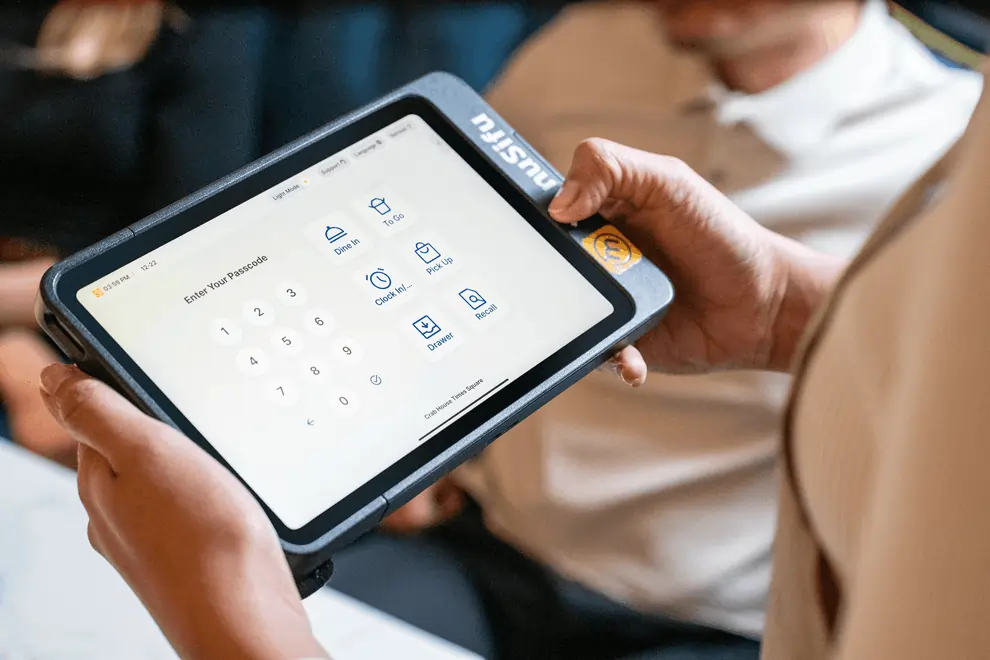
Order mistakes can slow down service, frustrate guests, and cut into your profit. A POS system helps your employees enter orders accurately from the start, so your kitchen team gets the right information at the right time.
With a restaurant POS system, staff can add menu items, modifiers, add-ons, and special requests directly into the order. This keeps details clear and reduces the need for handwritten notes or verbal instructions.
A POS system can help your team reduce errors by making it easier to:
Clearer tickets help kitchen staff prepare food more accurately. Your employees spend less time correcting mistakes, remaking dishes, or handling complaints.
Fewer order errors can protect margins, reduce waste, and improve the guest experience.
New hires need clear tools from day one. An easy-to-use POS system helps them learn the basics faster because it gives them a simple path for taking orders, adding modifiers, sending tickets, and processing payments.
Instead of relying on handwritten notes or verbal instructions, new employees can follow the steps on the screen. Clear menu categories, preset add-ons, and guided order entry help them complete tasks with fewer mistakes.
This also helps your managers. They spend less time fixing simple errors and more time coaching staff on service, upselling, and guest care.
A POS system can support training by helping employees:
For restaurants with frequent hiring, seasonal staff, or high turnover, this can make a real difference. New team members can become productive sooner, and your existing staff can stay focused on serving guests instead of correcting avoidable mistakes.
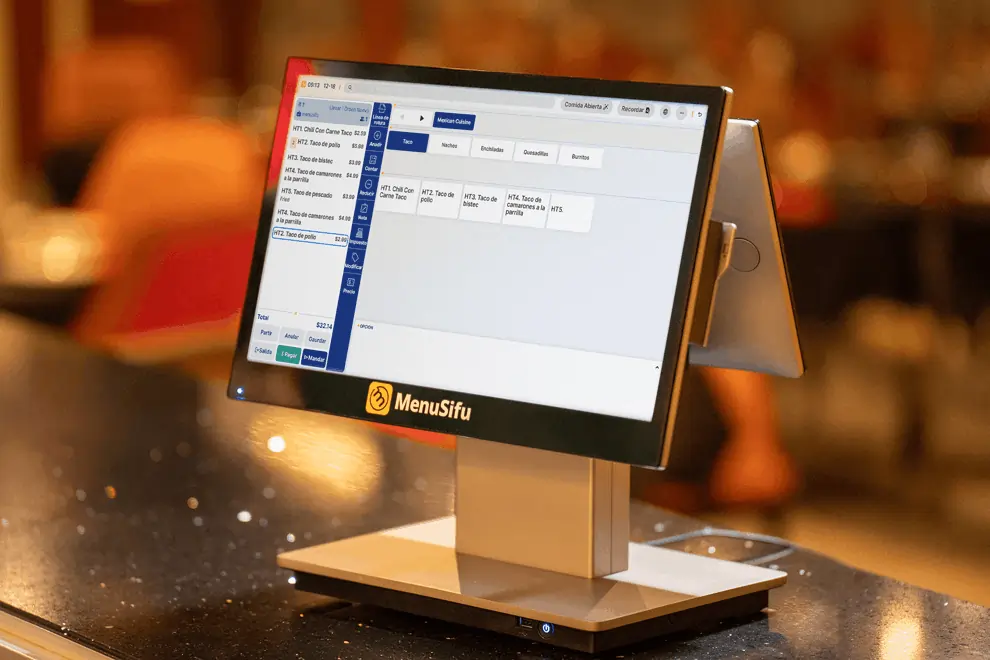
Clear communication keeps service moving. A POS system helps your servers, cashiers, bartenders, and kitchen staff stay connected through one shared order process.
When an employee enters an order, the system sends it directly to the kitchen or bar. This reduces missed details and keeps the team aligned from order taking to food prep. Servers no longer need to leave the floor to repeat orders, and kitchen staff can start preparing items sooner.
A POS system also helps your team handle special requests more accurately. Modifiers, allergies, substitutions, and add-ons appear clearly on the ticket, so kitchen staff can prepare each order based on the guest’s needs.
It also gives your team a better way to manage order flow.
Better communication means fewer missed items, fewer delays, and less tension between teams. Employees can focus on their roles, guests receive accurate orders, and service becomes easier to coordinate.

Busy shifts can put pressure on your entire team. Servers need to take orders, update checks, answer guest requests, and process payments quickly. Kitchen staff need clear tickets. Managers need to see what is happening across the floor.
A POS system helps keep these tasks organized. Employees can move through orders and payments in fewer steps, while managers can monitor sales, open checks, and table activity from one system. This gives your team a clearer view of what needs attention during peak periods.
A POS system can help your staff:
When employees have a smoother workflow, they can focus on serving guests instead of fixing delays or repeating manual work. That can lead to lower stress, fewer mistakes, and a more productive work environment for your restaurant.
After your team handles orders, payments, and busy shifts with fewer manual steps, your managers need a clear view of how each shift runs. A POS system gives them that view through employee sales reports, shift summaries, voids, discounts, and order activity.
This information helps your managers support the team in a fair and practical way. They can see which employees may need extra training, which tasks slow down service, and which team members consistently perform well.
A POS system can help managers:
This approach supports coaching, not micromanagement. Instead of relying on memory or scattered notes, managers can use real data to guide conversations, improve training, and make better staffing decisions.
Better performance visibility can lead to stronger service, fewer repeated mistakes, and a more productive team.
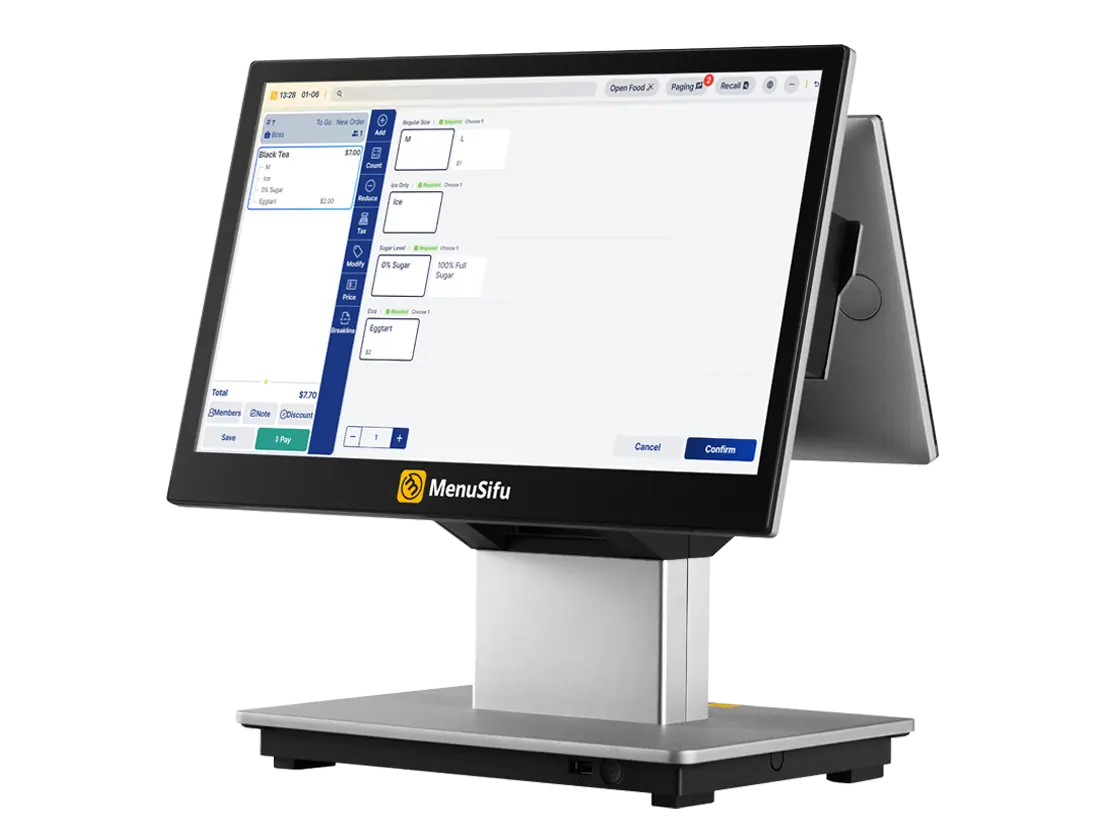
Better employee efficiency leads to a better guest experience. When your team can take orders faster, send clear details to the kitchen, and process payments quickly, customers spend less time waiting and more time enjoying their visit.
A POS system helps your team:
Accurate orders also help your staff create a smoother dining experience. Guests notice when their food arrives correctly, special requests are handled properly, and checkout feels easy.
For your restaurant, this creates a clear benefit. When employees have the right tools, they can serve customers more consistently. That can lead to happier guests, better reviews, and stronger repeat business.
A POS system gives your team one clear place to manage orders, payments, receipts, discounts, and reports. Instead of switching between handwritten notes, separate logs, and manual end-of-shift checks, employees can follow the same process from clock-in to closeout.
That structure helps every role move with fewer interruptions. Servers can review open checks, cashiers can process payments and receipts, and managers can check staff activity from one dashboard. When each task has a clear path, your team spends less time searching for details and more time serving guests.
A more organized setup can help your restaurant:
This means fewer scattered processes and a cleaner way to manage daily work. Employees know what to do, managers see what needs attention, and service can move with better consistency.
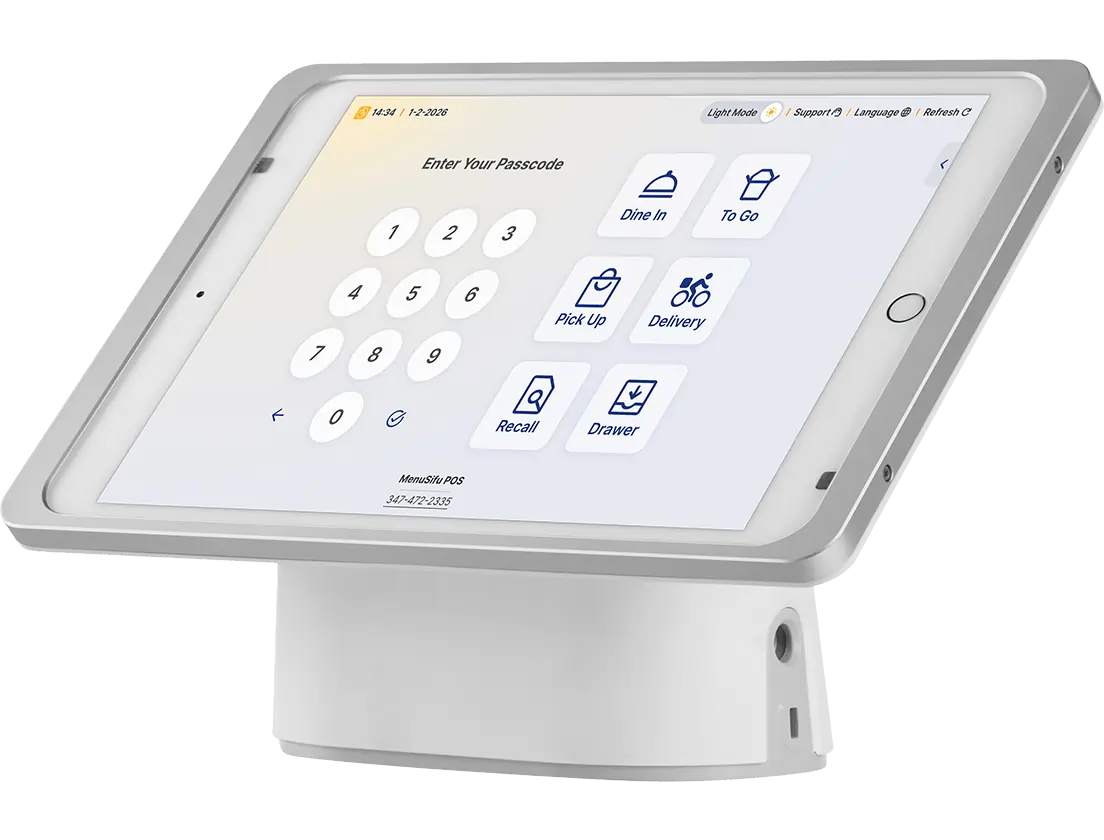
The right POS system should help your team move through each shift with fewer delays and fewer mistakes. It should also give you the control you need to manage daily operations, review performance, and support better service.
When employee productivity is a priority, look for a POS system with features that make daily work easier.
A strong POS system should make work easier for employees while giving you better visibility and control. When the system supports both your staff and your operations, your restaurant can run more smoothly from order taking to checkout.
A restaurant POS system can help your employees work faster, reduce errors, communicate clearly, and manage each shift with less stress. When your team has better tools, daily service feels more organized from the first order to final payment.
For your restaurant, that can mean shorter wait times, fewer order mistakes, smoother payments, and a stronger guest experience. The right POS solution also gives you better visibility into staff performance, so you can support training, improve workflows, and keep operations on track.
MenuSifu helps restaurants streamline service with POS solutions built for real daily operations. Book a Free Demo with MenuSifu today to see how the right system can help your team work more efficiently.
Here are quick answers to common topics about how POS systems support restaurant staff. Use these insights as a guide when reviewing your current tools or planning your next POS upgrade.
Yes. A POS system improves teamwork by keeping servers, cashiers, kitchen staff, and managers aligned through shared order details and real-time updates. It helps each team member see what needs to happen next, which reduces confusion and helps service run more smoothly.
A POS system can require upfront costs, staff training, internet access, and regular software updates. Poor setup can also slow employees down, so choose a reliable provider that offers simple onboarding, responsive support, and features that fit your restaurant’s daily workflow.
The three common types of POS systems are cloud-based POS, on-premise POS, and mobile POS. For restaurant teams, cloud-based and mobile POS systems often help employees take orders, process payments, and access real-time updates more efficiently, while on-premise POS systems store data on local hardware.
For more restaurant technology insights and updates, visit our blog section.