September 18, 2026
Use these 13 fine dining marketing strategies to attract more guests, increase reservations, strengthen loyalty, and support steady restaurant revenue growth.

A polished dining room and an exceptional menu can still leave tables open when the right guests cannot find you or see what sets you apart. Effective fine dining marketing helps you increase visibility, build trust before the reservation, and turn interest into bookings. The fine dining restaurant marketing ideas below can help you attract well-matched guests, encourage repeat visits, and support steady revenue.
Your marketing works best when you know who you want at the table. Start by grouping guests according to the occasions, habits, and priorities that shape their dining choices. Affluent locals may seek a dependable venue for celebrations or client dinners. Business diners may value privacy and efficient service. Tourists may look for a memorable local experience, while couples often focus on atmosphere, tasting menus, and personal touches.
Use reservation and guest data to sharpen these profiles. Review four key areas.
These details help you create relevant campaigns. You can promote a wine dinner to frequent tasting menu guests, share private dining options with corporate hosts, or send anniversary offers to couples who have celebrated with you before.
A strong brand gives guests a clear reason to choose your restaurant over another upscale venue nearby. Shape that identity around the cuisine, service style, atmosphere, values, and emotional experience you want guests to associate with each visit.
Be specific about what sets the restaurant apart. Perhaps the menu highlights one region, the chef works closely with local producers, the wine list centers on rare vintages, or the dining room offers an intimate setting for milestone occasions. Clear details create a stronger impression than broad claims about quality or luxury.
Carry the same message across your website, social media, menus, email campaigns, signage, and printed materials. Visuals, tone, and wording should feel connected at every touchpoint.
Your staff should also know the restaurant story and communicate it naturally during service. Give them clear language about the menu philosophy, sourcing choices, the chef's background, and the service approach. When your marketing message matches the in-person experience, guests gain a consistent impression from the first website visit through the final course.
Your website should help visitors move from interest to reservation with ease. Professional photography can set the tone by showing signature dishes, dining spaces, table settings, private rooms, and service details. Select current images that reflect the experience guests will receive.
Keep essential information within easy reach.
Use direct calls to action such as “Reserve a Table,” “View the Tasting Menu,” or “Plan a Private Event.” Each page should guide visitors toward one clear step rather than presenting several competing choices.
Guests often search for dining options by location, occasion, or nearby attraction. A complete Google Business Profile can help your restaurant appear when those searches happen. Keep hours, contact details, menus, booking links, categories, and photos up to date.
Add location-based phrases naturally to your website. Mention the neighborhood, city, nearby hotels, theaters, business districts, or cultural venues that guests may include in a search. A private dining page could reference corporate events in the area, while a blog post could cover dinner options near a popular venue.
Your restaurant name, address, and phone number should stay consistent across directories, review sites, and reservation platforms. Accurate information supports search visibility and helps guests reach the correct page or phone number quickly.
Social media gives prospective guests a preview of the atmosphere, cuisine, and service. Share polished photos and short videos of signature dishes, chef preparation, wine pairings, dining room details, and special events.
Move beyond promotional announcements by telling the story behind each post. Explain where an ingredient comes from, introduce a member of the culinary team, show how a seasonal dish takes shape, or share the inspiration behind a new tasting menu. These stories help guests connect with the restaurant before they visit.
Choose platforms based on where your ideal guests spend time. Instagram may support visual discovery, while Facebook can help reach established local communities and promote events. Review profile visits, website clicks, reservations, and inquiries to decide which channels deserve continued attention.
Reviews give prospective guests a clearer view of the dining experience. Invite satisfied guests to share feedback through a post-visit email, reservation follow-up, receipt message, or personal request from a manager. Keep the process simple and respectful.
Respond to praise with warmth and specific details. A thoughtful reply shows that you value the guest’s experience. When a review raises a concern, acknowledge it calmly, explain any relevant action, and offer a direct way to continue the conversation.
Look for repeated comments about service pace, menu clarity, noise levels, dietary needs, or reservation handling. Use those patterns to improve operations. With permission, feature strong testimonials on landing pages, event materials, and selected marketing campaigns.
Email helps you stay connected with people who have visited, booked an event, or shown interest in the restaurant. Build your list through reservations, website sign-ups, event registrations, and loyalty enrollment. Tell guests what they will receive, such as early access to menus, private invitations, or seasonal updates.
Segment messages according to guest behavior.
Keep each email focused on one useful update or invitation. A measured schedule protects the premium tone and gives each message more weight.
Limited menus and special events can give guests a strong reason to reserve early. Promote tasting menus, wine dinners, holiday services, chef collaborations, anniversary celebrations, and seasonal experiences with clear dates and availability.
Give each major event a dedicated landing page. Include the concept, menu highlights, price, schedule, seating details, cancellation policy, and reservation link. Strong photography and concise copy can help guests make a quick decision.
Promote the event in stages rather than sharing every detail at once.
Relevant partnerships can extend the campaign’s reach. Work with wineries, local producers, visiting chefs, luxury brands, or cultural venues that attract a similar audience. Coordinate promotion across email, social media, paid ads, partner channels, and in-house materials so guests receive a consistent message.
Local partnerships can connect your restaurant with guests who value premium experiences. Build relationships with luxury hotels, concierge teams, event planners, tourism groups, corporate offices, galleries, theaters, and high-end retailers.
Offer something useful to each partner. A hotel concierge may value a direct reservation contact and current menus. A theater may respond well to a pre-show dining package. Corporate offices may need private rooms, group menus, or reliable options for client entertainment.
Create a simple referral process and provide partners with updated photos, booking details, and contact information. Review the reservations, event leads, and repeat visits each relationship produces, then invest more time in the partnerships that bring well-matched guests.
Private dining can raise revenue while introducing the restaurant to new groups. Promote event spaces clearly on your website and provide planners with enough information to decide whether the venue fits their needs.
A strong private dining page should include the following details.
Keep the inquiry form brief while collecting the details your staff needs to prepare a useful response. Ask for the preferred date, estimated party size, occasion, budget range, and desired service style. You can request additional information after the initial inquiry.
Reach corporate planners, executive assistants, wedding professionals, and private hosts through search campaigns, local partnerships, email, and selected social content. Respond quickly to inquiries and provide clear proposals. A polished booking process can lead to repeat corporate events and future visits from attendees.
Paid search helps you reach people who actively look for fine dining, tasting menus, private rooms, or special-occasion restaurants in your area. Build campaigns around specific reservation and location terms, then send each visitor to a page that matches the search.
Social ads work well for seasonal menus, limited events, chef collaborations, and private dining. Use geographic targeting and audience data to keep campaigns focused. Retargeting can also bring previous website visitors back to a menu, event, or booking page they viewed earlier.
Track confirmed reservations, qualified inquiries, revenue, and guest acquisition cost. Shift spending toward campaigns that attract valuable bookings and reduce investment in ads that generate clicks with little business value.
Choose creators and media contacts based on audience relevance, credibility, location, and content quality. A smaller local food writer with engaged readers may produce stronger results than a large account with a broad audience.
Review each potential partner’s previous restaurant coverage, photography, writing style, audience comments, and engagement. Their presentation should align with your restaurant’s brand, values, and visual standards.
Invite selected contacts to menu previews, seasonal launches, chef collaborations, or distinctive dining experiences that offer a clear story. Set a goal before outreach, such as event reservations, local visibility, private dining inquiries, or qualified website traffic. Measure the response so future partnerships become more focused.
Tracking performance shows which activities lead to valuable reservations and repeat visits. Connect each campaign to a clear business goal, then review results on a consistent schedule.
Focus on metrics tied to revenue and guest value.
Review how visitors move through your website as well. Identify landing pages with high exit rates, reservation pages where visitors leave, and event pages that receive traffic but produce few bookings. These patterns may indicate unclear information, weak calls to action, slow page load times, or a difficult booking process.
Compare channels by the quality of the guests they attract. One channel may bring high traffic, while another produces fewer bookings with stronger spending and retention. Use campaign links, promotional codes, reservation notes, and customer data to connect marketing activity with sales.
When building a marketing strategy for a fine dining restaurant, use these findings to improve targeting and campaign performance. Continue the campaigns that generate profitable visits, strengthen weak points in the booking process, and shift funds away from low-performing channels.
Effective fine dining marketing starts with a clear guest profile, a distinctive brand, and campaigns tied to measurable results. Focus on the channels that drive qualified reservations, then use guest data to refine targeting, strengthen loyalty, and encourage repeat visits.
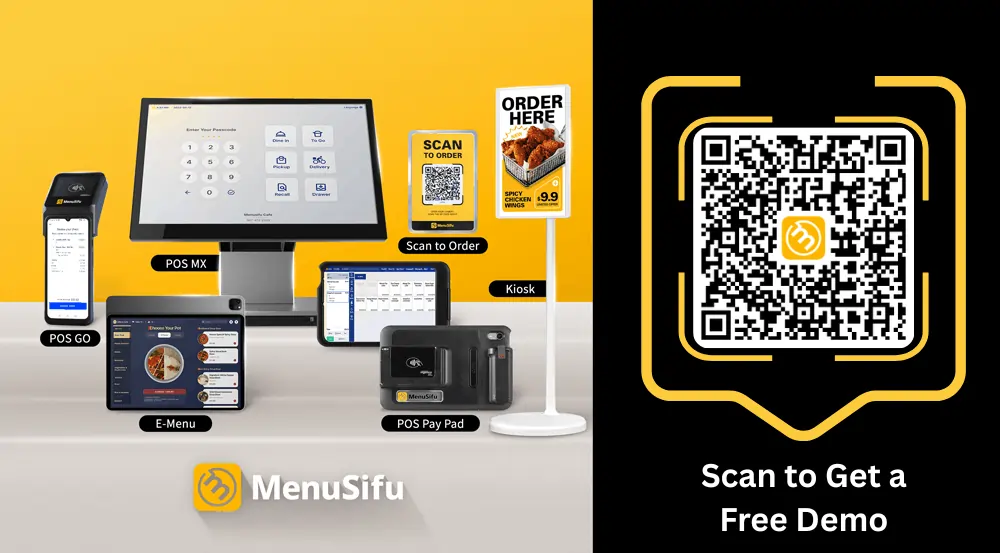
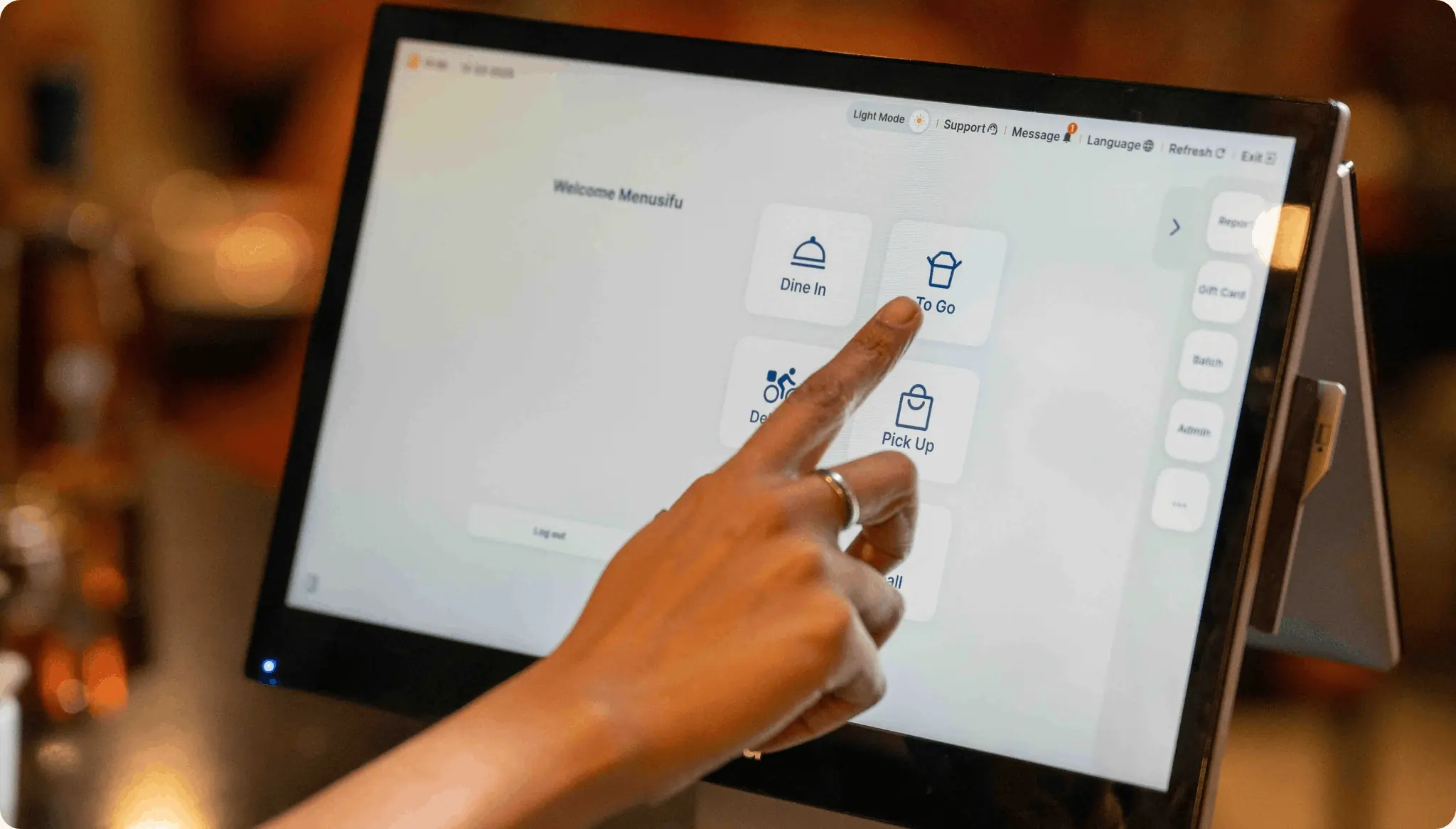
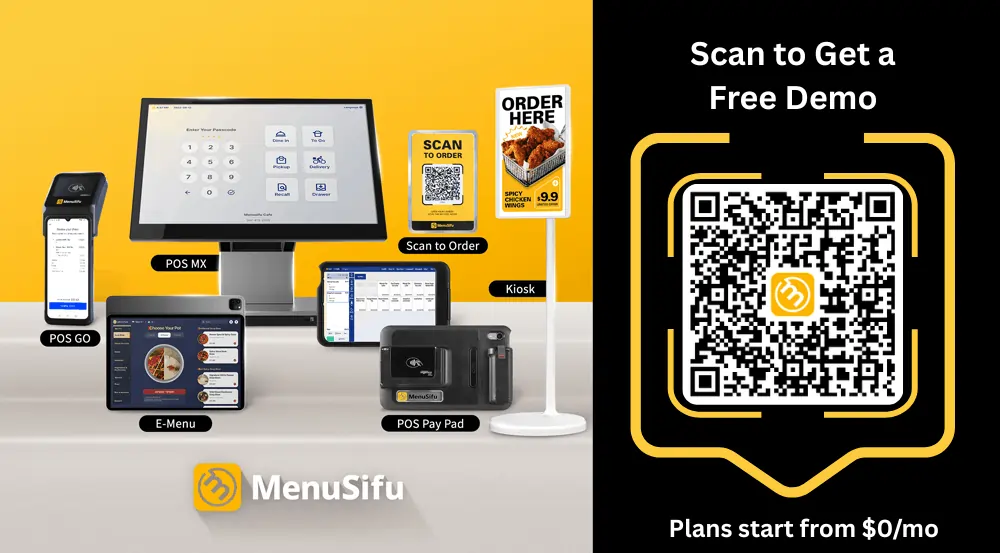
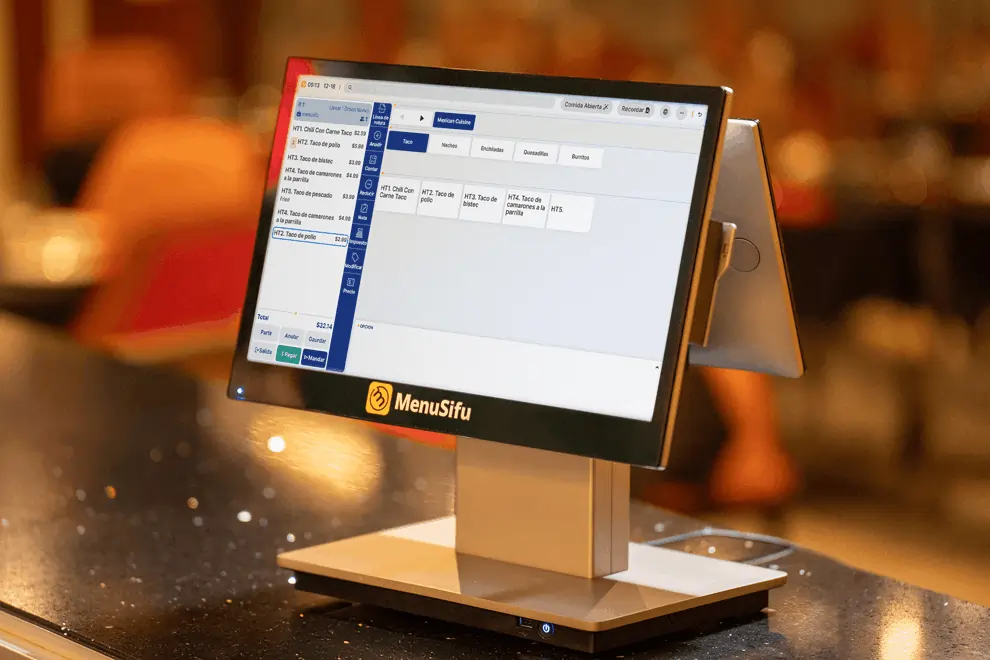
MenuSifu connects a full service restaurant POS system with guest insights, targeted SMS campaigns, digital coupons, and restaurant growth services through MEALKEYWAY. This connected approach can help you promote menus and events to relevant guests, encourage repeat visits, and track campaign-driven sales. Book a Free Demo with MenuSifu today to explore how the platform can support your marketing goals.
Fine dining marketing often raises questions about channel selection, posting frequency, promotions, and guest communication. The answers below can help you refine your approach and invest in strategies tied to reservations and retention.
Local search is often one of the strongest channels because it reaches diners who are actively searching for restaurants in the area. Instagram can support discovery by showcasing signature dishes, atmosphere, and special experiences that encourage reservations.
Start with two to four high-quality posts per week. Share polished photos, menu highlights, chef stories, special events, and behind-the-scenes content that reflects the dining experience. Monitor engagement, website visits, and reservations, then adjust your posting schedule based on performance.
Fine dining restaurants can use discounts selectively, but frequent price cuts may weaken a premium brand. Focus on limited offers such as birthday rewards, event packages, or targeted incentives for loyal guests and those who have not visited recently. Track redemptions, average spend, and repeat visits to confirm each promotion supports revenue and guest retention.
SMS supports fine dining marketing by helping restaurants send reservation reminders, promote tasting menus and private events, share VIP offers, and reconnect with past guests. Timely, personalized messages can increase bookings, reduce no-shows, and strengthen guest loyalty.
Visit the MenuSifu blog for more restaurant marketing insights, technology updates, and practical growth ideas.
Related Articles: