September 17, 2026
Review the QSR industry trends shaping 2026 and see how smarter tech, stronger value, better service, and connected ordering can support restaurant growth.

Rising costs, labor pressure, digital ordering, and changing customer habits are shaping how quick-service restaurants compete in 2026. With the right priorities, you can protect margins, serve guests faster, and make smarter technology decisions.
The National Restaurant Association’s 2026 State of the Restaurant Industry report reflects that pressure. Restaurant and foodservice sales are projected to reach $1.55 trillion, but more than 9 in 10 operators still cite food, labor, insurance, energy, and swipe fees as significant challenges.
These QSR industry trends highlight where the market is headed and what you can do to keep your restaurant ready for the year ahead.
The latest trends in the QSR industry show where quick-service restaurants may need to adjust operations, technology, pricing, and service.
Artificial intelligence is becoming more useful in daily restaurant operations. You can use it to forecast sales, manage inventory, schedule labor, support customer service, and create more relevant promotions.
The goal is not to remove the human side of your restaurant. AI works best when it helps you make faster decisions and gives your team better information during busy shifts.
The National Restaurant Association also notes that advances in ordering, AI, and data analytics are helping restaurants manage costs, streamline operations, and improve the customer experience.
AI-powered sales forecasting can help you prepare for peak hours, seasonal changes, and high-demand menu items. With better sales data, you can plan staffing, prep levels, and purchasing more accurately.
Smarter labor scheduling can also help you match employee hours with order volume. This can reduce idle time during slower periods and give you stronger coverage when traffic rises.
Inventory tracking is another practical use. AI-supported tools can flag low stock, track ingredient usage, and help reduce waste. This gives you better control over food costs and helps prevent missed sales from out-of-stock items.
AI can also support personalized marketing. Instead of sending the same offer to every customer, you can promote items based on order history, visit frequency, or favorite categories. AI-assisted ordering and customer support can also help answer common requests and keep orders moving during rush periods.
Key areas to watch
Takeaway
Use AI where it solves a clear operational problem, such as better schedules, cleaner inventory counts, or more accurate promotions. Skip tools that add extra setup with little day-to-day value.
Drive-thru service remains a major revenue channel for many quick-service restaurants. Customers expect fast service, correct orders, and pickup options that fit their schedule.
Speed matters, but accuracy drives repeat visits. A faster line will not help much if customers leave with missing items or incorrect orders. In QSR Magazine’s 2025 Drive-Thru Report, order accuracy across the brands studied was 87%, compared with 89% in 2024. This shows why speed and accuracy should improve together.
The best improvements connect ordering, kitchen prep, payment, and pickup into one smooth flow.
Digital menu boards can help you update pricing, promote high-margin items, and guide customers through their order. Order-ahead pickup lanes can also help separate mobile orders from regular drive-thru traffic, which can reduce bottlenecks during busy hours.
Voice ordering technology may gain more attention as restaurants look for ways to handle more orders with limited staff. Still, technology works best when your kitchen and drive-thru teams follow clear routines.
Real-time performance tracking can show where delays happen. You can review service times, order errors, peak-hour traffic, and staff coverage, then adjust your process based on actual data.
Key areas to watch
Takeaway
Improving drive-thru performance can help increase sales, raise customer satisfaction, and encourage more repeat visits.
Customers are paying closer attention to price, but they still want convenience and meals that feel worth the cost. National Restaurant Association research found that value deals, including limited-time offers, buy-one-get-one deals, and off-peak discounts, resonate with 8 in 10 delivery, takeout, and drive-thru customers.
Value does not always mean the cheapest item on the menu. It can mean better portions, smart bundles, limited-time offers, loyalty rewards, or premium items that feel worth the higher price.
Affordable meal bundles can make customers feel they are getting a complete meal at a fair price. Smaller menu items at lower price points can appeal to guests who want a quick snack or a lighter purchase.
Limited-time deals can bring customers back, especially when they promote seasonal items or high-margin products. Loyalty-based discounts can also help reward repeat guests instead of training every customer to wait for broad promotions.
Premium items can still perform well when they offer clear value. Customers may pay more for better ingredients, larger portions, popular add-ons, or items that feel special compared with everyday options.
Key areas to watch
Takeaway
Keep affordability and profitability tied together. The strongest offers attract customers while protecting margins.
Customers now order through mobile apps, websites, kiosks, third-party delivery platforms, and in-store counters. The National Restaurant Association’s technology research found that 7 in 10 limited-service customers would likely place an order using a smartphone app, while 8 in 10 delivery customers would order delivery through an app.
These channels need to work together so your staff can manage orders, menus, and customer data more easily.
A connected digital ordering system can reduce errors, speed up service, and give you a clearer view of customer behavior. When each ordering channel operates separately, your team may deal with menu mismatches, retyped orders, delayed updates, and scattered sales data.
Mobile ordering gives customers more control over when and how they place orders. Self-service kiosks can reduce lines and encourage larger tickets through modifiers, add-ons, and visual prompts.
Online ordering can help you bring in more direct sales, especially when it connects to your POS system. Third-party delivery can expand your reach, but it also adds fees and order management challenges. Better integration helps you track these orders more clearly.
Unified customer data can also show which channels drive the most revenue, which menu items perform best, and which promotions bring guests back.
Key areas to watch
Takeaway
Keep menus, pricing, orders, and customer data connected so every channel supports the same operation.
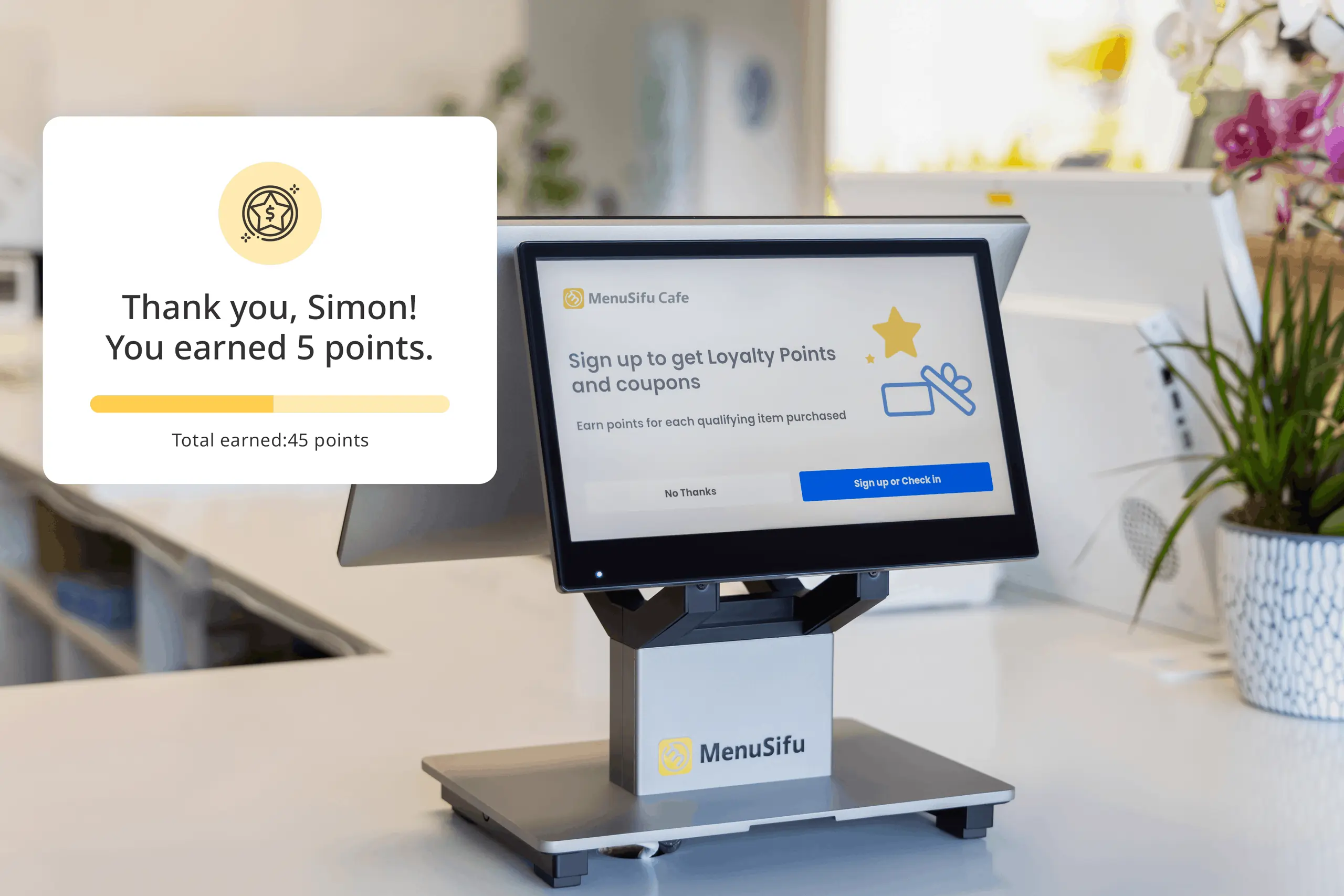
Generic loyalty programs are losing impact. Customers expect rewards, offers, and messages that match their habits and preferences.
National Restaurant Association research found that more than three-quarters of restaurant customers are more likely to visit a restaurant where they can earn points, even if it is less convenient. It also found that nearly two-thirds of drive-thru, delivery, and takeout customers say belonging to a loyalty program is an important reason for choosing a restaurant.
Personalized loyalty can help you encourage repeat visits by giving customers more relevant reasons to return. Purchase history, order frequency, favorite menu items, and location data can guide stronger promotions.
A customer who often buys coffee may respond better to a beverage offer. A lunch regular may prefer a weekday meal bundle. A guest who has not visited in several weeks may need a targeted comeback offer.
App-based loyalty programs can also make ordering easier. Customers can earn points, redeem rewards, reorder favorites, and receive offers in one place. This can help you build stronger habits around your brand.
Birthday offers and location-based deals can add a personal touch. The key is to keep offers useful, timely, and easy to redeem.
Key areas to watch
Takeaway
Use loyalty to reward repeat behavior, learn what brings guests back, and build stronger customer relationships.
Labor challenges will continue to affect daily operations. The National Restaurant Association projects restaurant and foodservice employment will reach 15.8 million jobs in 2026, while nearly three quarters of operators plan to hire and expect difficulty finding experienced managers and chefs.
That pressure makes scheduling, training, retention, and peak-hour productivity even more important.
Technology can help, but clear processes and strong team management still play a major role. Smarter scheduling tools can help you match staffing with sales patterns and order volume.
Cross-training can also give your team more flexibility. When employees can handle multiple stations, you can respond faster during rush periods, callouts, and changes in traffic.
Simplified workflows can reduce stress during busy shifts. Clear prep routines, station roles, and order handoff processes help employees move faster and avoid repeated mistakes.
Retention also deserves attention. Fair scheduling, better onboarding, regular feedback, and clear growth paths can help keep good employees longer.
Automation can support the team by handling repeat tasks such as order routing, basic reporting, inventory updates, and menu syncing.
Key areas to watch
Takeaway
Choose systems that help employees move through shifts with less rework, clearer priorities, and better support.
Menu trends in the QSR industry are shifting toward items that are convenient, customizable, and profitable. The National Restaurant Association’s 2026 culinary forecast highlights value, comfort foods, health and wellness, protein add-ons, beverages, and menu clarity as trends shaping food and beverage decisions.
Customers want variety, but your menu still needs to support fast service and consistent execution.
Customizable meals can help customers feel more in control of their orders. Bowls, wraps, sandwiches, drinks, and combo options can offer variety while using shared ingredients across multiple items.
Snackable menu items can also create new sales opportunities. Smaller portions, sides, desserts, and add-ons can raise ticket size and encourage visits outside traditional meal periods.
Beverage innovation may help increase average order value. Specialty drinks, seasonal options, and premium add-ons can give customers a reason to try something new.
Limited-time offers can help you test new products before adding them to the regular menu. These offers can also create urgency and give repeat customers something fresh to try.
Health-conscious options can appeal to guests looking for lighter, higher-protein, or more balanced meals. The best items should fit your prep process, ingredient plan, and margin goals.
Key areas to watch
Takeaway
Review your menu regularly to find which items drive sales, slow down service, or reduce profitability.
Customer experience now includes mobile ordering, delivery, pickup, loyalty programs, packaging, and post-purchase communication. Every touchpoint should feel fast, convenient, and consistent.
National Restaurant Association research found that speedy service, good customer service, intuitive ordering and payment technology, value offers, and loyalty programs are key drivers of repeat off-premises business.
Customers notice the full journey. They care about how easy it is to order, how clearly you communicate wait times, how well the food travels, and how quickly your team resolves problems.
Easier ordering experiences can reduce abandoned carts, long lines, and order errors. Clear wait-time updates can set better expectations during busy periods.
Consistent food quality also plays a major role in repeat visits. Customers expect the same taste, temperature, portion size, and presentation each time they order.
Packaging has become part of the experience, especially for takeout and delivery. Better packaging can help protect food quality, prevent spills, and keep orders organized.
Faster issue resolution can also help you keep customers. When your team handles missing items, delays, or order concerns quickly, guests have a stronger reason to return.
Key areas to watch
Takeaway
Use each touchpoint to make ordering easier, food quality steadier, and follow-up faster.
Sustainability is becoming part of the customer experience as more consumers pay attention to packaging, food waste, and responsible sourcing.
The National Restaurant Association’s 2026 culinary forecast lists compostable and reusable packaging among its top trends, with eco-friendly materials replacing single-use plastics as restaurants look to reduce waste.
Your efforts should stay practical and cost-conscious. Eco-friendly packaging can support customer expectations, but it still needs to protect food quality, control costs, and fit your operation.
Food waste reduction can also support profitability. Better inventory planning, sales forecasting, and portion control can help you use ingredients more efficiently.
Responsible sourcing can influence how customers view your brand. You can start with realistic steps, such as reviewing suppliers, tracking waste, or highlighting menu items with clearer ingredient information.
Clear communication also helps. Keep sustainability claims accurate, specific, and easy to verify. Customers respond better to real progress than broad promises.
Key areas to watch
Takeaway
Choose sustainability practices that are realistic, measurable, and aligned with your budget.
You do not need to act on every trend at once. Start with the areas that affect your sales, costs, customer experience, and daily operations the most.
Before investing in new tools or strategies, ask yourself:
Focus on practical changes that solve real problems in your restaurant. If long lines hurt service, improve ordering and pickup. If labor costs keep rising, review scheduling, workflows, and automation. If repeat visits are dropping, strengthen loyalty, customer data, and targeted offers.
By setting clear priorities, you can respond to the latest trends in the QSR industry while keeping your operation focused, efficient, and profitable.
QSR industry trends point toward smarter operations, connected ordering, stronger value, and more consistent service. The best next step is to focus on changes that help your restaurant move faster, control costs, support employees, and keep guests coming back.
Your POS system can support many of these priorities by connecting orders, payments, menus, reporting, and customer data in one place. MenuSifu provides POS solutions that help restaurants manage daily operations with greater clarity and control.
Book a Free Demo with MenuSifu today and see how the right restaurant technology can support your growth.
Still planning your next steps? These quick answers cover common topics around QSR industry trends, from AI and digital ordering to labor efficiency, loyalty, and customer retention.
The top QSR industry trends for 2026 include AI-powered operations, faster drive-thru service, value-focused pricing, connected digital ordering, personalized loyalty programs, labor efficiency, menu innovation, better customer experiences, and practical sustainability efforts. These trends can help you improve service speed, control costs, encourage repeat visits, support employees, and protect profit margins.
AI can help quick-service restaurants forecast demand, schedule staff, track inventory, personalize offers, and support digital ordering. It can help teams save time, reduce errors, manage busy hours, and make decisions using clearer operational data.
Digital ordering helps QSRs serve customers faster across mobile apps, websites, kiosks, and delivery platforms. When connected to a POS system, it can reduce order errors, improve kitchen flow, track sales more clearly, and give customers a more convenient way to place orders.
Quick-service restaurants can improve customer loyalty by pairing fast, accurate service with consistent food quality, personalized rewards, and easy mobile ordering. Use loyalty or POS data to send relevant offers based on purchase history, order frequency, and favorite menu items. Train teams to recognize repeat guests and respond quickly to feedback. Clear value, reliable service, and convenient digital touchpoints give guests more reasons to return.
Quick-service restaurants should first focus on the areas that affect daily performance most, such as drive-thru speed, order accuracy, labor efficiency, digital ordering, menu profitability, and customer retention. Start with your biggest operational pain point, track results, then invest in tools or processes that improve service, reduce costs, and support repeat visits.
For more restaurant technology insights, industry updates, and practical growth tips, visit our blog section.
Related Articles: