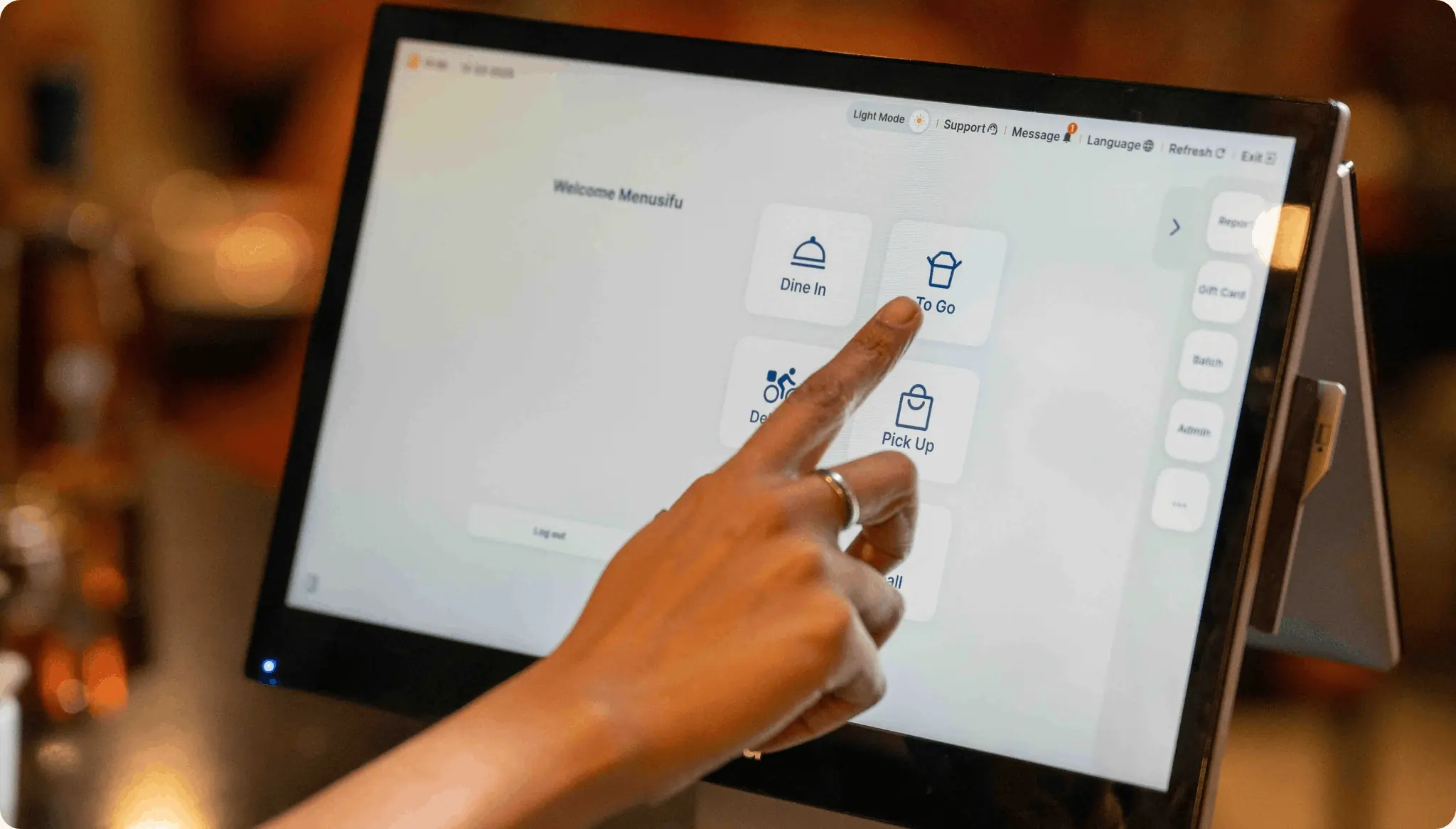
September 22, 2026
Is the cheapest POS system for restaurants worth it? See the real costs, essential features, tradeoffs, and scalability factors to review before choosing.

Choosing the cheapest POS system for restaurants can feel like an easy way to control costs, especially when you are opening a location, replacing old hardware, or trying to cut a monthly software bill that keeps climbing.
The lowest advertised price, however, rarely tells the full story. Software fees, payment processing, hardware, add-ons, and support can all change what you spend over the course of a year.
A better approach is to look at the full cost of ownership alongside the day-to-day functions your restaurant relies on. Before looking at individual costs, it helps to define what a “cheap” restaurant POS actually means.
A “cheap” restaurant POS can take several forms. Some providers offer free software plans. Others charge a low monthly fee, reduce the initial hardware expense, or let you start with basic equipment and add more later.
You may also see systems promoted around:
Each model can lower the barrier to getting started, but the price you see first is only one part of the total expense.
Upfront cost covers what you pay to get the system in place. That may include a terminal, tablet, card reader, receipt printer, installation, or setup.
Ongoing cost covers the expenses that continue after launch. These can include software subscriptions, payment processing, support, add-ons, extra terminals, and location fees.
A POS with a small initial bill can become expensive over time if processing rates are high or key features require paid upgrades. On the other hand, a system with a higher starting price may deliver better long-term value if more features are included and recurring fees stay predictable.
A 12-month cost estimate gives you a more realistic view of what the POS will actually cost.
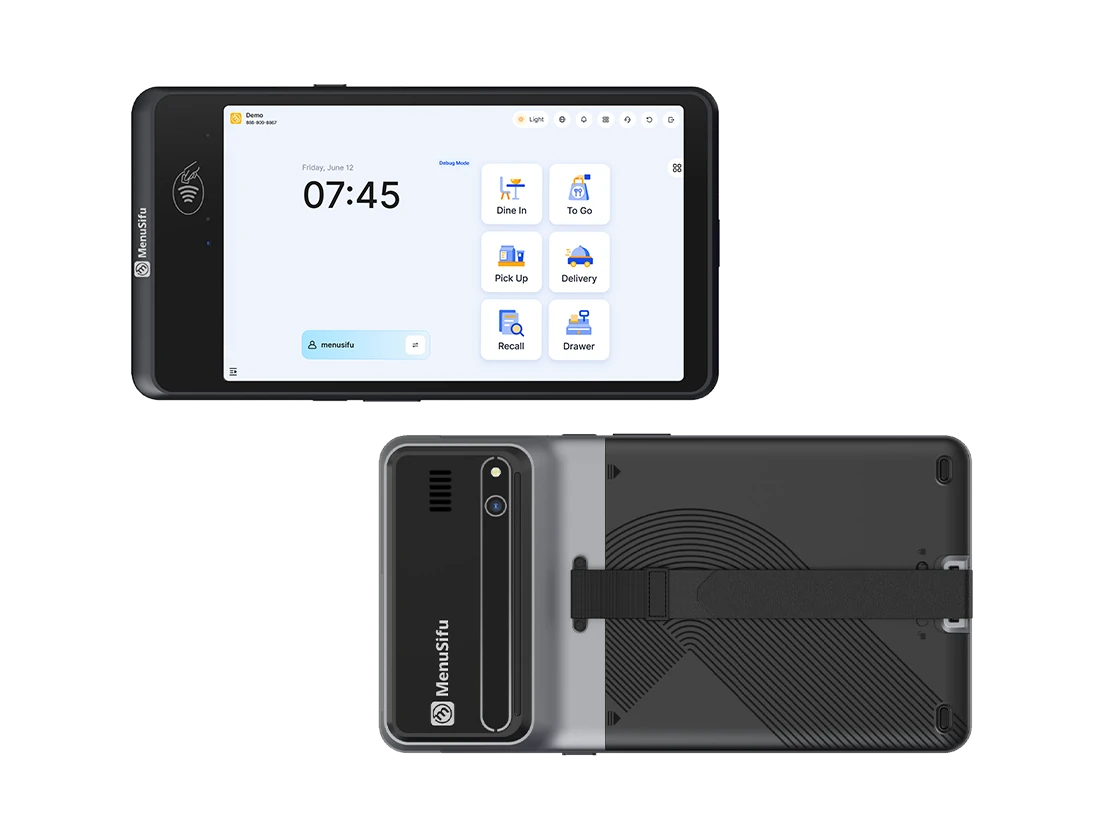
Your POS expenses can extend beyond the software subscription. To build an accurate budget, account for software, hardware, payment processing, add-ons, setup, and contract-related expenses.
POS software may come with a free entry plan or a monthly subscription charged per terminal, location, or service tier. Check what the base plan includes and how the subscription changes as you add registers, locations, or restaurant management tools.
Your initial setup may require several pieces of equipment, depending on how customers order and how your kitchen receives tickets:
Some providers bundle hardware with their software, while others charge separately or offer financing and leasing. Compare the total hardware expense and confirm which devices you can keep if you switch POS providers later.
Card processing can represent a significant share of your ongoing POS expense. Providers may charge a percentage of each sale, a fixed amount per transaction, or both, and some require you to use their payment processing service.
Small differences in rates become more noticeable as card volume rises. Compare processing costs using your typical monthly sales instead of judging a system by its software subscription alone.
Entry-level plans often cover core POS functions, while additional restaurant tools may carry separate monthly fees. Review the cost of features you expect to use, including:
Pricing these tools from the start gives you a more accurate view of your monthly POS expense and reduces the risk of unexpected charges after setup.
Installation, menu configuration, staff training, premium support, and equipment setup may add to the initial cost. Contract terms can also affect your total expense through cancellation charges, minimum commitments, hardware financing, or equipment leases.
Before signing, review which services are included, which require an added fee, and how much you would owe if you end the agreement early. This gives you a clearer basis for estimating the true cost of the POS over its first year.
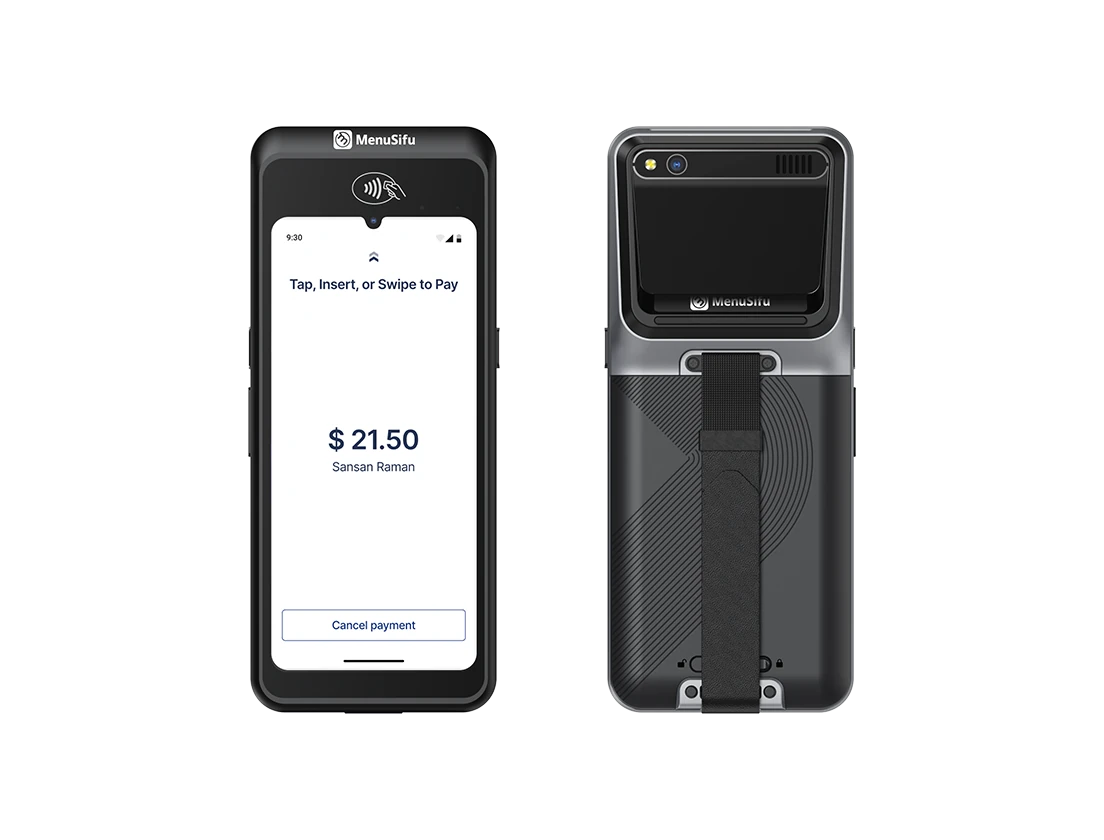
A lower-priced POS should still cover the daily functions your restaurant depends on. Saving on software loses its value if staff struggle to take orders, payments fail during service, or managers cannot access useful sales data. Focus on capabilities that support how your restaurant operates.
Your POS should let staff enter orders quickly, apply modifiers and special instructions, and manage dine-in and takeout orders in as few steps as possible.
You should also be able to update prices, add or remove menu items, edit modifiers, and mark sold-out items unavailable as needed. These basic controls help keep the menu accurate during service.
A restaurant POS should support common payment methods and routine transaction tasks, including:
Pay attention to how easily staff can complete these tasks during service, especially if customers frequently split checks or use different payment methods.
Orders should move accurately from the front of house to the correct preparation area.
Depending on your setup, look for support for kitchen printers, kitchen display systems, modifiers, and order routing. For example, drinks may need to route to the bar while food items go to specific kitchen stations.
The goal is simple: staff should be able to send clear, accurate orders from the POS to the team preparing them.
A lower-cost POS should still provide enough information to review daily restaurant performance.
Useful reports may include:
You should be able to access these reports easily so you can review sales activity, menu performance, and staffing patterns.
Individual staff logins and role-based permissions help control who can access specific POS functions.
For example, servers may need access to order entry and payments, while managers may need approval rights for refunds, discounts, reports, and system settings.
Time tracking can also be useful if you prefer to manage employee hours through the same system.
Technical issues can affect orders and payments, so check when support is available and how you can contact the provider.
Support channels may include:
Pay particular attention to support coverage during your operating hours. If an issue affects payments or order entry during service, your team needs a practical way to get help.
A low-cost POS does not need every advanced feature on the market. It should, however, handle the restaurant functions you use every day reliably and give you enough control to manage orders, payments, kitchen activity, staff access, and sales data.
Lower-priced POS systems often focus on essential restaurant functions, which can work well when your operation has simple requirements. The tradeoff is that some platforms become more limiting once you need advanced tools, broader integrations, or tighter operational control.
These limitations do not make a lower-cost POS a poor choice by default. The key is deciding which capabilities you need and which you can give up to save money.

A low-cost POS may serve one location well today, but adding registers, employees, digital orders, or another location can change what you need from the system. Before committing, check how well the POS can support a larger operation as your restaurant expands.
Adding more registers increases the number of devices, employees, and transactions your POS needs to manage. Check device requirements and any limits on terminal access or reporting.
Also confirm that sales, orders, and employee activity stay connected across every register. Separate or limited reporting can make oversight harder as the number of terminals increases.
A larger staff usually requires stronger access controls and labor tools. Your POS should let you assign permissions, manage individual accounts, and control which employees can issue refunds, apply discounts, or view sensitive reports.
If you use scheduling or time tracking, check how well those tools support a larger team and multiple manager roles.
More digital orders place greater demands on order management. Your POS should keep menus, prices, and item availability consistent across ordering channels while sending orders to the correct kitchen station.
Check how the system handles higher order volume, menu syncing, and routing as digital sales increase.
A second location changes how you manage menus, staff, reporting, and access across the business. Look for centralized tools that let you review performance across locations while still viewing each restaurant separately.
Key capabilities include:
As sales and locations increase, you may need stronger inventory controls, kitchen routing, reporting, labor tools, and integrations. A basic POS may handle daily transactions well but provide limited support for broader operational needs.
Check how the system handles these added demands before they exceed what the platform can support effectively.
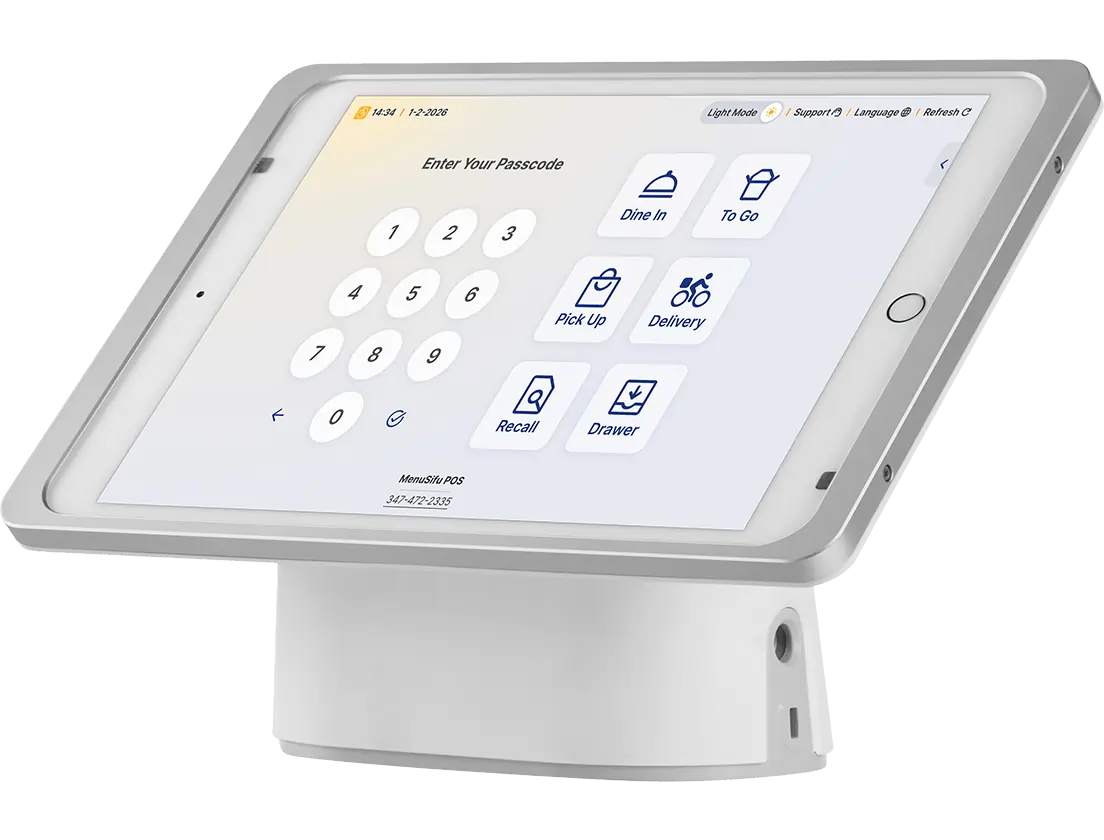
A low price has value only when the POS supports the tasks your restaurant handles every day. Evaluate each option based on the features you need, the full cost of ownership, contract terms, and how the system performs during actual service tasks.
Start with the functions your staff relies on daily, such as order entry, menu management, payments, kitchen communication, reporting, and employee access. Separate those essential capabilities from secondary features you may use occasionally so you avoid paying for tools that add little operational value.
Look beyond the advertised monthly subscription and calculate what the system will cost under your actual setup. Use this formula as a starting point:
Software + hardware + payment processing + required add-ons + other recurring fees
Use your expected sales volume, number of terminals, and required services when estimating the total.
A first-year calculation captures expenses that a monthly price can hide. Add hardware, setup, software fees, estimated payment processing, and required add-ons to see how much you are likely to spend during the first 12 months.
Review how pricing changes if you add another register or open another location. Check additional software fees, hardware requirements, user charges, and location-level costs so you can see how the total changes as your operation expands.
Read the agreement before committing, especially if the provider bundles software, hardware, and payment processing. Focus on:
These details can affect your total expense and your ability to switch providers later.
Use a demo or trial to test the tasks your staff performs during a normal shift. Enter an order, add modifiers, split a check, issue a refund, send an order to the kitchen, update a menu item, and complete end-of-day closing.
Pay attention to the number of steps each task requires, how quickly staff can learn the system, and how clearly information moves between the front of house, kitchen, and management. A lower-priced POS delivers greater value when it handles these routine tasks efficiently and consistently.
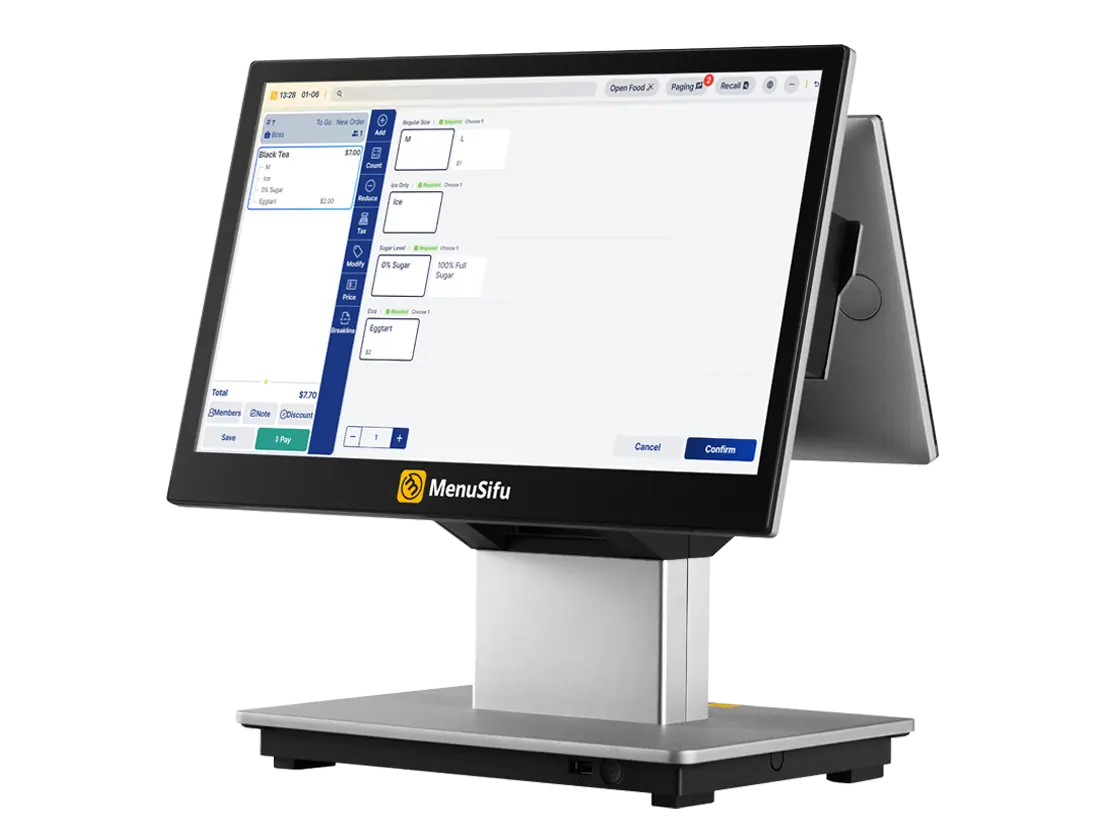
A low-cost POS can be worth it when it handles your restaurant operations reliably and keeps the overall expense manageable. The lowest starting price should not be the deciding factor. Consider the complete cost alongside the capabilities your restaurant relies on today and may need as the business expands.
The better choice is a POS that gives you the capabilities you need at a price you can sustain, rather than one that simply advertises the lowest monthly fee.
If you want to see how MenuSifu could support your restaurant, Book a Free Demo with MenuSifu to review the available POS features, setup options, and pricing based on your current operation.
Choosing a low-cost POS often brings up questions about pricing, monthly fees, free plans, and what is included. These answers cover some of the most common concerns restaurant owners have when comparing affordable POS options.
MenuSifu is one of the cheapest POS systems for restaurants, with a Pay-As-You-Grow plan starting at $0 per month for eligible new restaurants. The plan includes core POS features for orders, payments, and reporting. Total costs can vary based on payment processing, hardware, add-ons, and the restaurant’s selected plan.
Restaurants can pay anywhere from $0 to several hundred dollars per month for POS software, depending on the provider, number of terminals, locations, and included features. Total costs may also include hardware, payment processing, setup, support, and add-ons such as online ordering or employee management.
MenuSifu offers a $0/month POS option for eligible new restaurants through its Pay-As-You-Grow plan. The offer includes essential POS software, and qualifying businesses may also receive hardware with no upfront equipment fees when using integrated payment processing. Processing charges and optional upgrades may still apply, so review the full pricing terms before signing up.
Pricing, eligibility, features, and promotional offers are subject to change. Contact MenuSifu for current plan details and terms.
The best free POS system for restaurants should cover essential needs such as order management, payment processing, menu updates, sales reporting, and employee access while keeping other costs manageable. Compare processing fees, hardware costs, feature limits, and paid add-ons because a $0 monthly software fee can still come with other expenses.
For more practical guides on restaurant POS systems, payments, operations, and restaurant technology, visit the MenuSifu blog for more insights and updates.