Xiqiao Yin
October 9, 2026
Explore how rising value menu demand is reshaping U.S. QSR competition as convenience stores compete for the same value-conscious consumers.

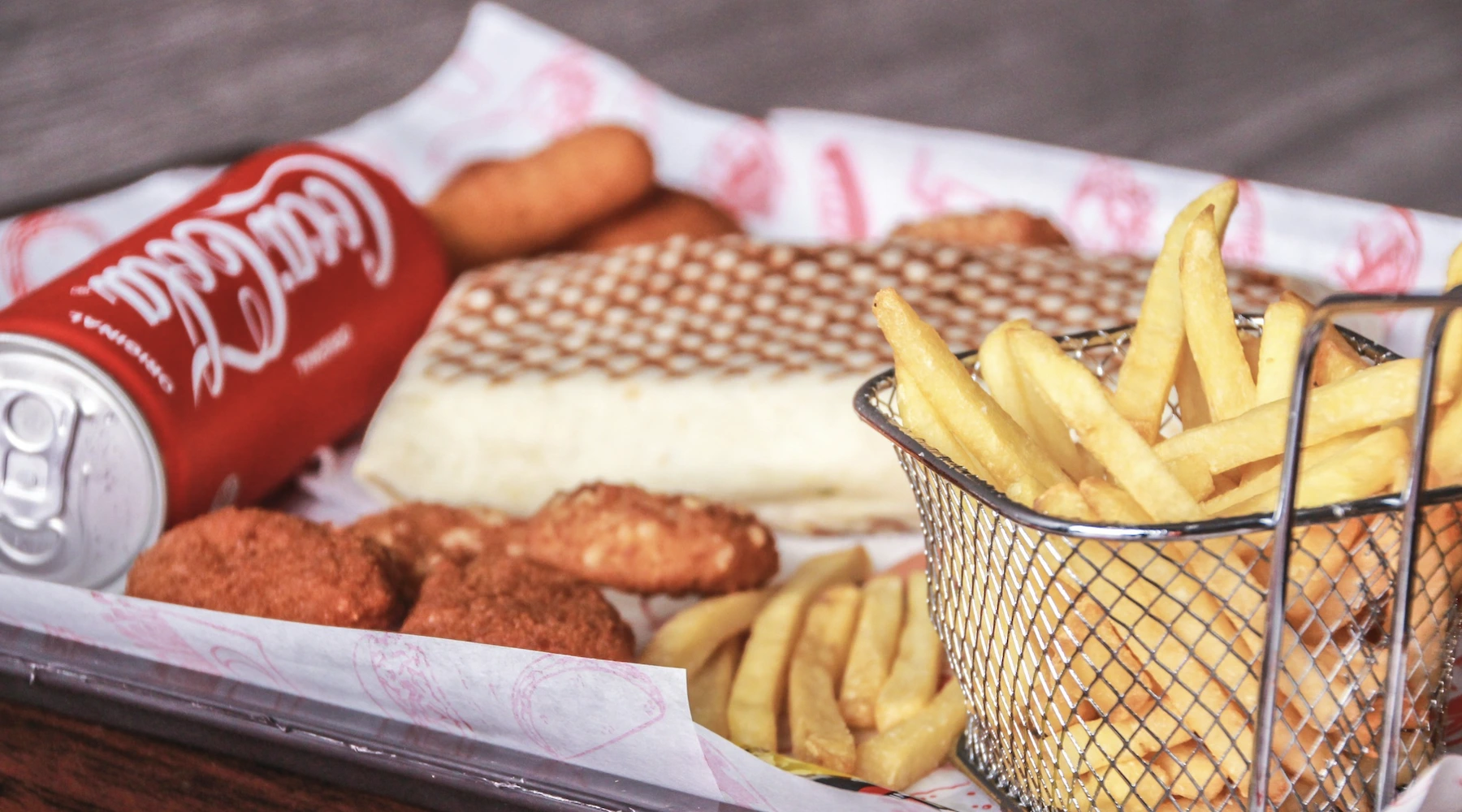
7-Eleven recently rolled out new value menus across three of its restaurant concepts—Laredo Taco Company, Raise the Roost, and Speedy Cafe. The offers span multiple dayparts, including breakfast and lunch, with some individual items priced under $3 and meal deals generally ranging from $5 to $7.
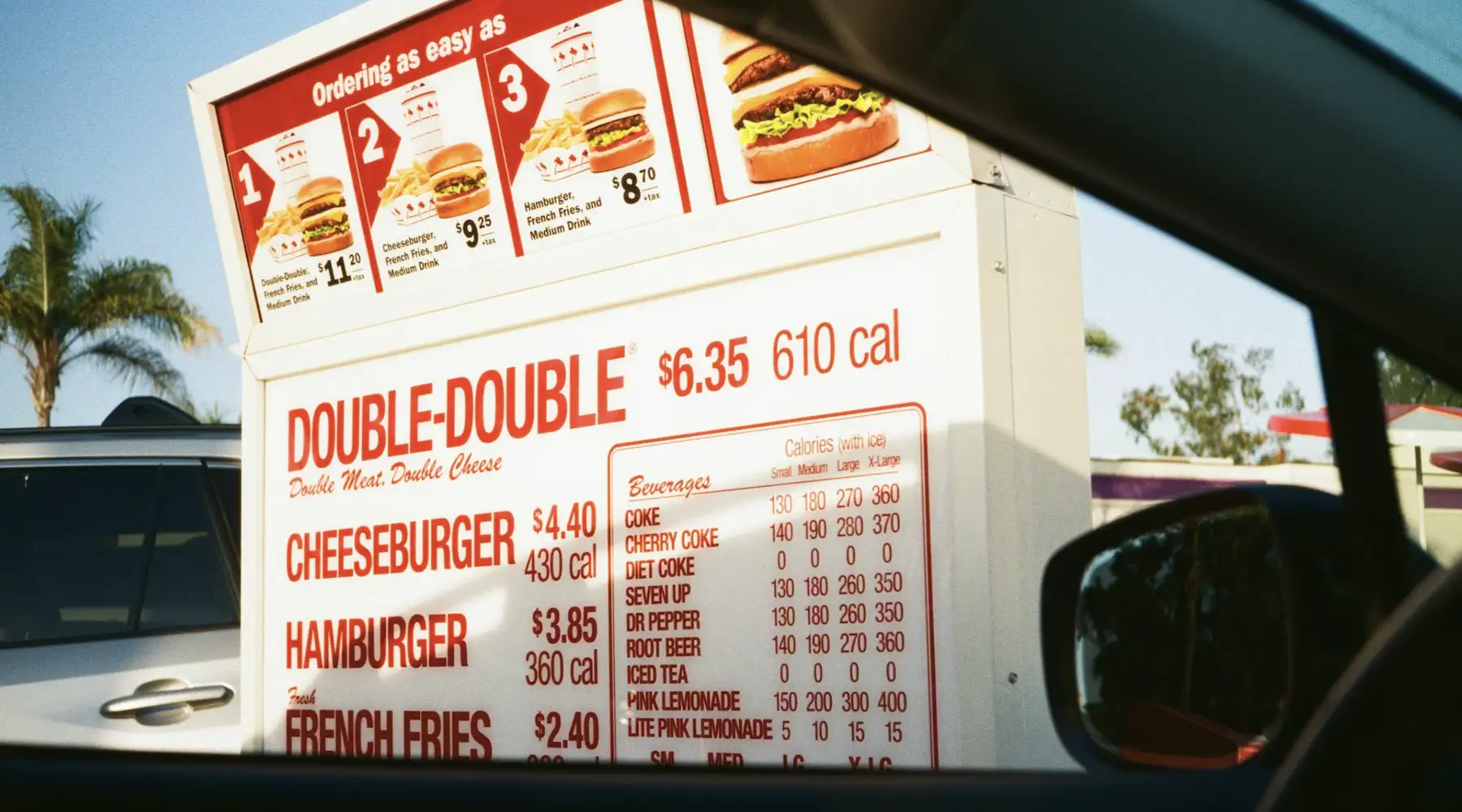
Value menus have become an increasingly familiar playbook across the U.S. QSR segment. From McDonald’s and Taco Bell to 7-Eleven’s restaurant concepts, brands are leaning into meal deals and lower-priced menu options to make one message clear: your money goes further here.
But the bigger story isn’t simply the growing number of lower-priced meals.
It’s the way consumers are thinking about value.
Google Trends offers a clear view of that shift.
Over the past three years, U.S. search interest in “value menu” has climbed significantly. In 2025, average search interest was about 67% higher than in 2024. By the end of September 2026, the average index had reached 29.8—more than twice the 2025 full-year average.
In late May 2026, search interest hit 100, the highest point in the three-year period analyzed.
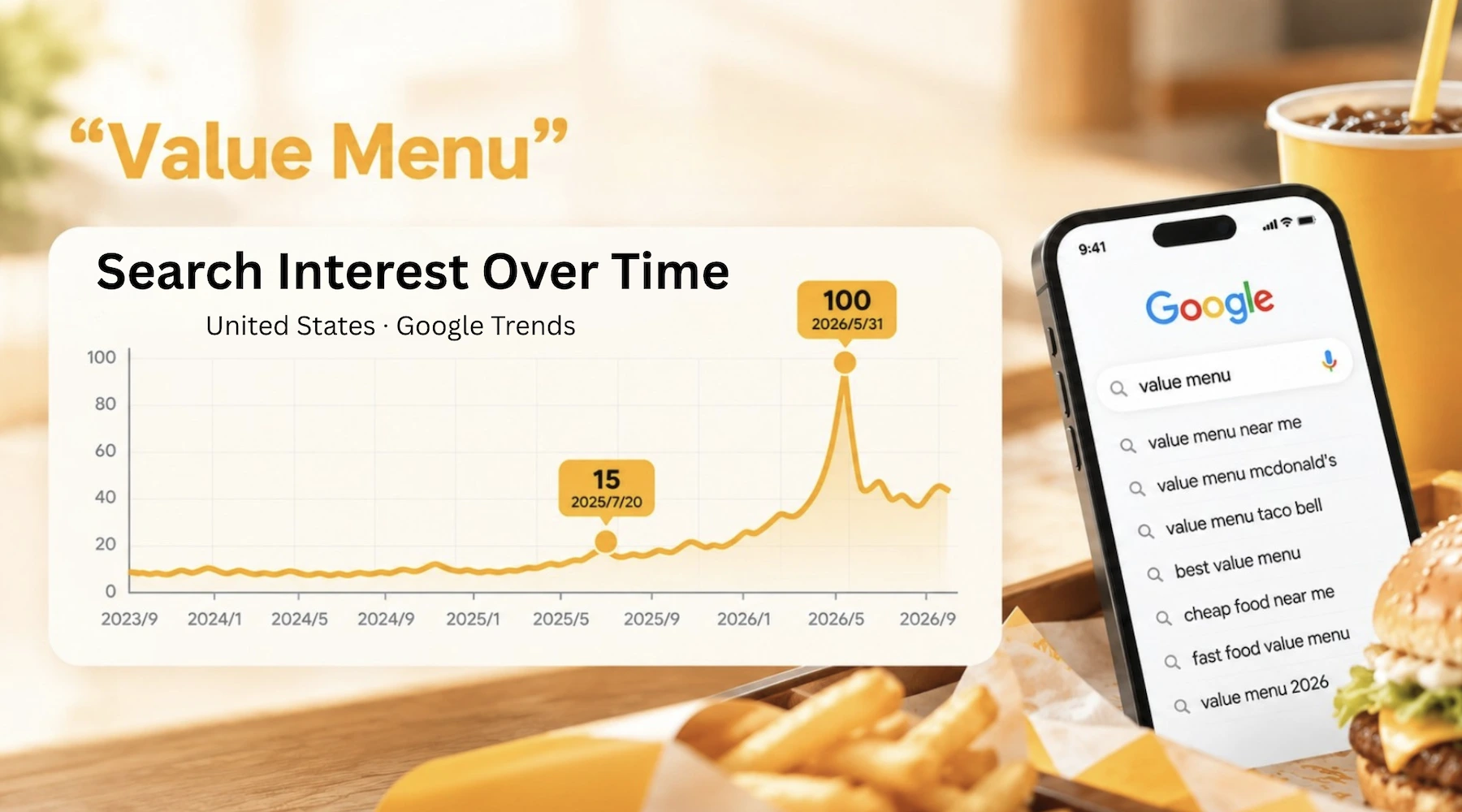
Source: Google Trends; United States; search term “value menu.” The index represents relative search interest within the selected time period, not absolute search volume. 2026 data is through the end of September.
Consumers aren’t simply responding to the value menus restaurant brands put in front of them. They’re actively searching for and comparing value options.
Broader consumer research points in the same direction. A 2026 U.S. restaurant consumer trends study found that 80% of consumers consider value one of their top priorities when deciding where to eat.
But value doesn’t simply mean finding the lowest price.
Consumers are increasingly asking a different question:
What am I getting for my money?
As consumers pay closer attention to value, the range of options they compare is getting wider.
Traditionally, value competition has played out largely within the QSR segment. McDonald’s launches a meal deal, Taco Bell expands its value menu, and other QSR brands respond with offers of their own. For the most part, they’re competing for the same consumers and the same meal occasions.
Now, that competitive set is expanding.
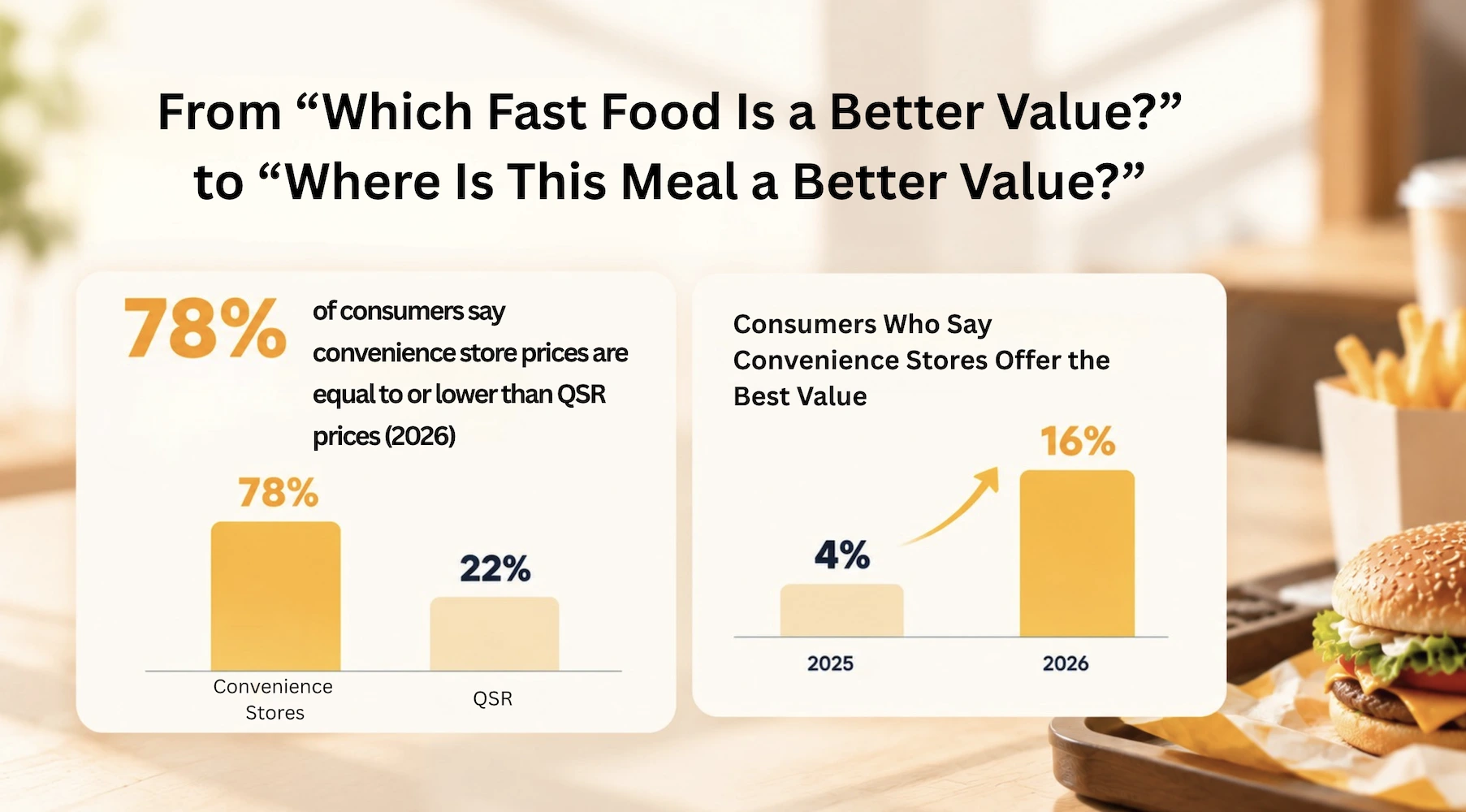
In 2026, 78% of consumers said convenience store prices were on par with or lower than those at fast-food restaurants.
The shift is even more noticeable when consumers are asked where they see the best value.
In 2025, just 4% of consumers considered convenience stores the best-value foodservice option. By 2026, that share had climbed to 16%.
Convenience stores have spent years expanding their foodservice offerings. Made-to-order meals, hot food, coffee, breakfast and grab-and-go options have made them more than a place to simply pick something up on the way somewhere else. Increasingly, they can meet the same everyday meal needs that have traditionally sent consumers to restaurants.
That doesn’t mean convenience stores are becoming QSRs. From the consumer’s perspective, however, those industry labels may matter less than the occasion itself.
Imagine having 30 minutes for lunch. Do you stop at a QSR for a combo meal, or grab a hot meal from a nearby convenience store?
In that moment, both businesses are competing for the same thing: the same meal occasion.
Value competition is no longer confined to brands within the same restaurant category. It’s increasingly playing out across foodservice formats.
If consumers care more about value, does that mean restaurants have to keep cutting prices?
Not necessarily.
A low price can drive a purchase, but “cheap” and “good value” aren’t the same thing.
Price is only part of the equation. Portion size, food quality, convenience and speed all shape whether consumers feel a meal was worth what they paid.
Take a $10 combo meal. If customers can immediately see what’s included, how much they save compared with ordering à la carte, and whether the portion feels substantial enough, that offer may communicate value more effectively than a handful of scattered discounts.
The same applies beyond menu pricing. Loyalty rewards, digital ordering and faster pickup can all strengthen the value proposition without requiring restaurants to continually lower prices.
As QSRs, convenience stores and other foodservice formats increasingly show up in the same consideration set, restaurants face a more practical question than simply:
“Are our prices low enough?”
The real question is:
What makes this meal worth choosing—and worth paying for—here?