Xiqiao Yin
October 9, 2026
How Sweetgreen is winning Gen Z through new wraps, social media and loyalty, as younger consumers rethink value and restaurant spending.

One of Sweetgreen’s newest menu items is already becoming a meaningful part of its business.
In 2026, Sweetgreen rolled out its wraps nationwide after an initial test. Just a few months later, wraps are showing up in roughly 20% of orders, or about one in every five transactions. The average wrap sells for around $12.50.
But the bigger story isn’t the wrap itself. It’s who is buying.
Sweetgreen says orders from Gen Z customers are growing at roughly twice the rate of other age groups, making younger diners one of the brand’s fastest-growing customer segments.
Sweetgreen’s footprint also offers some context.
According to MenuSifu’s U.S. restaurant database, as of October 2026, Sweetgreen has 290 open locations across the U.S., with another eight listed as coming soon. Its largest markets include California (56 open locations), New York (44), Massachusetts (24), Illinois (24), and Texas (20). Together, those five states account for 168 restaurants, or about 58% of Sweetgreen’s open U.S. locations.
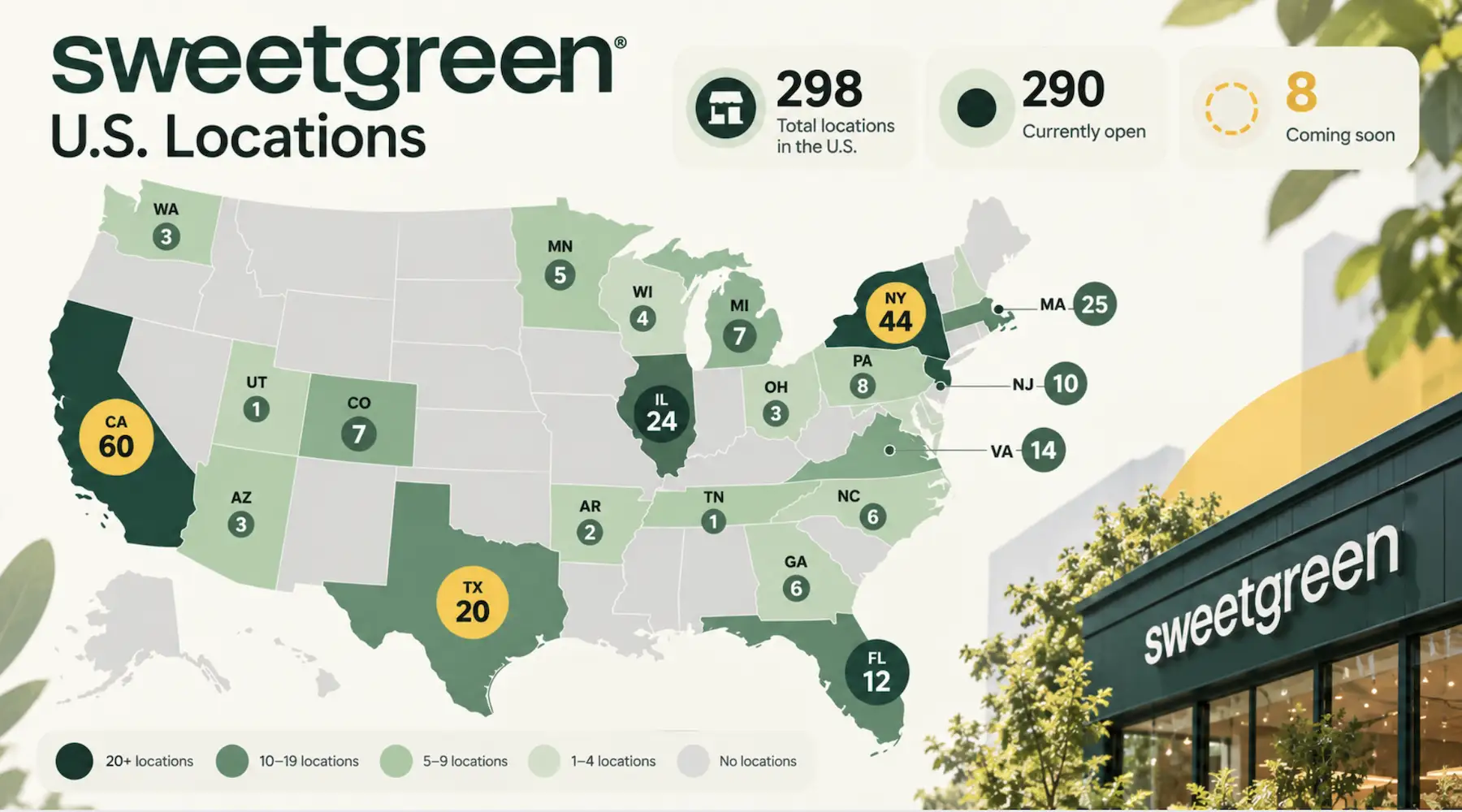
Much of that footprint sits in major cities and metropolitan areas, putting the brand close to the younger, urban consumers who have long been central to its customer base.
For a chain approaching 300 locations, however, growth can’t come from opening new stores alone. Bringing in new customers, getting existing customers to visit more often, and staying relevant to the next generation all matter.
That’s why the more interesting number may not be how many wraps Sweetgreen is selling. It’s how quickly the brand is growing with Gen Z.
Young consumers haven’t stopped going to restaurants.
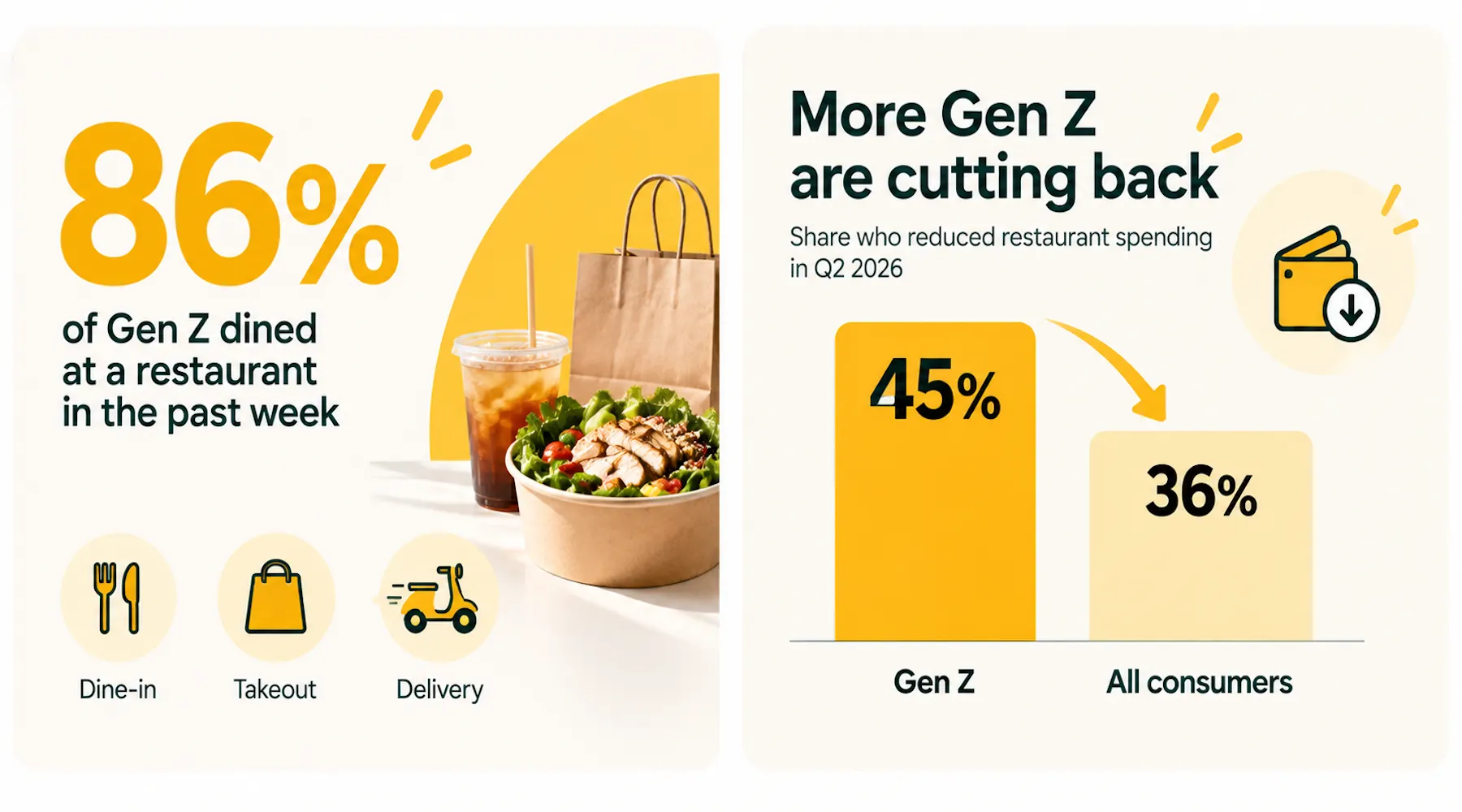
Industry research shows that 86% of Gen Z consumers had at least one restaurant occasion in the past week. Whether they’re dining in, picking up an order, or getting delivery, restaurants are still a regular part of their lives.
But they are becoming more careful about what they spend.
In the second quarter of 2026, 45% of Gen Z consumers said they had cut back on restaurant spending from the previous quarter, compared with 36% of consumers overall.
Put those two numbers together, and the picture becomes clearer: Gen Z still wants to eat out. They’re simply asking a tougher question before they spend:
Is this meal worth it?
And value doesn’t necessarily mean cheap.
Price matters, of course. But so do portion size, convenience, quality, health, and the overall experience. All of those factors shape whether a customer feels like a meal was worth the money.
Sweetgreen’s wraps are a good example.
At an average price of about $12.50, the wraps don’t turn Sweetgreen into a discount concept, nor do they pull the brand away from its health-focused positioning. Instead, they give customers a format that feels familiar, portable, and easy to understand.
For existing customers, it’s another option beyond salads and bowls. For people who may have thought of Sweetgreen as “just salads,” it creates a new reason to give the brand a try.
The fact that wraps have already made their way into roughly 20% of orders suggests Sweetgreen isn’t competing on price alone. It’s changing the value equation by giving customers more ways to use the brand, and potentially bringing new customers into the mix.
Sweetgreen isn’t only changing what it sells. It’s also changing how it reaches customers.
To support the wrap launch, the company worked with hundreds of content creators, using social media to get the new product in front of younger audiences.
That lines up with how Gen Z often discovers restaurants today. A new restaurant, menu item, or food trend may first show up on TikTok or Instagram — and then influence what someone decides to eat next.
A brand telling people “we launched something new” is one thing. Seeing creators and everyday customers try it, review it, and share it with their own audiences feels different. It puts the product into the content people are already consuming and gives it a better chance of becoming part of the conversation.
That changes how restaurants should think about menu innovation, too. Taste and price still matter, but there are new questions to consider: Is the product worth sharing? Does it give people something to talk about? Can it naturally turn into social content?

Sweetgreen’s strategy connects those pieces:
The product lowers the barrier to trial. Value gives customers a reason to buy. Social media gets it in front of them.
That combination helps explain why Sweetgreen is seeing stronger order growth among Gen Z.
But getting someone through the door once is only the beginning.
If a customer discovers you on TikTok or comes in to try a new menu item, what brings them back the second time?
Social media can generate attention. A new product can create a reason to visit. But for restaurants, the longer-term opportunity is turning that first visit into another one.
Sweetgreen has been working on that side of the equation as well, with updates to its Rewards program and app experience, including more flexible point redemption, credit-based rewards, and greater personalization.
One number stands out: Sweetgreen members spend nearly three times as much as non-members and visit more frequently.
That gets to the real value of a loyalty program.
When an anonymous customer finishes a meal and leaves, the restaurant may have no direct way to reach that person again. The next visit could depend on another ad, another platform, or simply whether the customer happens to remember the restaurant.
Membership changes that relationship.
Over time, restaurants can understand how often a customer visits, what they tend to order, how much they typically spend, and which offers are actually relevant to them. That makes future communication much more targeted.
In other words, loyalty is about more than earning points and redeeming discounts. It gives restaurants a way to move from managing individual transactions to building ongoing customer relationships.
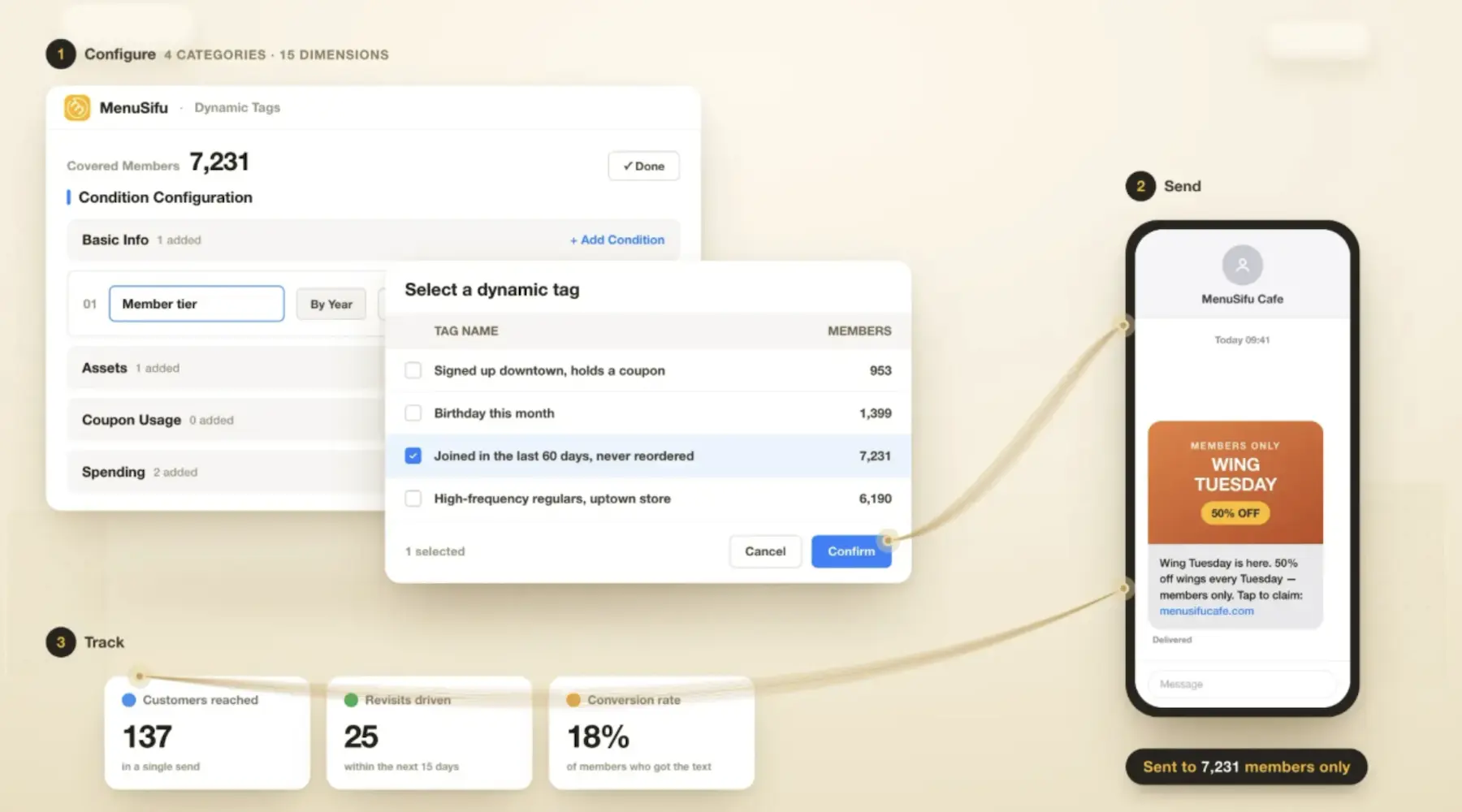
Sweetgreen’s recent strategy points to a fairly straightforward growth loop:
New products create a reason to try → social media brings younger customers in → loyalty turns those visits into customer relationships → ongoing engagement encourages repeat business.
That logic isn’t limited to a national chain.
As customer acquisition gets more expensive and diners have more choices, every new customer becomes more valuable. Restaurants still need to attract new people, but figuring out how to bring existing customers back can be just as important.
That’s where a digital membership system can help.
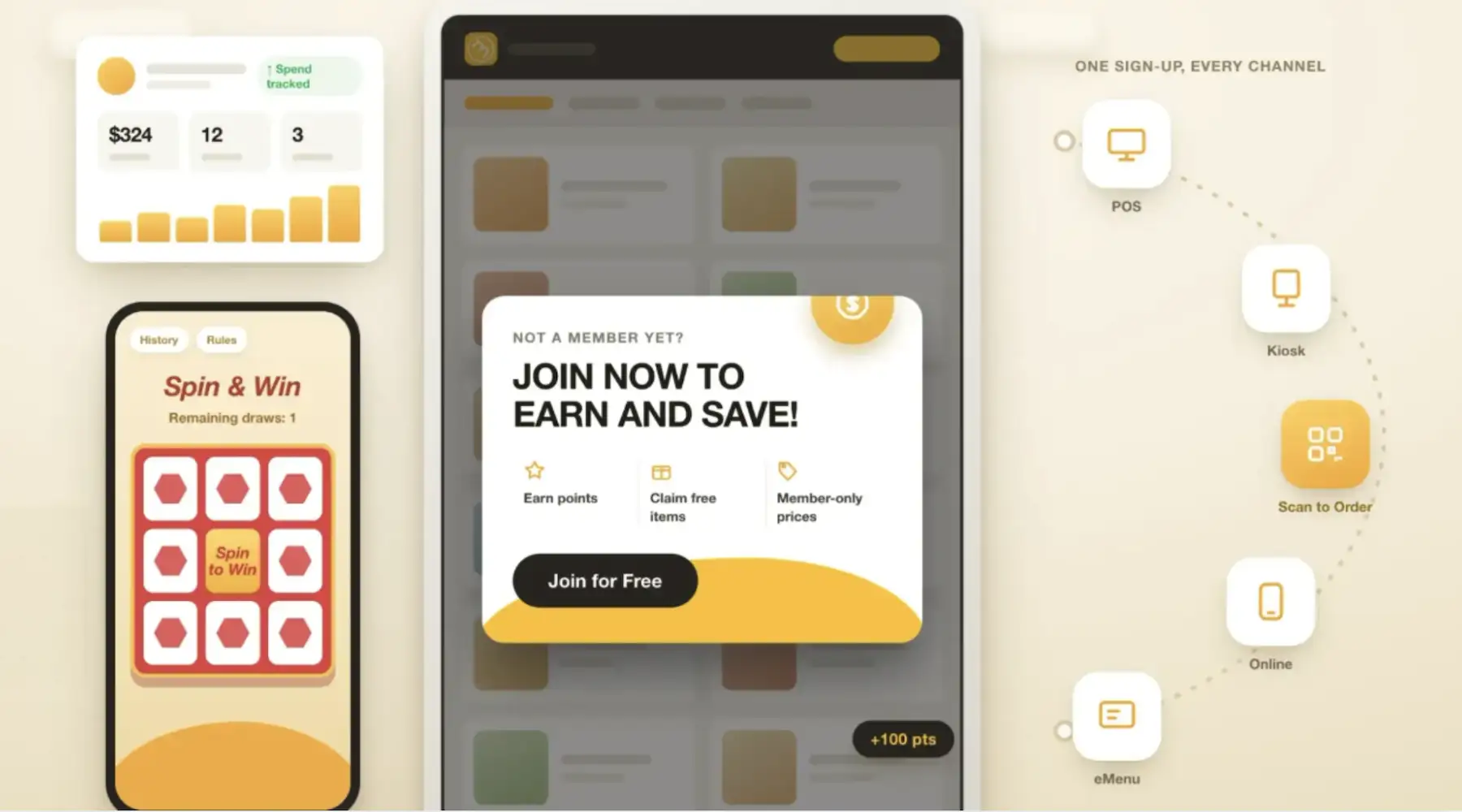
For example, MenuSifu’s membership marketing system connects customer activity across touchpoints such as POS, online ordering, and self-service ordering. Instead of leaving those transactions scattered across different channels, restaurants can build a clearer picture of their customers and use points, offers, and segmented campaigns to keep them engaged over time.
Sweetgreen’s experience points to a broader shift in restaurant growth strategy.
For the next generation of consumers, the question is no longer just “What should we put on the menu next?”
It’s also: How do we get discovered? What gives someone a reason to try us? And once they do, what makes them want to come back?
For restaurants trying to grow with younger consumers, those three questions are becoming increasingly difficult to separate.