Xiqiao Yin
October 27, 2026
McDonald's plans to win back 150 million infrequent loyalty members. Explore how restaurants can use loyalty programs to boost retention and repeat visits.

For restaurants, some of the biggest missed opportunities aren't customers who have never walked through the door. They're the ones who used to visit, signed up for a loyalty program, and gradually stopped coming back.
McDonald's is now looking for ways to bring those customers back.
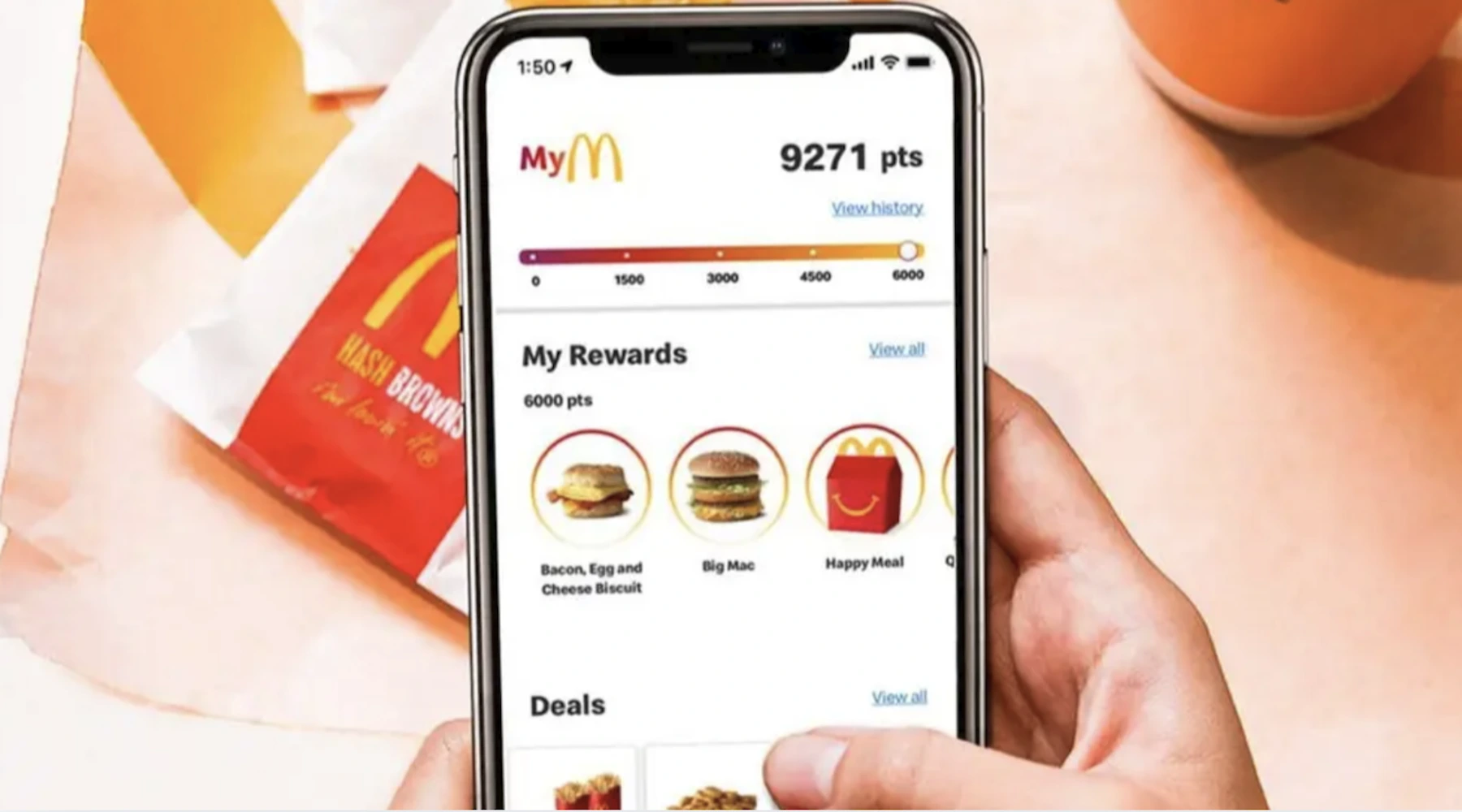
In September 2026, McDonald's announced plans to revamp its MyMcDonald's Rewards program with tiered membership benefits, personalized offers, and perks beyond the restaurant itself.
The company has nearly 220 million active loyalty members worldwide, but another 150 million members visit infrequently or have become inactive. Getting those customers back into the habit of visiting is a major focus of the upcoming changes.
One of the biggest changes to MyMcDonald's Rewards is a move away from treating every member the same.
Frequent customers could receive additional points and exclusive perks to keep them engaged. Occasional visitors may see offers based on their previous purchases, while members who haven't visited in a while could receive birthday rewards or surprise discounts.
McDonald's also plans to introduce benefits through partners such as Uber and Disney+, giving members more reasons to stay engaged beyond earning free food.
The idea is to make rewards more relevant to how people actually use the brand.
Someone who regularly stops by for breakfast, for example, might appreciate bonus points on their morning order. A customer who hasn't visited in months may be more interested in a limited-time offer that makes returning worthwhile.
Rather than simply offering bigger discounts, McDonald's is betting that understanding customer habits will help it deliver the right incentive at the right time.
Why is McDonald's putting so much effort into customers who already know the brand? Its own numbers offer some perspective.
According to the company, active loyalty members visit approximately 2.5 times as often as non-members. As of the second quarter of 2026, McDonald's global loyalty sales over the trailing 12 months reached approximately $40 billion, up more than 20% year over year.
These figures don't necessarily mean the loyalty program alone drives higher spending. Customers who already visit frequently may simply be more likely to join. Still, they show how valuable repeat visits are to the business.
For a chain as large as McDonald's, bringing infrequent customers back comes with another challenge: its restaurants serve different communities, each with its own dining habits.
According to the October 2026 U.S. restaurant location dataset used for this analysis, Texas has the most McDonald's locations, with approximately 1,291 restaurants, followed by California with 1,242 and Florida with 909.
With such a broad footprint, there's no reason to assume every customer responds to the same promotion.

Some people grab breakfast on their way to work. Others visit with their families on weekends. And some only stop by when there's a deal worth taking advantage of.
Sending all three groups the same coupon may not be the best way to bring them back.
That's where loyalty data becomes useful. Beyond tracking transactions, it can help restaurants understand what customers order, how often they visit, and when their habits begin to change.
The value of repeat customers goes well beyond McDonald's.
According to findings from a 2026 restaurant industry study, in some restaurant samples, just 7% of regular customers accounted for as much as 50% of total orders.
The study also found that loyalty program members had a return-visit rate of nearly 30%, compared with a benchmark of approximately 7%.
These findings highlight an important distinction: having more customers doesn't necessarily mean getting more orders from each one.

A restaurant might welcome plenty of first-time visitors every day, but its regulars often provide a more consistent stream of business. Think of the customer who picks up coffee every morning, orders lunch every Friday, or brings the family in on weekends.
Infrequent loyalty members fall somewhere in between. They've already made a purchase, but they may not have developed a regular visiting habit. Others might have been loyal customers whose visits have gradually dropped off.
Instead of waiting until those customers disappear completely, restaurants have an opportunity to spot the change early and give them a reason to return.
McDonald's may have a massive loyalty operation, but smaller restaurants can apply the same basic approach without building a system on that scale.
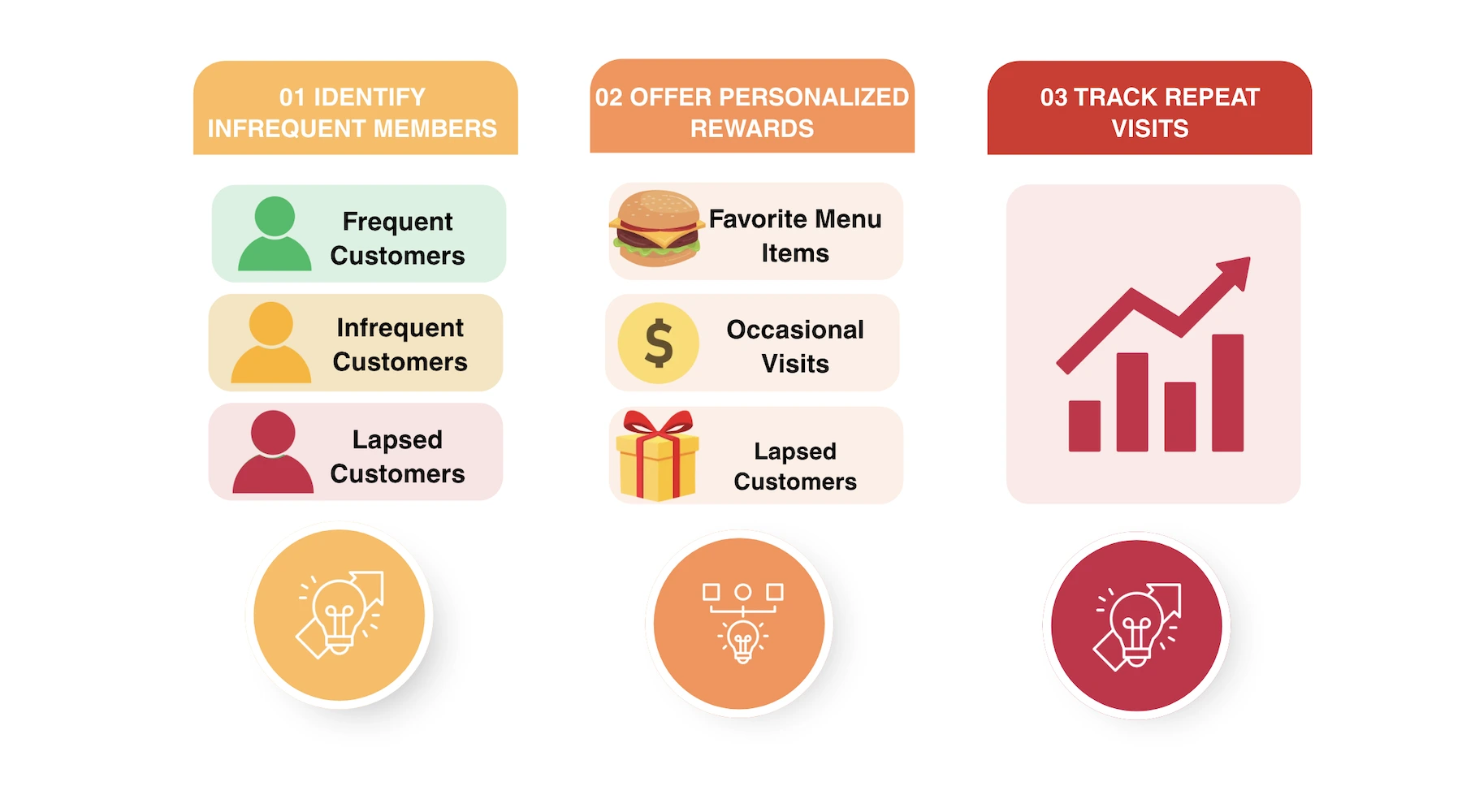
Start with purchase history, visit frequency, and the date of each customer's most recent order.
For example, someone who used to visit every week but hasn't returned in a month may be worth reaching out to. That's a different situation from a customer who has always visited only once every few months.
Rather than labeling everyone who hasn't visited in 30 days as inactive, restaurants can segment customers based on their usual purchasing patterns.
Not every customer needs the same incentive.
Someone who regularly orders a particular meal might respond to a deal on their favorite items. Occasional visitors could be encouraged with bonus points, while customers who haven't returned in months might appreciate a limited-time win-back offer or birthday reward.
The goal isn't necessarily to offer the biggest discount. It's to offer something the customer actually wants, at a time when they're likely to use it.
A redeemed coupon and a single visit don't necessarily mean a customer has become active again.
Restaurants should also look at whether customers return in the following weeks, whether the time between visits gets shorter, and whether they keep ordering after the promotion ends.
That helps distinguish a successful win-back campaign from a one-time purchase driven by a discount.
McDonald's latest loyalty push isn't simply about adding more rewards. It's about getting existing members to visit more consistently.
The same thinking applies to independent restaurants and smaller chains. By combining loyalty data, purchase history, and targeted promotions, operators can identify customers who are slipping away and reach them with offers that make sense.
MenuSifu's loyalty and marketing tools help restaurants bring customer information, points-based rewards, and promotional campaigns together, making it easier to stay connected with guests and encourage repeat visits.
After all, getting someone to join a loyalty program is only the beginning. The real value comes when they keep choosing to come back.