Marketing Team
September 15, 2026
Explore China’s hotpot industry, covering consumer trends, product innovation, supply chain efficiency, digital operations, competitive dynamics, and future growth opportunities.

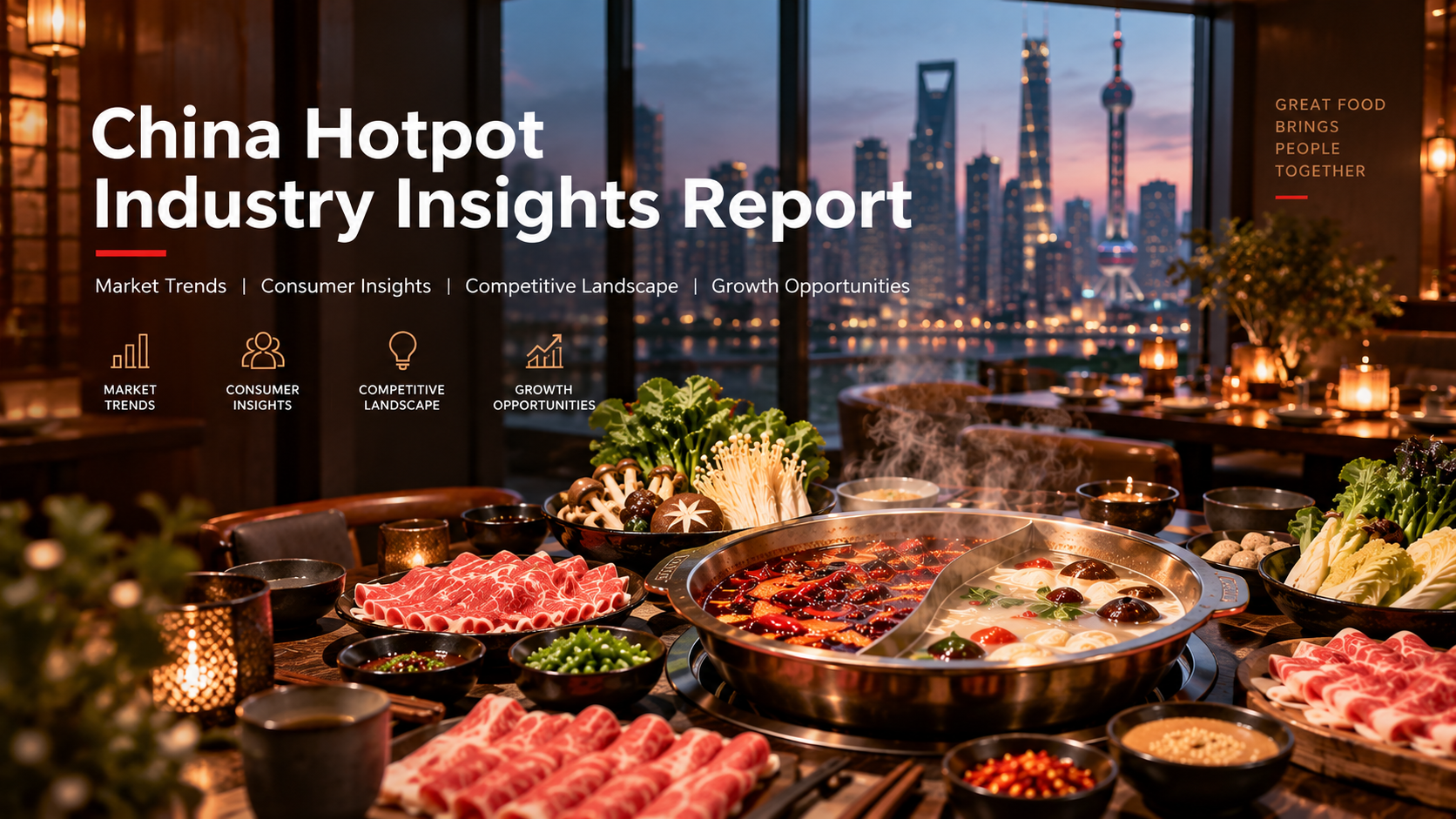
China’s hotpot industry continues to benefit from strong consumer demand, but competition is shifting from store expansion toward operational efficiency and differentiation. Consumers increasingly care about ingredient quality, product innovation, dining experience, and overall value. At the same time, chain operations, digital capabilities, and supply chain efficiency are becoming critical competitive advantages.
Hotpot remains one of China’s most popular and widely distributed restaurant categories. As consumers become more value-conscious, operators need to improve product and service quality while maintaining healthy unit economics.
Future growth will increasingly come from improving store productivity, strengthening brand differentiation, optimizing supply chains, and increasing customer retention rather than simply opening more locations.
Consumers are paying greater attention to the quality of broth, meat, vegetables, and sauces while becoming more conscious of overall spending. Finding the right balance between quality ingredients and reasonable pricing will remain a key competitive factor.
Traditional formats such as spicy beef-tallow and clear-broth hotpot continue to dominate, while regional flavors, specialty broths, innovative dipping sauces, and seasonal products are expanding consumer choices. Successful brands can use signature products to build recognition while introducing limited-time offerings to create excitement.
Centralized procurement, standardized preparation, and cold-chain distribution allow restaurant chains to improve cost control and product consistency. Supply chain capabilities are becoming increasingly important to store-level profitability.
Digital queueing, membership programs, mini-program ordering, and delivery services are becoming important parts of the hotpot customer journey. Analyzing purchase frequency, average order value, and customer preferences can help brands improve retention and marketing efficiency.
Beyond food, store atmosphere, service efficiency, interior design, and social experience increasingly influence consumer choices. Younger customers in particular value distinctive and shareable dining experiences.
China’s hotpot market is becoming increasingly segmented. Mass-market brands compete through scale, pricing, and standardized operations, while mid- and premium-tier brands focus on ingredient quality, brand identity, and differentiated dining experiences.
Future category leaders may not necessarily have the most stores or the largest menus. Instead, they will be the brands with the clearest positioning, most reliable product systems, and strongest operating models.
China’s hotpot market is moving into a more mature and sophisticated phase of competition rather than simply entering a period of growth or decline. Product quality, supply chain efficiency, digital capabilities, and brand differentiation will be critical to sustainable growth.