March 10, 2026
Discover what a pastry chef does, types of pastry chefs, key skills, and how to become a professional in the world of desserts.
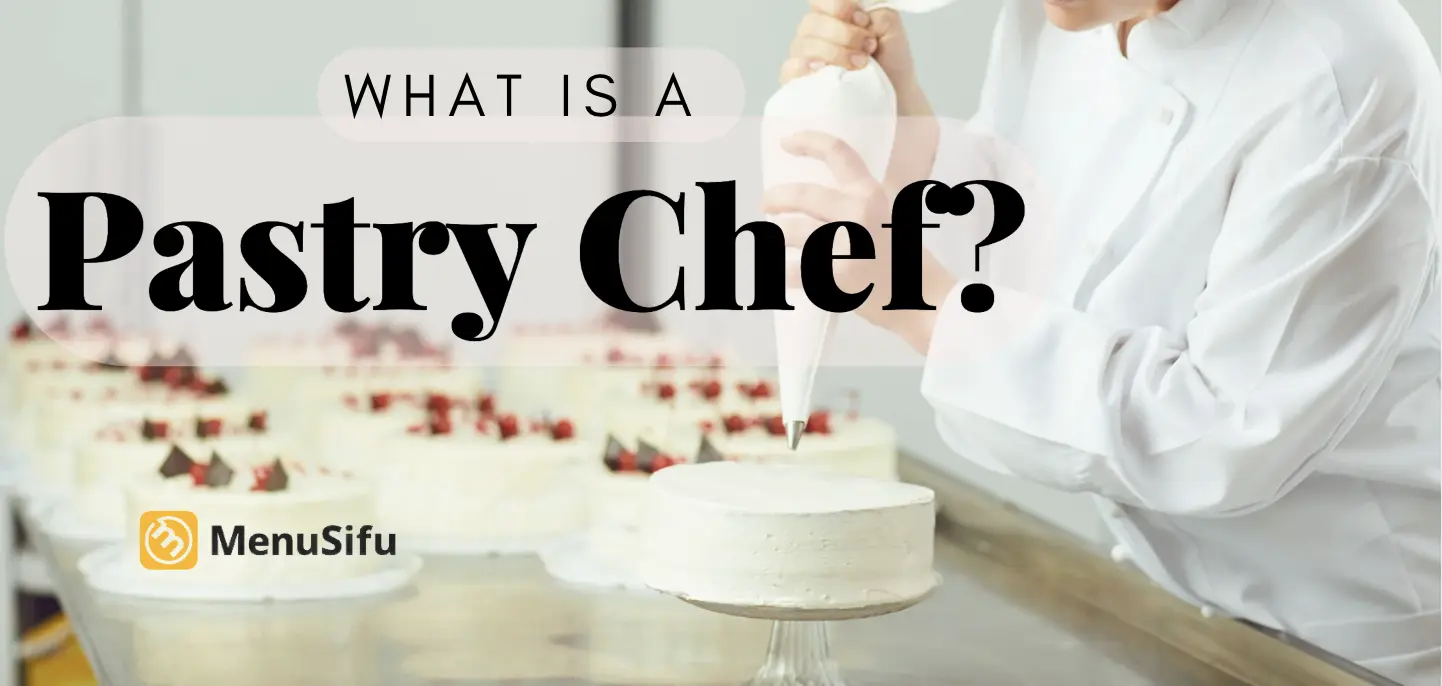

Pastry chefs are professional chefs that specialize in making pastries, desserts, and various confectionaries.
They are the ones responsible for all those delicious desserts that you eat during vacation, fancy dinners, and birthday gatherings.
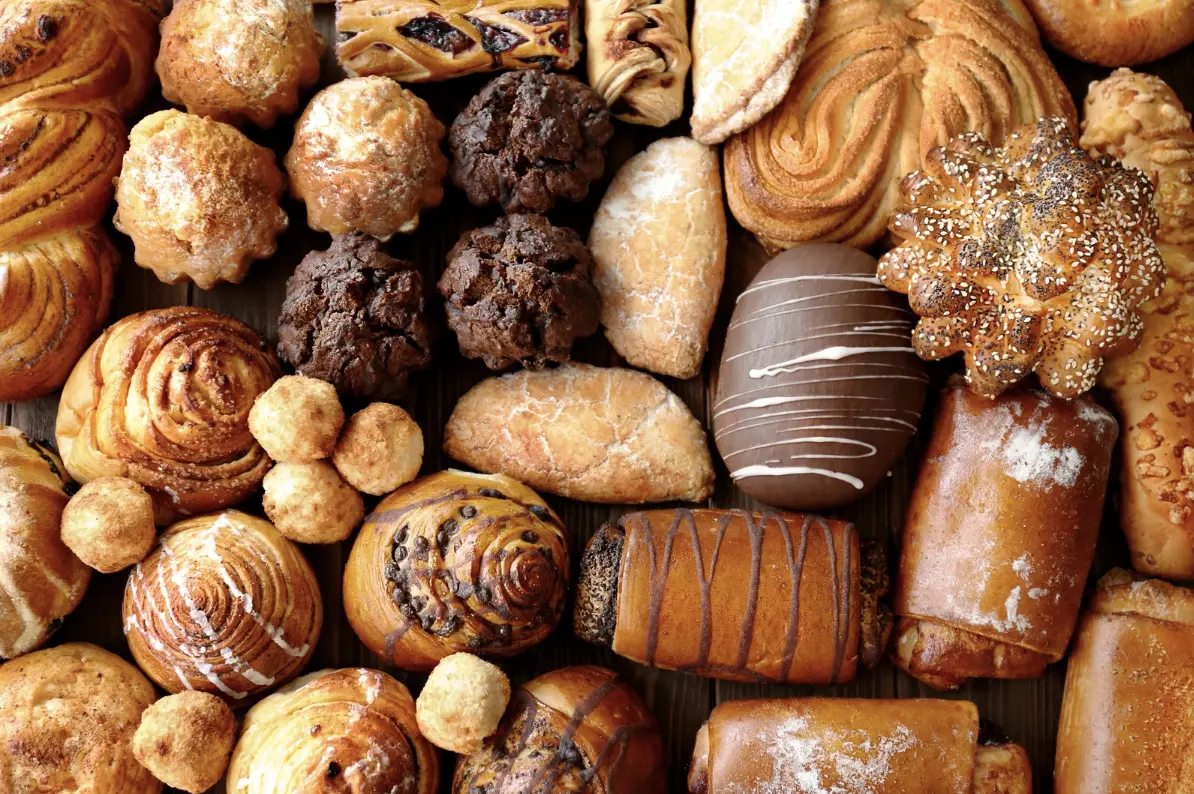
There are many types of pastry chefs, but many decide to specialize in a specific area of pastry or dessert.
Their specialization could be decided by their personal interest, or the needs of their workplace.
Below are the descriptions of the main types of pastry chefs that you might encounter:
Executive pastry chefs are the most experienced pastry chefs in charge of the dessert section and often work with the executive chef to design the dessert menu.
This is often one of the most desired careers in pastry other than owning your own pastry shop.
As an executive pastry chef, along with the immense pastry expertise needed, leadership skills are also required for this role.
They often have pastry assistants at various pastry stations to help them complete the pastries for the day.

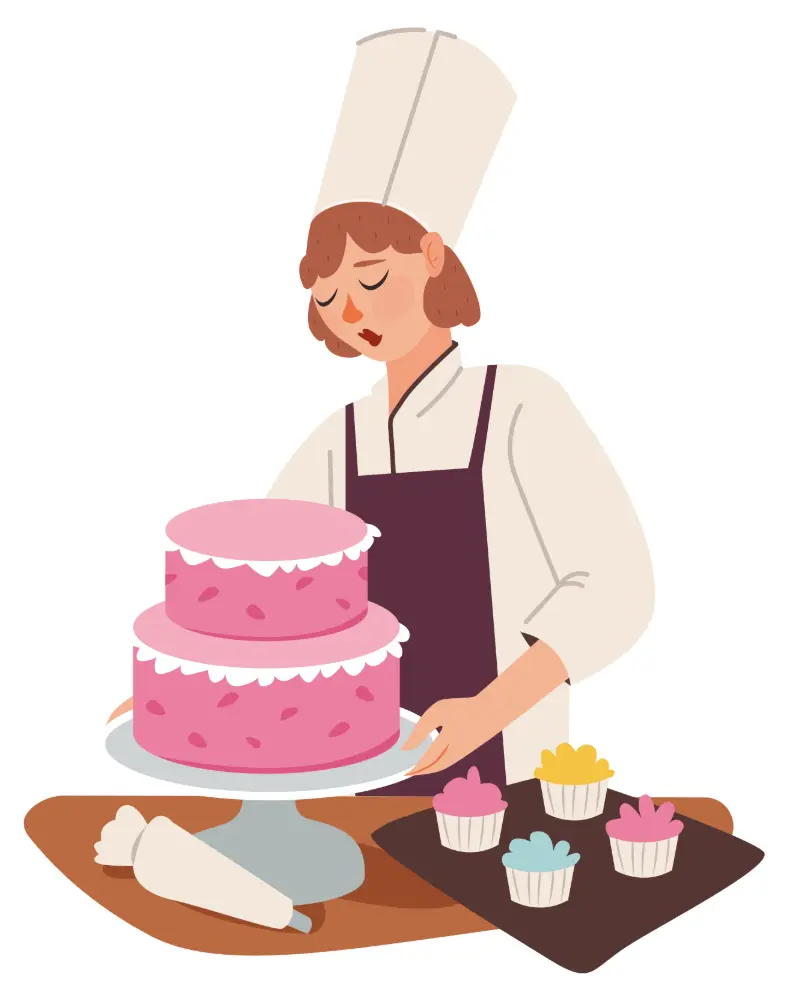
Cake designers specialize in baking cakes and decorating cakes.
They often create custom specialty cakes with intricate designs for various events such as weddings, birthdays, and celebrations, and require strong artistic ability and attention to detail when decorating and baking cakes.
They not only have to master cake decoration, they also need to develop all components of the cake including the sponge, various fillings, syrups, condiments, icing, fondant, and flavour combinations.
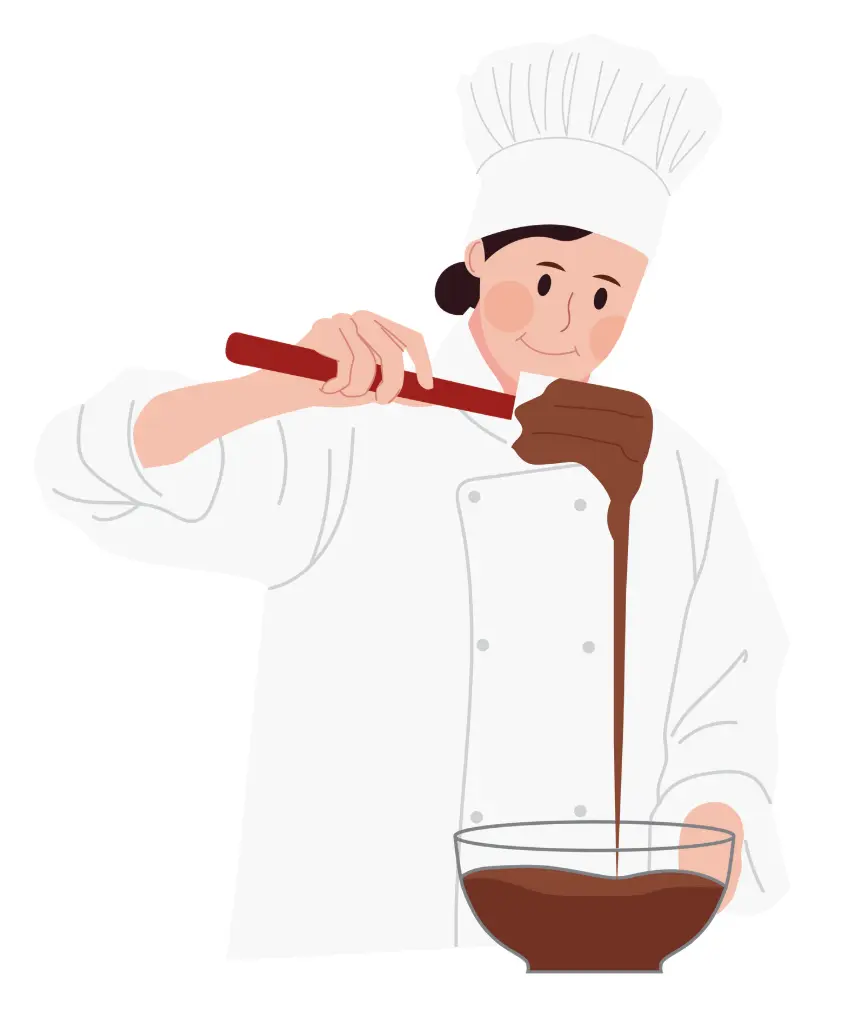
Chocolatiers focus on creating various chocolates such as artisan chocolates, truffles, molded chocolate decorations, and chocolate for confections.
One of the main skills to being a chocolatier is tempering chocolate, often requiring lots of practice and experience to master consistent quality.
Frozen dessert specialists work with all things cold such as ice cream, gelato, sorbet, and frozen artisan confectionery.
They have a deep understanding in freezing processes, flavour development, and texture management which require professional training and knowledge in food sciences.
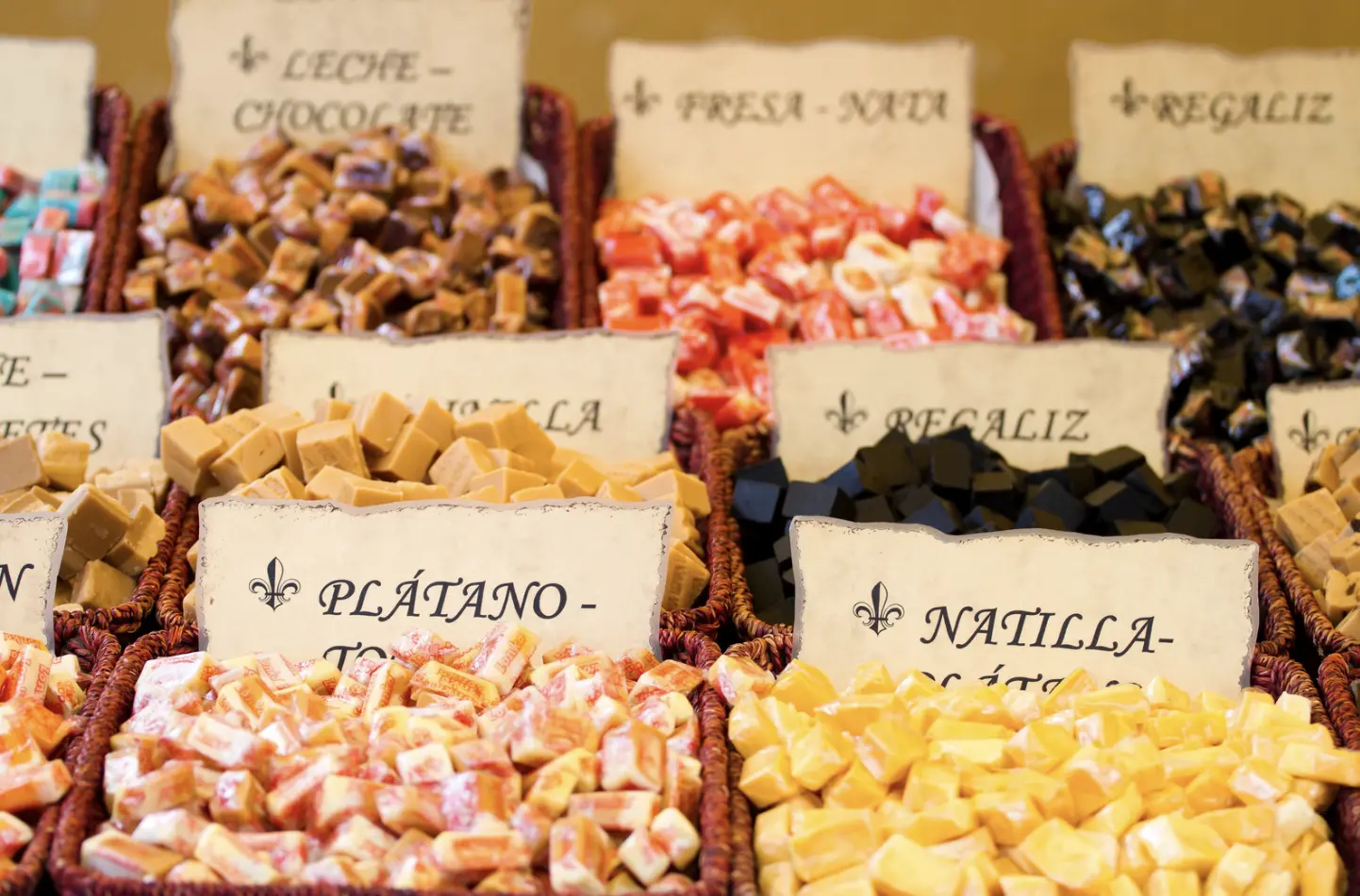
Confectioners make candies, caramels, nougats, and other sugar based sweets.
They often have expertise in sugar work such as pulling, spinning, and molding sugar, creating those fun designs you see in candy jars.
This type of pastry making requires specialized training and in depth knowledge on sugar chemistry and structures.
Bakers and pastry chefs both revolve around the art of baking.
They are both baking roles with similar baking principles, but bakers tend to bake a wide variety of baked goods whereas pastry chefs specialize in sweet baked goods and confectionaries that require more formal training.
Essentially, a pastry chef is a type of baker that has more specialized and advanced training with honed dessert skills.
Their skills are more enhanced and are often in charge of an entire dessert section or pastry department, whereas bakers often only oversee the bread baking.
Being a successful pastry chef takes time and dedication, and a passion for pastry.
Starting with basic skills and education, there are many pastry schools and culinary schools that can give you a headstart your career in pastry, although it is not necessary to become a pastry chef.
For this career path, although formal education is helpful, having practical and hands on experience in a professional kitchen is crucial to understanding the ins and outs of being a successful pastry chef.
There are many types of schooling you can receive as a pastry chef, as well as certifications and advanced training such as workshops or masterclasses for specific areas in pastry.

1. Culinary Institute of America
2. Ecole Ducasse
3. Ferrandi Paris
4. Auguste Escoffier School
5. Barcelona Culinary Hub
6. Le Cordon Bleu
Having a deep understanding of baking techniques, ingredient properties, and flavour combinations is fundamental to becoming a good pastry chef.
Attention to detail is crucial in pastry for consistency in pastry size, texture, and taste, as well as overall presentation and aesthetics.
Creativity is important for constant innovation and new flavour combinations, and an eye for artistry is necessary to produce beautiful pastries.
As a pastry chef, time management, efficiency, and prioritization is key to be able to juggle all the various tasks and components of the pastries. Knowing what to focus on and the precise timing of each task is crucial.
Clear communication is always vital in any team, and in a kitchen, it is critical for smooth service and to avoid injuries.
Collaboration is also essential because within the team, sharing ideas and expertise can lead to more creative desserts, more efficient production, and overall better results.
Leadership and teamwork is important in any team environment and especially for executive pastry chefs, supervising their team, delegating tasks, and maintaining a positive work environment is crucial to being a good team leader.