Welcoming, friendly demeanor
Sets the tone for every guest interaction

July 13, 2026
Explore a restaurant host's essential duties, from greeting guests to managing reservations, ensuring a seamless dining experience and top-notch service.

The host often sets the pace for the entire shift, yet their role can get overlooked during hiring or training. If guest flow feels inconsistent, wait times drag, or the entryway lacks structure during service, it often traces back to how the host position is managed. What does a host do at a restaurant, and how does that role shape the entire dining experience?
This blog covers key responsibilities, training priorities, pay expectations, and hiring tips to help you run a smoother front-of-house from the first hello to the final seating.
A host (or hostess) is the team member responsible for managing the initial guest experience from greeting guests at the door to coordinating seating, managing reservations, and ensuring wait times are handled with care and professionalism.
For restaurant owners, the host is more than just a greeter. They are:
A well-trained host helps your restaurant run smoothly, keeps service staff focused, and plays a major role in guest satisfaction, especially during peak hours.
The only difference between "host" and "hostess" is the word itself. The responsibilities stay the same.
Traditionally, “host” referred to a man and “hostess” to a woman. Today, “host” is widely used for all genders in professional settings. It’s simpler, more inclusive, and often listed that way on job descriptions and schedules.
If you're writing training manuals, setting up a POS label, or creating a staff schedule, stick with “host.” It's clean, consistent, and avoids unnecessary gender labels.
Use what fits your brand voice, but know there’s no functional distinction between the two. The title doesn’t change the role — greeting guests, managing reservations, and supporting a smooth service flow still apply to everyone at the door.
Host training sets the tone for how smoothly your front-of-house runs. A well-prepared host doesn’t just greet guests. They help manage flow, prevent bottlenecks, and maintain a calm, efficient service.
From day one, hosts should be trained to:
Trained hosts know when to take initiative, when to involve management, and how to deliver consistent service under pressure. Their position at the entrance gives them visibility that no other team member has, and when trained well, they use it to your restaurant’s advantage.
Most of these skills can be taught through online or in-person programs. You don’t have to build your own from scratch. Some restaurants still train hosts entirely on the floor, but a short structured onboarding, even if informal, often leads to better results.

The duties and responsibilities of a host cover every stage of the guest’s arrival and seating experience, as outlined in the job description below.
Greeting customers as each walks in the door is a crucial part of the customer experience. You are the first point of contact for guests, and by managing the flow of guests as they enter, you can control service and create an orderly, organized environment as each guest waits or is shown to their table.
Reservation management is one of the most crucial parts of a hostess position, as guest wait times significantly impact the overall guest experience. By providing accurate wait times and not straying too far from their online reservation, it can relieve many potential stressful situations.
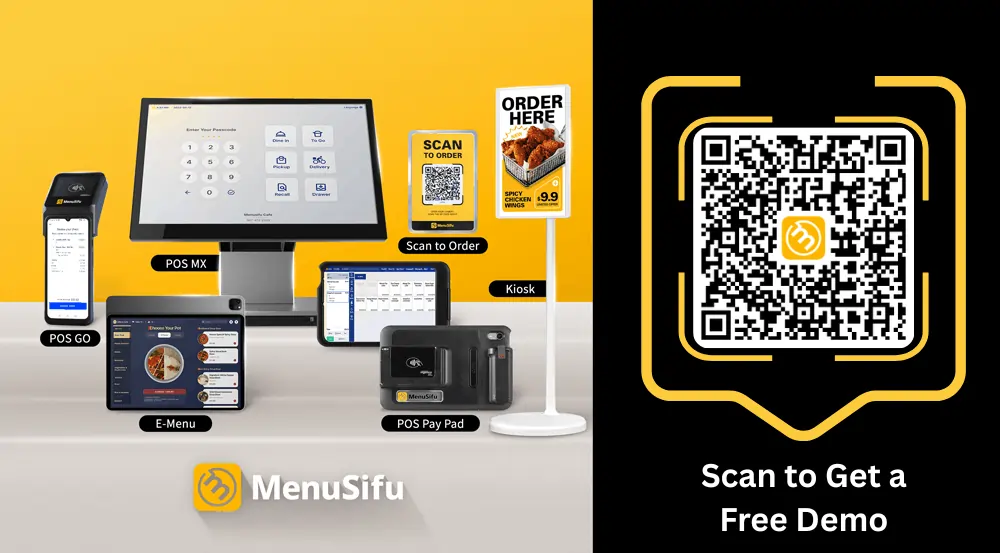
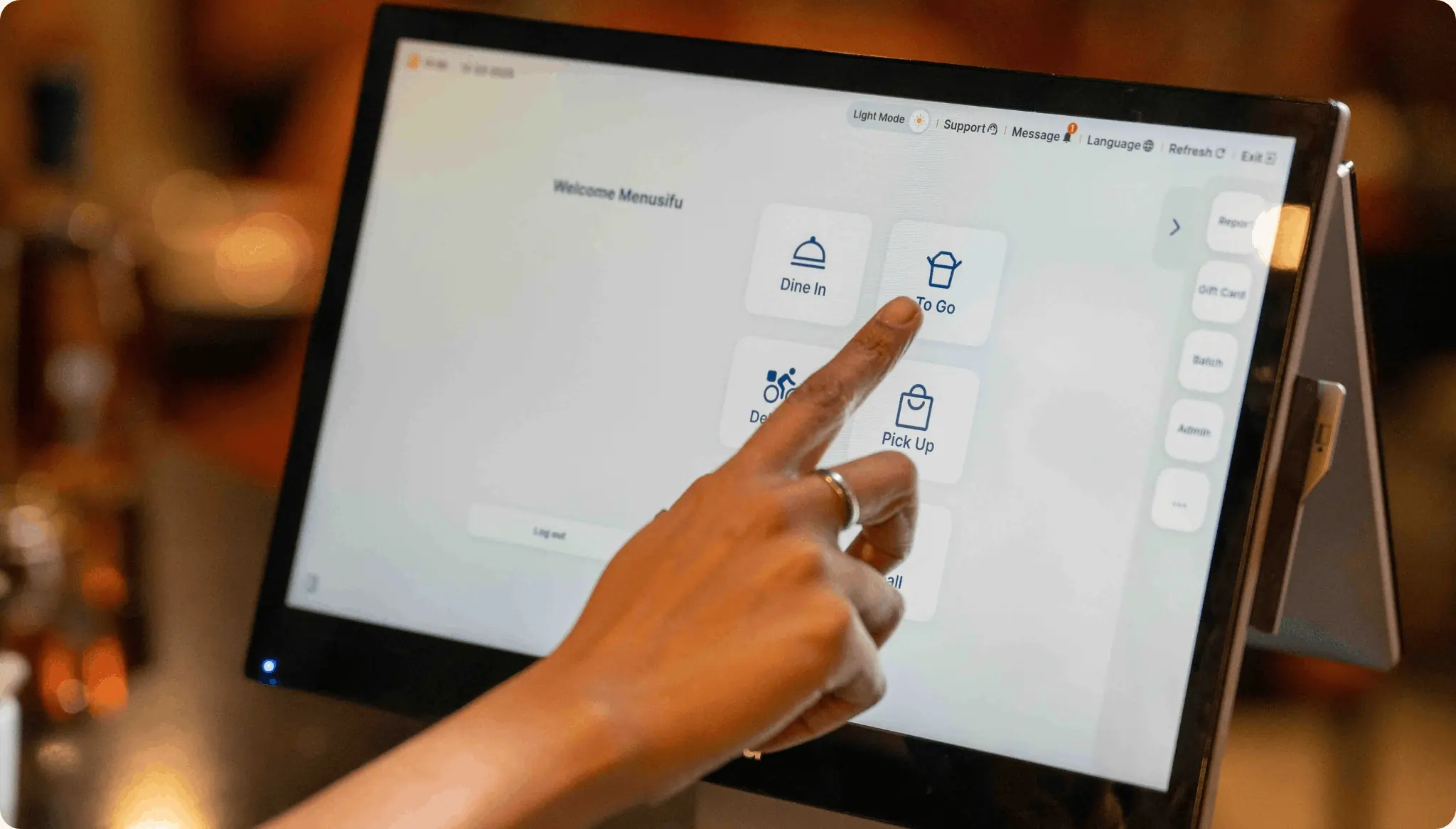
With MenuSifu's POS MX, everything can be done with a single click, all on a single device. An easy-to-use, all-in-one solution can be a great addition to your restaurant and an easy application for your host or hostess to begin using.

Seating guests can be both a hostess' and a server's responsibility, depending on who is available at the moment and which area of the restaurant the guest is being directed to. A smooth flow is crucial for a high turnover rate, especially in a busy restaurant environment.
Answering customer phone calls and questions is one aspect of restaurant hosting that happens both before, during, and after service times, and answering customer inquiries will increase customer volume and mitigate any guest concerns or disgruntled guests.
Effective communication skills are essential when talking on the phone to convey the message clearly and efficiently.
The host training process involves getting to know and befriending the entire restaurant staff. This way, any customer concerns or issues with customer satisfaction can be addressed effectively. Hosts must also coordinate with kitchen staff on to-go orders.
When a restaurant is busy, the host must ensure efficient operations and provide guests with an enjoyable dining experience from the moment they enter.
The guest experience mainly deteriorates due to wait times or the quality of the meal, so, as one of the two aspects that significantly affect the entire dining experience, it is crucial to address customers with a positive attitude and attentive service.
A crucial role as a hostess is to remain calm and positive even during times of chaos and conflict. Having a pleasant demeanor and maintaining a seamless flow of customers on your end will definitely make a difference within the restaurant.
Pay for restaurant hosts and hostesses varies by location, experience, and type of establishment.
United States pay
Wages can range from lower amounts in entry‑level positions to higher hourly or annual pay in busy markets or upscale locations.
Canadian pay
What influences pay
These figures offer a practical baseline for planning staffing costs or setting pay ranges for your own restaurant’s host role.
Your host sets the tone the moment a guest walks in. With the right training, tools, and support, that first interaction can lead to smoother operations, fewer delays, and a better overall experience for everyone involved.
If you're ready to make your front-of-house more efficient, consider giving your team technology that supports what they do best.
Book a free demo with MenuSifu today and see how an integrated POS system can help your hosts manage reservations, track table status, and improve service flow—all from one place.
These common questions cover hiring expectations, pay structure, and day‑to‑day responsibilities to help clarify how the host role supports your front‑of‑house operations.
Yes. Many restaurants treat the host role as entry-level since it often requires minimal prior experience. Strong communication, organization, and customer service skills matter most. With training, hosts can grow into server, supervisory, or management roles over time.
Hosts usually receive tips through tip pooling, where servers share a portion of their tips with support staff. Some guests may also offer cash tips directly, especially if the host provides extra help like handling large parties or assisting with special requests. Tip policies vary by restaurant.
Restaurant servers usually earn more than hosts. Servers receive hourly wages plus tips, which can significantly increase total pay, especially during busy shifts. Hosts typically earn an hourly wage and may receive shared tips or tip-outs, depending on the restaurant.
It can be challenging. Hosts manage reservations, greet guests, coordinate seating, and communicate with servers to keep service running smoothly. The role requires strong communication, multitasking, and problem-solving skills, especially during busy hours. With experience, it becomes more manageable.
A hostess greets guests, manages reservations and waitlists, and escorts diners to their tables. They answer phone calls, provide estimated wait times, and ensure smooth seating flow to support servers and maintain a pleasant dining experience.