April 15, 2026
Discover a step-by-step guide on how to make a restaurant menu, including menu design, pricing strategies, and layout tips for different restaurant types.
One might say that the restaurant menu is the single most important aspect of a well designed and functioning restaurant.
Without it, customers wouldn't know what to order, how to order, or what they can order.
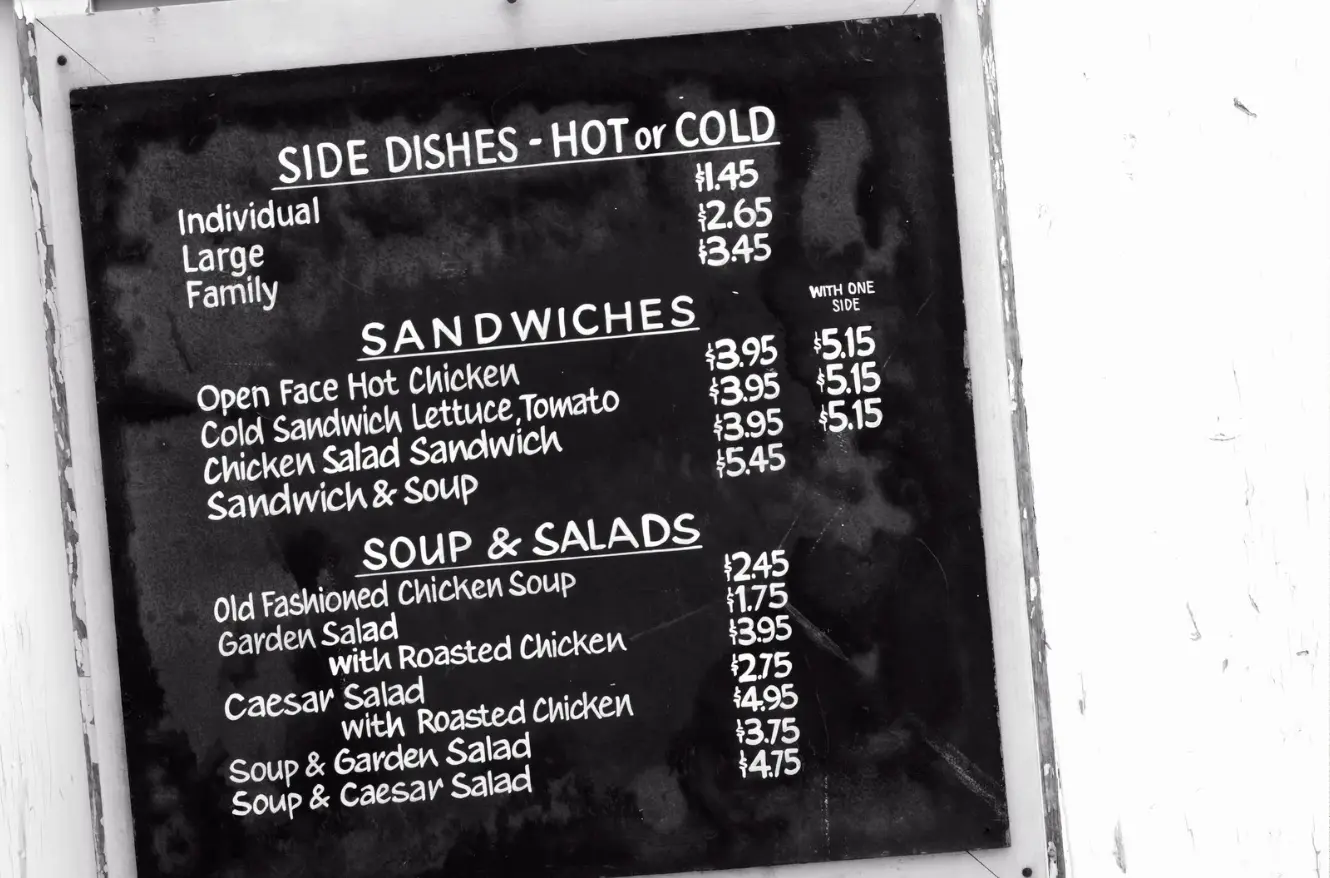
But, a complicated menu can be a restaurants demise.
A successful restaurant menu is more than just a list of dishes—it’s a powerful sales tool that can enhance the dining experience, influence customer choices, and maximize profits.
Restaurant owners can often design the menu with their team, but having a designated menu designer is helpful to simplify the menu engineering process and create a near perfect menu.
1. The process of menu creation varies depending on the type of restaurant, as each has unique needs, target audiences, and pricing strategies to enhance performance.
2. In today's world, online restaurant menus are now becoming more prevalent, but paper menus are still the norm so designing them still needs lots of considerations. That being said, online menus also need custom menu designs so that the dishes are clearly listed, but still has the brand identity in the design as a whole.
3. It is important to consider the menu types which all require different menu layouts. Examples of menu types include paper menus, menu books, online menus, whiteboard menus, and poster menus. These all require different menu engineering principles such as spacing, layout, and menu content.
Below is a detailed step-by-step guide on how to make a restaurant paper menu tailored to various different restaurant types.
Scroll to the very bottom for a menu template you can follow!
Before jumping into menu design, make sure to have a solid business plan and restaurant branding to build your menu around so that it creates a cohesive brand image.
Before selecting menu items, it’s essential to understand your restaurant’s theme, cuisine, and customer preferences. Whether you’re running a fine dining establishment, a casual eatery, or a fast-casual spot, aligning your menu with your brand identity and market demand is the foundation for long-term success.
Your menu should align with your restaurant’s brand, theme, and customer expectation, along with the key menu engineering principles.
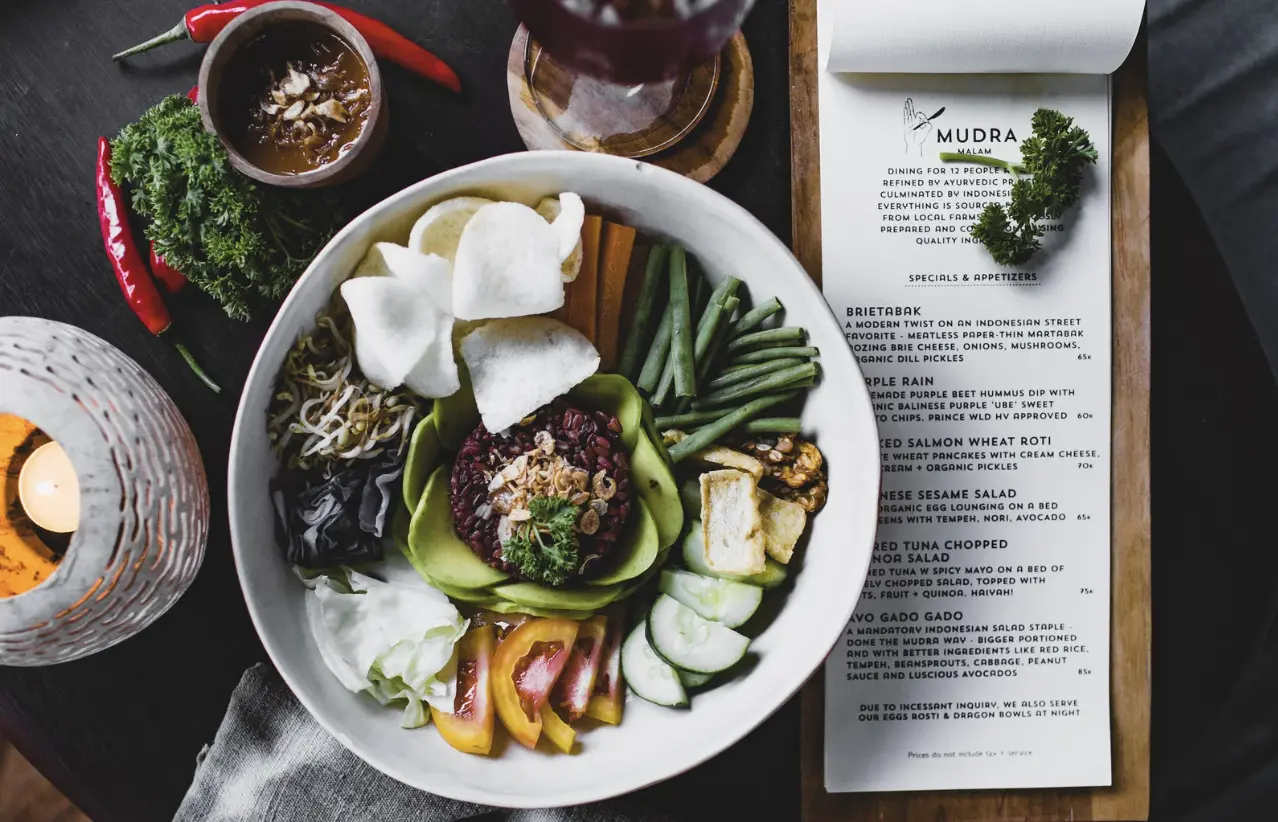
For example, a fine dining restaurant would usually serve high end dishes with premium ingredients and elegant presentation so customers would expect a more elegant and oftentimes more minimal approach to the menu design.
On the other hand, a casual or fast casual dining establishment might want to focus on more eye catching menu layouts that meet the current design trends, or menus that adjusts based on the menu offerings or seasonal dishes.
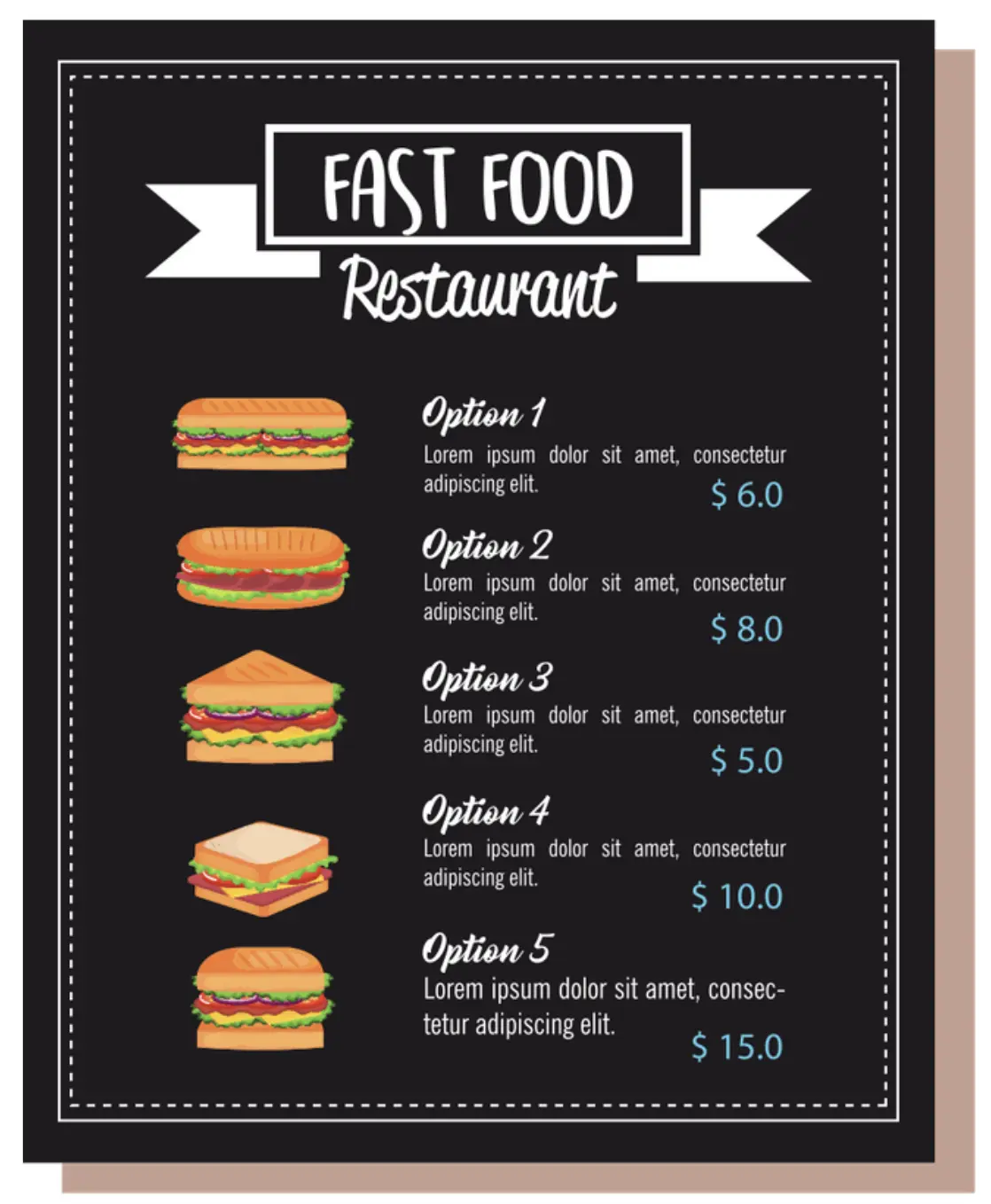
For a fast food spot, speed and affordability are key so a simple, easy-to-read menu with minimal customization works best. If you focus on one particular product such as burgers, make sure it stands out and is easily legible to minimize confusion and miscommunication.
A café or drinks shop often serves a combination of signature drinks, pastries, and light meals so the cafe menu design should reflect the theme of the cafe and be well formatted into menu categories with menu headers such as food, pastries, coffee, and tea.
Categorization can change your menu from just a good looking one to a profitable restaurant menu.
When your menu is both visually appealing and easy to comprehend, sales will be instantly boosted while customers feel more at ease when ordering.
If your food menu design is too hectic, food establishments that offer counter ordering might cause customers to feel rushed, with slower order processing and long wait times.
Fine dining restaurants should focus on quality over quantity. Menus here come in the form of smaller, often personalized menu with either the date of the meal or the customer's name. This type of menu uses descriptive language and will mention specific ingredients such as 'Truffle-Infused Lobster Bisque'.
Casual dining spots often offer a menu with simple design elements. There are usually a balanced mix of appetizers, mains, and desserts with menu item descriptions below, as well as icons to signify best sellers, gluten free, vegan, nuts, etc.
Fast casual & fast food menus should be streamlined for efficiency. By only listing high-demand items and keeping the rest as a part of a secret menu is a smart move to keep customers focused yet entertained. Remember to keep choices simple, and prioritize combos or meal deals.
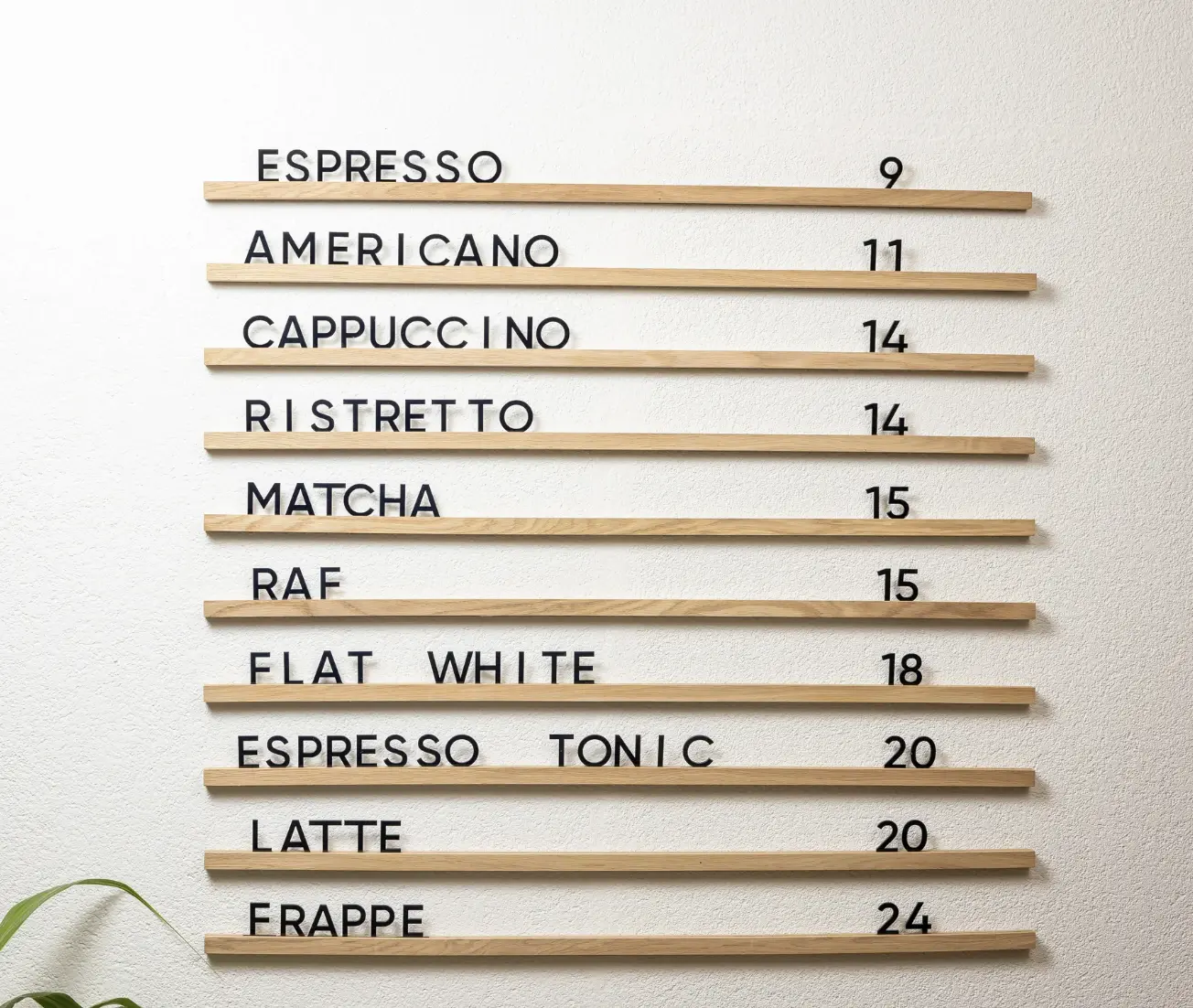
Cafés and coffee shops often have a main menu along with a rotating menu of daily specials and seasonal drinks which is often updated. This gives the cafe the opportunity to have a more curated main menu, as well as a more design forward changing menu to cater to all types of customers. A key point of coffee menu design is to categorize items clearly so that on the go customers are able to quickly understand the menu and find their drink of choice when in a hurry. Menu headers can look like: Hot Coffee, Cold Brews, Teas, Pastries, Breakfast Specials, etc. It's important to have logical sections that most people can understand.
The menu engineering process is detailed and has many key points that we, as normal customers, might not think of.
By using menu psychology techniques food establishments can create a profitable restaurant menu that increases both staff and customer efficiency, while giving a positive customer experience.
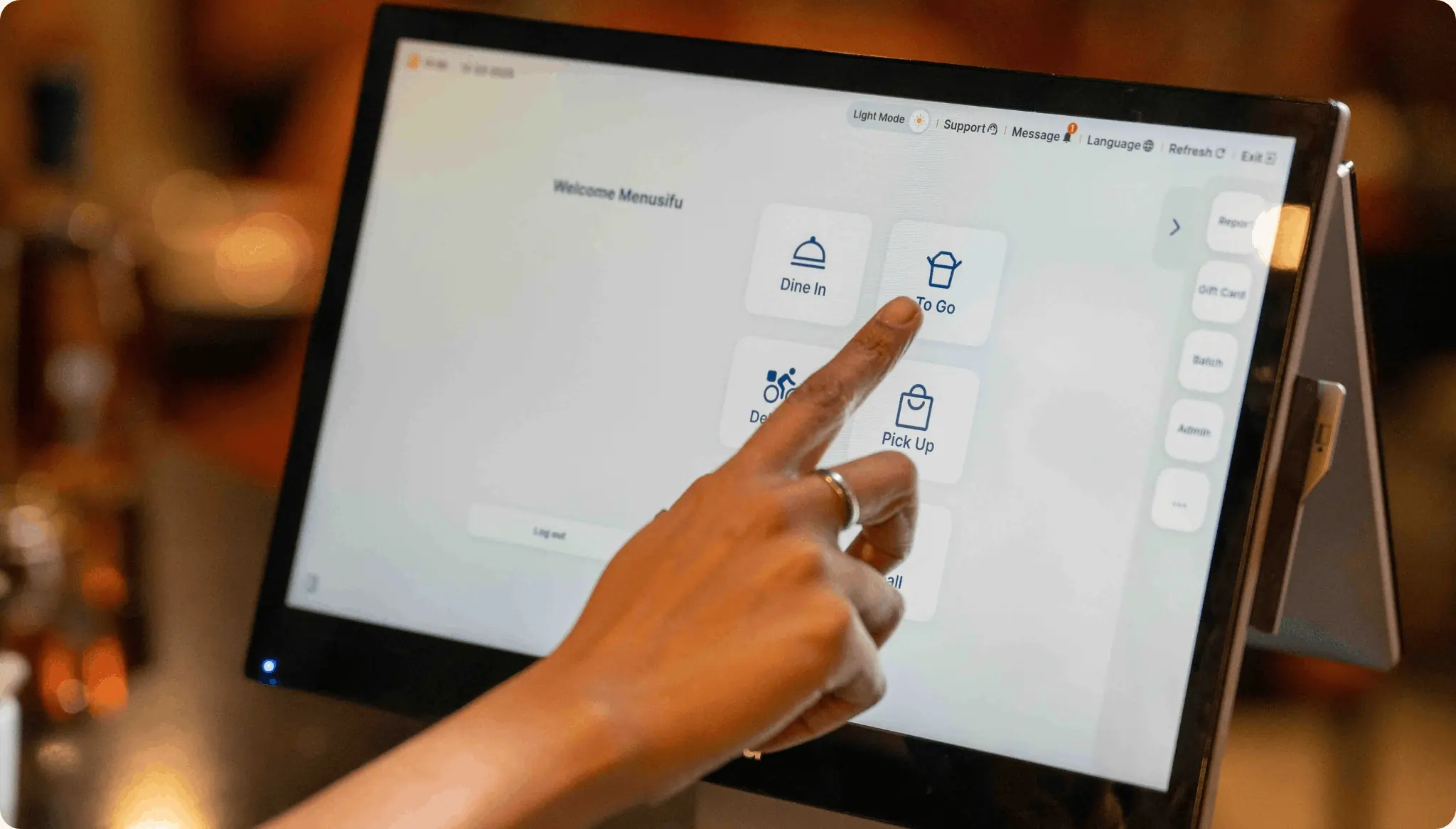
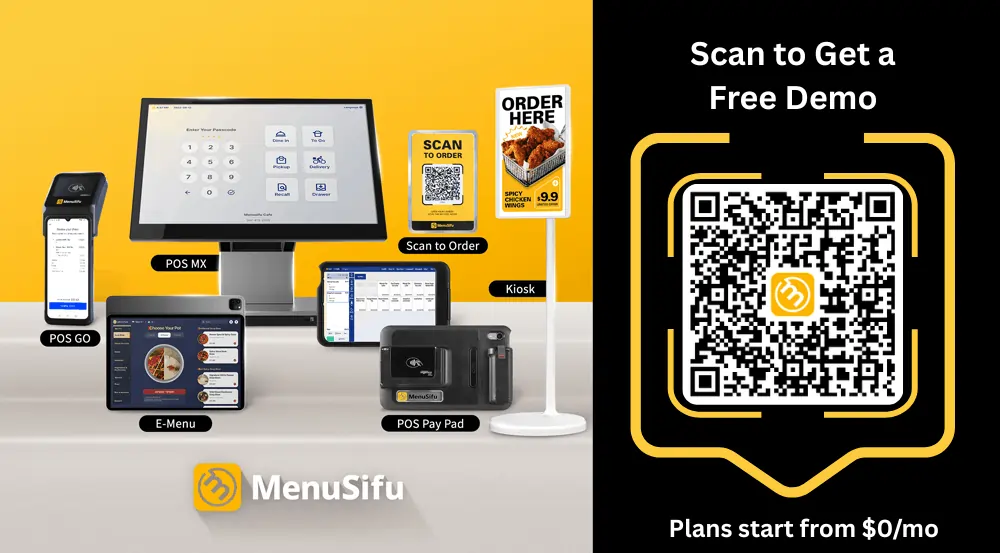
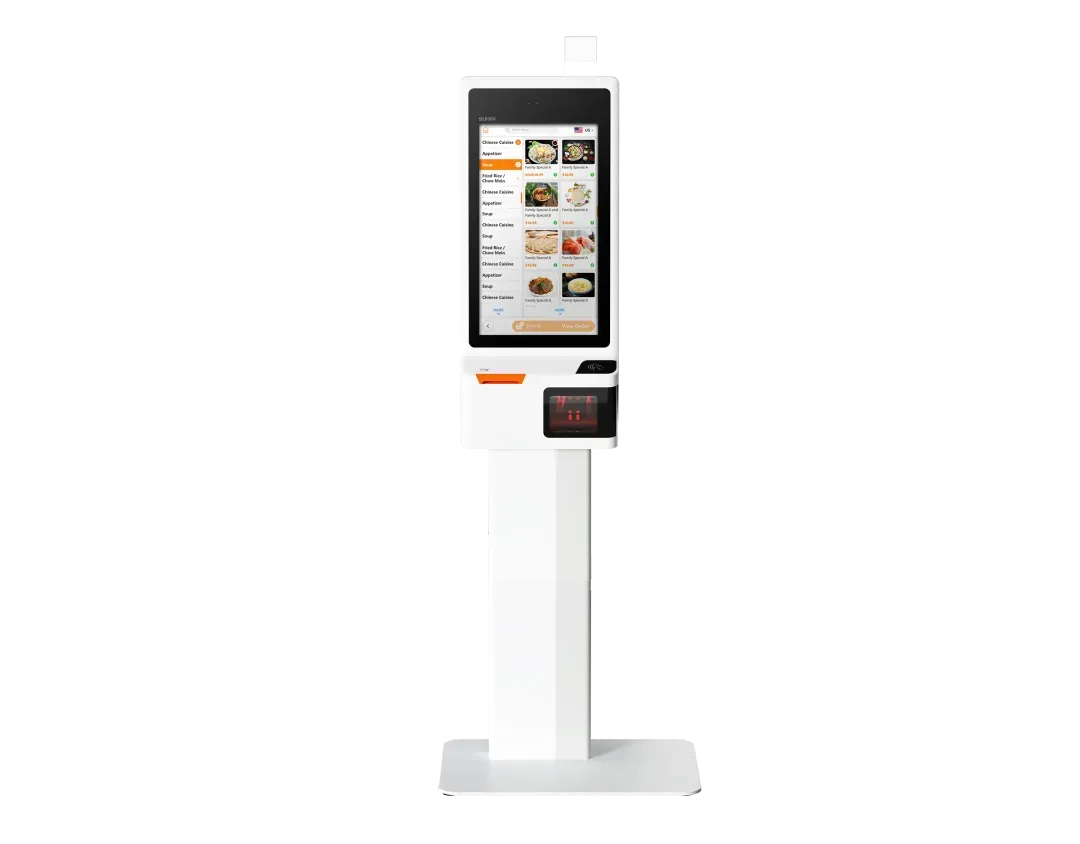
A digital POS-integrated online menu system can streamline restaurant operations and improve customer satisfaction.
A menu is not static.
It should evolve based on customer feedback and sales performance.
Canva is a great place to find various menu templates, as well as a space to start your menu design.
Canva Pro is great if you want to use their more special tools and canva teams is beneficial when you want your entire team to participate in the menu design.
Canva gives users a blank canvas to design from, as well as templates if needed.
Below is a burger menu design template that you can use to begin your own menu design journey!