November 5, 2026
MenuSifu joins MIXUE in Los Angeles and New York to explore U.S. tea market opportunities, store operations, and technology that supports brand growth.
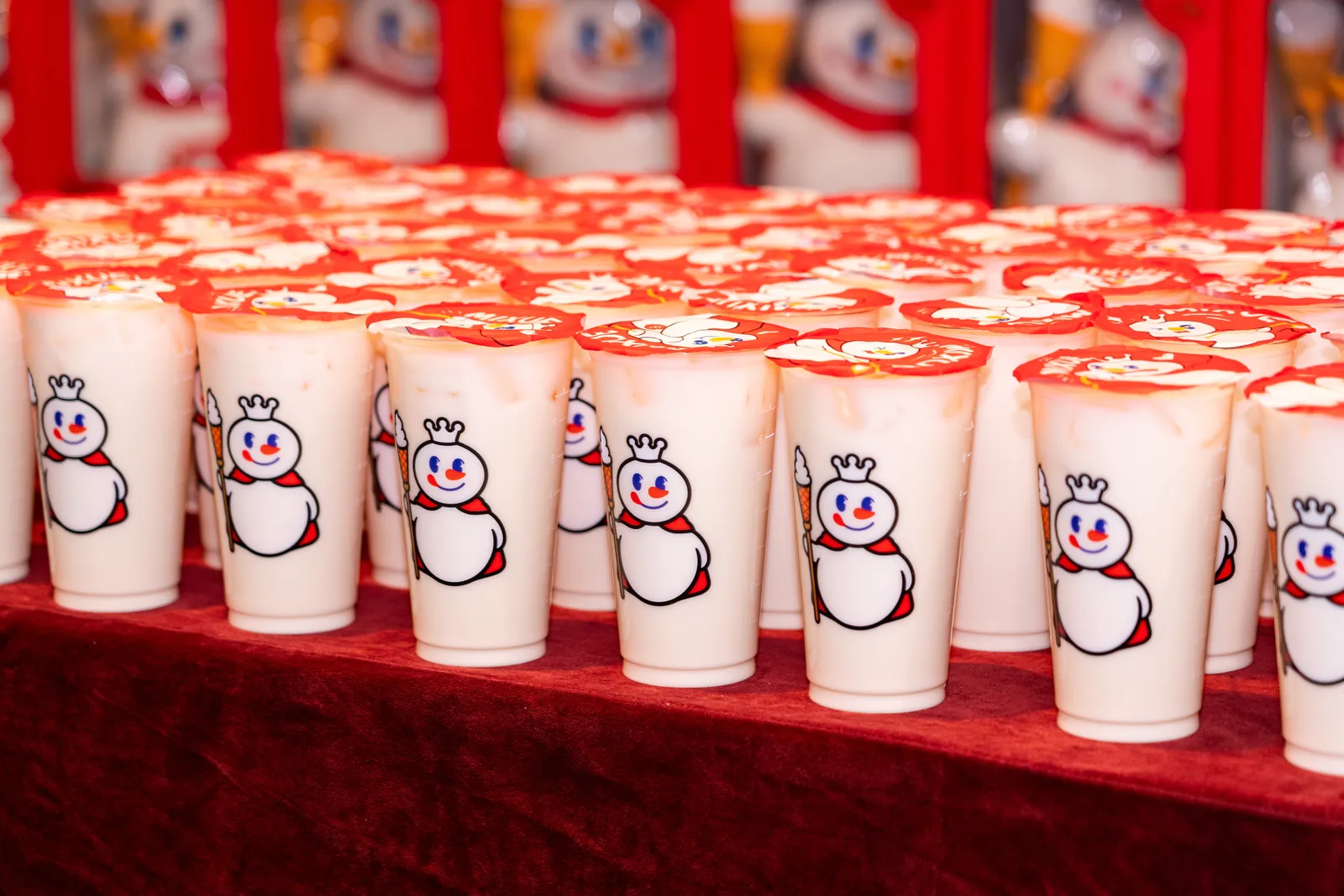
What does it take to turn an affordable cup of tea into a business that can grow across the United States?
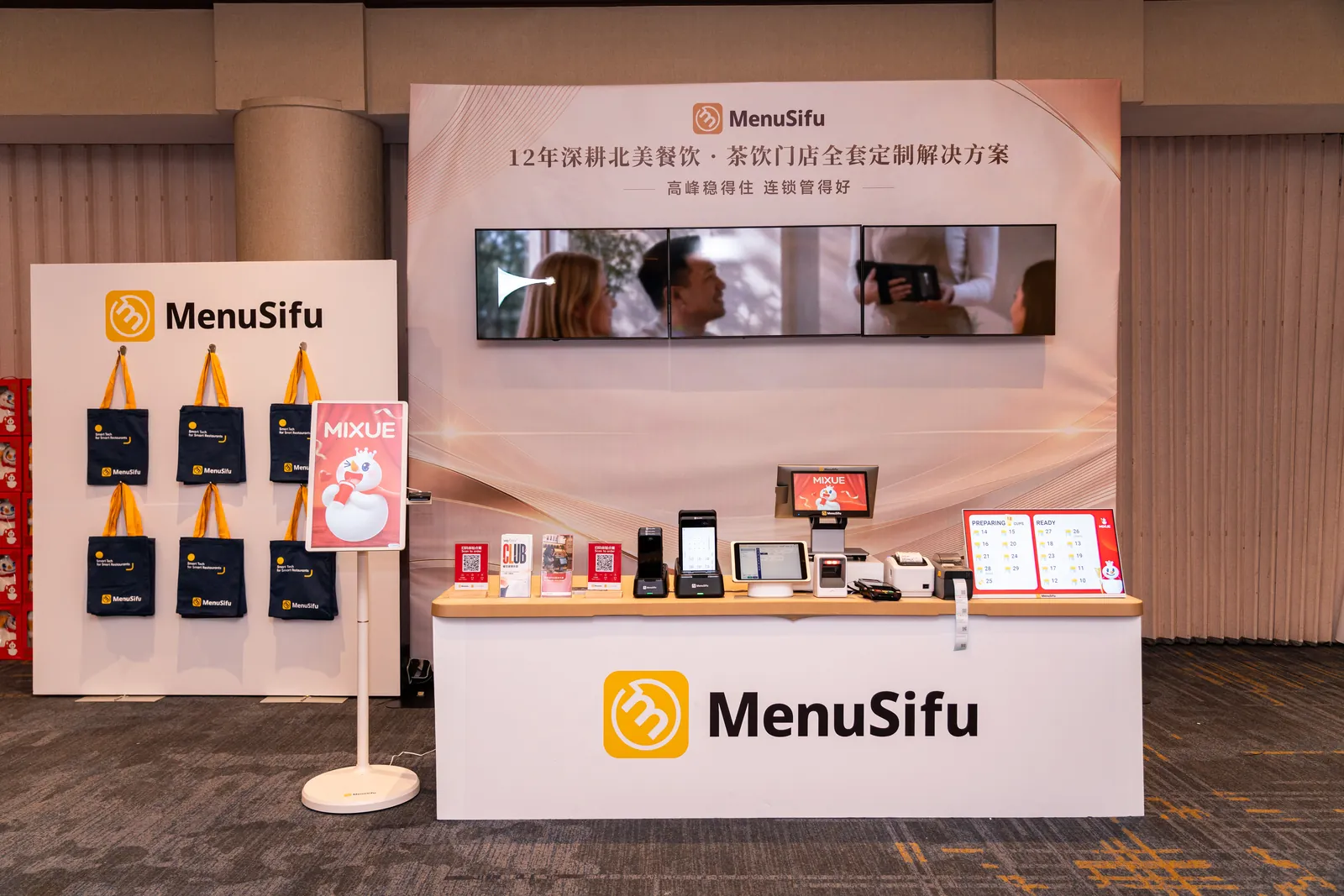
That question connected MIXUE's U.S. business information sessions in Los Angeles and New York. The events brought together restaurant operators, prospective business partners, and entrepreneurs interested in the tea beverage market to discuss the brand’s expansion plans and the practical realities of opening and running a store.
As MIXUE's U.S. POS and restaurant technology partner, MenuSifu joined both events. Our co-founder, Leo Li, shared a perspective on the evolution of the tea beverage business, exploring how changing customer expectations, digital ordering, and automation are shaping opportunities for operators.
Across both cities, the conversation returned to a common challenge: attracting customers is only the beginning. Long-term growth depends on delivering a consistent experience every day.
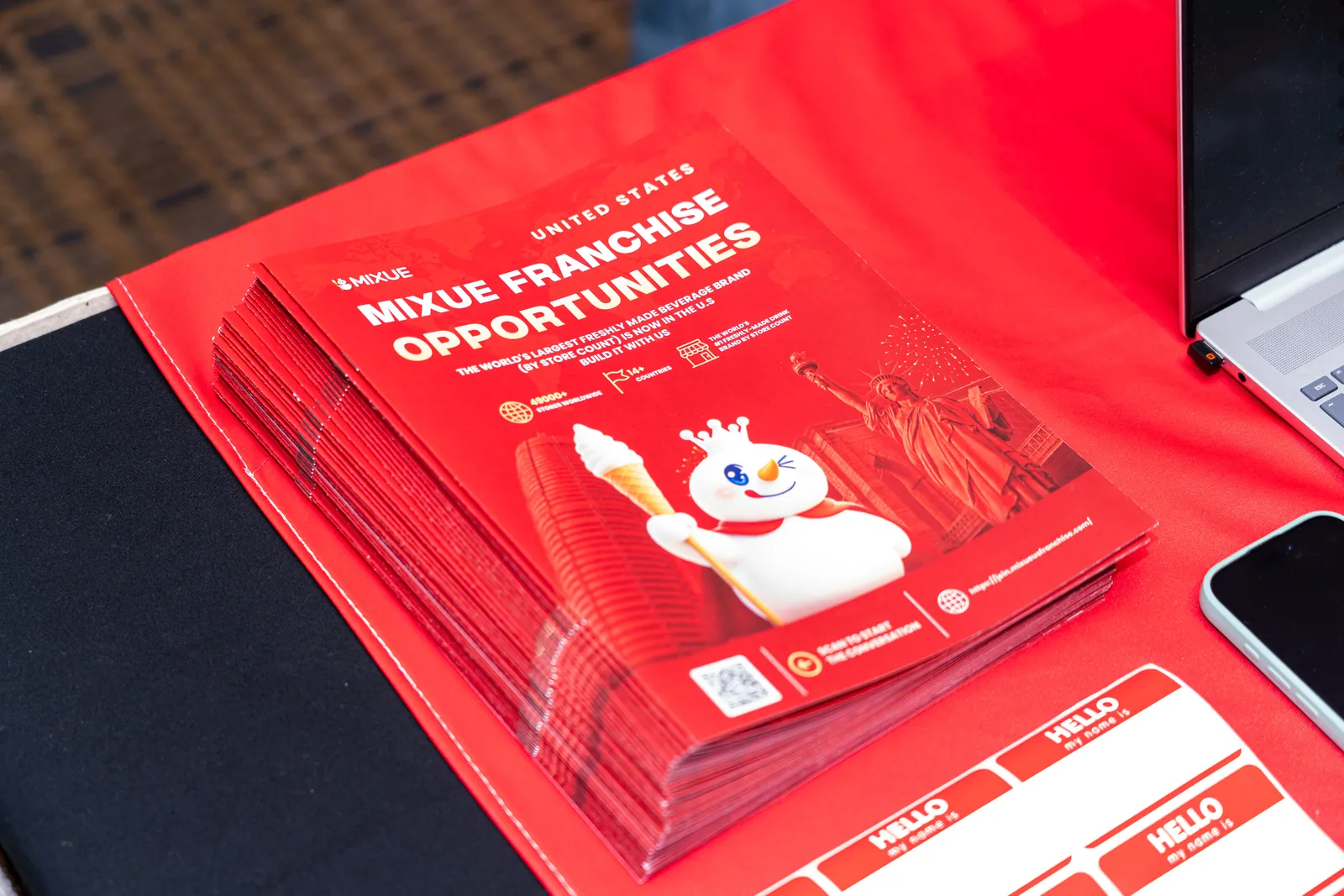
MIXUE's accessible prices raise practical questions for prospective operators. What does opening a store require? How is product quality maintained? Can ingredients arrive reliably? And how does the business support sustainable store economics?
During the sessions, MIXUE discussed initial investment, store performance, ingredient sourcing, warehousing and distribution, and support for franchise preparation and ongoing operations. The team also outlined its U.S. development plans, giving attendees a clearer basis for evaluating the opportunity against their own resources and business goals.
Central to that discussion was the supply chain behind MIXUE's approach to quality and affordability. The brand explained how its own production facilities, purchasing and manufacturing at scale, and distribution infrastructure help improve efficiency and manage costs.
Founded in 1997, MIXUE has built a global network of tens of thousands of stores. Its first Los Angeles location and subsequent New York openings in late 2025 brought that operating experience to the U.S. market.
The next challenge is making affordable tea drinks an everyday choice for a broader range of American consumers—and building stores that can consistently meet that demand.
During his presentation, MenuSifu co-founder Leo outlined three stages in the evolution of the tea beverage industry. The framework focused on why customers buy and how operators can keep meeting their expectations.
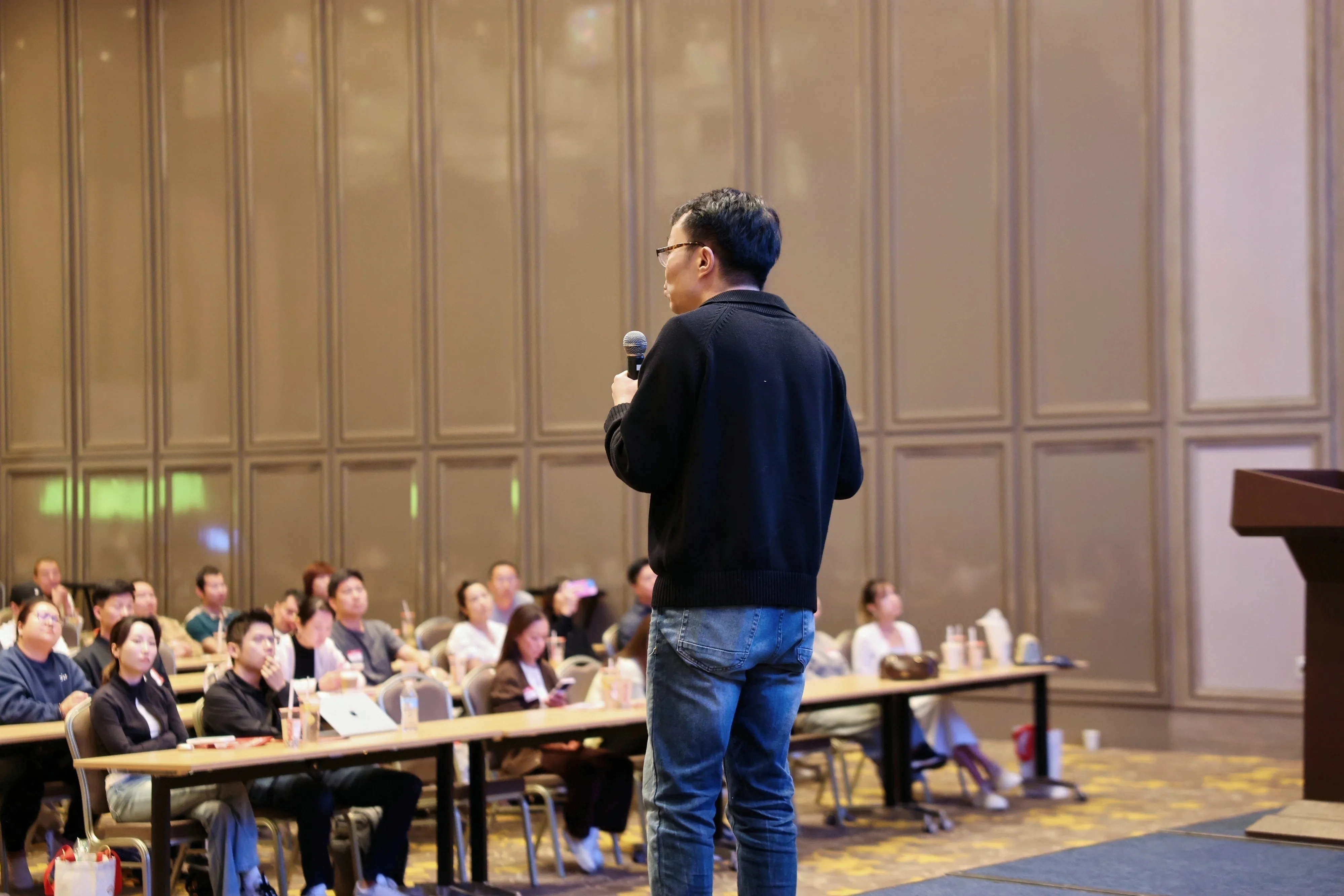
In the early stage, taste and convenience drove the business. An appealing drink, a convenient location, and local word of mouth helped operators build a neighborhood customer base.
The priority was straightforward: make a good drink and give customers a reason to return.
As choices expanded, packaging, store design, and brand identity became more influential.
Social media introduced new ways to discover drinks. A photo or video could inspire a first visit, making visibility and a memorable experience increasingly important. Operators needed to give customers something they wanted to try and share.
The next stage brings the product and the experience closer together. Customers want drinks that taste good, feel affordable, and are easy and enjoyable to purchase.
For operators, meeting those expectations means handling the demand a brand creates while maintaining consistent preparation and service across locations.
Drawing on MenuSifu's restaurant experience and market observations, Leo shared the view that the U.S. tea beverage market still has room to grow, with the potential for three to five leading brands to emerge over the next decade.
Realizing that opportunity will require businesses to encourage first visits, earn repeat purchases, and carry reliable operating practices into new markets.
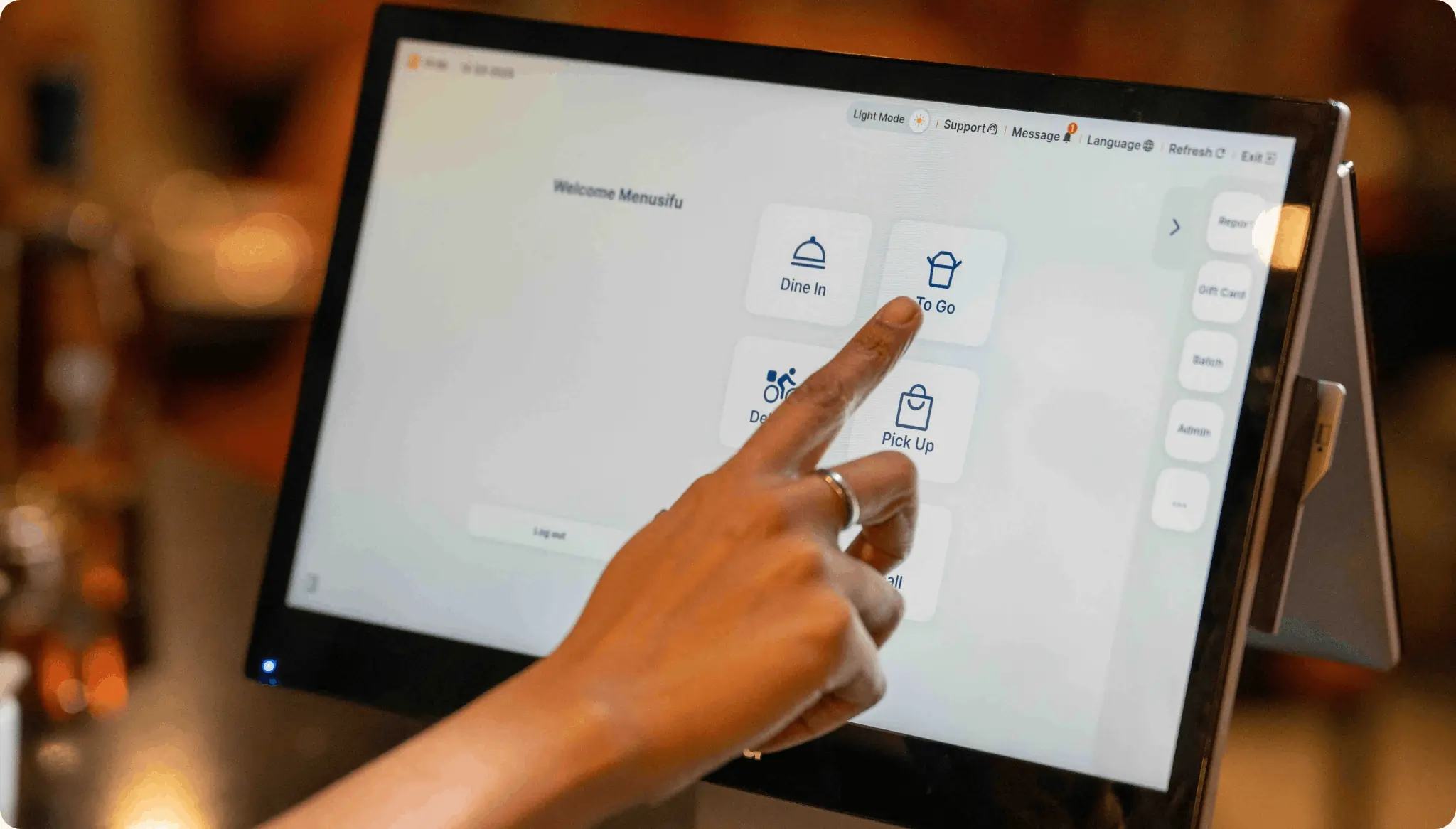
MenuSifu's role centers on connecting those growth ambitions with everyday store workflows. Through localized POS, payment solutions, and supporting services, we help brands coordinate the work behind each order.
The presentation explored three areas where digital tools can support that effort.
Customers may order online or in person, but every drink still needs to move through the store's preparation process.
During a rush, employees need to know which order comes next, what each drink requires, and who should receive it. Connecting ordering with scan-based preparation and pickup verification can help reduce repeated checks and avoid mistakes.
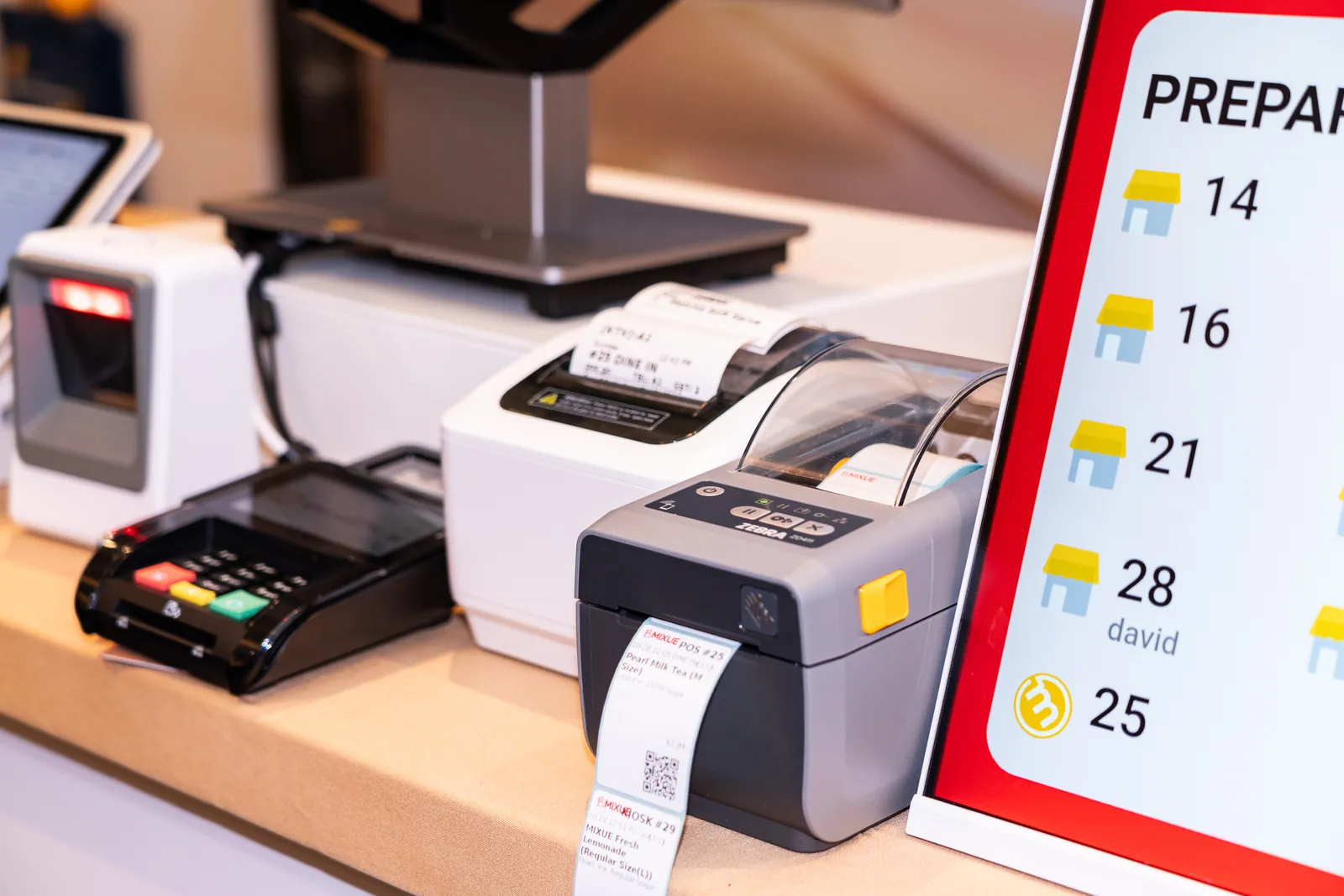
A convenient ordering experience depends on a clear process behind the counter.
A reliable supply chain continues inside the store.
Knowing when an ingredient was opened and when it should be used helps employees maintain product quality and manage waste. Clear shelf-life records give teams the information they need to make those decisions consistently.
For a brand built around quality and affordability, ingredient management helps carry supply chain efficiencies through to the finished drink.
An experienced team can keep one busy store running smoothly. Expanding to more locations requires that knowledge to become clear, repeatable procedures.
Embedding operating standards into systems and daily routines gives new employees guidance, helps new stores establish consistent practices, and makes it easier for managers to identify issues as the business grows.
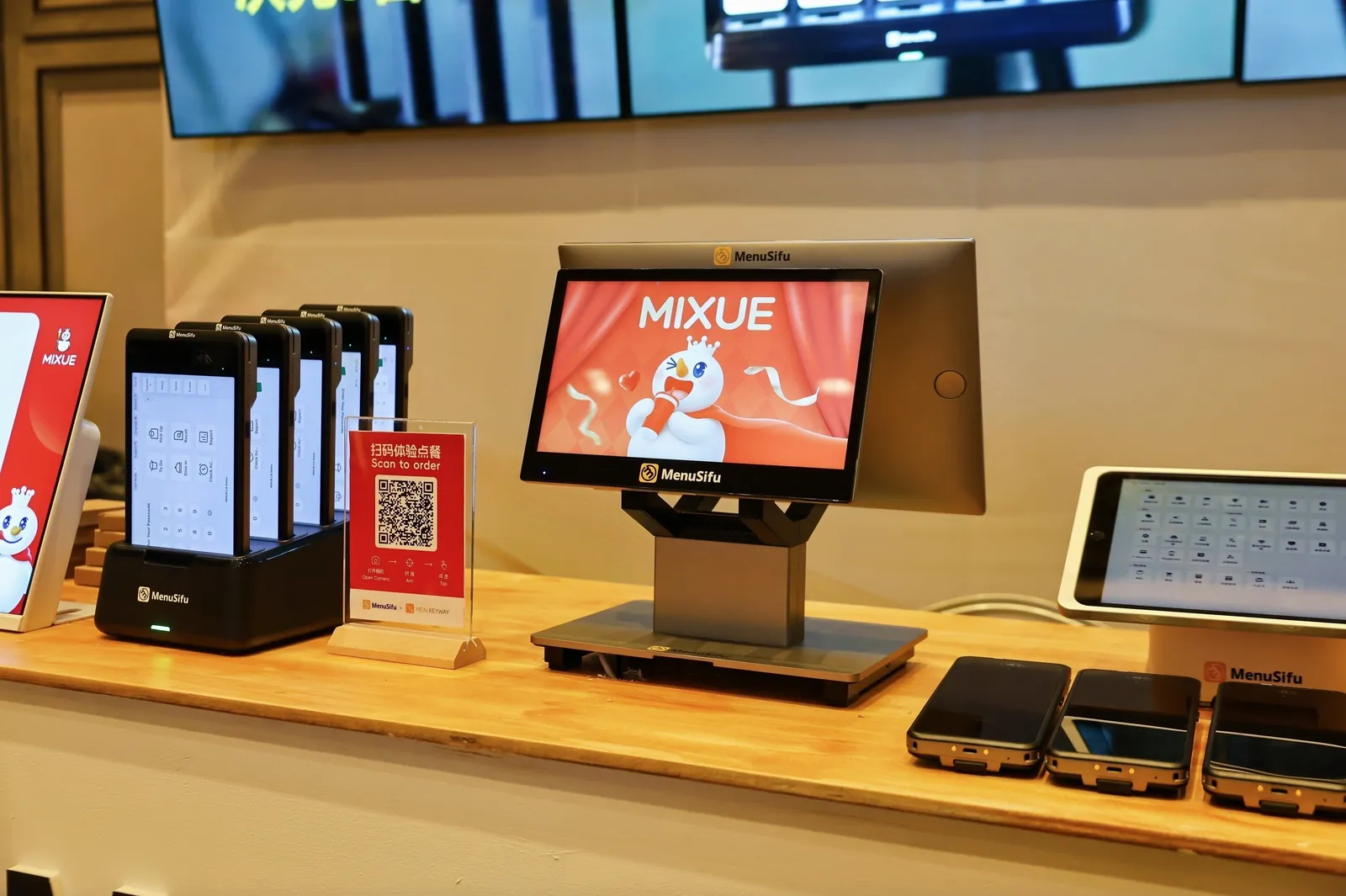
Entering a new market requires brands to connect established standards with local customer habits, payment preferences, and ways of working.
MenuSifu's experience serving U.S. restaurants, including Asian dining and tea beverage businesses, informs how we support that transition. Our aim is to provide support that develops alongside a brand: establishing workflows at the first store, improving efficiency as operations mature, and helping maintain standards across additional locations.
The Los Angeles and New York sessions brought those priorities into focus. Discussions about market potential became practical conversations about investment, supply, service, and store efficiency.
For MenuSifu, supporting brand growth means helping teams deliver a consistent drink and a dependable customer experience—while building the operating foundation for their next location.