September 18, 2026
Learn what a full service restaurant is, how it operates, its key benefits and challenges, and what you should consider before choosing this business model.
A full-service restaurant gives you greater control over the guest experience, but it can also bring higher labor costs, detailed service standards, and constant coordination between the dining room and kitchen. These demands make it important to know how the model works, what guests expect, and which systems can support profitable daily operations. This guide covers the format, its benefits, its challenges, and the key decisions involved in building a well-managed restaurant.
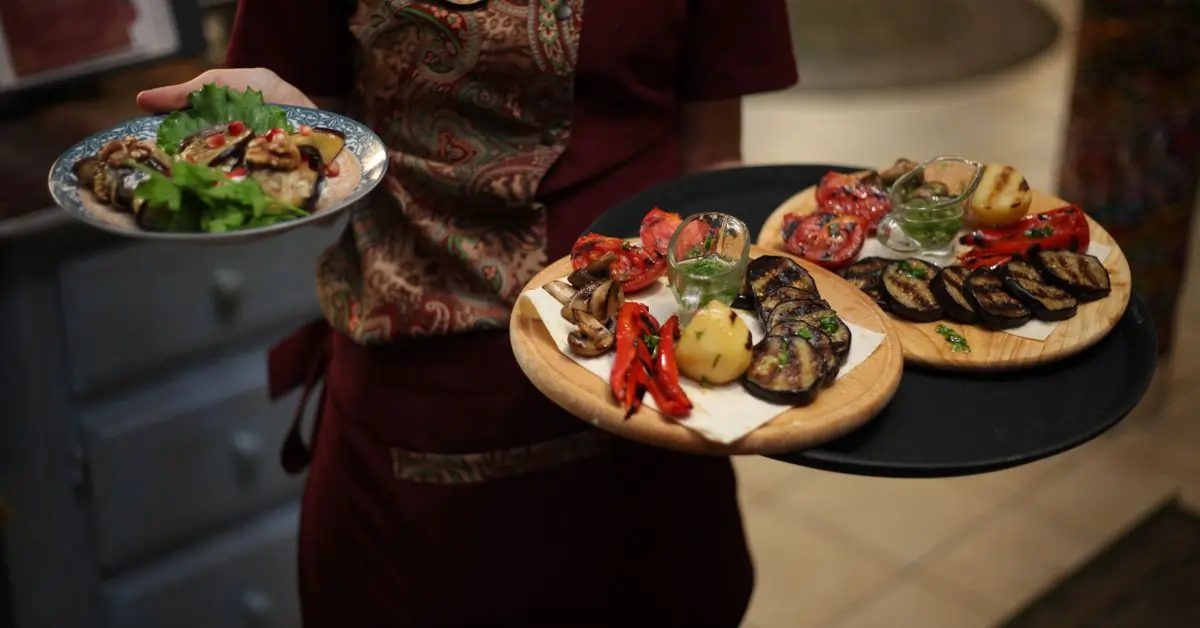
A full-service restaurant provides a seated dining experience supported by waitstaff. A host may welcome and seat each party, a server takes the order and delivers food and drinks, and guests usually pay after finishing their meals.
Most full-service restaurants prepare dishes to order and offer a wider selection of appetizers, entrées, desserts, and beverages. The category can include casual dining, family-style restaurants, specialty concepts, and fine dining, depending on how guests order, receive service, and pay. Each type may have a different price point or service style, but all follow a similar sit-down service structure.
This model allows your team to guide meal pacing, provide menu recommendations, and personalize service throughout the visit.
A restaurant usually fits this category when it combines dine-in seating with ongoing service at the table. Full-service restaurants commonly share the following characteristics:
Together, these features create a guided sit-down experience and give you more opportunities to build guest relationships, increase check value, and strengthen your restaurant’s identity.
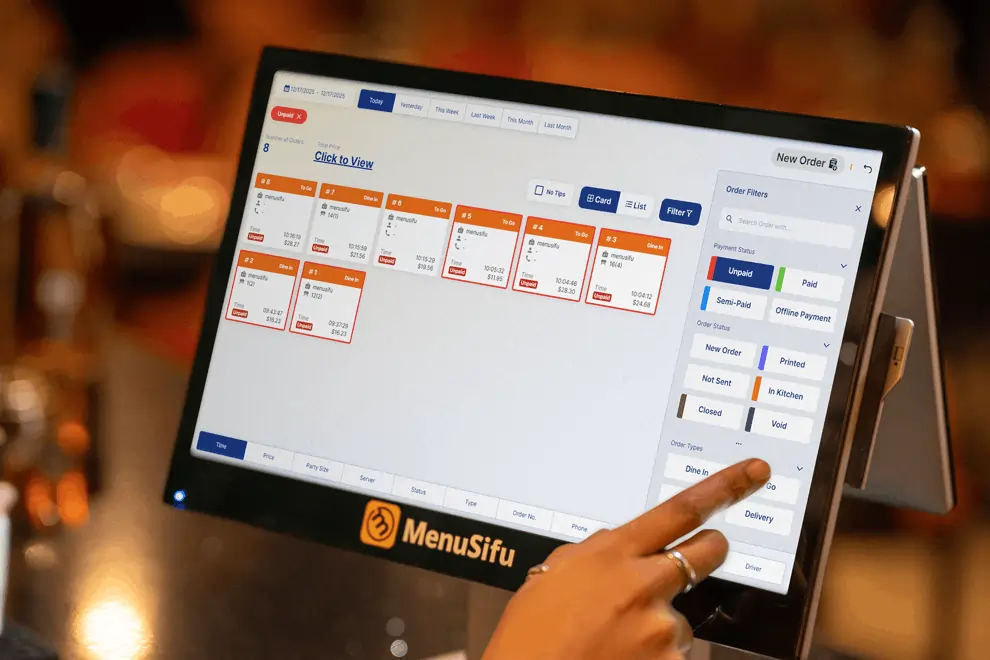
A full-service dining experience follows a connected series of steps. Each interaction affects order accuracy, service speed, table availability, and the guest’s overall impression.
Here is how a typical visit moves through the restaurant:
The process may appear simple to guests, but it requires steady coordination across several roles. Clear responsibilities help employees respond quickly and keep service organized.
The front-of-house team manages the dining room and most guest interactions.
Hosts oversee reservations, waitlists, and seating assignments. Servers explain menu items, take orders, deliver meals, and process payments. Bartenders prepare beverages, while bussers clear and reset tables.
Restaurant managers supervise the shift, support employees, address guest concerns, and coordinate with kitchen leaders. Shared updates about table status, unavailable dishes, wait times, and open checks help the team stay organized.
The back-of-house team prepares orders, maintains food quality, and keeps the kitchen ready for service.
Chefs and kitchen managers oversee recipes, prep schedules, station assignments, and ticket flow. Cooks prepare dishes according to order details and portion standards. Dishwashers maintain a steady supply of clean plates, cookware, and utensils.
Kitchen leaders also monitor inventory, deliveries, stock rotation, and waste. Accurate orders and timely updates between the kitchen and dining room help prevent delays, missing items, and uneven course timing.
The full-service restaurant experience begins when guests enter and continues until they leave. They expect a warm welcome, comfortable seating, clear menu guidance, timely service, and attentive support throughout the meal. Each interaction should feel organized and natural.
Meal pacing also shapes how guests view the visit. Drinks, appetizers, main courses, and desserts should arrive at a comfortable rhythm. When service flows well, guests can enjoy their meals while your staff maintains steady table movement.
Your service style should reflect the concept, menu, and price range. A casual dining restaurant may use a relaxed and friendly tone, while a fine-dining restaurant may follow formal service steps. Clear standards help employees provide a consistent experience across shifts.
Staff engagement can also influence ordering decisions and guest satisfaction. Servers should know the menu, explain ingredients, recommend suitable dishes, and respond promptly to requests. Personal touches, such as recognizing repeat guests or noting dining preferences, can help build stronger relationships.
Décor, lighting, music, seating, and layout shape the guest’s first impression. These details should support the concept and create the mood you want guests to experience. A family-style restaurant may choose bright lighting and flexible seating, while an upscale concept may use softer lighting and more space between tables.
Cuisine and pricing further define expectations. Higher prices often lead guests to expect refined presentation, detailed menu guidance, and greater service attention. When the food, environment, and service style support the same concept, your restaurant creates a clear and memorable identity.

Full-service restaurants can follow several formats, each with a different service style, menu structure, price range, and guest expectation. Choosing the right format helps you shape staffing, kitchen needs, table flow, and brand positioning from the start.
Casual dining combines table service with a relaxed setting and moderate prices. Menus usually offer a broad mix of appetizers, main courses, desserts, and beverages, giving guests plenty of options for everyday meals, family outings, or group gatherings.
Service feels friendly and attentive rather than formal. Your team may manage larger sections, maintain a steady table pace, and recommend add-ons such as drinks or desserts. Success often depends on consistent food, good value, and a comfortable atmosphere that encourages repeat visits.
Fine dining provides a more polished experience through premium ingredients, detailed presentation, and highly trained service. Menus may feature chef-led courses, seasonal dishes, wine pairings, or tasting options. Pricing usually reflects the quality of the ingredients, preparation, and service.
Guests expect careful meal pacing, strong menu knowledge, and close attention throughout their visit. Your concept also needs a refined dining room, disciplined kitchen execution, and service standards that remain consistent across every shift.
Family-style restaurants center the meal around shared dishes and generous portions. Servers bring platters or large bowls to the table, allowing guests to serve themselves and enjoy the meal as a group.
This format works well for families, celebrations, and larger parties. Your menu should include dishes that divide easily, maintain their quality during sharing, and fit comfortably on the table. Clear portion sizes and group-friendly pricing can also help guests see the value and place orders easily.
Specialty and concept restaurants build the dining experience around a focused idea. The concept may highlight a specific cuisine, cooking method, cultural theme, service ritual, or interactive element. Examples include steakhouses, Korean barbecue restaurants, seafood houses, chef’s-counter concepts, and themed venues.
A focused identity can help your restaurant stand apart. Keep the menu, décor, employee training, service style, and pricing aligned so guests receive a clear and consistent experience. This approach can also strengthen brand recognition and attract diners seeking a specific type of meal.
Service style shapes how guests order, how employees work, and how much it costs to serve each table. Full-service restaurants focus on seated dining and personal attention, while limited-service restaurants prioritize speed, convenience, and higher order volume.
A full-service model supports more personal service and creates additional opportunities to increase the average check. A limited-service model supports quicker transactions and higher customer volume. Your concept, budget, location, menu, and service goals should guide the final choice.
A strong concept needs practical resources behind it. You need the right people, reliable equipment, organized systems, a profitable menu, and the required licenses and permits before daily service can run smoothly.
These areas connect closely. Staffing affects service speed, equipment affects kitchen output, and menu decisions shape purchasing and pricing. Managing each area with clear standards gives your restaurant a stronger operating base.
Start by defining each role before you begin hiring. Clear job descriptions help you find hosts, servers, bartenders, cooks, dishwashers, and managers with the right skills and availability. Build schedules around expected sales, reservations, operating hours, and peak periods so each shift has enough coverage.
Use onboarding to teach menu knowledge, service steps, food safety, POS procedures, and guest communication. Continue training through pre-shift meetings, coaching, and performance reviews. Regular development helps employees follow the same standards and prepares strong team members for added responsibility.
Choose kitchen equipment that supports your menu, production volume, and available space. Place workstations in a logical order so cooks can prepare, plate, and send dishes efficiently. In the dining room, arrange tables to support guest comfort, staff movement, accessibility, and seating capacity.
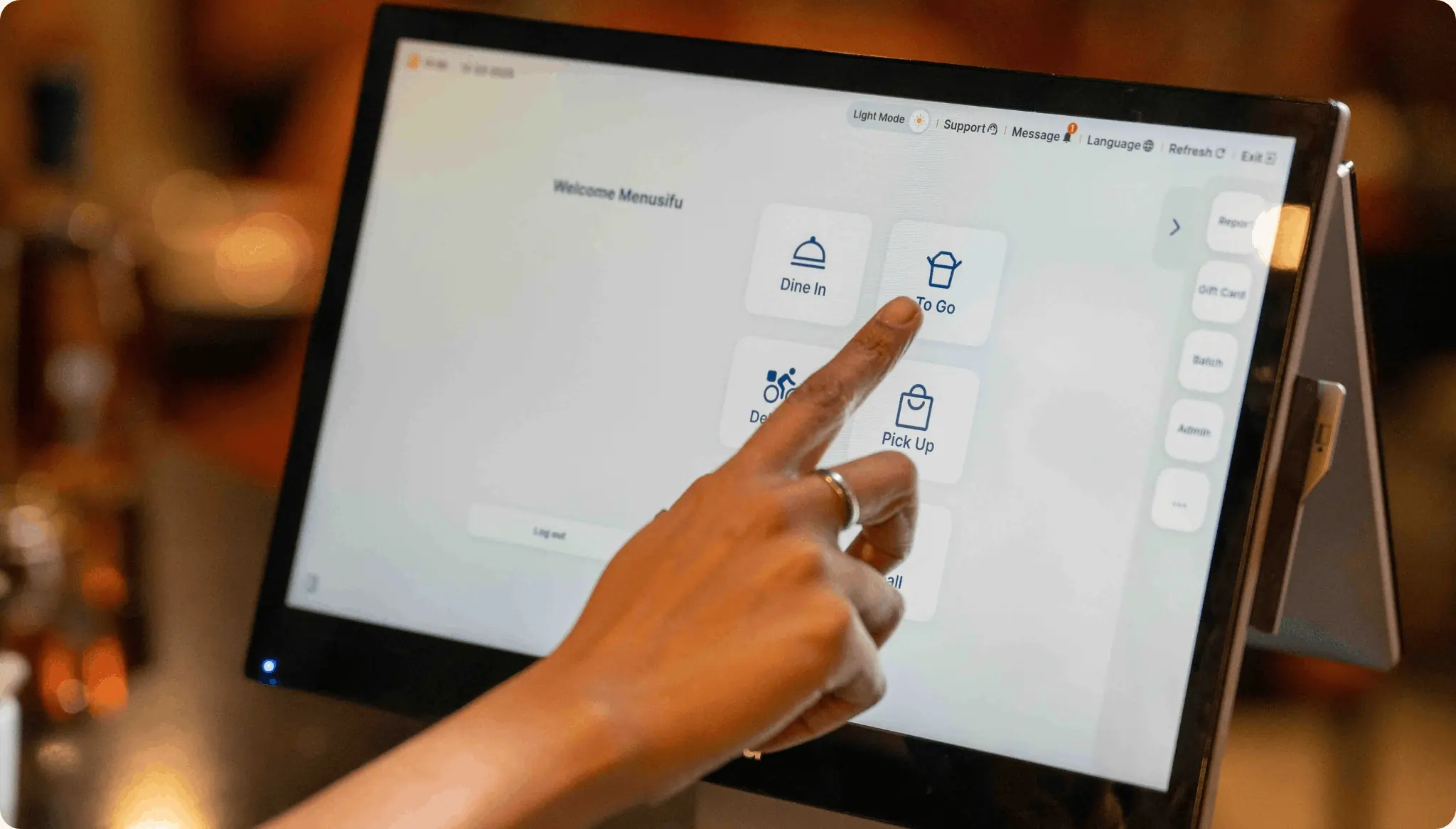
Connect reservations, table management, order entry, kitchen tickets, and payments through reliable tools. A point-of-sale system can send accurate orders to the kitchen, track table status, process checks, and record sales data. Clear order-management procedures also help servers and cooks handle modifiers, course timing, and unavailable items.
Build your menu around customer demand, ingredient availability, preparation time, and kitchen capacity. Review food costs for every item, set consistent portion sizes, and document recipes so the kitchen can deliver the same result across shifts. A focused menu can also support faster training and tighter inventory control.
Set prices that cover ingredients, labor, overhead, and your desired profit margin. Use sales data to identify popular items, low-performing dishes, and strong profit contributors. Menu design can guide guests through each category and highlight dishes that support your sales goals.
Check local requirements before opening or changing your concept. You may need business registration, food-service permits, health approvals, building permits, occupancy documents, and signage approval. Alcohol sales often require a separate license and employee training.
Create written procedures for food storage, cooking temperatures, sanitation, allergen handling, workplace safety, and age verification. Keep permits current, store inspection records in an accessible place, and train employees on the rules tied to their roles. Regular reviews help your team maintain safe, compliant operations.
The full-service model gives you several ways to increase revenue while building stronger connections with guests. Personal service, a flexible menu, and a distinct dining experience can support both immediate sales and long-term loyalty.
Higher average order values: Guests often spend more during a seated meal because they have time to explore appetizers, beverages, entrées, sides, and desserts. A well-planned menu can encourage larger orders while giving guests choices that fit different budgets.
More opportunities for upselling: Servers can recommend drink pairings, premium ingredients, add-ons, and desserts based on each table’s preferences. Helpful suggestions can raise the average check while improving the meal.
Stronger guest relationships: Direct interaction gives your staff more chances to learn guest preferences and respond to individual needs. Friendly, attentive service can turn a first visit into a lasting connection with your restaurant.
Greater menu flexibility: You can offer several courses, seasonal dishes, limited-time specials, and customizable options. This flexibility helps you respond to customer preferences, test new ideas, and keep the menu appealing.
A more distinctive brand experience: Service style, atmosphere, presentation, and menu design work together to shape how guests view your restaurant. A consistent identity can help you stand apart from nearby competitors and attract customers who value the experience you provide.
More repeat visits and customer loyalty: Guests tend to return when they receive reliable food, warm service, and a comfortable dining experience. Over time, repeat customers can support steady revenue, positive reviews, and referrals.
A full-service operation requires close control over costs, service, inventory, and daily workflow. Even a strong concept can struggle when these areas fall out of sync.
Table service often requires servers, kitchen staff, and managers, along with roles such as hosts, bussers, and bartenders based on the restaurant’s size and concept. Payroll, rent, utilities, equipment maintenance, and supplies can quickly reduce profit margins. Careful scheduling and regular cost reviews help you match expenses with sales volume.
Guests expect the same level of service during every visit. Yet performance can vary by shift, employee experience, or staffing levels. Clear service standards, regular coaching, and active floor management help your team provide a more consistent experience.
Perishable ingredients, inaccurate portions, and poor stock rotation can increase food costs. Overordering ties up cash, while underordering can leave menu items unavailable. Accurate sales data, recipe controls, and routine inventory counts help reduce waste.
Guest traffic can shift by day, season, local events, and economic conditions. These changes affect staffing, purchasing, and menu planning. Reviewing recent sales patterns helps you prepare more accurately and adjust before costs rise.
Long wait times can limit revenue during busy periods, but rushing guests can weaken the dining experience. Your team needs to manage seating, course timing, check delivery, and table resets with care. Reservation and waitlist data can help hosts and managers maintain a steady flow.
Servers and kitchen staff depend on accurate orders, clear modifiers, and timely updates. Poor communication can cause delayed dishes, missed requests, and uneven course timing. Shared order systems, pre-shift briefings, and clear procedures help both teams stay aligned throughout service.
A full-service restaurant offers greater control over the dining experience, but it also requires more staff, capital, space, and coordination. Review the following areas before choosing this format:
The model may suit your concept when table service supports the brand and your financial plan can sustain a larger operation. Clear projections and defined service standards can help you make a practical decision.
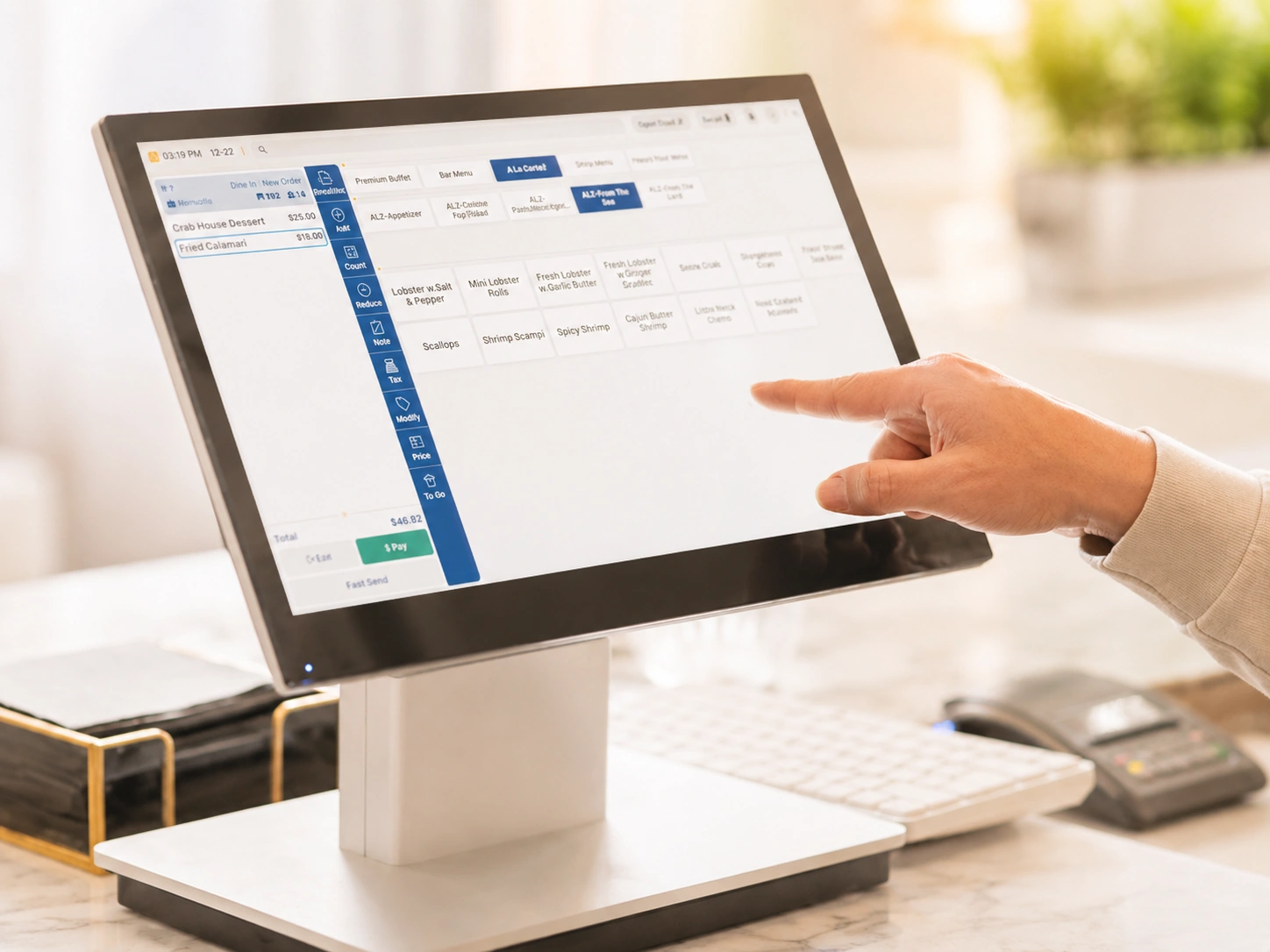
A full-service restaurant performs best when its service standards, staffing, kitchen workflow, menu, and financial controls support the same business goals. Clear procedures can help your team maintain consistency and make informed decisions as the restaurant grows.
Connected technology can help your team manage tables, orders, payments, kitchen activity, and reporting through one system. MenuSifu offers POS solutions designed around these full-service workflows. Book a free demo to see how a full-service restaurant POS system can support your operation.
A full-service restaurant seats guests at tables, takes orders through waitstaff, serves meals at the table, and collects payment after dining. It typically offers made-to-order food, dedicated front-of-house staff, and a broader dine-in experience.
A restaurant qualifies as full service when staff seat guests, take orders at the table, serve food and drinks, assist throughout the meal, and process payment after dining. It typically offers dine-in seating, made-to-order meals, and dedicated front-of-house staff.
Olive Garden is one example of a full-service restaurant. Its servers take orders, deliver food and drinks to the table, assist guests throughout the meal, and process payment after dining. Independent casual dining restaurants, steakhouses, and fine-dining establishments can also follow the full-service model.
A full-service restaurant commonly uses a POS system and may also use reservation and waitlist software, kitchen display systems, payment processing, inventory tracking, employee scheduling, and reporting tools. These technologies help staff efficiently manage orders, tables, payments, inventory, labor, and daily performance, especially when the tools are integrated.
Based on Statista figures, the United States had more than 184,000 full-service restaurant locations in 2024. This total includes over 150,000 independent locations and more than 34,000 franchise establishments.
Visit the MenuSifu blog for more restaurant operations insights, technology guides, and industry updates.
Related Article: