April 15, 2026
Get a clear look at bubble tea profit margin, including average ranges, cost drivers, gross vs. net profit, and practical ways to improve shop profitability.

How much of each drink sale does your shop keep after ingredients, labor, rent, and delivery fees? If you are looking into bubble tea profit margin, you likely want clear numbers and practical ways to protect them. Strong sales can look promising, but rising costs, menu pricing, and daily operations often decide how much profit stays in your business.
This blog explains average margin ranges, the difference between gross and net profit, the costs that shape your bottom line, and the steps you can take to keep more from every order.

The average bubble tea profit margin depends on which number you track. Some industry estimates place net profit margins for bubble tea shops between 3% and 20%, with 15% often viewed as a solid benchmark for a well-run shop. For comparison, average restaurant profit margins are often cited at around 3% to 5%.
It also helps to separate gross profit margin from net profit margin. Gross margin shows how much revenue remains after direct drink and packaging costs, while net margin shows what your shop keeps after payroll, rent, utilities, software, taxes, and other operating expenses. A shop can post strong sales and still end the month with a weaker profit margin if labor, overhead, or delivery costs rise too high.
To judge profitability clearly, track two numbers: gross profit margin and net profit margin. One shows how much each drink earns after direct product costs are deducted. The other shows how much your shop keeps after paying all expenses.
Gross profit margin shows the revenue left after direct product costs. In a bubble tea shop, that usually includes tea, milk, tapioca pearls, syrups, fruit, toppings, cups, lids, and straws.
This number helps you see how profitable each drink is before you factor in payroll, rent, and other overhead. If your gross margin is tight, review recipe costs, portion sizes, supplier pricing, and menu prices. Small changes in toppings, packaging, or milk options can quickly affect margins.
Net profit margin shows what your shop keeps after all operating costs. That includes rent, payroll, utilities, marketing, software, payment processing, and delivery fees.
This is the number that shows how the business is performing as a whole. A shop can post strong gross margins on drinks and still end up with a thin net margin if labor runs high, rent is steep, or delivery fees take too much from each order.
Here is the simplest way to look at it:
Track both consistently. Gross profit helps you manage menu pricing and recipe cost. Net profit shows how pricing, labor, rent, and daily operations affect your bottom line.
Your bubble tea shop's profit margin depends on how much you spend to make and sell each drink, and how well your pricing covers those costs. A few key cost and revenue drivers usually shape the final number.
Tea bases, milk, fruit, syrups, pearls, toppings, cups, lids, and straws add up quickly. Small over-pours and uneven scoops can cut into profit on every order. Clear recipes, portion tools, and regular cost reviews help you keep ingredient spending under control.
Payroll can rise quickly if schedules do not match traffic, prep takes too long, or staff move back and forth between tasks too often. Build shifts around sales patterns, assign clear station roles, and tighten prep routines to keep labor aligned with demand.
A strong location can bring in traffic, but high rent can also put pressure on margin. Utilities, equipment upkeep, software, repairs, and cleaning supplies also take a share of revenue. Review these fixed costs often so you know how much sales you need to support them.
Delivery apps can bring in more orders, but they also reduce what you keep from each sale. Commissions, packaging, and promo discounts can shrink margins fast. Track delivery as its own sales channel so you can price items more carefully and protect profit.
If your menu prices do not reflect recipe cost, labor, and overhead, strong sales may still leave you with thin returns. Price each drink based on actual cost, review high-customization items often, and adjust prices when supplier costs rise.
Spilled ingredients, expired toppings, incorrect orders, and drink remakes can quietly lower profit. These losses may seem small at first, but they add up over time. Strong prep routines, accurate order entry, and consistent drink assembly help reduce waste and protect margin.
If you want to keep more from each cup, focus on the habits that affect profit every day. Small improvements in pricing, portioning, inventory, and staffing can add up quickly.
Set prices based on the full cost of each drink, not just competitor pricing. Count tea base, milk, toppings, cups, lids, straws, labor, rent, and delivery fees. When your pricing reflects actual cost, your menu can support stronger margins and give you room for promotions.
Train your team to build drinks the same way every time. Use set scoops, pumps, and recipe guides for pearls, syrups, and toppings. Consistent portions cut waste, keep food costs in check, and help each order stay profitable.
Add-ons can lift average ticket value with a small increase in cost. Extra pearls, cheese foam, aloe, pudding, larger sizes, and snack pairings can all support stronger profits. Feature them clearly at the counter, on kiosks, and on your online menu so customers see them at the right point in the order flow.
Track what gets thrown out and what sits in storage too long. Order based on sales patterns, seasonal demand, and item movement. This helps you avoid expired toppings, excess milk, and slow-moving products that tie up cash and reduce profit.
Build workflows that keep your team focused on drink prep and pickup during busy periods. Use clear stations, simple prep routines, and ordering tools that cut manual steps. When the process runs better, you can move orders faster and keep labor costs under control.

If you are comparing a franchise with an independent shop, focus on what your business keeps after every major cost. Both models can perform well, but they affect the margin in very different ways.
A franchise can help you launch faster. You get a known brand, a tested menu, operating standards, and supplier relationships from day one. That setup can help you train staff faster, keep drink quality consistent, and attract customers earlier. For some shops, that leads to steadier sales and fewer setup mistakes.
A franchise also adds costs that can cut into net profit. These often include:
Even if sales are strong, those fixed costs can leave you with a tighter margin. That is why it helps to review the full cost structure before you compare profit potential.
An independent shop gives you more control over pricing, branding, menu updates, and promotions. You can adjust faster based on local demand and build a concept that fits your market. You also keep more freedom when choosing suppliers and managing costs.
At the same time, you need to build your own playbook. Training, inventory control, recipes, marketing, and daily operations all depend on your process. If you run the shop well, an independent model can protect profit. If your systems are weak, costs can rise quickly.
Small habits can chip away at profit faster than most owners expect. If your sales look solid but your margins still feel tight, one of these issues may be holding your shop back.
A low price can bring people in, but it can also eat into profit. If your pricing does not reflect ingredient costs, labor, packaging, and overhead, popular drinks may still leave too little behind.
Every drink should have a clear cost. When you do not track the cost of tea, milk, pearls, syrups, toppings, cups, and lids, it becomes hard to price drinks well or spot margin problems early.
A large menu can look appealing, but some items sell slowly and bring in less profit. Too many weak performers can drag down your overall results and tie up inventory.
Loose inventory habits often lead to waste, spoilage, over-ordering, and stockouts. When your shop tracks usage closely, you can cut waste and keep costs under control.
Labor can rise quickly if schedules do not match actual traffic. A quiet afternoon with too many people on shift can hurt profit even when the shop stays busy at peak hours.
Promotions can help drive traffic, but constant discounting can lower margins and train customers to wait for deals. Use offers with a clear goal, not as a default habit.
If you only check sales, you miss the full picture. Regular profit reviews help you catch rising costs, weak items, and labor issues before they turn into bigger problems.
A strong boba shop profit margin usually improves when you fix the basics first. Clear pricing, solid recipe costing, tighter inventory control, and regular reporting can all help your shop keep more from every order.
Tracking profit margin gets easier when you review a few numbers on a set schedule. You do not need a complicated process. You need clear data, regular check-ins, and a simple way to act on what you find.
Start with each drink on your menu. List the cost of tea, milk, syrup, pearls, toppings, cups, lids, straws, and sealing film. Then, total the cost per item.
This helps you spot which drinks bring in strong returns and which ones eat into profit. It also gives you a better base for pricing, promotions, and menu updates.
Check gross margin every week so you can catch small shifts early. Look at sales, item mix, food and beverage cost, voids, and remakes.
A weekly review helps you see if ingredient prices went up, portions drifted, or certain drinks started pulling margin down. It also helps you respond faster instead of waiting until the month ends.
Gross margin shows product-level performance. Net profit shows what your shop keeps after payroll, rent, utilities, software, marketing, and other expenses.
Review net profit monthly so you can see the bigger picture. A shop can sell plenty of drinks and still keep less than expected once all costs hit the books.
Prime cost combines the cost of goods sold and labor. For many bubble tea shops, these are the two biggest expenses.
Watch this number closely. If ingredient cost climbs or labor runs too high, prime cost rises with it. That gives you a quick signal that profit may tighten.
Do not group every order source together. Track counter orders, kiosk orders, QR code orders, online orders, and third-party delivery separately.
Each channel affects profit differently. Delivery may bring in volume but cut margin through fees. Kiosk and QR ordering may help your team stay focused on drink prep during busy periods.
Promotions can lift traffic, but they can also cut into margin if you do not track the results. Review each offer by looking at sales lift, average ticket, redemption rate, and repeat visits.
This helps you see which promotions support profit and which ones train customers to wait for discounts.
Connected reporting gives you a clearer view of sales, labor, inventory, modifiers, promotions, and order channels in one place. That makes it easier to spot trends and fix issues early.
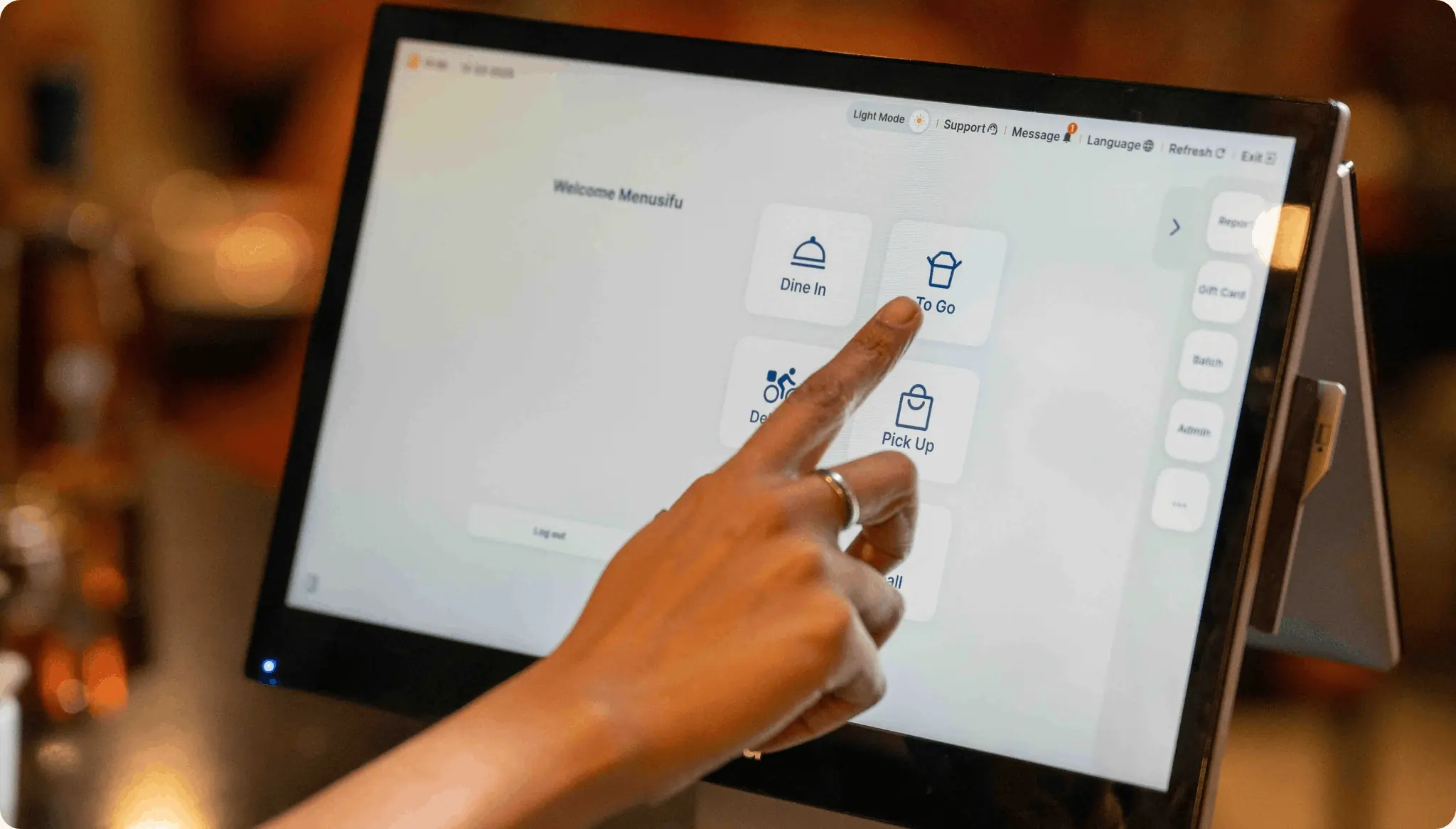
For a bubble tea shop, this is especially helpful when you need to track sugar and ice customizations, add-ons, combo prompts, loyalty activity, and online ordering alongside in-store sales. A connected POS setup can also support smoother order flow from the front counter to prep and pickup.
A healthier profit margin starts with the basics done well. When your shop prices drinks from actual recipe cost, controls portions, tracks labor closely, and reviews performance often, you keep more from every order and make stronger decisions for the business.
That process gets easier with tools built for bubble tea operations. MenuSifu offers a bubble tea POS system that helps you manage in-store, kiosk, QR, and online orders in one place, track modifiers like sugar and ice levels accurately, promote add-ons and loyalty offers, and review sales by channel. If consistency is a priority, MenuSifu also integrates with automated boba machines to support accurate drink production and a smoother handoff from order to pickup.
If you want better visibility into the numbers behind your shop’s profit, book a free demo with MenuSifu today and see how the right bubble tea shop POS can support stronger margins.
Below are answers to common questions about bubble tea profit margin.
Yes, owning a bubble tea shop can be profitable if you price drinks well, control ingredient and labor costs, and keep waste low. Many shops can earn healthy gross margins on beverages, but net profit depends on rent, payroll, delivery fees, and daily operations. Strong sales help, but consistent cost control usually has the biggest impact on long-term profit.
A good bubble tea profit margin often means strong gross margins on drinks and a healthy net profit after all costs. Many shops aim for gross margins around 60 percent to 80 percent, while net profit often falls in the high single digits to low teens once labor, rent, utilities, and other overhead are included. The best benchmark is a margin that supports steady growth, covers operating costs, and improves over time through smart pricing and cost control.
Sales can look strong while profit stays low if high costs eat into each order. Common causes include expensive ingredients, oversized portions, high labor costs, delivery app fees, rent, discounts, and waste from remakes or spoilage. To improve profit, track recipe costs, review pricing regularly, and watch your labor and operating expenses closely.
No. A franchise can offer brand recognition, training, and established systems that may help drive sales and consistency. An independent shop gives you more control over pricing, suppliers, and operating costs. Profit depends more on rent, labor, food cost, menu pricing, and daily execution than on the business model alone.
Review your gross profit margin every week and your net profit margin every month. Weekly checks help you catch rising ingredient costs, waste, and pricing issues early, while monthly reviews show how labor, rent, utilities, and other expenses affect your bottom line.
For more tips on pricing, ordering technology, labor control, and customer retention, check our blog for more insights and updates.
Related Articles: