April 8, 2026
Use this bubble tea business plan guide to map out startup costs, menu pricing, operations, financial projections, and key tools before opening your shop.

Opening a tea shop starts with a clear plan. Before you choose a location, price your drinks, or buy equipment, you need a bubble tea business plan that lays out your concept, costs, and daily operations. It also helps you organize your ideas, spot potential gaps early, and build a stronger path to launch.
This guide walks you through each part of a boba tea business plan, from market research and startup expenses to financial projections, tools, and common mistakes.
Ready to turn your idea into a plan you can use?

A strong bubble tea business plan gives your shop structure before you spend money, sign a lease, or place equipment orders. It helps you organize your concept, test your numbers, and map out how the shop will run day to day. Here are the key sections to include.
Start with a short snapshot of your business. This section should explain what your shop is, who it will serve, and what you want to achieve in the first year.
Include:
Keep it clear and direct. If a lender, partner, or investor reads only this part, they should still understand your shop idea and why it has potential.
Next, define what kind of shop you want to open. Your concept shapes your menu, pricing, branding, and daily operations.
Cover:
This section should show why customers will choose your shop over nearby options.
Your plan should show that you studied the local market before moving forward. Look at demand, customer habits, and buying patterns in your area.
Focus on:
This research helps you pick the right location, menu, and price range. It also helps you spot gaps that your shop can fill.
Take a close look at other bubble tea shops, cafes, and dessert spots near your location. Study what they do well and where they fall short.
Include:
This section gives your boba tea business plan a stronger direction. It shows how your business can stand out instead of blending in.
Your menu should support both customer demand and healthy margins. Keep it focused at the start, then expand once you see what sells best.
Outline:
A good menu section should explain how your products fit your brand and how they support profit. You can also include sugar levels, ice levels, toppings, and size upgrades if those options will shape your ordering flow.
Your location affects traffic, labor needs, rent, and sales potential. Your layout affects speed, prep flow, and customer experience.
Include:
This section should explain why the location fits your concept. It should also show how your setup will support quick ordering, drink prep, and pickup.
Your shop needs a clear daily routine. This part of the plan should show how you will keep orders moving and maintain product quality.
Cover:
A practical business plan for a boba tea shop should explain how the shop will run on a normal day, not just on paper.
Your shop needs a plan to attract customers and bring them back. Start with simple channels you can manage well.
Include:
This section should connect your marketing to your sales goals. It should also show how you plan to build repeat traffic after the launch period ends.
Finish with the numbers behind your concept. This section shows how much money you need, what your monthly costs may look like, and how your shop can reach profitability.
Include:
This part ties your full bubble tea business plan together. It turns your idea into a business model with clear targets and practical numbers.

Writing your plan gets easier when you break it into a few clear steps. Start with your concept, back it up with local research, then build the numbers and daily workflow around it.
Start with the basics. Decide what kind of bubble tea shop you want to open and what you want people to know you for. You might focus on classic milk teas, fruit teas, brown sugar drinks, premium toppings, or a smaller grab-and-go menu.
Then shape your brand around that concept. Choose a style, tone, and price point that fit your location. Keep your first menu focused so you can manage prep, train staff well, and control costs from the start.
Take time to study the area where you plan to open. Visit nearby boba shops, cafes, dessert spots, and other beverage businesses. Check their menu size, drink prices, customer traffic, and online reviews.
Look for patterns. You may notice that one area leans toward lower-priced drinks, while another supports premium options and add-ons. This step helps you identify market gaps and develop a concept that meets local demand.
List every cost tied to opening your shop. Include rent, deposit, renovations, furniture, tea brewers, sealing machines, refrigerators, blenders, cups, lids, straws, ingredients, licenses, and launch marketing.
Do not forget your POS setup, online ordering tools, and payroll for training before opening day. A full cost list gives you a stronger budget and helps you plan how much cash you need in reserve.
Once you know your costs, project your sales. Start with your average order value based on drink prices, toppings, and size upgrades. Then estimate how many orders you expect each day.
Use those numbers to build monthly and yearly projections. It helps to create a lower estimate first, then adjust as needed. This gives you a better view of how long it may take to cover expenses and reach profit.
Write out how your shop will run each day. Decide how many staff members you need per shift and assign key tasks such as taking orders, making drinks, restocking, and handling pickup.
Next, outline your supplier plan. List your main vendors for tea, milk, toppings, and packaging, along with backup options for each. Then map your order flow from checkout to drink handoff, so your team can keep lines moving and orders accurate.
Your marketing plan should cover both launch and long-term growth. Before opening, build interest through social posts, local partnerships, soft opening promos, and updates on your Google Business Profile.
After launch, focus on bringing people back. Use loyalty rewards, limited-time drinks, seasonal promos, SMS offers, and online ordering to keep your shop top of mind. A simple plan works best when you can track what drives repeat visits.
Startup costs can add up quickly, so build this part of your plan early. A clear budget helps you see how much cash you need to open, stock the shop, train your team, and keep operations moving in the first few months.
Start with the tools you need to prepare drinks quickly and consistently. For most shops, that includes a sealing machine, tea brewers, shakers, blenders, refrigerators, and basic prep tools. You should also budget for your POS system and payment hardware, such as a terminal, receipt printer, cash drawer, and barcode scanner. If you plan to use automated tea or boba machines, add those here, too.
Your location will likely take a large share of your opening budget. Include rent, your deposit, utility setup, and any broker fees. Then add build-out costs such as plumbing, electrical work, counters, signage, lighting, furniture, and fixtures. Even a small shop can need updates before you open.
Your opening inventory should cover both ingredients and day-to-day supplies. Budget for tea, milk, syrups, powders, tapioca pearls, toppings, cups, lids, straws, napkins, labels, and cleaning products. It also helps to keep a buffer for early reorders once sales pick up.
Set aside funds for business registration, health permits, food handling approvals, and other local compliance costs. You may also need insurance, accounting help, or legal support during setup. These expenses vary by location, so check local requirements early.
Hiring starts before opening day. Include recruiting costs, onboarding pay, uniforms, and training hours in your budget. Your team needs time to learn drink builds, prep standards, POS use, cleaning routines, and how to handle guest orders accurately.
Give your launch its own budget instead of treating it as an extra. Include opening promotions, social media ads, printed materials, local outreach, and menu photography if needed. A focused launch budget can help you attract traffic early and build repeat visits.
Working capital is the cash you keep on hand to cover expenses after opening. This buffer helps pay for rent, payroll, utilities, and inventory while sales are still building. Including it in your plan reduces the risk of running short on cash in the first few months.

Your financial projections show how your shop can earn, spend, and grow over time. This section should stay simple, clear, and tied to your menu, pricing, and expected traffic. Focus on four parts: sales, costs, profit margins, and break-even timing.
Start with your projected daily orders. Estimate how many cups you expect to sell on weekdays, weekends, and holidays. A shop near schools may see a rush after class, while a downtown location may get stronger lunch traffic.
Then estimate your average ticket size. Include the base drink price plus common add-ons like pearls, cheese foam, pudding, or extra shots. If most customers buy one drink for $6-$8, use that range as your starting point. If you expect combo purchases or snack add-ons, raise your estimate only if local demand supports it.
You should also separate peak and off-peak periods. This gives you a better monthly forecast and helps with staffing and prep.
For example, you can break it down like this:
Once you have those numbers, multiply your daily sales by the number of operating days each month. That gives you a practical starting point for monthly revenue.
Next, list your major costs. Start with the cost of goods sold. This includes tea leaves, milk, syrups, tapioca pearls, fruit, powders, cups, lids, straws, and napkins. Keep this section specific so you can track how much each drink costs to produce.
Then add labor costs. Include hourly wages, payroll taxes, training time, and manager pay if needed. Labor often rises during opening months, so give yourself room in the budget.
After that, split your expenses into fixed and variable costs.
Fixed costs may include:
Variable costs may include:
This structure helps you see which costs stay stable and which ones rise as sales increase.
Your profit margin depends on smart pricing and a well-built menu. Start by pricing each drink with ingredient cost, labor, and overhead in mind. Do not base your prices only on what nearby shops charge. Your prices should support your cost structure and your sales target.
Pay close attention to high-margin items. Fruit teas, flavored teas, and toppings often bring strong margins, especially when ingredient costs stay low compared with the selling price. Limited-time drinks can also lift average ticket size if you price them well.
To improve profitability, you can:
Small pricing and menu changes can improve margins over time, especially in a shop with high order volume.
Your break-even point shows how long it may take to recover your startup costs. To calculate it, compare your monthly profit against your total opening investment. If your startup cost is $120,000 and your monthly net profit is $6,000, you may need about 20 months to recover that investment.
Your payback period can shift based on several factors:
A shorter break-even timeline usually depends on strong traffic, healthy margins, and tight cost control. A longer one may reflect high rent, slower opening sales, or a large upfront investment.
Keep this section grounded. Conservative numbers will help you plan better and avoid surprises after opening.

Once you map out your costs and projections, it helps to see how those details look in one place. Below is a fictional example you can use as a guide while building your own bubble tea business plan. Adjust the concept, menu, pricing, and financials to fit your location, store size, and goals.
Pearl & Leaf is a fictional takeout-focused bubble tea shop planned for a busy retail strip near a college campus and several apartment buildings. The shop will focus on milk tea, fruit tea, slush drinks, and topping add-ons. The goal is to build steady lunch, afternoon, and evening traffic through quick ordering, strong drink consistency, and repeat visits driven by loyalty offers.
The shop plans to open in a 1,000-square-foot space with room for counter ordering, pickup, and a small waiting area. Pearl & Leaf expects to build traffic through local marketing, online ordering, and a menu that gives guests plenty of ways to customize each drink. Estimated startup costs are $151,000, and the shop aims to grow monthly sales to about $32,760 by month six.
Pearl & Leaf will position itself as an accessible neighborhood boba shop with a modern menu and quick order flow. The brand will focus on quality ingredients, easy customization, and drinks that fit both daily routines and casual treat purchases.
The menu will center on:
The shop will open in a trade area with strong foot traffic from students, office workers, and nearby residents. Three competing beverage shops operate within a two-mile radius. One focuses on coffee, one sells smoothies, and one offers a limited milk tea menu.
Pearl & Leaf will stand out by offering:
This local gap gives the shop room to build a steady customer base.
Pearl & Leaf will launch with a focused menu that covers top-selling drink categories without crowding operations.
Milk Tea
Fruit Tea
Specialty Drinks
Add-Ons
Guests can adjust sugar level, ice level, and toppings for each drink. This level of customization should appear clearly in your business plan for boba tea shop operations and menu planning sections because it affects prep time, POS setup, and order flow.
The planned store layout will support high-volume drink sales in a compact footprint. The front of the shop will include a counter, a self-order kiosk, and a pickup screen. The back bar will hold the tea brewers, refrigeration, sealing machine, prep station, and storage.
The layout will support this flow:
This setup helps the team keep orders moving during rush periods.
Below is a fictional startup budget for Pearl & Leaf:
Estimated total startup cost: $151,000
This example shows why a boba milk tea business plan should include both one-time expenses and cash reserves for the first few months.
Pearl & Leaf will begin with a lean team:
The manager will handle scheduling, inventory, vendor coordination, and daily oversight. The bar staff will prepare drinks and manage peak-hour orders. Part-time team members will support weekends, afternoons, and promotional periods.
This staffing plan keeps labor under control while giving the shop room to handle opening demand.
Pearl & Leaf will focus on local visibility and repeat traffic during the first six months.
Pre-opening
Opening month
Ongoing
A focused launch plan can strengthen your bubble tea business plan by showing how you plan to bring in traffic from day one.
Pearl & Leaf expects sales to build gradually during the first six months.
Month 1
Month 3
Month 6
These figures assume stronger sales on weekends and after-school hours. They also assume the shop builds repeat traffic through loyalty offers and online pickup orders.
Here is a fictional monthly expense estimate once the shop reaches stable operations:
Estimated monthly operating expenses: $28,500
With projected monthly sales of about $32,760 by month six, Pearl & Leaf would begin moving closer to stable profitability.
Based on these sample figures, Pearl & Leaf would likely need monthly sales above its operating cost level to cover expenses consistently. That means the shop would aim to move past roughly $28,500 in monthly sales before generating a stronger profit cushion. This is why your boba tea shop business plan should include a break-even estimate instead of sales projections alone.
Pearl & Leaf will use a connected order flow to keep daily operations organized. Guests can place orders at the counter, through a kiosk, or online for pickup. The POS will send drink details directly to the bar so the team can prepare each order accurately.
The shop will use:
Pearl & Leaf will source tea, toppings, dairy products, cups, and packaging from approved foodservice suppliers. The manager will review inventory daily, place weekly orders, and monitor waste levels on key items such as tapioca pearls, milk, and fresh ingredients. This step helps the shop stay in stock while keeping food costs under control.
If the shop expands later, the owners plan to add deeper automation by connecting the POS to an automated tea-making setup. That addition could improve drink consistency and speed up drink production during busy shifts.
Pearl & Leaf will track a small group of goals during its first year:
These goals give your shop a clear way to measure progress.
You do not need to copy this example line for line. Use it as a framework. Replace the concept, menu, startup cost, and sales figures with numbers that fit your market. Once you do that, your sample business plan for bubble tea shop use becomes a working draft you can refine as you compare locations, vendors, and equipment.
Several common mistakes can weaken your plan before your shop opens.
It is easy to assume a busy street or a popular drink category will bring steady sales. Start with conservative estimates instead. Study foot traffic, nearby competitors, peak hours, and local buying habits so your sales forecast stays practical.
Low prices can attract attention, but they can also shrink your margins fast. Price each drink after you account for ingredients, toppings, cups, lids, labor, rent, and delivery fees. Your menu should support both sales and profit.
Big expenses like rent and equipment get most of the attention, but smaller recurring costs add up quickly. Include utilities, software, card processing fees, cleaning supplies, maintenance, training, and waste in your budget. A complete plan gives you a clearer view of what the shop needs each month.
A lower rent figure can look appealing, but a weak location can hold back sales. Look at visibility, parking, foot traffic, nearby schools or offices, and pickup access before you commit. A good site should support both walk-ins and order pickup.
A strong menu alone will not bring in steady traffic. Plan your launch promotions, social media content, loyalty offers, local partnerships, and online presence early. That way, you can build awareness before your doors open.
Your projections should reflect a cautious first year, not an ideal outcome. Build your numbers around average ticket size, daily order count, food cost, labor, and slower months. Solid assumptions make your business plan more useful from day one.
The right tools help your shop take orders faster, keep drink tickets accurate, and support repeat visits. In a bubble tea business, small delays at the register, bar, or pickup area can pile up quickly. That is why your operating plan should include systems that support ordering, customization, production, and customer retention from day one.
Here are the key tools to include in your plan:
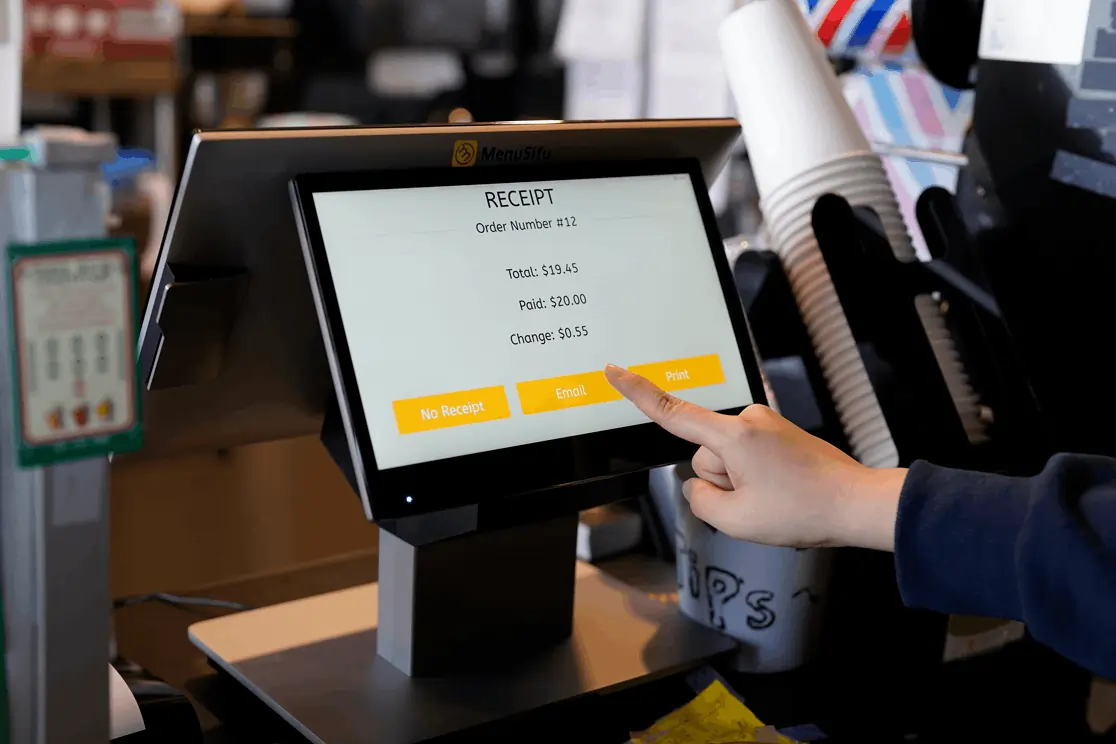
Choose a bubble tea POS system built for high-volume beverage orders. Your POS should handle sugar levels, ice levels, toppings, milk options, size upgrades, combo prompts, discounts, and loyalty accounts in one place. A strong bubble tea shop POS also helps you track sales, monitor popular drinks, and manage menu updates with less manual work.
Give customers more than one way to place an order. A self-order kiosk can speed up ordering in-store. QR code ordering lets customers scan, customize, and pay on their phones. Online ordering helps customers place pickup orders before they arrive. When all three channels connect to the same system, your staff can stay focused on drink prep.
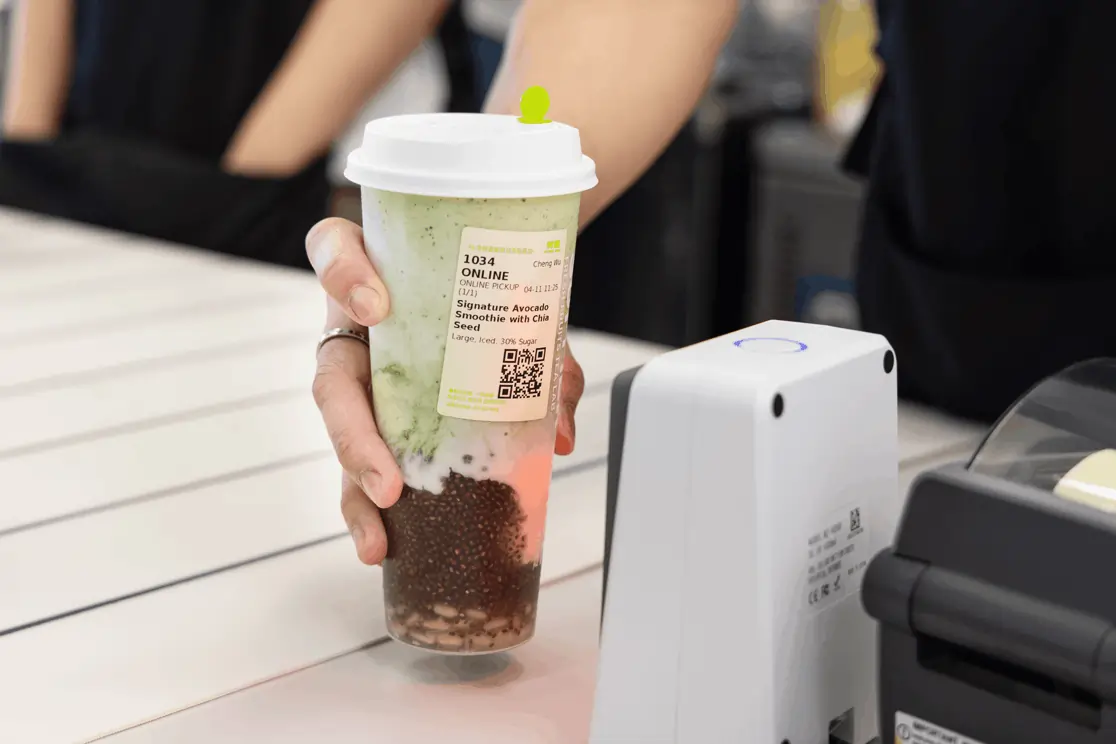
If your concept expects high drink volume, automated equipment can help keep recipes consistent. Some systems connect directly to your POS, so staff can scan the order label and send the drink recipe to the machine right away. This setup supports product consistency and can reduce manual steps during peak hours.
A pickup screen helps customers track order numbers instead of crowding the counter. Scan-based pickup verification can also help staff hand the right drink to the right customer. This keeps the handoff area more organized and supports a smoother flow during rush periods.
Repeat traffic often drives bubble tea sales. Look for tools that support points, tiered rewards, birthday offers, stored-value cards, coupons, and SMS campaigns. In-store screens and kiosk displays can also promote seasonal drinks, upsells, and limited-time offers at the point of order.
Your system should connect online ordering and delivery orders to the POS. This keeps all tickets in one workflow and helps your team manage dine-in, pickup, and third-party orders from one dashboard.
Sales reports and inventory alerts help you track bestsellers, monitor ingredient use, and spot trends early. These insights can help you adjust purchasing, pricing, and staffing as your shop grows.
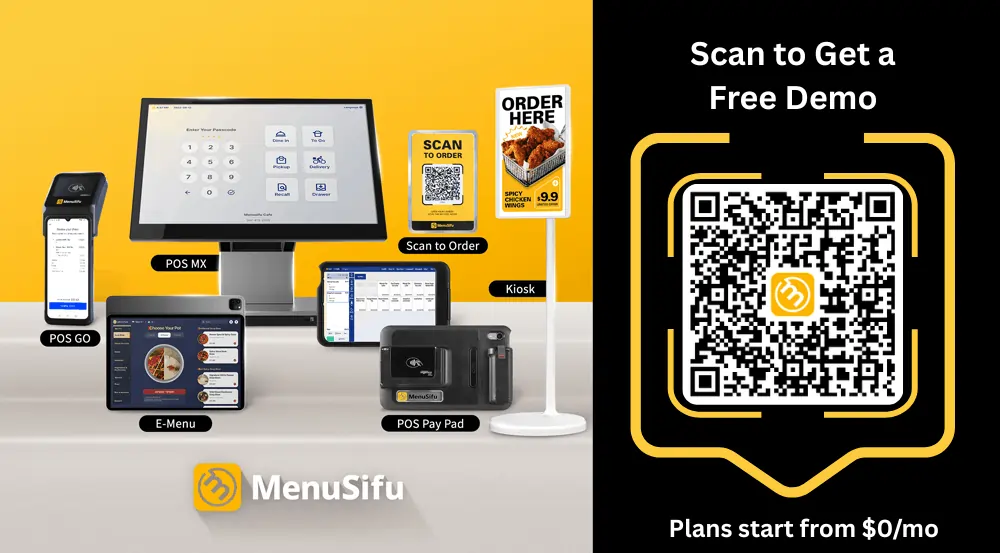
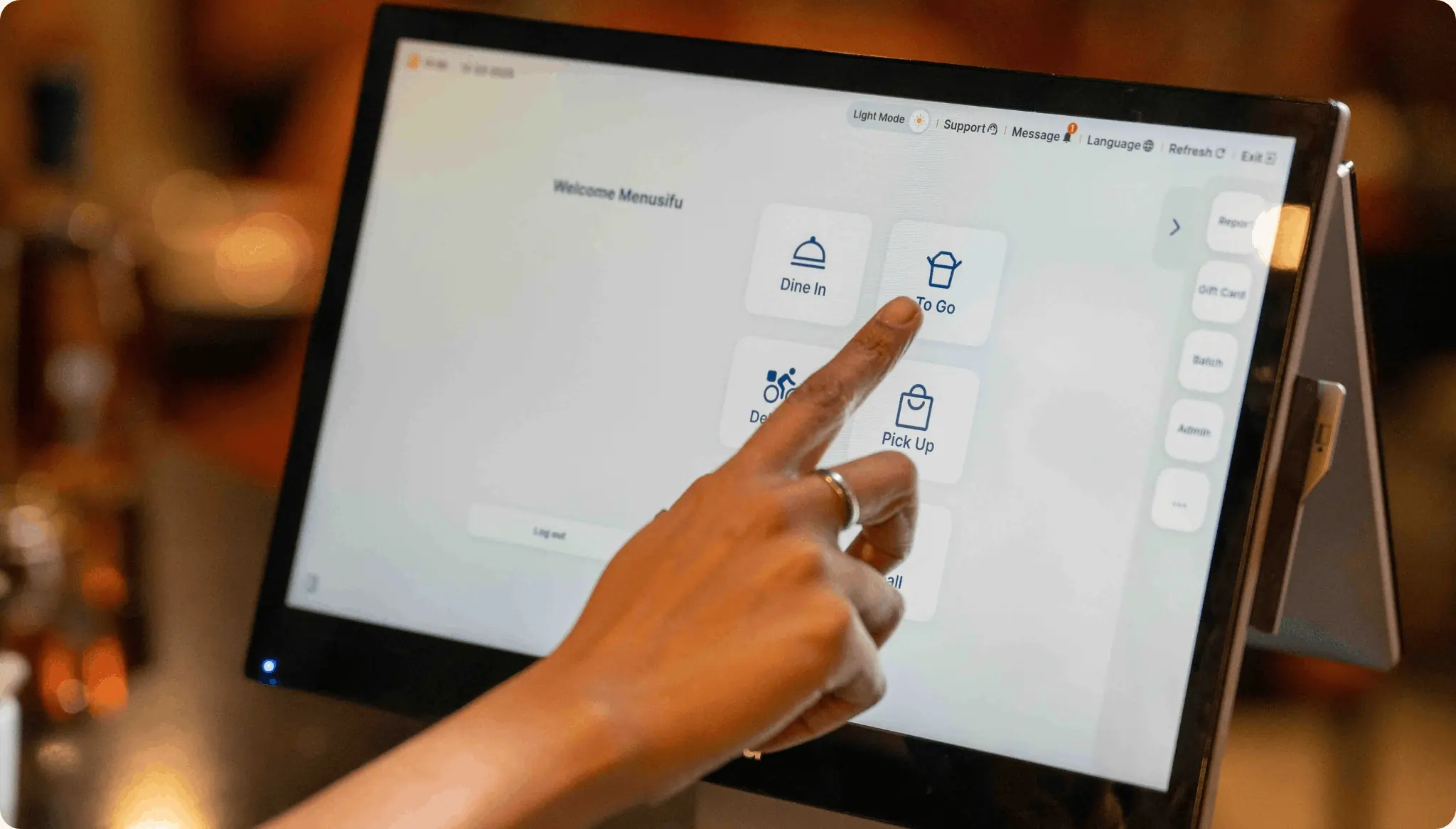
MenuSifu is one example of a connected bubble tea POS system that supports ordering, customization, loyalty, and automated boba machine integration.
A well-built bubble tea business plan gives your shop direction from day one. When you map out your menu, startup costs, pricing, staffing, and financial targets early, you can make better decisions for your location, daily workflow, and long-term growth. It also helps you choose systems that keep ordering organized, support drink customization, and encourage repeat visits.
As you move from planning to launch, look for tools built for the way a boba shop operates. MenuSifu offers a bubble tea POS system designed for beverage businesses, with counter ordering, self-order kiosks, QR ordering, online ordering, loyalty features, and flexible drink modifiers like sugar level, ice level, toppings, and add-ons. It also connects with automated boba machines to link ordering, tea-making, pickup screens, and marketing in one setup.
To see how a bubble tea shop POS can support your opening plan, book a Free Demo with MenuSifu today.
These frequently asked questions address common points you may want to clarify before finalizing your plan. Use them to refine your budget, review local requirements, and prepare your shop for launch.
Yes, bubble tea can be a good business if you choose the right location, control ingredient and labor costs, and build a menu that brings customers back. Demand often stays strong because people like customizable drinks, seasonal specials, and add-ons. A solid business plan helps you evaluate startup costs, pricing, and profit potential before you open.
A bubble tea business can be profitable when you control ingredient costs, labor, rent, and menu pricing. Many shops improve margins through add-ons, upsells, and repeat visits from loyal customers. Profit depends on your location, sales volume, and operating costs, so your business plan should include realistic projections before you open.
Yes. In most places, you need a business license, a food establishment permit, and health department approval before you sell boba tea. Exact requirements vary by state, county, and city, so check your local health department, business licensing office, and state food safety rules before you open. In the U.S., retail food establishments are generally regulated at the state and local level, with the FDA Food Code serving as a model for many jurisdictions.
A boba tea business plan should give clear, specific details on your concept, target customers, menu, pricing, startup costs, equipment, location, marketing, staffing, and sales forecast. Use real numbers, local market research, and a practical launch plan so the document can guide daily decisions and support funding discussions. Keep it thorough enough to show viability, but concise enough to update as the business grows.
For more insights and updates, check out our blog section for practical guides on restaurant operations, POS strategy, and growth tools for beverage shops.
Related Articles: