March 12, 2026
Plan your opening with the right boba shop equipment. Learn the essential tools for brewing, prep, storage, sealing, and front counter setup in one guide.

Opening a bubble tea business starts with the right plan, and that includes choosing the right boba shop equipment from day one. From tea brewing and pearl cooking to cold storage, prep stations, and front counter tools, each piece plays a role in how smoothly your shop operates. So, what do you actually need to get started?
In this blog, you will find the core equipment categories, key tools for each station, and practical tips to help you build a setup that supports your menu, space, and daily workflow.

To build a smooth setup, start with the core equipment categories you will use every day. Each one supports a different part of your operation, from prep and brewing to order-taking and cleanup. When you organize your plan this way, it becomes easier to spot what your shop needs first.
Prep tools help your team portion ingredients, organize toppings, and keep the work area clean. This category often includes prep tables, measuring tools, storage containers, and sinks.
Cooking equipment supports tea brewing and tapioca pearl preparation. Common items include tea brewers, hot water boilers, stock pots, cookers, and timers.
These tools help staff mix, sweeten, seal, and finish drinks. Shakers, blenders, syrup pumps, and cup sealing machines usually fall into this group.
Cold storage keeps milk, fruit, toppings, and other ingredients fresh and safe. Reach-in refrigerators, undercounter units, freezers, and ingredient bins help keep everything organized and easy to access.
Front-of-house equipment supports ordering, payment, and pickup. Your setup may include a POS system, menu displays, kiosks, cash handling tools, and pickup counters.
Cleaning tools help keep your shop food-safe and ready for daily operations. Sinks, cleaning brushes, sanitizing supplies, and waste bins all play an important role.
When you break down the equipment this way, it becomes easier to create a practical opening checklist and build a setup that supports your menu and workflow.
Your back-of-house setup shapes how smoothly your shop handles prep, brewing, and drink assembly. Start with the equipment that supports your daily menu, keeps recipes consistent, and helps your team move from one step to the next with less delay.
Tea sits at the center of many drinks, so your brewing setup deserves close attention.
Tapioca pearls need careful cooking and holding to keep the right texture, so this part of your setup should support both speed and consistency.
Once your tea and toppings are ready, mixing and sealing tools help you finish drinks efficiently.
Cold storage supports drink quality, ingredient safety, and a smoother prep flow. If your milk, fruit, toppings, and ice are not stored well, your team will feel it during every shift. A solid refrigeration setup helps you keep key ingredients fresh, organized, and easy to access.
Reach-in refrigerators and freezers give you the main storage space for dairy, fruit purees, toppings, syrups, and backup inventory. They work well for bulk ingredients that you do not need at the assembly station all day. Choose units with enough capacity for your menu and delivery schedule so your team can stock properly and avoid overcrowding shelves.
Undercounter refrigeration keeps frequently used ingredients close to the drink station. This setup cuts extra steps and helps your team move faster during busy hours. It is especially useful for milk, creamers, fruit mixes, and toppings that staff need throughout the day.
Ice machines play a central role in most bubble tea shops. Milk teas, fruit teas, smoothies, and slushes all depend on a steady ice supply. Pick a machine that can keep up with your daily volume, especially if your menu includes frozen drinks. Running low on ice can slow drink production quickly.
Ingredient bins help you organize dry items such as tea leaves, powders, and sugar. Cold topping storage keeps items like pudding, aloe, jelly, and fruit chilled and ready for use. Clear labels and a clean layout also help staff find ingredients faster and keep the station more organized.
A well-planned workstation helps your team assemble drinks faster and keep each station organized. When tools and ingredients are easy to reach, your workflow becomes more efficient from prep to pickup.
Some bubble tea shops also connect ordering and production tools to support this workflow more efficiently. When cup labels, drink preparation, and pickup updates work together, your team can move orders through each step with fewer manual handoffs.
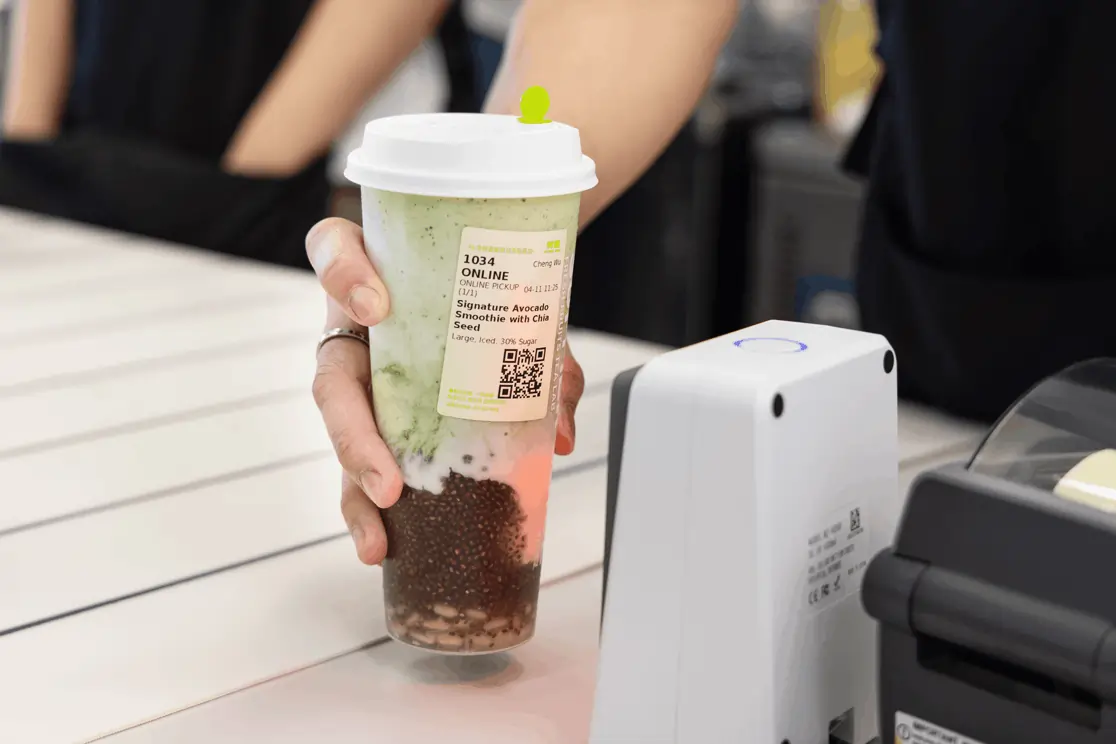
For example, MenuSifu supports a scan-based workflow in which the printed cup label can trigger an automated tea machine to prepare the drink to recipe, update the pickup screen when the order is ready, and close the ticket after handoff. This type of setup can help keep your operation more organized and support better order accuracy during busy periods.
Your front counter setup shapes how quickly orders move from selection to pickup. A clear layout helps your team take orders, process payments, organize supplies, and guide customers through the space more smoothly.
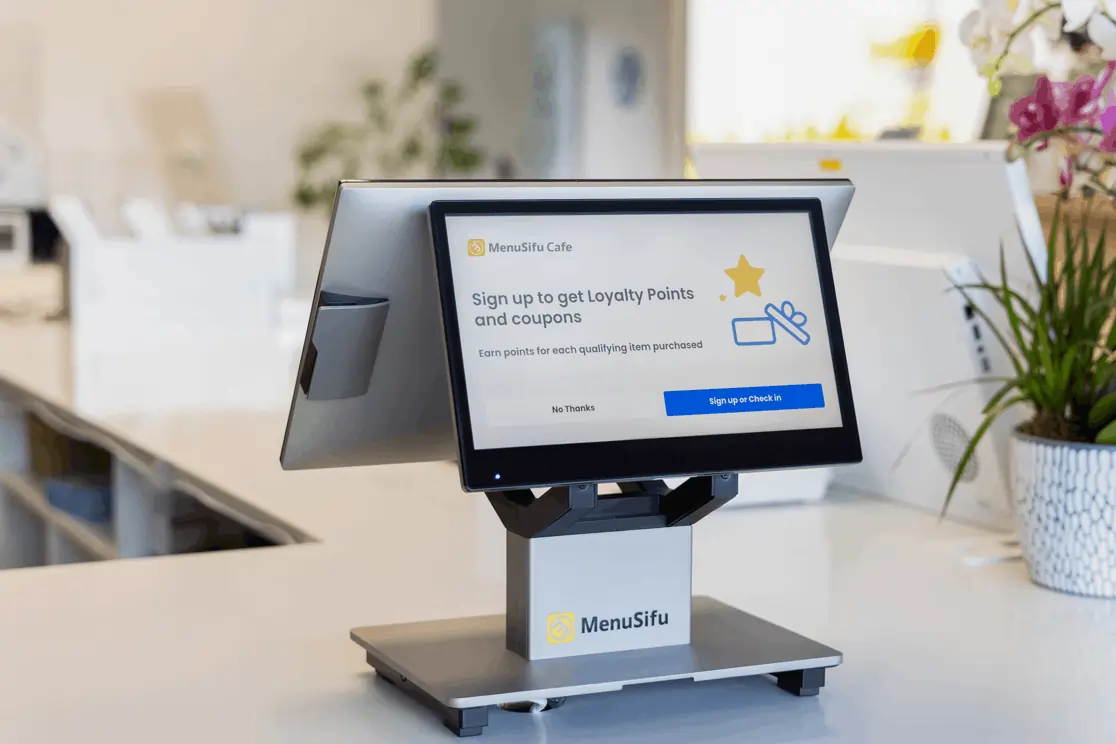
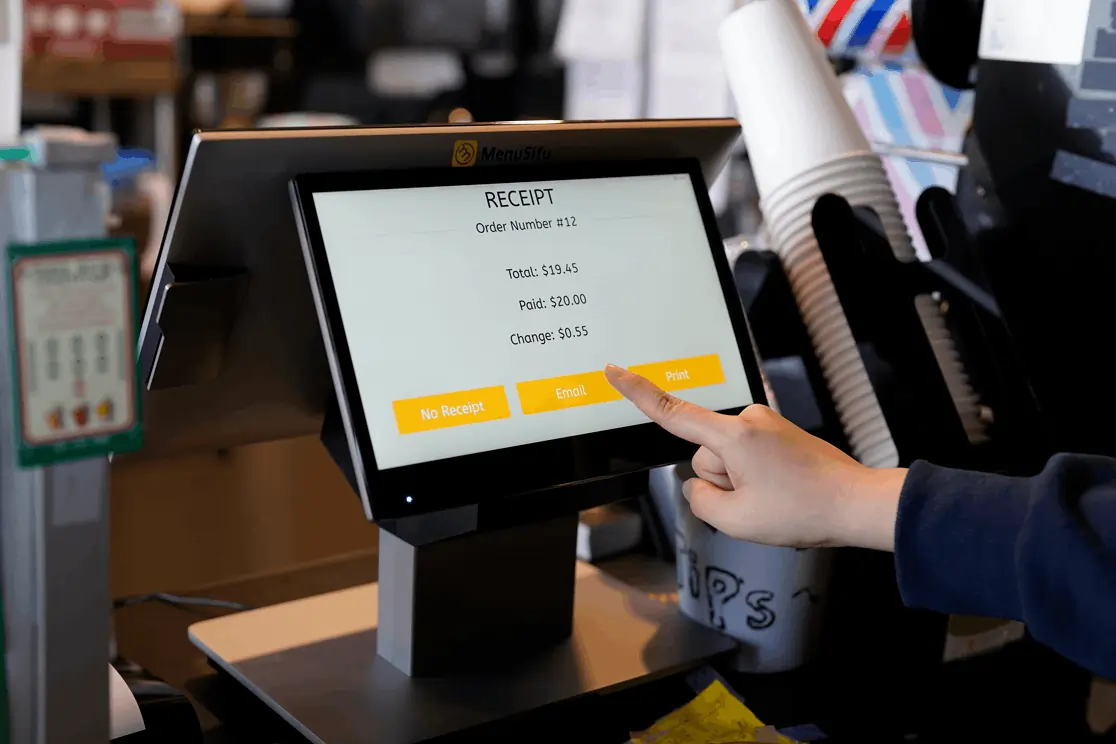
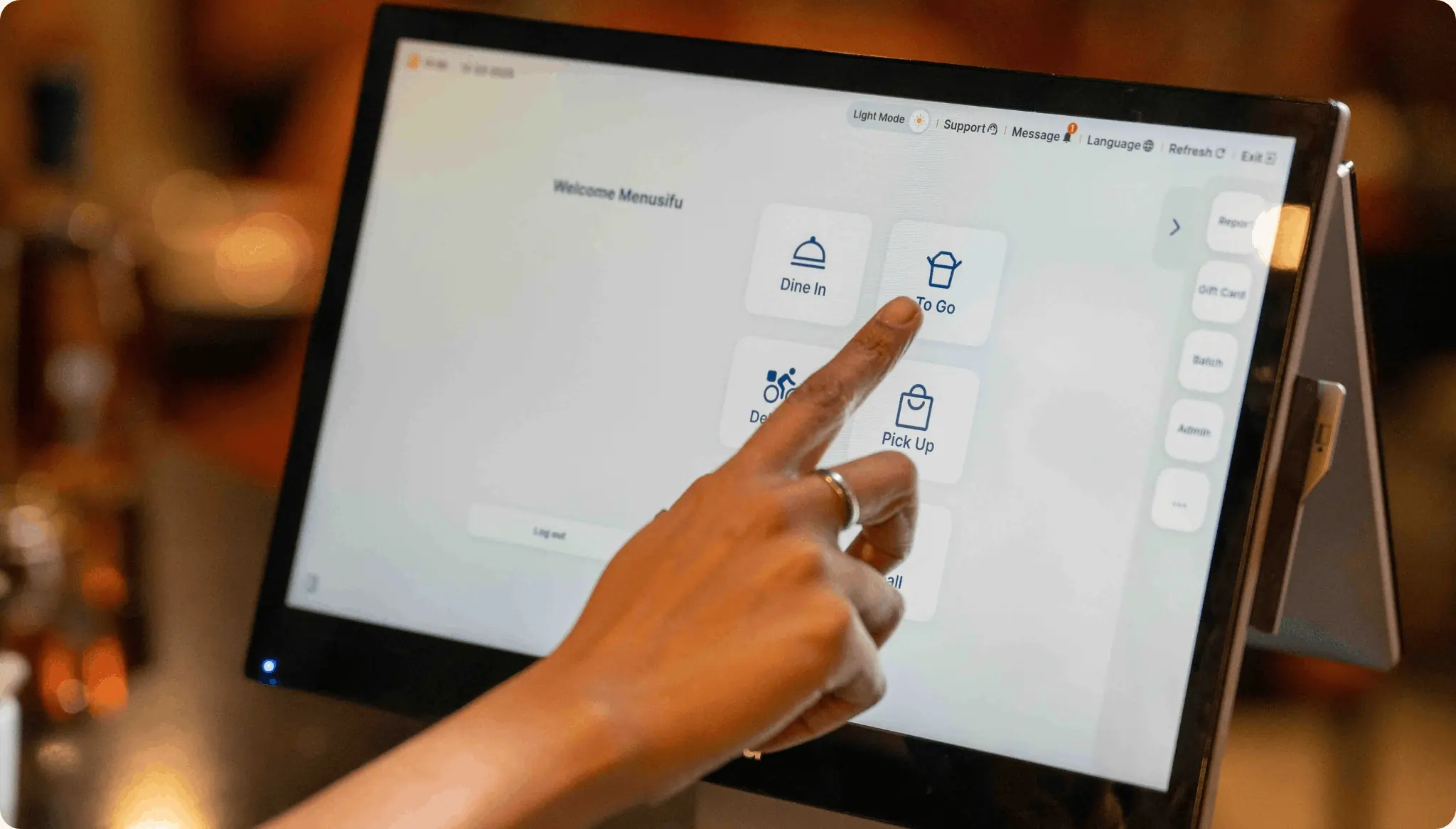
A reliable POS system helps you take orders accurately and keep payments organized. For bubble tea shops, that often means managing drink sizes, sugar levels, ice levels, toppings, and add-ons with fewer errors. It also helps you track sales, monitor best-selling items, and keep daily operations more organized. If you accept cash, cards, and digital payments, your setup should clearly support each option at the counter.
Menu displays help customers review drinks and customize their orders more easily. Clear pricing, item descriptions, and add-on options can help reduce order delays at the register. If your shop expects steady foot traffic, self-order kiosks or dedicated ordering stations can also help keep lines moving and free up staff for drink preparation and pickup.
Cup, lid, and straw dispensers keep essential packaging items in one place and easy to reach. This setup helps your counter stay neat and supports faster handoff during busy periods. It also helps your team restock supplies more efficiently and keeps the pickup area from looking cluttered.
A defined pickup counter helps separate ordering from drink collection. That can reduce crowding near the register and make the handoff process easier to follow. Simple tools like pickup signage, order number displays, and clear queue markers can help guide customers through the space and keep the front of house more organized.
Small tools can shape how smoothly your shop runs each day. They support prep, keep stations organized, and help your team work more efficiently from open to close.
Your menu should guide your equipment list. A shop with a simple milk tea lineup needs a different setup than one that sells smoothies, slushes, and hot snacks. Start with what you plan to sell every day, then build around prep, storage, and output.
If your menu focuses on classic milk teas, fruit teas, and standard toppings, you can keep your setup lean. In many cases, the core equipment needed to open a boba shop includes:
This setup supports the basics and helps you open with a clear workflow. It also gives you room to add more equipment later as your menu grows.

Frozen drinks add more prep and storage needs. If your menu includes smoothies or slushes, plan for equipment that can handle higher drink output and colder ingredients.
You may need:
This type of menu can increase ticket variety, but it also puts more pressure on your cold station. Make sure your layout supports quick movement between blending, sealing, and pickup.
If you plan to sell snacks with your drinks, your equipment list will need to expand again. Fried items, hot snacks, and grab-and-go food each need proper holding and heating equipment.
Common additions include:
Food can help increase order value, but it also adds prep, cleaning, and storage needs. Review your menu carefully so your equipment supports both drink production and food prep from the start.
Choosing the right equipment starts with your daily workflow. Before you buy anything, look at how many orders you expect, what drinks you plan to sell, and how much space you have to work with. That gives you a better way to choose tools that fit your shop from day one.
A good equipment plan should support your menu, your volume, and your daily operations. When each piece fits your workflow, your shop can prep, brew, and serve drinks more efficiently.
A few equipment choices can create problems early on. If you plan carefully, you can avoid extra costs, prep delays, and daily headaches.
Buying oversized or undersized equipment
Equipment should fit your menu, shop size, and expected order volume. A machine that is too small can slow your team down. A unit that is too large can take up space you need for prep and storage.
Underestimating ice production needs
Ice supports milk teas, fruit teas, smoothies, and slushes. If your ice machine cannot keep up, drink prep can back up quickly. Estimate peak demand, not average demand.
Forgetting workflow efficiency
Your layout affects how quickly drinks move from prep to pickup. If staff need to cross the shop for pearls, ice, lids, or syrups, small delays add up. Keep key equipment close to the stations that use it most.
Skipping water filtration
Water affects tea flavor, ice quality, and equipment performance. Poor filtration can also lead to mineral buildup in boilers and brewers. A filtration system helps protect both your drinks and your equipment.
Not planning enough storage
You need space for tea, powders, syrups, cups, lids, toppings, and backup stock. If storage runs short, counters get crowded and restocking takes more time during busy periods.
Choosing equipment that is hard to maintain
Some equipment takes longer to clean or needs frequent repairs. That can create extra work for your team and interrupt daily operations. Look for equipment that is durable, easy to clean, and practical for regular use.
The right equipment setup helps your shop brew efficiently, store ingredients properly, and keep daily operations organized from the start. When each station supports your menu and workflow, it becomes easier to prep drinks, manage orders, and keep your team on track.
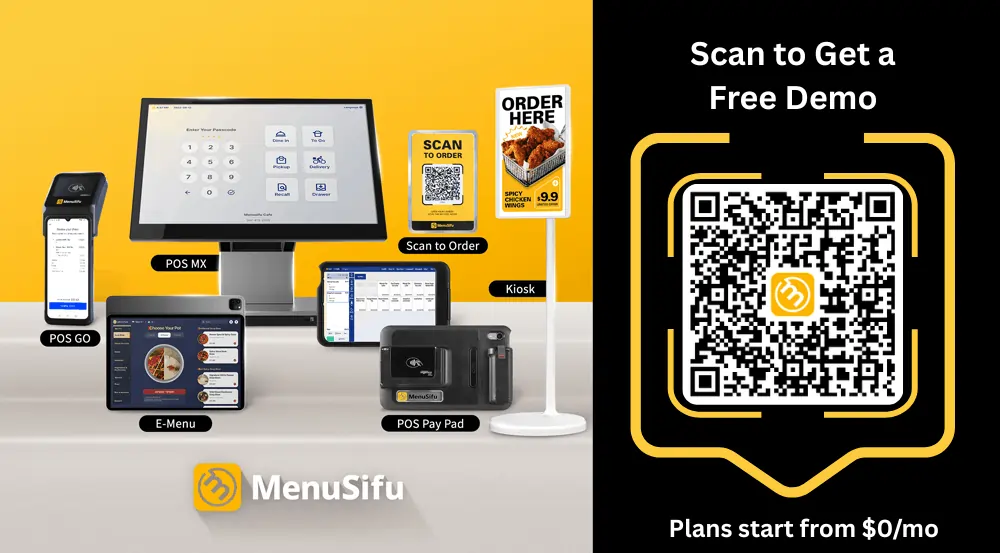
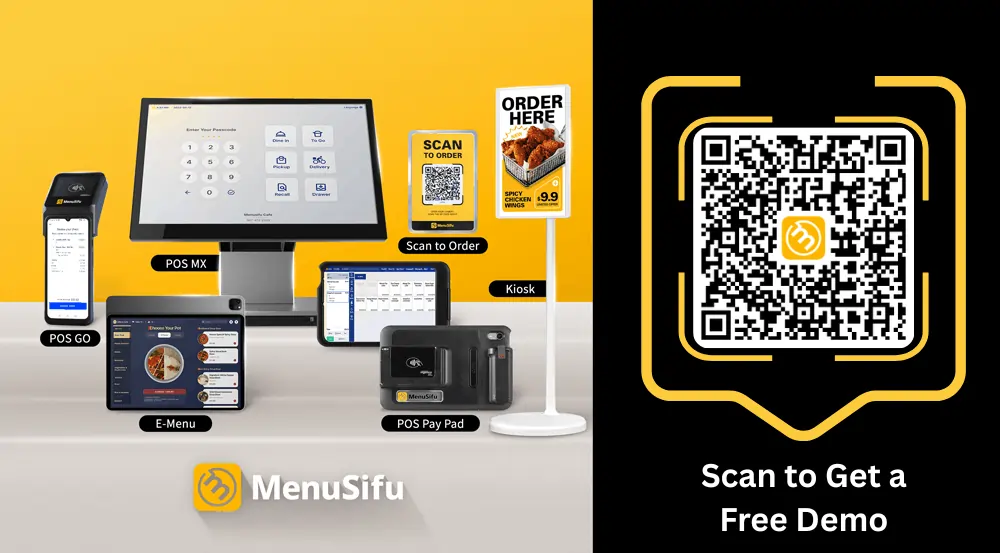
If you are also planning your front counter setup, MenuSifu offers a POS system for bubble tea shops that supports ordering, payments, modifiers, and pickup in a single platform. You can book a free demo with us today to see how we can support your shop as you prepare to open.
Before you finalize your equipment list, here are a few common questions that can help guide your next steps.
Boba shop equipment costs vary by setup and capacity. Retail listings from WebstaurantStore show that manual cup sealers start around $100, automatic sealers range from about $1,299 to $2,499, shaking machines run about $1,029, and fructose dispensers range from about $180 to $1,529, so equipment costs can add up quickly depending on what you buy.
Essential equipment for a small bubble tea shop includes a tea brewer, a fructose dispenser or syrup pumps, a cup sealer, a shaker machine, a blender, an ice machine, refrigeration, a tapioca pearl cooker or warmer, and a sink setup for cleaning. You also need basic prep tools, such as measuring cups, strainers, scoops, storage containers, and a POS system to handle orders efficiently.
Start with the equipment that supports your core drinks first. Buy a tea brewer, a water boiler, a pearl cooker setup, a refrigerator, an ice machine, and a cup sealer before anything else. These tools help you brew tea, cook tapioca pearls, store ingredients safely, and prepare drinks efficiently from day one.
Yes. Smoothies and slushes usually require a commercial blender, higher ice output, and extra cold storage for fruit, purees, and frozen ingredients. If you plan to add these drinks to your menu, make sure your equipment can handle thicker blends and higher demand.
For more tips, ideas, and updates, explore our blog section.
Related Articles: