September 18, 2026
Want more orders and repeat visits? Use these quick service restaurant marketing strategies to attract local customers, grow online sales, and drive revenue.
Need more orders during slow hours, more repeat visits, and better returns from your promotions? The right quick service restaurant marketing strategies can help you attract nearby customers, promote high-value menu items, increase online orders, and bring past customers back.
To get better results, connect your menu, customer habits, ordering channels, and sales goals.
In this guide, you’ll learn practical ways to market your restaurant through local promotions, loyalty programs, online ordering, POS data, social media, customer reviews, and targeted offers that support revenue growth.
QSR marketing is the process of promoting your quick service restaurant to attract new customers, increase order frequency, and build customer loyalty. It helps you bring more people through the door, grow online orders, and give past customers a reason to return.
For quick service restaurants, marketing should support three goals: more sales, repeat visits, and customer convenience. Every campaign should make your offer easy to notice, easy to redeem, and easy to act on.
A strong QSR marketing plan connects your menu, pricing, promotions, ordering channels, and customer data. For example, you might promote a lunch bundle on slow weekdays, send rewards to loyal customers, or highlight online ordering to increase digital sales.
The best approach starts with clear goals. Focus on what your restaurant needs most right now, such as higher foot traffic, larger orders, stronger delivery sales, or better customer retention. From there, you can choose the right marketing strategies to support that goal.
Effective QSR marketing works best when each strategy connects to a clear business goal, such as more lunch orders, higher average order value, more online sales, or stronger customer retention. Use the ideas below to build campaigns that fit your restaurant, menu, and customer base.
Start with the people closest to your restaurant. Nearby customers often choose a QSR because they want a quick, convenient meal, so your promotions should be easy to see and easy to act on.
You can promote local offers through:
Focus on offers that fit daily buying habits. Lunch specials can attract office workers. Family meal bundles can bring in evening orders. Limited-time deals can encourage nearby customers to stop by sooner.
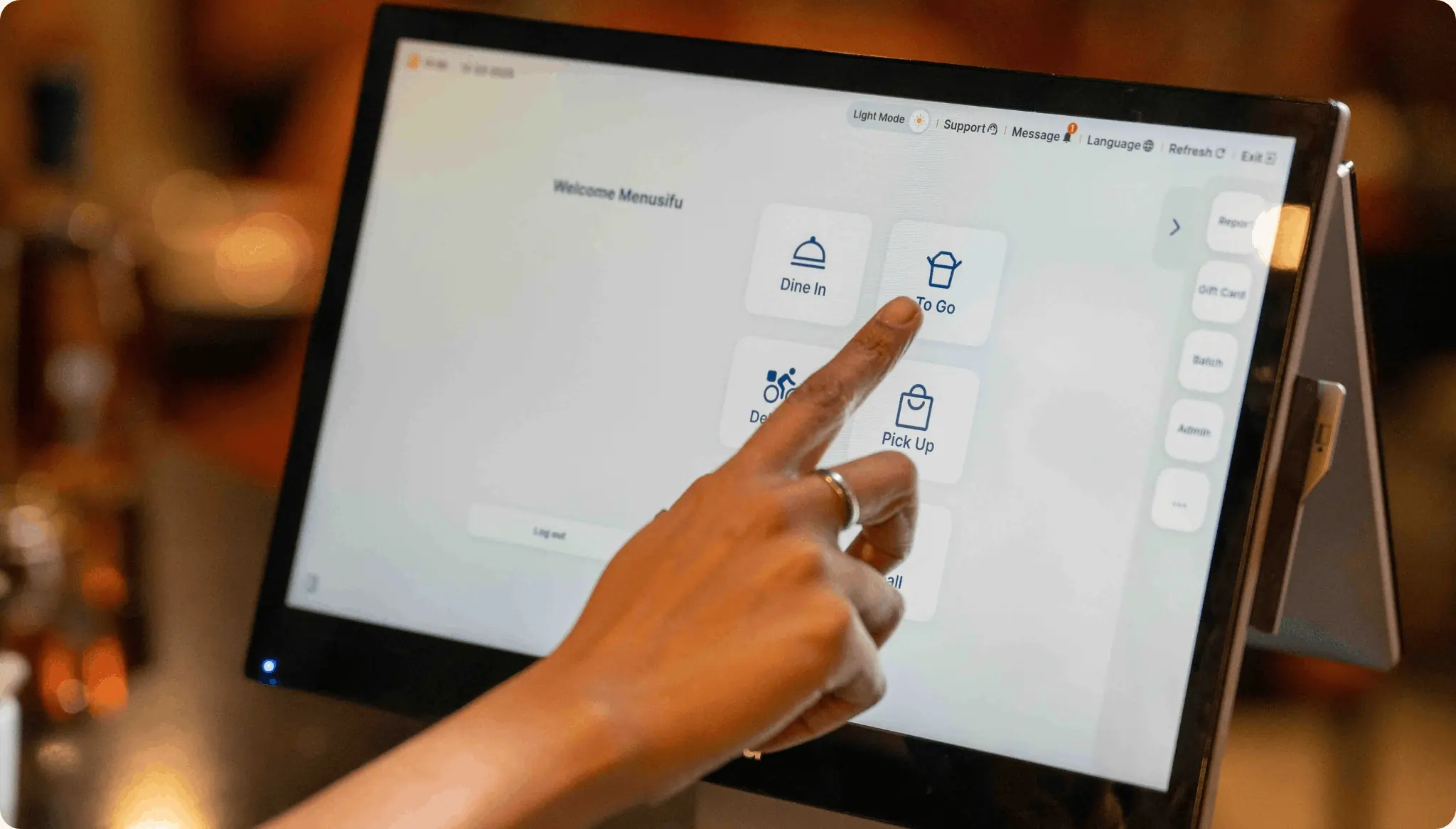
For in-store visibility, use branded kiosk screens to spotlight new menu items, seasonal offers, and daily promotions. Custom screensaver, welcome page, and promo visuals can help customers notice key offers before they place an order.
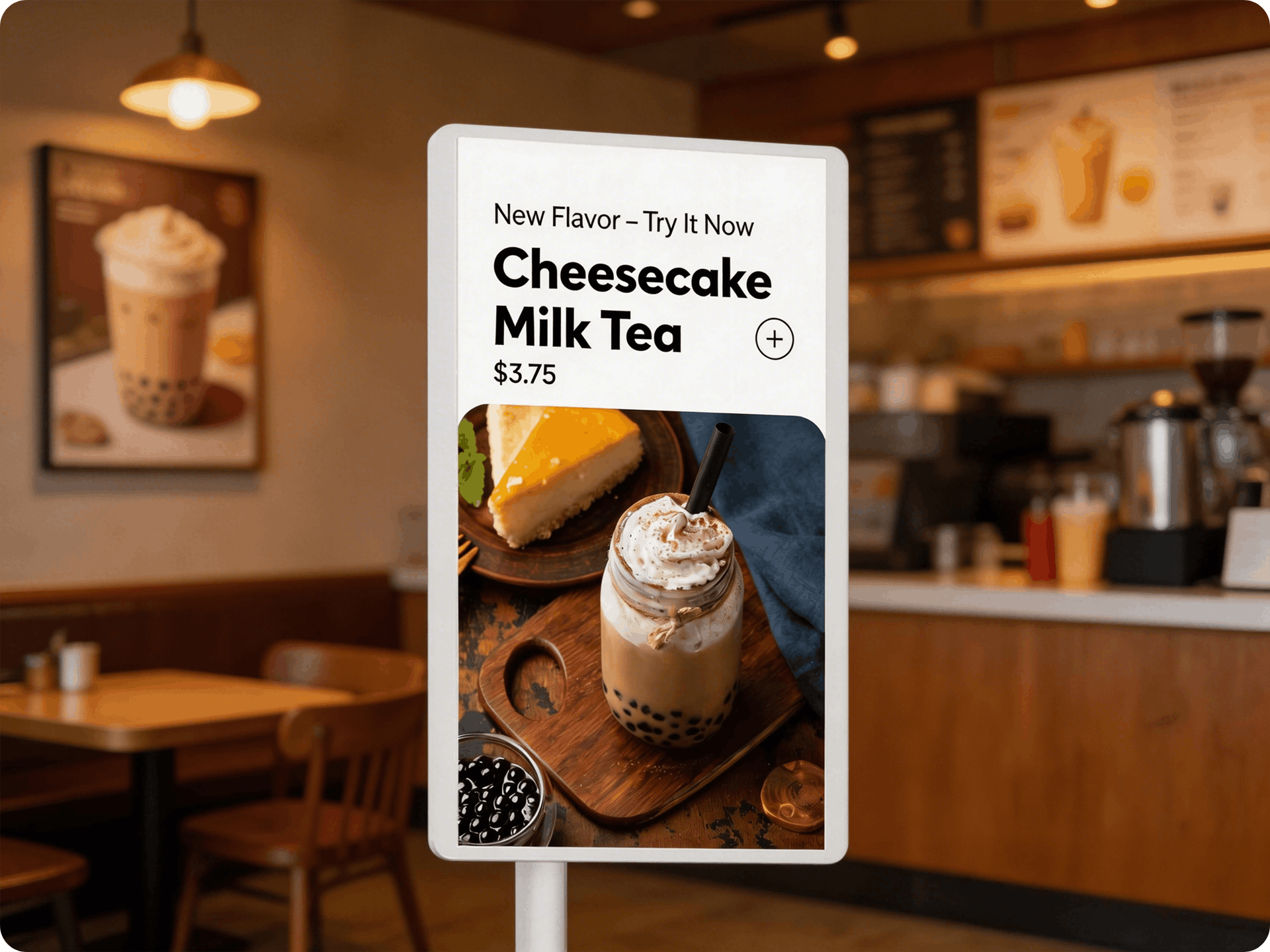
Limited-time offers give customers a reason to order now instead of later. They also help you promote seasonal items, test new menu ideas, and increase traffic during slower periods.
You can create offers around:
Keep the offer clear. For example, “Free drink with any chicken combo this weekend” works better than a promotion with too many conditions. Promote the same offer across your website, social media, in-store displays, online ordering menu, and delivery channels so customers see it multiple times.
A loyalty program gives customers a reason to keep choosing your restaurant. It also helps you build a customer list that you can use for future promotions.
You can reward customers with:
Keep the reward easy to understand. If customers can quickly see what they earn and how to redeem it, they are more likely to join and return.
Use loyalty data to identify your regulars, occasional buyers, and inactive customers. Then send offers that align with their buying habits, such as a lunch coupon, a free side, a birthday deal, or a return offer.
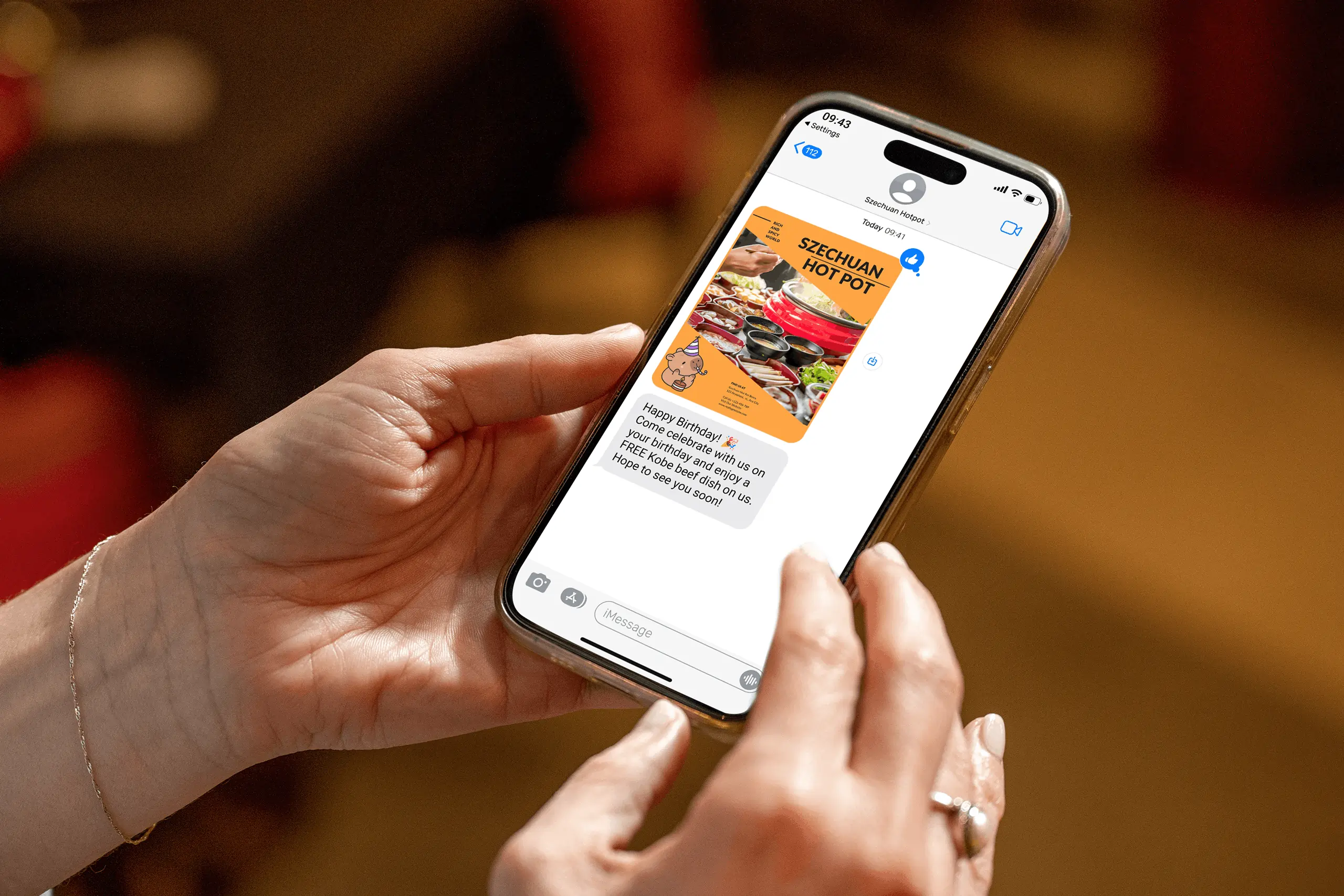
Online ordering helps you capture sales from customers who want convenience. Make your digital menu easy to browse by using clear item names, appetizing descriptions, and simple add-on options.
Promote online ordering through:
You can also create online-exclusive deals to encourage more digital orders. For example, offer a first-order discount, a free side with a meal bundle, or a special combo available only through online ordering.
Use your digital menu to raise average order value. Feature best sellers, combo upgrades, drinks, desserts, sauces, and add-ons before checkout.
Your POS data can show what sells, when customers order, and which items bring in the most revenue. Use that information to create promotions based on buying behavior.
Review reports for:
For example, if weekday lunch performs well, promote a premium lunch combo. If dinner sales need a boost, create an evening bundle. If customers often buy burgers but skip drinks, promote a meal upgrade.
You can also use customer data to send targeted offers, such as birthday rewards, lunch deals, personalized coupons, and reactivation campaigns.
Social media helps keep your restaurant visible between visits. Use it to show your food, promote offers, and build a stronger connection with local customers.
Post content such as:
Short videos work well for QSR brands because they quickly show texture, portion size, freshness, and value. You can also encourage customers to tag your restaurant and share their orders. This helps your posts reach more people in your area.
Reviews can influence where customers choose to eat. A strong review profile also helps your restaurant appear more trustworthy when people search for nearby food options.
Ask happy customers to leave reviews on:
You can add review reminders to receipts, pickup packaging, post-purchase messages, or table signs. Train your team to ask for a review after a positive customer comment.
Referrals can also bring in new guests. Offer a small reward when a customer refers a friend, shares a code, or brings a group order. Keep the reward simple, such as a discount, free drink, or free side.
Menu promotions help you earn more from each order. Instead of relying solely on discounts, promote add-ons, upgrades, and bundles that increase value for the customer and revenue for your restaurant.
Try promoting:
Train staff to suggest add-ons during ordering. Your online menu can also recommend drinks, sides, sauces, or desserts before checkout. These small prompts can raise average order value across many transactions.
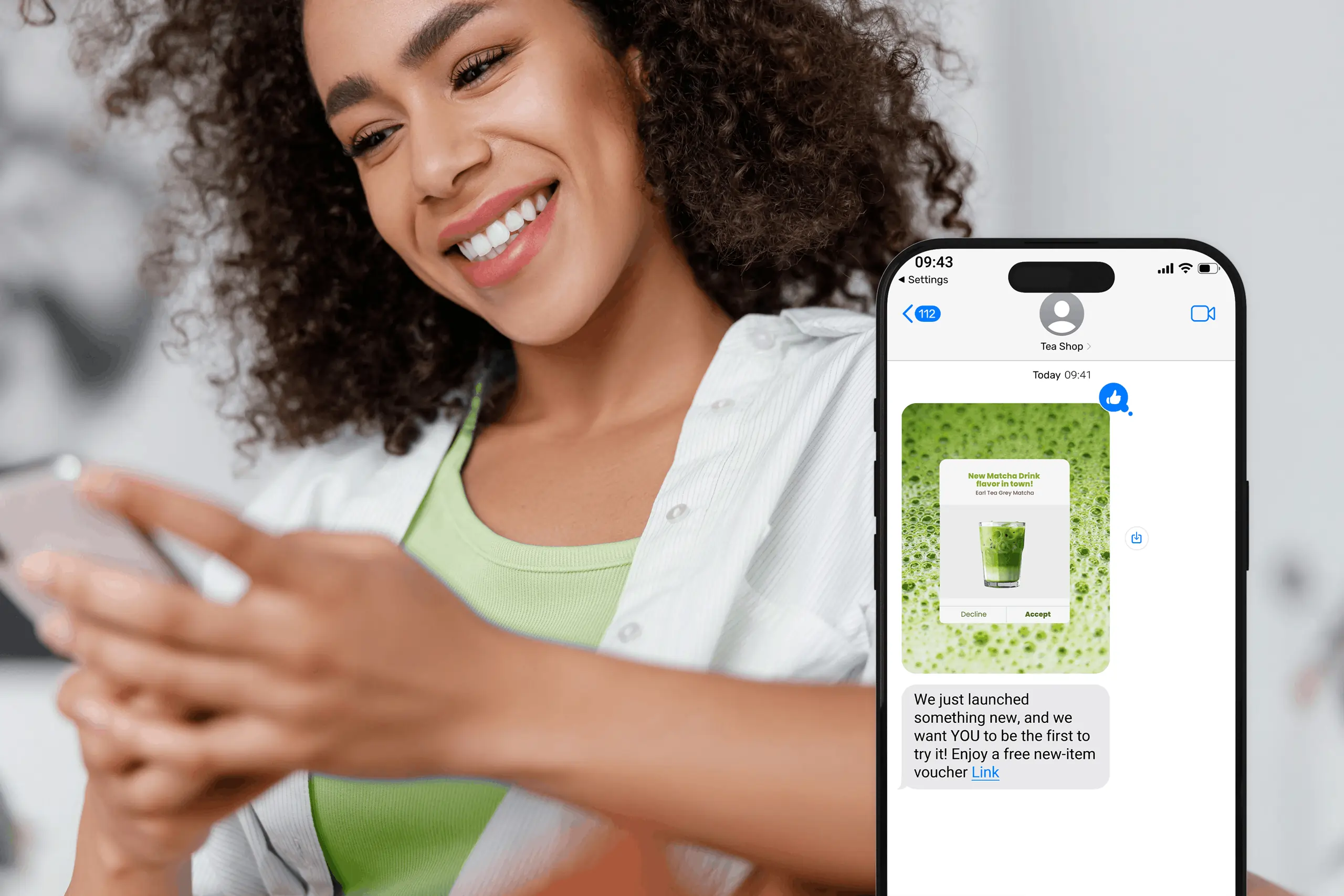
Email and SMS help you bring customers back after their first visit. Use these channels to promote offers, announce menu items, and reward loyal customers.
Use SMS for short and timely promotions, such as:
Use email for longer updates, such as:
Segment your customer list when possible. Frequent buyers, inactive customers, online ordering customers, and loyalty members may respond to different offers.
Local partnerships can help you reach groups that may order often. Look for nearby businesses and organizations that can benefit from easy meal options.
You can partner with:
Offer group meals, employee discounts, student deals, catering packages, or event bundles. These partnerships can introduce your restaurant to new customers and create larger order opportunities.

QSR marketing works best when your offers are clear, easy to act on, and tied to sales goals. Use these best practices to keep your campaigns practical and easier to measure.
Customers should know what the offer is, how to get it, and when it ends within a few seconds. A clear deal helps them act faster.
Use simple offers such as:
Avoid long terms, too many exclusions, or unclear redemption steps. If customers need to read several lines to understand the offer, simplify it.
Your marketing should make ordering feel easy. A smoother QSR experience can help customers move from seeing an offer to placing an order, paying, and picking up food with fewer steps.
Promote the channels that help customers buy quickly, such as online ordering, QR ordering, delivery, pickup, kiosks, and contactless payments. Make these options visible on your website, social media pages, in-store signs, receipts, and packaging.
For example, you can add a QR code that leads directly to your online menu or promote a pickup-only deal during lunch hours.
The easier it is to order, pay, and pick up food, the more likely customers are to return.
Every promotion should connect to a result you can measure. Track sales, order volume, average order value, redemption rates, repeat visits, and online orders.
Your POS reports can show which offers drive revenue and which ones need changes. For example, a discount may bring in more orders but lower profit. A bundle may raise average order value and perform better over time.
Review results after each campaign so you can repeat the offers that perform well and adjust the ones that fall short.
Avoid sending the same offer to every customer. Different customers order at different times, choose different items, and respond to different deals.
Use purchase history, visit frequency, and order preferences to create more relevant promotions. For example:
Relevant offers feel more useful, which can lead to better response rates and more repeat visits.
Customers should see the same message wherever they find your restaurant. Keep your offer details, menu descriptions, visuals, pricing, and tone consistent across your website, social media, delivery apps, online ordering menu, and in-store materials.
If you promote a limited-time combo online, your staff, menu board, and pickup area should reflect the same offer. Consistency helps customers recognize the deal quickly and avoids confusion at checkout.
Marketing improves when you test, review, and adjust. Try different offers, channels, timing, menu bundles, and customer groups.
You can test:
Compare the results, keep the strongest campaigns, and refine the rest. Small changes can lead to better sales, higher order values, and more repeat customers over time.
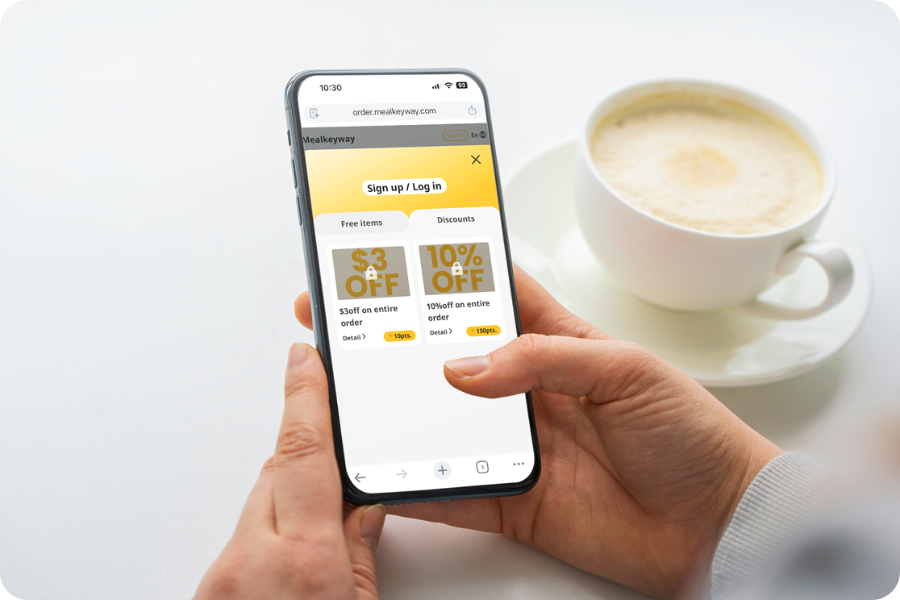
The best QSR marketing strategies connect your menu, offers, customer data, and ordering channels. When you track what customers buy and how they order, you can promote the right deals, grow repeat visits, and increase order value with less wasted effort.
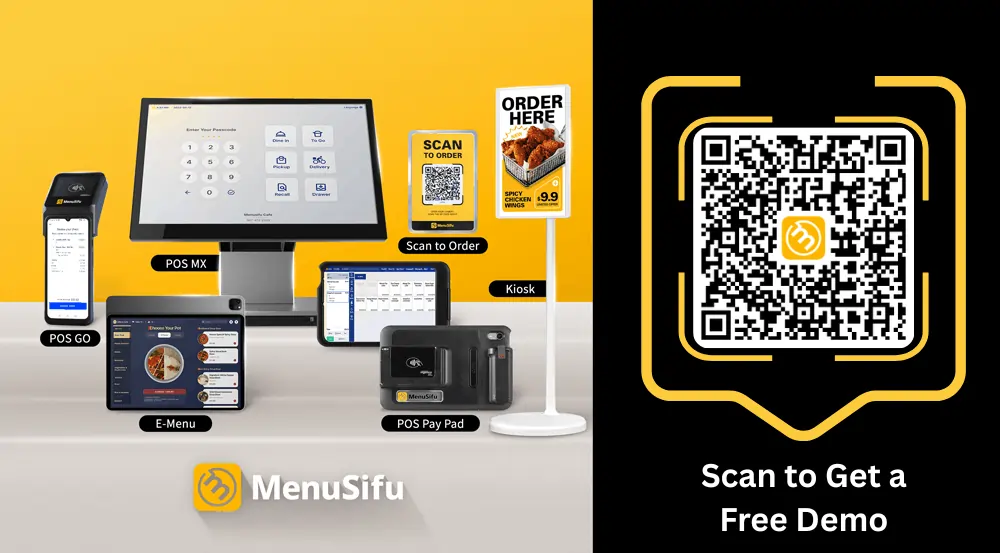
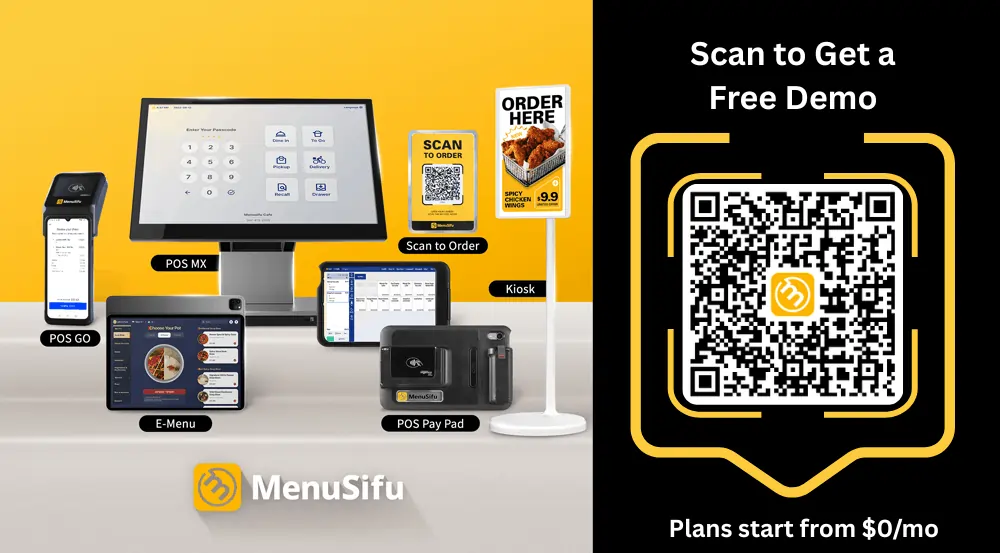
A quick service restaurant POS system can help you put these strategies into action. MenuSifu helps you manage online, kiosk, delivery, and in-store orders in one place, launch promotions with ready-to-use templates, update menu availability in real time, and use SMS marketing with member targeting to send more relevant coupons.
MenuSifu also supports smoother order flow through Kitchen Display Systems (KDS), pickup screens, reliable offline mode, and AI-assisted phone ordering. These tools help your team handle higher order volume while keeping promotions and customer data connected.
Start turning your marketing efforts into measurable sales. Book a Free Demo with MenuSifu today.
Use these FAQs to clarify common QSR marketing terms and planning methods. Each answer can help you shape stronger campaigns for your restaurant.
The 3-3-3 rule in marketing is a simple planning framework that helps keep campaigns focused. For quick service restaurant marketing, you can apply it by choosing three clear messages, three customer groups, and three channels, such as in-store signs, social media, and SMS. This helps you promote offers clearly and reach customers where they are most likely to act.
Common QSR marketing strategies include local store promotions, limited-time offers, loyalty programs, online ordering deals, delivery campaigns, social media content, customer reviews, referrals, menu bundles, email campaigns, SMS offers, and partnerships with nearby businesses. Use POS data to track sales, identify customer habits, and send relevant offers that help increase repeat visits and revenue.
QSR means quick service restaurant in marketing. QSR marketing focuses on promoting restaurants that serve customers quickly, such as burger shops, pizza stores, coffee shops, and fast-casual restaurants. It helps attract new customers, increase repeat visits, promote menu items, and grow sales through local campaigns, loyalty programs, online ordering, social media, and customer offers.
For more practical restaurant growth ideas, check out our blog section for more insights and updates.
Related Articles: