April 17, 2026
Want to know how much do boba shop owners make? See average income, monthly and yearly sales, profit margins, and the key factors that shape what you keep.

If you want to know how much boba shop owners make, start by looking past top-line sales. A busy shop can still leave you with less than expected once rent, labor, ingredients, delivery fees, and other costs take their share.
That gap between total sales and take-home income is what shapes owner earnings. A shop may bring in strong revenue, but your final income depends on how much profit stays in the business after expenses.
So how much can your shop actually put back into your pocket each month? In this guide, you will get a clear look at owner income, monthly and yearly sales, profit, and the key factors that shape what you keep. By the end, you will have a better sense of what a boba shop can earn and what can help raise that number over time.

Boba shop owners can earn anywhere from a modest monthly income to a strong full-time profit. According to 7shifts, a single-location shop in a small town may bring in about $2,000 to $5,000 a month for the owner, while a busy urban store or high-traffic franchise location can reach $10,000 to $20,000 or more. Toast also shares a sample in which a shop doing $40,000 in monthly sales at a 15% net margin would keep about $6,000 a month, or $72,000 a year.
Your take-home pay depends on what remains after rent, payroll, ingredients, delivery fees, software, taxes, and loan payments. That is why two shops with similar sales can leave their owners with very different income. Revenue tells you how much the shop brings in. Owner income tells you how much stays with you.
To answer that, start with sales, not profit. Some boba shops bring in modest monthly revenue, while others post much stronger numbers in busy trade areas. Many mid- to high-performing shops sell about 150 to 400 drinks a day at an average price of $5 to $6, which works out to roughly $22,500 to $72,000 in monthly revenue before expenses. Toast gives a middle benchmark of about $40,000 a month.
That range depends on store size, traffic, and location. A small neighborhood shop with lighter foot traffic will likely land near the lower end. A store near schools, offices, or dense retail can move far more cups. Pricing also shifts the result. If your menu includes profitable add-ons, strong combo sales, and higher-value drinks, your revenue can climb even if traffic stays about the same.
Monthly sales give you a clearer view of how your shop is performing day to day. They show how much money comes through the door before you subtract rent, labor, ingredients, packaging, and delivery fees.
As a rough planning range, many single-location boba shops can fall somewhere around $20,000 to $50,000 a month, while stronger high-traffic stores can go well beyond that. Toast uses $40,000 a month as one sample benchmark for a boba shop, or about $1,400 a day. Another 2025 industry estimate places monthly revenue for one boba shop at roughly $22,500 to $72,000, especially in larger markets.
Your monthly sales usually rise or fall based on a few key factors:
That is why one shop may post modest monthly sales while another brings in much more with a similar menu. Once you know your monthly range, you can estimate yearly revenue more accurately and see how much of those sales may turn into profit.
Annual revenue starts with your average monthly sales. A simple estimate gives you a solid baseline:
That said, annual sales rarely stay flat from month to month. A shop in a busy retail area may bring in more than one in a quieter location. Store format also plays a role. A takeout-focused shop, a shop with strong online ordering, and a high-traffic dine-in location may all post different yearly totals.
Your final number also depends on menu pricing, repeat business, seasonal demand, and daily order volume. So while monthly sales give you a starting point, your full-year total gives you a better view of how your shop performs over time.
Now that you have a baseline for yearly sales, the next step is to look at what actually shapes your take-home income.
Your income depends on more than daily sales. A busy shop can still bring home less if costs stay high, while a smaller shop can keep more by controlling expenses and keeping operations tight.
Here are the main factors that shape what you take home:
1. Location
A strong location can bring in steady foot traffic and repeat customers. Shops near schools, offices, shopping centers, or busy streets often have a better shot at higher sales.
2. Rent
High rent can eat into profit quickly. A prime spot may boost traffic, but the extra sales need to cover the added cost.
3. Labor costs
Payroll takes a large share of revenue. If you overstaff slow shifts or deal with frequent remakes, your labor cost can climb fast.
4. Ingredient costs
Tea, milk, toppings, syrups, cups, and lids all add up. Price changes from suppliers, waste, and poor portion control can shrink your margins.
5. Pricing
Your pricing needs to cover costs and leave room for profit. If prices are too low, strong sales may still leave little income at the end of the month.
6. Order volume
More orders usually lead to more revenue, but only if your team can keep up and your costs stay under control. A steady stream of orders also helps spread fixed costs across more sales.
7. Delivery fees
Third-party delivery can expand your reach, but app commissions and related fees can cut into profit. If delivery makes up a large share of sales, those charges can add up fast.
8. Operating efficiency
Efficient shops tend to keep more of what they earn. Faster order flow, accurate drink prep, better inventory tracking, and smoother staff coordination can help reduce waste, control labor, and protect profit.
These factors explain why strong sales do not always lead to strong owner income. Your income does not come from sales alone. It comes from how well your shop turns revenue into profit.

Profit is the money your shop keeps after you pay for ingredients, labor, rent, utilities, packaging, delivery fees, software, and marketing. Profit margin is the percentage of sales you keep after those costs.
Here is a simple way to look at it:
Let’s say your shop earns $40,000 per month. If your profit margin is 10%, you keep $4,000. If costs rise and your margin drops to 5%, you keep only $2,000. Sales stayed the same, but your take-home income changed a lot.
That is why profit has a bigger effect on owner income than sales alone. A busy shop can still keep very little if waste is high, labor runs too heavy, or pricing is too low. A shop with solid cost control can keep more from every order and build a healthier business over time.
Your store format affects how much control you keep and how much income stays in the business. Independent shops and franchise locations can both perform well, but they earn in different ways.
An independent boba shop gives you more control over your menu, pricing, promotions, and brand. You can test new drinks, adjust prices faster, and keep more of each sale because you do not pay franchise royalties. The tradeoff is that you build your name from the ground up, so traffic may take longer to grow.
A franchise gives you a known brand, a set operating model, and built-in marketing support. That can help you attract customers faster, especially in busy markets. But franchise fees, royalty payments, and required vendor costs can reduce your take-home income even when sales look strong.
Here is the simplest way to compare them:
If you want more freedom over pricing and profit, an independent shop gives you more room to shape the business your way. If you want a brand with an established system, a franchise can offer a quicker start, but you need to plan for the added costs.
If you want to earn more from your shop, focus on a few habits that lift sales and protect profit at the same time. Start with the basics, track what works, and build from there.
Help customers add one more item to each order. Offer topping add-ons, size upgrades, snack pairings, and drink bundles that fit the order naturally. Clear menu prompts at the counter, kiosk, or online ordering page can lift spend per visit.
Waste cuts into profit quickly. Track ingredient use, watch slow-moving items, and keep prep levels close to demand. When you know which drinks sell best and which items sit too long, you can order smarter and trim avoidable loss.
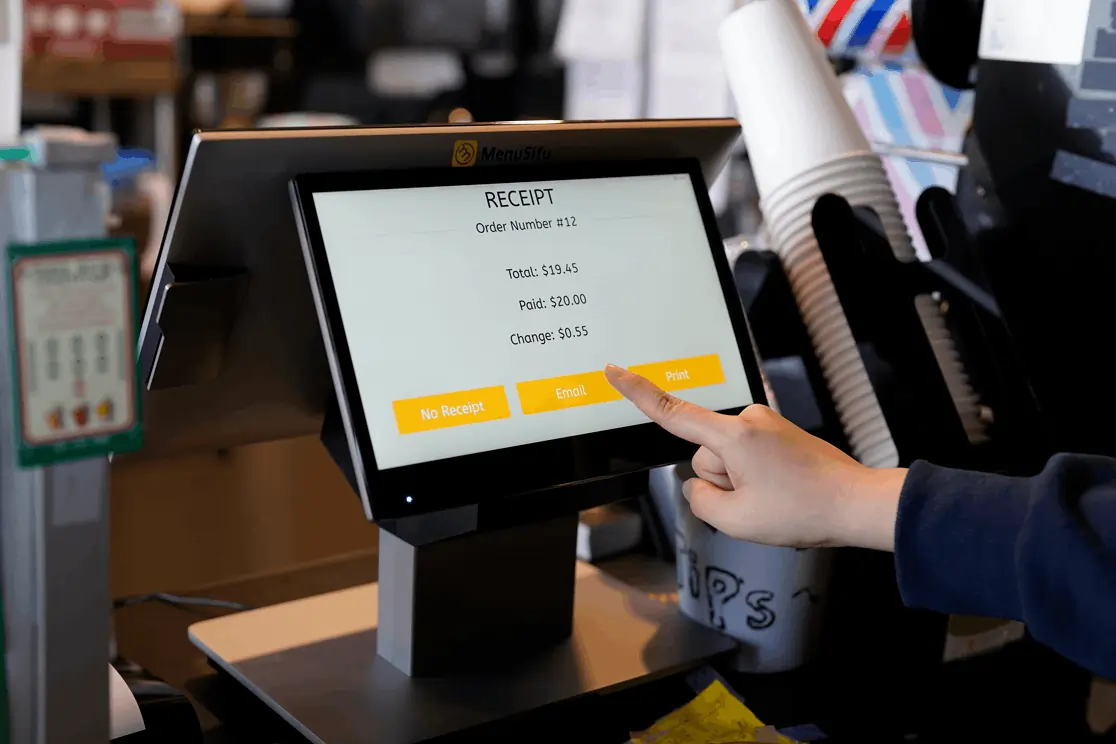
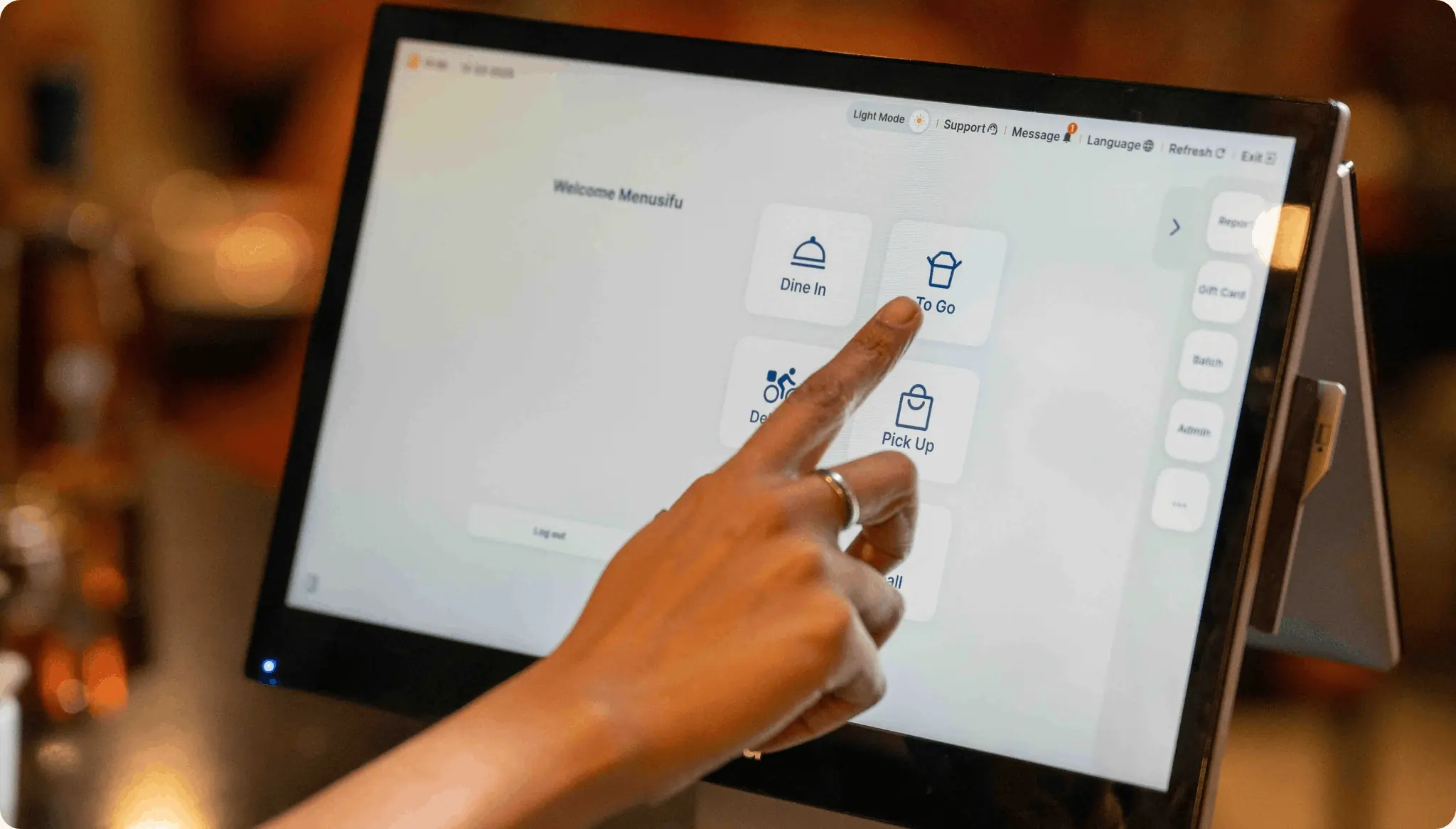
Keep your team focused on tasks that move orders out faster. Self-order kiosks, QR ordering, and a well-set POS can take pressure off the counter and free up staff for drink prep and pickup. A smoother workflow also helps reduce order errors and remakes.
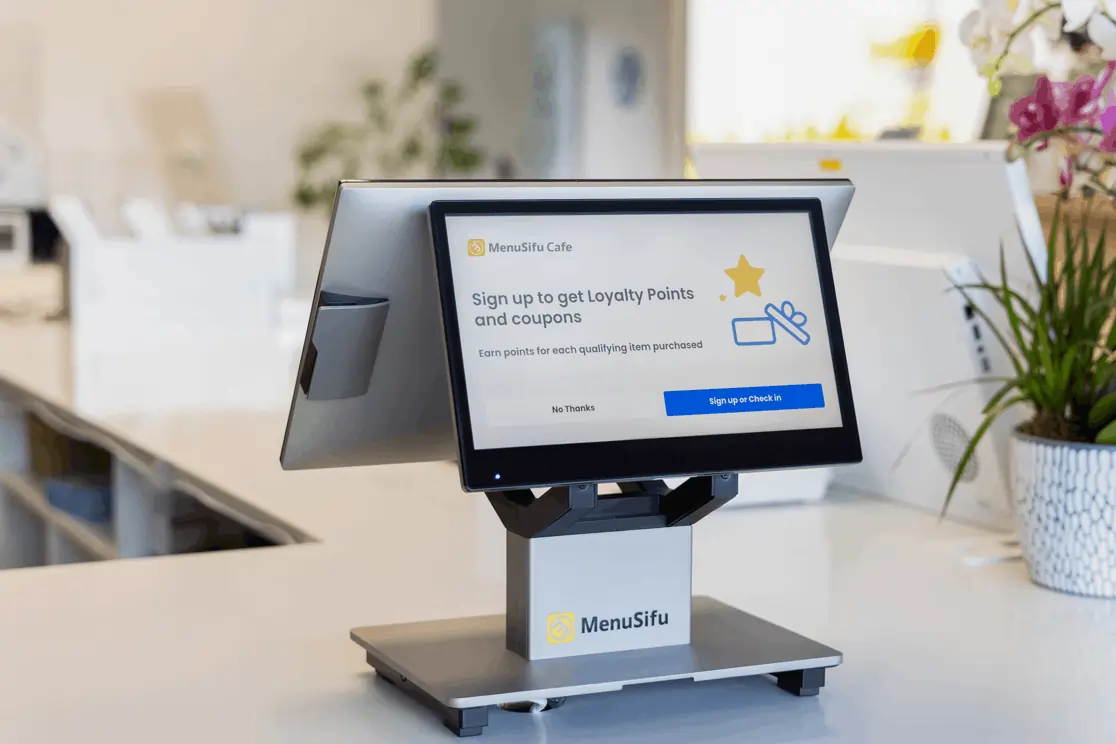
A return customer often costs less to win than a new one. Loyalty points, birthday rewards, stored-value accounts, and limited offers can bring people back more often. Consistent quality and quick pickup also give customers a reason to choose your shop again.
Good data helps you spot sales trends early. Watch top-selling drinks, peak hours, labor costs, modifier trends, and promo results so you can adjust pricing, staffing, and purchasing with a clear plan. A bubble tea POS system that connects in-store orders, online orders, loyalty, and pickup can make that process much easier.
Small changes in these areas can add up over time. When your shop sells a little more, wastes a little less, and runs a little smoother, earnings usually improve.
Boba shop owner income depends on more than sales alone. Your final take-home pay reflects how well your shop turns daily orders into steady profit. When you price well, control costs, keep orders moving, and bring customers back, your shop has a stronger chance to keep more from each sale.
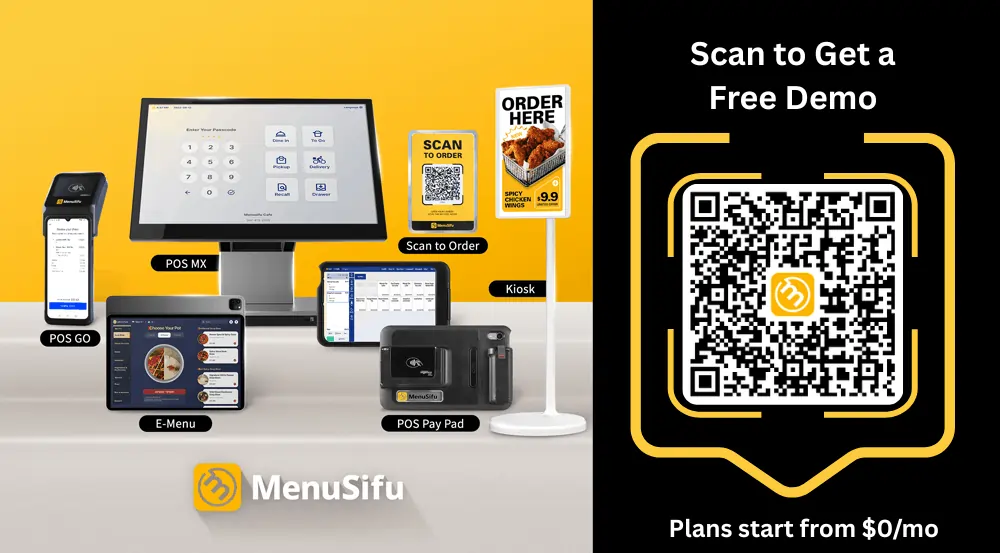
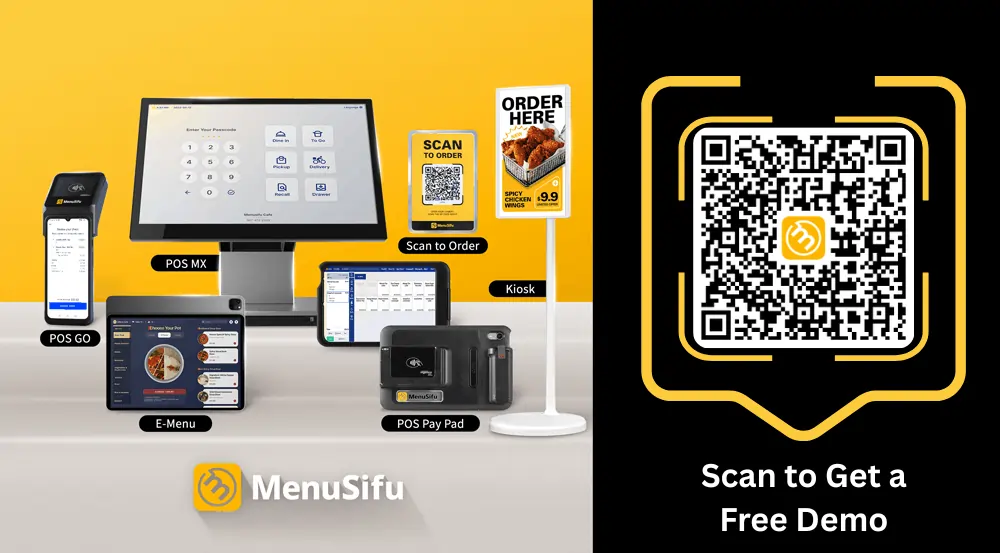
If you want better control over that process, MenuSifu offers a bubble tea POS system built for high-volume drink shops. It connects counter ordering, kiosk ordering, and online orders in one platform, supports detailed drink customizations like sugar and ice levels, and gives you reporting tools that help you track sales, labor, and top-selling items. MenuSifu also integrates with automated boba machines and pickup screens, helping your team move orders from checkout to drink prep to handoff with better speed and accuracy.
Book a Free Demo with MenuSifu today to see how the right system can help your shop protect profit and grow with less manual work.
Here are quick answers to common boba shop questions so you can size up demand, profit potential, and top-selling drinks. Use this section to compare trends, plan your next steps, and make sharper business decisions.
No. Boba still shows strong demand, and recent market reports project continued growth. Fortune Business Insights forecasts the global bubble tea market to grow from $2.83 billion in 2025 to $4.78 billion by 2032, and Grand View Research also projects continued growth through 2033.
Yes, opening a boba shop can pay off if you choose the right location, control costs, and build steady repeat traffic. Shops with strong pricing, efficient operations, and a menu that sells well usually have a better shot at healthy profit. Success depends on how well you manage rent, labor, ingredients, and daily sales.
Classic black milk tea with tapioca pearls is usually the most ordered bubble tea. Market reports show milk-based drinks lead bubble tea sales and black tea holds the largest share among tea bases, while industry rankings place black milk tea at the top.
For more practical tips and updates on pricing, operations, and bubble tea shop tech, check out our blog section.
DISCLAIMER: The figures and examples in this article are for general informational purposes only. Actual boba shop revenue, profit, and owner income can vary based on location, rent, labor, pricing, competition, business model, and day-to-day operations. Use this guide as a starting point, and review your own costs, market conditions, and financial data before making business decisions.