给餐厅起名字并不容易。一个好的名字既要让人印象深刻,又要符合餐厅定位,同时还要方便后续打造品牌。
下面整理了 320+ 个中餐厅名字灵感,涵盖传统风格、现代风格、高端餐饮、地方菜系、外卖、配送以及幽灵厨房等不同方向。
你可以先从下面的分类中寻找灵感,再结合菜单、服务模式、所在区域和品牌定位,筛选出更适合自己餐厅的名字。
中餐厅名字灵感
餐厅名字往往是顾客认识品牌的第一步,也会影响他们对菜品和用餐体验的第一印象。
如果经营的是传统中餐厅,可以选择更有文化感、经典感的名字;如果以外卖为主,则更适合简洁、好记、方便搜索的名称。
建议先从最符合餐厅定位的类别开始,再尝试组合不同的词汇和主题,逐步找到既有特色、又能体现品牌方向的名字。
传统中餐厅名字灵感
传统风格的名字可以突出中华饮食文化、经典菜式、家庭传承和地域特色。
“花园”“阁”“灯笼”“玉”“莲花”等常见意象,能够营造出更有传统气息、稳重且容易被顾客接受的品牌形象。
名字示例:
- Golden Pavilion
- Jade Garden House
- Red Lantern Kitchen
- Imperial Lotus
- Golden Bamboo
- Jade Dynasty
- Lucky Phoenix
- Pearl Garden
- Golden Pagoda
- Lotus Court
- Jade Palace
- Bamboo Pavilion
- Imperial Garden
- Red Phoenix House
- Golden Lotus Kitchen
- Pearl Dragon
- Harmony Garden
- Jade Lantern
- Fortune Pavilion
- Plum Blossom House
现代中餐厅名字灵感
现代中餐厅通常更适合简洁、利落的名字。
较短的名称也更方便应用在门头、菜单、官网、社交媒体账号和在线点餐平台上,有利于建立统一的品牌形象。
名字示例:
- Wokline
- Jade & Co.
- Red Bowl
- Ember Wok
- Noodle Edit
- Rice Theory
- Lotus Social
- Wok District
- Bamboo & Steam
- Chop & Steam
- Bao Studio
- Wok Society
- Jade Table
- Red Chop
- Steam House
- Rice Room
- Wok & Fold
- Lotus Kitchen Co.
- Bao Collective
- Noodle Assembly
独特中餐厅名字灵感
如果希望餐厅在本地市场中更有辨识度,可以尝试一些不那么常见的组合。
从食材、口感、颜色、自然意象,甚至餐厅背后的故事出发,都可能帮助你打造更有个性的品牌名称。
名字示例:
- Moonlit Wok
- Silk & Steam
- Copper Lotus
- Lantern & Plum
- Jade Sparrow
- Plum & Pepper
- Bamboo Moon
- Golden Thread Kitchen
- Porcelain Bowl
- Tea Smoke
- Lotus Ember
- Crimson Bamboo
- Ginger Moon
- Silk Bowl
- Pepper Blossom
- Jade Orchard
- Steam & Stone
- Red Plum Kitchen
- Moon Gate Dining
- Five Spice Table
高端中餐厅名字灵感
高端中餐厅的名字应当更有质感,同时方便应用在门头、菜单、预订页面和其他品牌物料上。
简洁、克制、带有精致感的词汇组合,通常更适合高端餐饮定位。
名字示例:
- Jade Reserve
- Imperial Pearl
- The Lotus Room
- Golden Peony
- Pavilion 88
- Silk House
- The Jade Salon
- Pearl Court
- Celestial Garden
- Imperial Ember
- Crimson Room
- Peony House
- Jade Terrace
- The Gilded Pavilion
- Lotus Reserve
- Silk Pavilion
- Silk Reserve
- Pearl & Jade
- Golden Orchid
- The Porcelain Room
好记又吸睛的中餐厅名字灵感
一个有记忆点的餐厅名字,最好读起来顺口,也方便顾客快速记住和分享。
建议优先考虑简短、有节奏感的名字,这类名称也更适合门店招牌、社交媒体账号、外卖包装和线上平台展示。
名字示例:
- Wok Rush
- Bao Now
- Noodle Up
- Wok Stop
- Lucky Bowl
- Chop Chop Kitchen
- Wok & Roll
- Bao House
- Rice Rush
- Bao Beat
- Noodle Joy
- Happy Bao
- Lucky Wok
- Rice & Spice
- Bao Box
- Wok Spot
- Noodle Nest
- Red Bowl Co.
- Dumpling Drop
- Wok Pop
有趣的中餐厅名字灵感
如果你的餐厅定位比较轻松、年轻,或者主打街头小吃、外卖等场景,可以尝试更有趣、更有玩梗感的名字。
不过,幽默最好和餐饮本身有关,同时确保顾客容易理解,也不会让人觉得冒犯或难以接受。
名字示例:
- Wok Around
- Bao Down
- Wok Star Kitchen
- Rice to Meet You
- Bao Chicka Bao Bao
- Wok and Loaded
- Wok Side Story
- Rice & Shine Kitchen
- Wok This Way
- Wok Around the Clock
- Wok the Line
- Wonton in a Million
- Wonton Upon a Time
- Bao to the Future
- Bao Wow
- Dim Sum and Then Some
- Noodle You Later
- No Wok, No Life
- Wok Me Up
- Wok of Fame
中餐外卖店名字灵感
以外卖为主的餐厅,名字最好能让顾客在门头、搜索结果和点餐平台上一眼认出来。
使用简单、直接、与食物或外带场景有关的词汇,也能让顾客快速理解餐厅主营业务。
名字示例:
- Golden Wok Takeout
- Lucky Box Kitchen
- Jade To Go
- Wok Express Kitchen
- Red Lantern To Go
- Bamboo Box
- Rice Box Kitchen
- Wok & Go
- Golden Bowl Takeout
- Lotus Express
- Jade Box Kitchen
- Lucky Wok Express
- Red Bowl Takeout
- Bamboo Express
- Wok Box
- Dragon Box
- Rice House Express
- Golden Wok Box
- Lotus Box
- Quick Wok Kitchen
中式街头小吃店名字灵感
街头小吃类品牌通常更适合活泼、轻松、突出食物本身的名称。
如果主打饺子、包子、面条、串串或小吃,可以直接围绕这些核心产品来设计名字。
名字示例:
- Lantern Street Kitchen
- Bao Alley
- Noodle Lane
- Dumpling Street
- Wok Corner
- Red Alley Kitchen
- Steam Street
- Bamboo Lane
- Bao Market
- Noodle Yard
- Street Wok
- Dumpling District
- Pepper Alley
- Wok Market
- Steam & Skewer
- Lantern Lane
- Bao Street Kitchen
- Noodle Corner
- Night Market Kitchen
- Wok Alley
点心餐厅名字灵感
点心餐厅可以从茶文化、竹蒸笼、饺子、分享式用餐等元素中寻找灵感。
无论你想打造轻松的茶楼,还是更精致的点心餐厅,都可以根据整体氛围选择相应的命名方向。
名字示例:
- Jade Teahouse
- Golden Dumpling
- Lotus Dim Sum
- Bamboo Steamer
- Pearl Teahouse
- Dim Sum Garden
- Red Teapot
- Jade Basket
- Steam & Tea
- Golden Steamer
- Lotus Basket
- Tea & Dumpling
- Pearl Steamer
- Bamboo Teahouse
- Dim Sum Pavilion
- Jade Dumpling House
- Golden Tea Room
- Steam Basket Kitchen
- Red Lantern Dim Sum
- Lotus Tea Kitchen
中式面馆名字灵感
面馆的名字可以直接围绕“面”“汤”“碗”“手工拉面”等元素展开。
清晰的产品关键词也有助于顾客快速判断餐厅主营品类。
名字示例:
- Noodle House 88
- Red Bowl Noodles
- Golden Noodle Co.
- Jade Noodle House
- Hand-Pulled Noodle Co.
- Noodle Lantern
- Bamboo Noodles
- Long Noodle House
- Broth & Bowl
- Noodle Pavilion
- Lucky Noodle
- Silk Noodle House
- Noodle Garden
- Golden Broth
- Jade Bowl Noodles
- Noodle Workshop
- Red Lantern Noodles
- Steam Noodle Co.
- Noodle Table
- Endless Noodle Kitchen
川菜馆名字灵感
川菜拥有非常鲜明的风味特色,因此命名时可以从辣椒、花椒、麻辣风味,以及成都等地域元素中寻找灵感。
一个明确体现地方菜系的名字,也能让顾客在看到菜单之前,就大致了解餐厅提供什么类型的中餐。
名字示例:
- Red Pepper Sichuan
- Sichuan Garden
- Peppercorn House
- Chengdu Table
- Sichuan Ember
- Red Chili Pavilion
- Chengdu Kitchen
- Sichuan Bowl
- Pepper Bloom
- Mala House
- Red Pepper Table
- Chengdu Garden
- Sichuan Spice Kitchen
- Mala Pavilion
- Peppercorn Kitchen
- Sichuan Flame
- Red Chili House
- Chengdu Bowl
- Mala Table
- Sichuan Red
粤菜馆名字灵感
粤菜餐厅可以从烧味、海鲜、茶文化、点心,以及珠江地区等元素中寻找命名灵感。
具体用词最好与你计划主打的菜品和用餐模式保持一致。
名字示例:
- Canton Roast Kitchen
- Canton Garden
- Golden Harbor
- Jade Harbor
- Canton Pavilion
- Pearl River Kitchen
- Golden Roast House
- Canton Table
- Harbor Dim Sum
- Jade Roast House
- Pearl Garden Cantonese
- Canton Tea House
- Golden Harbor Kitchen
- Jade Harbor Cantonese Kitchen
- Canton Court
- Pearl River Table
- Harbor Roast House
- Canton Lotus House
- Golden Canton Kitchen
- Jade Harbor Dining
湘菜馆名字灵感
湘菜可以从辣椒、烟熏风味、浓郁口味和地方饮食文化中寻找命名灵感。
如果名字中能够明确体现湖南或湘菜特色,也能帮助顾客更快建立对餐厅风格的预期。
名字示例:
- Hunan Pepper House
- Hunan Garden
- Red Hunan Kitchen
- Hunan Table
- Hunan Spice House
- Golden Hunan Kitchen
- Hunan Bowl
- Hunan Ember Kitchen
- Hunan Pavilion
- Red Chili Hunan
- Hunan Smoke Kitchen
- Hunan Harvest
- Hunan Flame
- Jade Hunan House
- Smoked Chili Kitchen
- Hunan Kitchen 88
- Hunan Red Pepper
- Hunan Wok House
- Hunan Lotus
- Hunan Spice Table
上海菜餐厅名字灵感
上海风格的餐厅名字可以从本帮菜、点心、面食、红烧菜,以及上海本地特色中寻找灵感。
根据品牌定位不同,可以选择更传统、现代或精致的命名方式。
名字示例:
- Shanghai Pearl
- Shanghai Garden
- Shanghai Jade House
- Shanghai Table
- Golden Shanghai Kitchen
- Shanghai House
- Pearl City Kitchen
- Shanghai Pavilion
- Shanghai Lantern
- Jade River Kitchen
- Shanghai Dumpling House
- Golden Bund Kitchen
- Shanghai Tea Room
- Pearl Bund
- Shanghai Lotus
- Jade Bund
- Shanghai Kitchen 88
- Bund House
- Shanghai Moon
- Pearl Bund House
中餐配送品牌名字灵感
以配送为主的餐厅,名字最好简洁、醒目,尤其要考虑它在手机屏幕和外卖平台中的展示效果。
围绕饭碗、餐盒、面条、饺子或快速配送等关键词来命名,可以帮助顾客更快理解你的业务模式。
名字示例:
- Wok Drop
- Lucky Bowl Delivery
- Jade Meal Box
- Wok Delivery Co.
- Red Bowl Delivery
- Golden Box Kitchen
- Bamboo Bowl
- Wok Direct
- Rice Drop
- Bao Delivery Co.
- Noodle Drop
- Lucky Wok Delivery
- Jade Bowl Express
- Red Lantern Delivery
- Wok Box Kitchen
- Golden Bowl Express
- Dumpling Dash
- Rice Drop Kitchen
- Bao Box Delivery
- Wok at Home
中餐幽灵厨房名字灵感
幽灵厨房高度依赖线上曝光,因此简洁、容易形成品牌记忆的名字会更有优势。
可以选择能够快速体现主营菜品或品牌风格的名称,让顾客在点餐平台上更容易理解和记住。
名字示例:
- Wok Lab
- Bao Works
- Noodle Project
- Jade Kitchen Co.
- Wok Foundry
- Dumpling Works
- Rice Lab
- Red Bowl Kitchen
- Steam Works
- Bao District
- Noodle Works
- Wok Works Co.
- Jade Bowl Co.
- Dumpling Lab
- Rice Project
- Steam District
- Red Wok Co.
- Noodle District
- Bao Lab
- Wok Assembly
如何为中餐厅选择合适的名字
一个好的餐厅名字,应该与整体定位相匹配,也能让顾客快速感受到品牌风格。
当你已经整理出一份候选名单后,可以从菜系、品牌定位、目标客群和实际经营需求几个方面逐一评估,筛选出更适合长期使用的名字。
1. 从餐厅定位出发
先明确你想开一家什么样的餐厅,再考虑名字。
可以从以下几个方面入手:
例如,一家轻松休闲的饺子馆,更适合简短、有活力的名字;一家定位高端的粤菜餐厅,则可以选择更精致、克制的表达。
把餐厅定位放在前面,更容易选出与实际用餐体验一致的名字。
2. 让名字体现菜系和品牌个性
一个好的名字,可以让顾客在看到菜单之前,就对餐厅有基本印象。
与面条、饺子、点心、茶、火锅或某一地方菜系有关的词汇,都可以帮助品牌建立更清晰的识别度。
名字的语气也要与品牌体验一致。
如果是一家年轻、轻松的外卖店,可以选择更活泼、有记忆点的名字;如果是高端餐厅,则更适合简洁、稳重、有质感的表达。
3. 保持好读、好拼、好记
顾客应该能够轻松读出你的餐厅名字,也能方便地在搜索栏里输入,或者推荐给朋友。
过于复杂的拼写、太长的名称,或者让人不确定该怎么读的词,都可能增加传播难度。
建议把候选名字大声读几遍,也看看写出来是否清晰。
优先选择顾客看过或听过一次后,就比较容易记住的名字。
4. 提高名字的辨识度
正式确定名字之前,建议先查看所在区域已有的中餐厅名称。
重点留意:
- 哪些词被频繁使用
- 是否存在相似组合
- 是否容易在搜索结果中混淆
- 外卖平台和地图上是否已经有相近名称
一个有辨识度的名字,更有利于后续建立品牌。
餐厅菜系、所在社区、招牌菜、个人经历或地方特色,都可以成为命名灵感来源。
5. 给未来发展留出空间
餐厅名字最好不要把未来发展限制得太死。
如果名字过度绑定某一道菜、某一种经营模式或某一个街区,之后扩充菜单、增加配送服务,甚至开第二家店时,可能就会显得局限。
例如,如果未来可能增加面食、饭类和其他特色菜,那么一个更宽泛的品牌名,往往比只围绕“饺子”命名更有延展性。
6. 考虑名字在不同品牌场景中的呈现效果
餐厅名字不仅会出现在门头上,还会出现在很多顾客接触品牌的地方。
例如:
- 店铺招牌
- 菜单
- 外卖包装
- 配送平台
- 社交媒体账号
- 在线点餐页面
- 餐厅官网
简洁、视觉上干净的名字,通常更容易适配不同尺寸和不同媒介。
正式确定之前,可以简单测试一下名字放在菜单、手机页面和门头上的效果,看看是否清晰、协调。
7. 检查名称、域名和商标是否可用
在投入制作门头、菜单或其他品牌物料之前,最好先确认你想使用的名称是否可以合法且稳定地长期使用。
不要只检查完全相同的名字,因为过于相似的名称同样可能带来品牌混淆或法律风险。
可以重点查看:
- 当地企业注册信息
- 商标数据库
- 域名是否可注册
- 社交媒体账号是否可用
- Google Maps 和其他地图平台
- 餐厅目录
- 外卖和配送平台
不同地区的注册和命名规则可能有所不同,建议结合当地政府资源进行查询,必要时咨询专业法律人士。
越早完成这些检查,后续品牌建设就越顺利。
自己创建中餐厅名字的小技巧
如果前面的名字清单给了你一些灵感,但还没有真正满意的选项,可以从餐厅自身特点出发继续延伸。
相比单纯选择“听起来不错”的词,菜单特色、地方菜系、品牌故事和整体风格,往往能提供更有价值的命名方向。
从招牌菜或特色品类中找灵感
先想想,你最希望顾客把餐厅和哪些菜品联系在一起。
饺子、面条、点心、火锅、烧烤、烧味和茶饮,都可以成为命名切入点。
不过,名称最好保留一定延展空间。
例如,一家主打面食的餐厅,可以围绕 “noodle”“broth”“bowl” 或 “hand-pulled” 等词来构思,而不一定要直接使用某一道具体菜品的名字。
从地方菜系中寻找灵感
如果你的餐厅有明确的地域特色,可以直接从地方菜系中寻找命名方向。
川菜、粤菜、湘菜和上海菜,各自都有鲜明的食材、烹饪方式和文化背景,可以延伸出不同的品牌表达。
例如:
- 川菜可以从花椒、辣椒、麻辣或成都等元素中寻找灵感
- 上海菜可以从上海、本帮风味、点心、面食或地方文化中延伸
关键是确保名字与实际提供的菜品一致,不要让顾客产生错误预期。
加入地点、故事或个人经历
如果餐厅背后有自己的故事,也可以把这些元素融入名字。
例如:
- 家乡
- 家族经历
- 所在社区
- 学厨经历
- 对你有特别意义的地点
- 与某道菜有关的故事
个人化的名称可以让品牌更有独特性。
不过,最好确保这个名字对第一次接触餐厅的顾客来说依然容易理解、朗读和记住。
把描述性词汇与餐饮词组合起来
把两个相关词组合在一起,是快速生成餐厅名字的有效方法。
可以先选一个描述性词汇,再搭配与食物或餐饮有关的词。
例如:
- Jade + Table
- Golden + Wok
- Red + Lantern
- Bamboo + Kitchen
- Lotus + House
- Pearl + Garden
- Ember + Bowl
- Silk + Noodle
这些组合更适合作为灵感起点,而不是直接当作最终名称。
可以继续调整词序、读音和整体风格,再与附近餐厅名称进行对比。
生成属于你的中餐厅名字
还在继续找灵感?
你可以使用我们的 Chinese Restaurant Name Generator(中餐厅名字生成器),根据菜系、招牌菜、餐厅风格或地域特色,生成更多名字选项。
可以尝试不同方向,再按照前面提到的标准筛选。
Restaurant Branding Tool
Chinese Restaurant
Name Generator
Create memorable, brandable Chinese restaurant names based on your
cuisine, concept, location, and restaurant personality.
01
Describe your restaurant
Add a few details to guide your restaurant name ideas.
Restaurant personality
Cuisine focus
Name style
02
Your restaurant names
Names are creative suggestions. Check trademarks, domains, social handles,
and local business registrations before using a name commercially.
当你已经有几个比较满意的候选名字时,建议从以下几个方面做最后比较:
- 是否容易理解
- 是否符合品牌定位
- 是否可以正常注册和使用
- 是否适合长期发展
什么样的中餐厅名字更容易被记住?
一个容易被记住的中餐厅名字,通常应该让顾客容易识别、容易分享,同时与品牌体验产生联系。
在比较最终候选名字时,可以检查它是否具备以下特点:
- 容易读,也容易拼写
- 与附近餐厅有明显区别
- 与菜系和餐厅定位相关
- 符合目标顾客的偏好
- 放在门头、菜单和包装上效果好
- 在线搜索时容易找到
- 能够支持未来扩充菜单或开设更多门店
可以把这些标准作为最终筛选时的检查清单。
让品牌从一个好名字开始
一个容易记住的名字,可以帮助中餐厅建立清晰的品牌形象。
不过,随着餐厅逐步经营起来,真正决定顾客如何看待这个品牌的,还是背后的用餐体验、服务质量和运营效率。
在筹备开店时,也要选择能够支持你服务模式、菜单结构、点餐渠道和日常运营的系统。
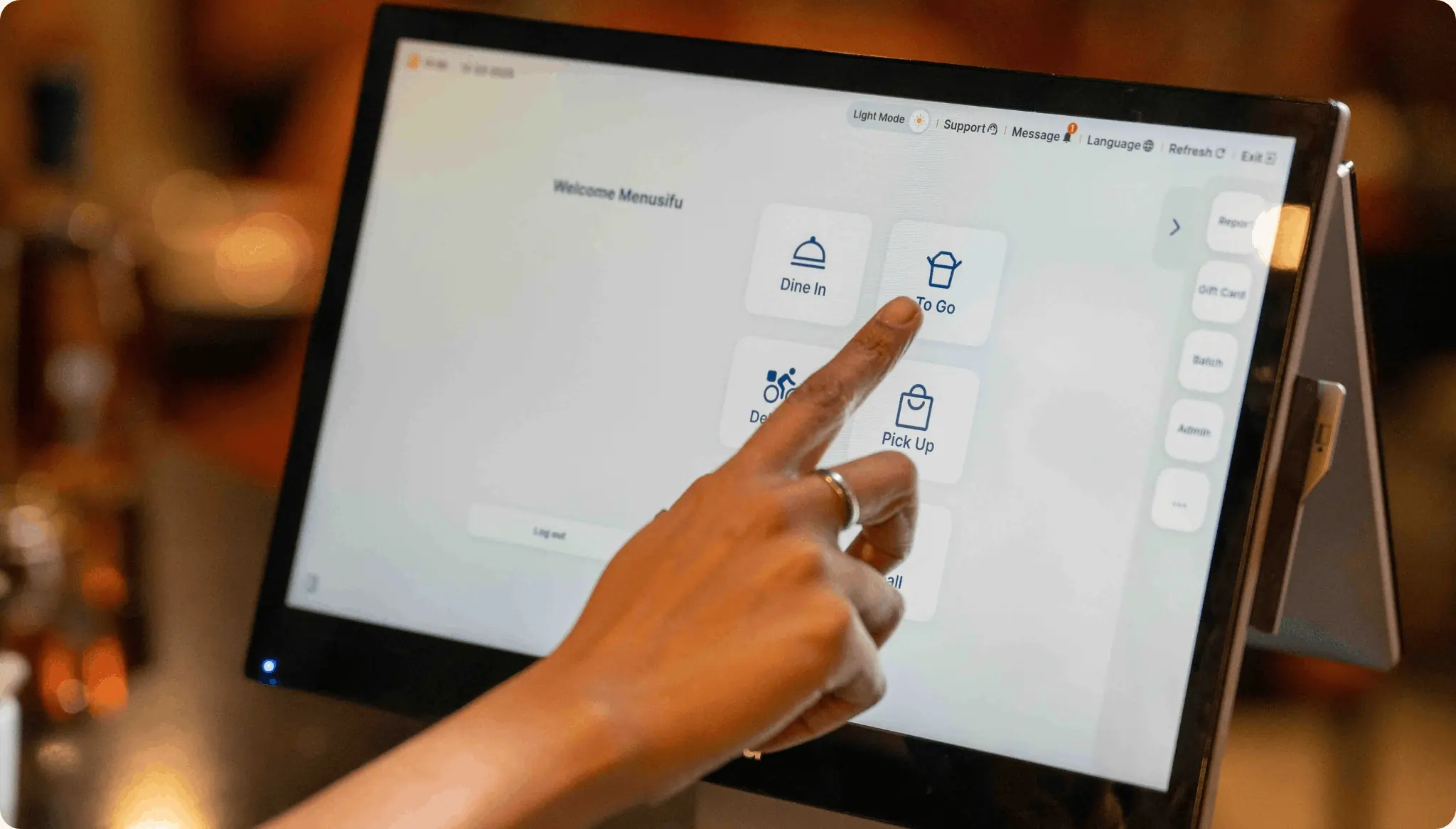
MenuSifu 提供专为中餐厅设计的 POS 系统,支持复杂菜单加料、多语言点餐、桌边服务、外带、外送平台集成、自助点餐机和后厨管理等常见需求。
无论你准备开一家全服务中餐厅、茶饮店、外卖店,还是以配送为主的餐饮品牌,都可以根据实际经营模式选择合适的系统配置。
如果你正在筹备开店并比较不同餐厅技术方案,可以 预约 MenuSifu 免费产品演示,了解哪种 POS 系统 更适合你的服务模式和经营计划。
关于中餐厅名字创意的常见问题
给餐厅起名字时,很多经营者都会遇到品牌定位、原创性和名称可用性等实际问题。
下面整理了几个常见问题,帮助你进一步缩小选择范围。
中餐厅应该怎么取名字?
可以从菜系、餐厅定位、地域特色、招牌菜、所在区域或品牌故事开始寻找灵感。
先整理一份候选名单,再从发音、拼写、辨识度和可用性几个方面逐一比较。
正式确定之前,建议检查企业注册信息、商标、域名和社交媒体账号是否可用。
有哪些有趣的中餐厅名字?
有趣的中餐厅名字可以利用和食物相关的双关语或容易记住的词组,尤其适合比较轻松、年轻的餐饮品牌。
例如:
- Wok This Way
- Wok Around the Clock
- Wonton in a Million
- Bao Chicka Bao Bao
- Bao to the Future
- No Wok, No Life
- Rice to Meet You
- The Wok Side
选择这类名字时,要确保容易读、容易记,同时也要尊重中国文化和中餐本身。
我的中餐厅应该叫什么名字?
建议根据你准备经营的餐厅类型来选择。
例如,川菜餐厅可以从地方特色或香辣元素中寻找灵感;点心餐厅可以围绕茶、蒸笼、饺子或分享式用餐来构思。
家庭故事、所在地区、招牌菜和整体装修风格,也都可以成为命名来源。
最常见的中餐厅名字是什么?
目前并没有一个可以确定为“最常见”的单一中餐厅名字。
不过,美国中餐厅名称中经常出现这些词:
- China
- Wok
- Garden
- House
- Kitchen
- Golden
- Dragon
《Washington Post》曾分析 Yelp 上近 4 万家中餐厅名称,发现这些词是美国中餐厅名字中较常出现的元素之一。
想了解更多餐厅品牌、运营、技术和管理相关内容,可以访问 MenuSifu Blog,查看最新行业指南和实用建议。
相关文章: