April 18, 2026

What Is Boba? What Is Boba Tea? What Is Boba Made Of?

What is boba, and what is boba made of? Learn the basics of boba tea, tapioca pearls, ingredients, and menu uses for drinks and desserts on your menu today.

Thinking about adding boba to your menu but still sorting out the basics? If you have searched what boba is and want to know what boba is made of, this guide gives you a clear starting point. Before you choose toppings, build drinks, or price a new category, it helps to get the basics right. 

Below, you will learn what boba is, what boba tea includes, how the pearls are made, and how boba can fit into drinks and desserts on your menu.

What Is Boba?

Boba usually refers to the small, chewy pearls served in bubble tea. Most often, these pearls are made from tapioca, which gives them their soft, springy bite. People often add them to milk teas, fruit teas, smoothies, and other specialty drinks to bring in texture and visual appeal.

In everyday use, many people also use “boba” to mean the drink itself. That is why menus, customer searches, and casual conversations often treat boba and bubble tea as the same thing.

For your menu, this distinction is useful. Boba usually points to the topping, while bubble tea refers to the full drink that may include tea, ice, sweetener, and pearls or other add-ons. Once you know that difference, it becomes easier to plan drink builds, topping options, and menu descriptions.

What Is Boba Made Of?

Traditional boba pearls are made with tapioca starch, water, and brown sugar or black sugar. Tapioca starch comes from the cassava root, and it gives boba its chewy texture after cooking. The sugar adds sweetness and gives the pearls their darker color. 

Here is the basic breakdown:

  • Tapioca starch for the chewy bite
  • Water to form the dough
  • Brown sugar or black sugar for sweetness and color
  • Optional flavoring or coloring in some varieties

If you plan to add boba to your menu, it helps to know that not all types use the same ingredients. Classic boba uses tapioca starch, while popping boba uses a different method and has a juice-filled center instead of a chewy texture. That difference affects taste, texture, and drink pairing.

What Is Boba Tea?

Boba tea is the drink, while boba is the topping. People often use the word “boba” to describe both, but it helps to separate them when you plan your menu. The drink usually starts with a tea base, then adds flavor, sweetness, ice, and pearls or other toppings.

A typical boba tea includes:

  • Tea base such as black tea, green tea, oolong tea, or jasmine tea
  • Milk or fruit flavor from dairy, non-dairy options, fruit syrups, purées, or juice
  • Sweeteners such as sugar syrup, brown sugar, honey, or flavored syrup
  • Ice to chill the drink and shape its texture and strength
  • Boba pearls or other toppings such as tapioca pearls, popping boba, crystal boba, grass jelly, pudding, or aloe

This mix gives you room to build a menu with variety. You can keep a few core bases, then change the milk, flavor, sweetness, and toppings to create several drink options from the same setup.

How Boba Pearls Are Made

Boba pearls start with a simple base of tapioca starch and hot liquid. When mixed together, they form a soft dough. From there, the process moves quickly.

  1. Mix the dough

They combine tapioca starch with hot water, and sometimes sugar, until the mixture turns smooth and pliable.

  1. Shape the pearls

They roll the dough into small balls. This step gives boba its round shape and helps the pearls cook evenly.

  1. Boil until chewy

The pearls cook in hot water until they develop that soft, chewy bite people expect from classic boba.

  1. Soak in syrup

After cooking, the pearls usually sit in a sweet syrup, often brown sugar or black sugar. This adds flavor and helps keep them soft before they go into drinks.

For your menu, this process is useful to know because texture depends on timing. Freshly cooked pearls tend to have the best chew, which can shape how you plan prep and drink assembly. 

The Most Common Types of Boba

Once you know what classic boba is made of, the next step is knowing which type fits your menu. Each option brings a different texture, look, and drink application. Here are the main ones you will see most often.

Black Tapioca Pearls

Black tapioca pearls are the standard choice for bubble tea. They have a chewy bite and a mild taste that pairs well with brown sugar, milk tea, Thai tea, and other rich drink bases.

If you want the version most customers picture first, start here. These pearls fit core menu items and help define the classic boba experience.

Crystal Boba

Crystal boba has a lighter color and a softer, less chewy bite. It often works well in fruit teas and lighter drinks where you want texture but not the heavier feel of tapioca pearls.

This option can also give your menu more variety if you want to offer a second topping with a different look and mouthfeel.

Popping Boba

Popping boba is very different from tapioca pearls. Instead of a chewy center, it holds juice inside a thin outer layer that bursts when bitten.

Shops often use it in fruit teas, lemonades, iced refreshers, and seasonal drinks. If your menu leans bright, fruity, and colorful, popping boba can add a fun contrast.

Mini Pearls

Mini pearls are smaller than standard tapioca boba. They still give drinks texture, but the sip feels lighter and easier.

They work well in drinks where you want a subtler topping or a smoother drinking experience. If your menu includes guests who want texture in a less heavy format, mini pearls can fill that gap.

A good topping mix can shape how your drinks feel and how guests build their orders. If you plan to offer boba, it helps to choose types that match your drink base, prep flow, and menu style.

What Does Boba Taste Like?

On its own, traditional boba has a mild, neutral taste. Most of the sweetness comes from the syrup the pearls soak in after cooking, which often gives them a brown sugar note. That is why boba can taste lightly sweet in one drink and richer in another.

Texture is what people notice first. Good boba feels soft, chewy, and slightly springy with each sip. For your menu, that texture adds contrast and helps drinks feel more satisfying.

How Boba Is Used in Drinks and Desserts

Boba works well beyond classic bubble tea. If you want to build variety into your menu, it gives you one ingredient category that can stretch across drinks and desserts with very little repetition.

You can use boba in several ways:

1. Milk tea

Classic tapioca pearls pair naturally with black tea, green tea, matcha, taro, and brown sugar drinks. For many shops, this is the first place to start.

2. Fruit tea

Popping boba and crystal boba fit well in fruit-forward teas like mango, passion fruit, lychee, and strawberry. They add texture and a brighter look to the drink.

3. Iced specialty drinks

Boba can also work in iced matcha, flavored milk drinks, yogurt drinks, and seasonal beverages. This gives you more room to build signature items.

4. Frozen beverages

Slushes, smoothies, and blended drinks can feel more layered with boba. Popping boba often works especially well here because it adds a juicy bite.

5. Desserts such as shaved ice or sweet bowls

Boba can move beyond the cup and onto dessert menus. Shops often use it as a topping for shaved ice, soft serve, and sweet bowls to add chew and variety.

This range gives your menu more flexibility. You can start with a few core toppings, then use them across multiple product types to build drink options, dessert add-ons, and seasonal specials.

Why Boba Appeals to Beverage and Dessert Concepts

Boba adds texture, color, and a more distinct look to drinks and desserts, which can help your menu stand out at a glance.

It also gives you room to build more drink combinations. You can pair boba with milk teas, fruit teas, smoothies, slush drinks, and dessert-style beverages. With a few base ingredients and topping options, you can create a menu that feels varied and easy to refresh. 

Boba also works well as an add-on. Guests often like the option to customize sweetness, ice, milk, and toppings, and boba gives them one more way to personalize the drink. That can help raise ticket size while keeping the order appealing and flexible.

Another reason boba fits so well across concepts is its range. A bubble tea shop can build a full menu around it. A cafe can use it to expand cold drink options. A dessert shop can add it to soft serve, shaved ice, or specialty sweets. Because it works across several formats, boba can fit naturally into your menu.

Bringing Boba to Your Menu

Boba can add texture, variety, and new drink options to your menu, but a strong setup starts with the basics. Once you know what boba is, what it is made of, and how it fits into drinks and desserts, you can build a menu with clearer topping choices, cleaner drink descriptions, and a better prep flow.

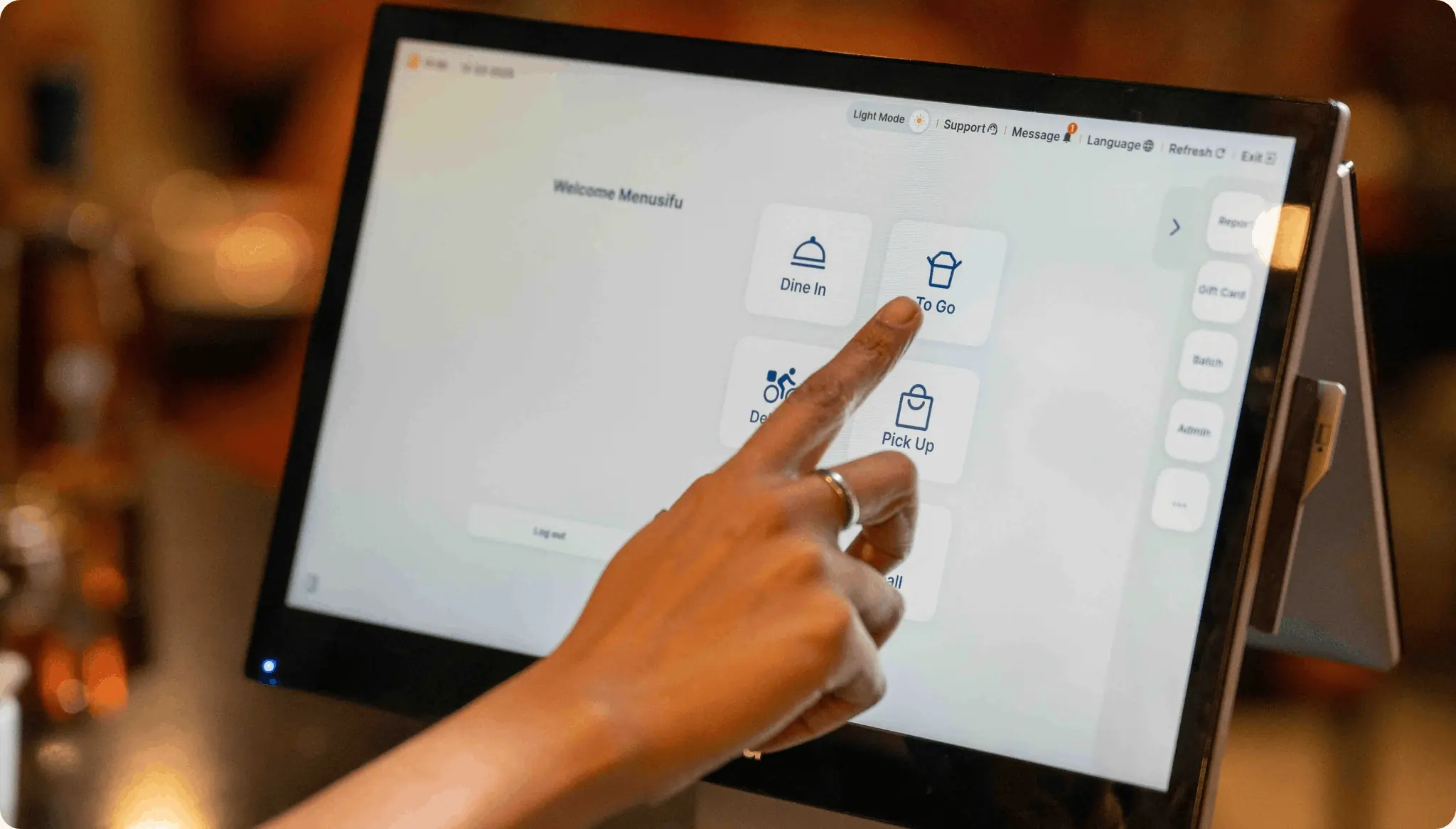
If you plan to add boba to your shop, the right tools can help you manage drink customizations, topping selections, and pickup more efficiently. MenuSifu offers a bubble tea POS system built for shops that need support for sweetness levels, ice levels, milk options, and add-ons across counter orders, self-order kiosks, QR ordering, and online ordering. It also connects with automated tea machines and pickup screens, which can help keep drink production and handoff organized.

Book a Free Demo with MenuSifu today to see how our POS solution can support your boba menu from ordering to pickup.

Frequently Asked Questions About Boba

These quick answers cover a few common terms and menu-related points tied to boba.

What is the Meaning of Boba?

Boba usually refers to the chewy tapioca pearls added to bubble tea. People also use the term to describe the drink itself, especially milk tea or fruit tea served with those pearls. 

What Exactly is a Boba?

A boba is the chewy pearl often added to bubble tea and other drinks. Classic boba usually contains tapioca starch from cassava root, which gives it its soft, chewy texture after cooking. Some people also use the word “boba” to refer to the drink itself, but the term most often refers to the pearls. 

What are Bobas Made Out Of?

Traditional boba pearls are made from tapioca starch, which comes from cassava root. Many recipes also include water and brown sugar or black sugar for sweetness and color. Popping boba uses different ingredients and has a juice-filled center instead of a chewy texture. 

What Drink is Also Called Boba?

Bubble tea is the drink most people also call boba. Many people use boba to refer to the full drink, though the term can also describe the chewy tapioca pearls added to it. 

For more insights and updates on beverage menus, shop operations, and restaurant technology, explore the rest of our blog.

想把餐厅越开越好?
免费订阅,持续获取行业报告、经营洞察与实用工具。