September 18, 2026
Find out what is fine dining and study fine dining restaurant examples to shape your restaurant’s menu, service standards, atmosphere, pricing, and positioning.
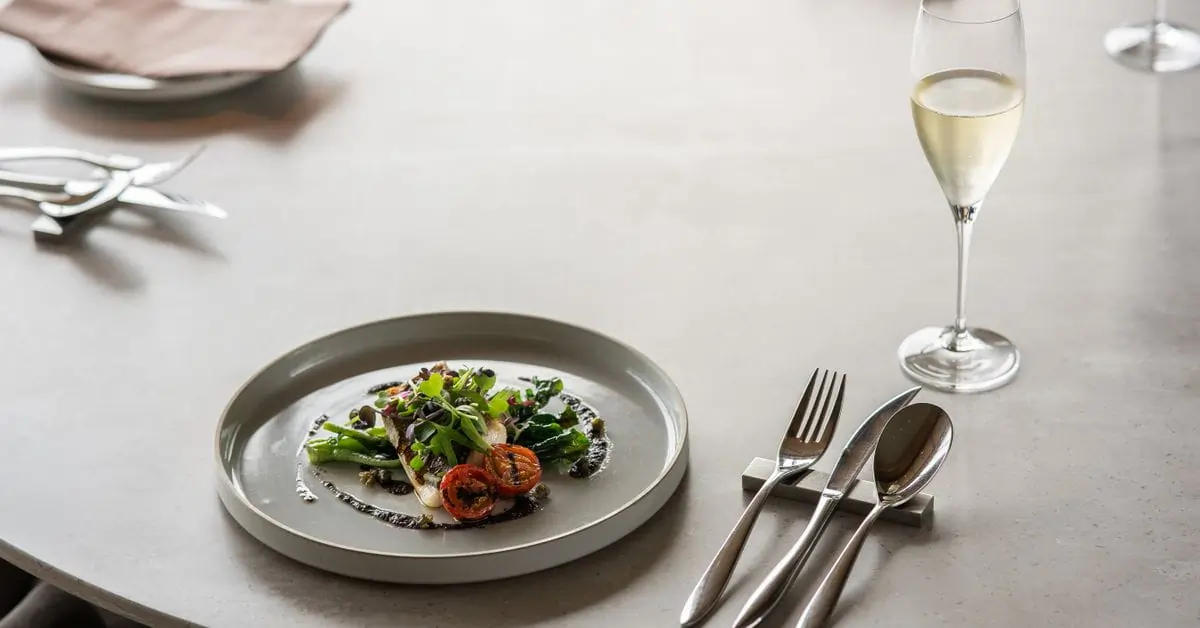
Opening or repositioning an upscale restaurant requires more than choosing premium ingredients and setting higher prices. You need a clear concept that connects the menu, service, atmosphere, staffing, and guest expectations. If you are researching what fine dining is or looking for fine dining restaurant examples, this guide explains the standards that shape the category and how to apply them to your concept.
Fine dining is a restaurant concept built around a carefully coordinated experience. Your menu, service model, dining room, pricing, and brand positioning should communicate the same level of refinement from the first guest interaction through departure.
Food plays a leading role, but premium ingredients and higher prices do not define the concept on their own. Guests also expect polished hospitality, an intentional atmosphere, a degree of exclusivity, and value that reflects the complete visit. Each decision should reinforce your positioning and set clear expectations before the meal begins.
A restaurant earns a fine-dining identity when these elements work together consistently.
Fine dining takes shape through a series of connected choices. Your menu, service style, dining room, pacing, and pricing should reinforce the same promise from arrival to departure.
A fine-dining menu starts with ingredients that support the restaurant’s identity. Premium cuts, seasonal produce, specialty seafood, artisan products, and carefully sourced local items can raise quality, but strong execution gives those ingredients real value.
Preparation techniques should suit each dish and remain consistent across every service. Your kitchen may use curing, fermentation, sous vide cooking, precise sauce work, or detailed pastry methods, yet each technique should improve flavor, texture, or presentation.
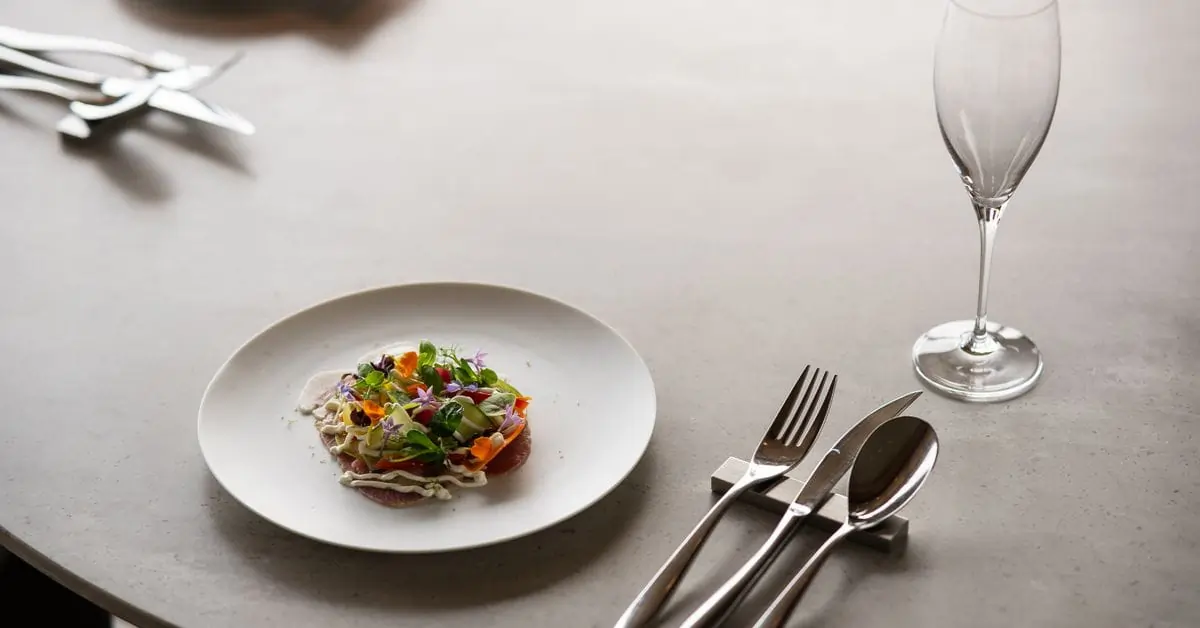
Plating also shapes how guests receive a dish. Clean composition, controlled portions, and purposeful garnishes can make the menu feel polished. Seasonal menus, tasting menus, and chef-led selections give you room to express a clear culinary direction while keeping the offering focused.
Skilled front-of-house staff guide guests through the meal with care and ease. They know the menu, key ingredients, preparation methods, allergens, and beverage pairings well enough to explain options clearly.
Coordinated table service keeps the meal moving at a comfortable pace. Hosts, servers, sommeliers, bartenders, and support staff should share accurate information and time each interaction well. Personal touches, such as recognizing a celebration or accommodating a dietary need, should feel thoughtful and discreet.
The dining room should communicate the restaurant’s positioning before guests order. A cohesive design, comfortable seating, and deliberate table spacing can create privacy while supporting smooth service.
Lighting, music, and décor should work together at the same level of refinement. High-quality tableware, glassware, cutlery, and linens add polish and help present each course as intended. Every detail should support comfort, visual appeal, and the tone you want guests to experience.
A strong visit begins with a clear reservation process and a smooth arrival. Guests should receive accurate information about seating times, deposits, dress expectations, dietary accommodations, and special menus before they arrive.
Once seated, well-paced courses help guests enjoy the meal while protecting kitchen flow and table timing. Steady communication between the kitchen and service team keeps orders accurate and gives staff time to respond to delays or changes.
Dietary needs and special occasions also require clear procedures. Train staff to record details, confirm them with the right team members, and deliver the service with discretion.
Fine-dining prices should reflect ingredient quality, skilled labor, training, service time, design, and the level of attention each table receives. A higher average check feels appropriate when the overall experience supports it.
Guests evaluate value through the total visit. Menu quality, service, atmosphere, pacing, and presentation should align with the price point. Clear alignment helps strengthen trust and encourages repeat visits.
The differences between restaurant concepts become easier to see when you compare how each one serves guests. Fine dining creates a longer, more structured visit with detailed service, specialized staff, refined surroundings, and a higher average guest spend. Other formats may offer quality food and appealing interiors, but they follow different operating models.
Fine dining usually requires a higher staff-to-table ratio, deeper menu and beverage knowledge, and close coordination between the kitchen and dining room. Courses arrive at a planned pace, giving guests time to enjoy each dish. Menus may also involve advanced preparation methods, detailed plating, and carefully selected pairings.
Average guest spend tends to rise with the level of labor, ingredients, service, and time invested in each table. Your pricing should reflect the full experience while remaining aligned with local demand and guest expectations.
An elegant dining room alone cannot define fine dining. The food, service, pacing, staffing, and atmosphere must support the same standard. With these distinctions in mind, you can study several fine-dining models and identify the format that best fits your concept.
Fine dining can take several forms based on the cuisine, service structure, setting, and occasion. The following models show how established restaurants bring these elements together. Use them as reference points when developing a format suited to your market, team, space, and brand.
A chef-led tasting menu restaurant presents a fixed sequence of courses shaped by a culinary theme, season, or signature style. This structure gives the chef greater control over ingredient use, portions, plating, and course pacing.
Many restaurants also offer wine or nonalcoholic pairings that complement each course. Precise kitchen execution and close communication between front- and back-of-house teams help the restaurant maintain timing throughout the meal.
Example: The French Laundry
Thomas Keller’s The French Laundry in Yountville offers two tasting menus each day: a chef’s tasting menu and a vegetable tasting menu. Its tasting menus change daily, giving the kitchen room to work with seasonal ingredients while maintaining a focused format.
You can study how The French Laundry uses a limited-menu structure, seasonal sourcing, and controlled pacing to create a distinct, chef-led identity.
A contemporary fine-dining restaurant pairs polished hospitality with a modern, less rigid atmosphere. Creative menus, minimalist interiors, open kitchens, lounge service, or flexible course formats can make the visit feel elevated and approachable.
This model appeals to guests who expect high-quality food and attentive service but may not seek traditional formality. Clear operating standards help the team preserve precision while using a more conversational service style.
Example: Eleven Madison Park
Eleven Madison Park identifies itself as a fine-dining restaurant owned and operated by chef Daniel Humm. It currently offers a full tasting menu in the main dining room, a shorter bar tasting menu, and à la carte snacks and drinks at the bar.
Its use of several dining formats shows how a restaurant can maintain premium positioning while giving guests different ways to engage with the brand.
A luxury hotel restaurant serves hotel guests, business travelers, event attendees, and local diners. Its food and service should align with the wider hotel brand while giving the restaurant a recognizable identity of its own.
Strong coordination with concierge, events, guest relations, and other hotel departments helps create a consistent visit across different occasions.
Example: Le Cinq
Le Cinq operates inside Four Seasons Hotel George V in Paris. Led by executive chef Christian Le Squer, the restaurant presents modern French cuisine in an elegant dining room and holds three Michelin stars.
You can study how Le Cinq connects the restaurant’s cuisine, wine program, dining room, and service level with the luxury positioning of its host hotel.
A fine-dining steakhouse centers its menu on premium beef, seafood, wine, and polished table service. Classic design elements, private dining rooms, carefully selected glassware, and deliberate pacing often support the format.
Guests frequently choose this type of restaurant for celebrations, client dinners, corporate events, and other special occasions. Reliable sourcing, accurate cooking temperatures, beverage knowledge, and confident recommendations help create value.
Example: CUT Beverly Hills
CUT by Wolfgang Puck operates inside Beverly Wilshire, A Four Seasons Hotel. The restaurant presents a contemporary interpretation of the classic steakhouse, with premium beef selections, including Japanese Wagyu, alongside seafood, shellfish, and an international wine list.
Its format shows how a steakhouse can combine a focused product category with modern design, luxury hospitality, and a strong beverage program.
A destination restaurant attracts guests through its chef, location, menu, design, or distinctive point of view. Guests may plan an entire trip or overnight stay around the meal, which raises expectations across reservations, arrival communication, service, and hospitality.
The menu may highlight regional ingredients, a seasonal tasting format, or a close connection to local farms and producers. Clear positioning gives guests a compelling reason to travel.
Example: SingleThread
SingleThread in Healdsburg, California, operates as a restaurant, farm, and inn in Sonoma Wine Country. Its restaurant serves a Kaiseki-inspired 10-course tasting menu featuring seasonal products from its farm and adapted to guests’ dietary needs.
You can study how SingleThread connects its location, farm, accommodations, menu, and hospitality into one destination-led concept.
These examples follow different operating models, but each maintains alignment across food, service, atmosphere, pricing, and brand identity. The right format depends on the guests you plan to attract, the occasions you want to serve, and the resources your team can sustain.
Choosing a fine-dining format is only the first step. Turning it into a viable concept requires clear decisions about the guests you plan to serve, the experience you want to create, and the resources needed to deliver it consistently.
Start with the guest you want to attract and the occasion you want to serve. Decide on the cuisine, price range, service style, and overall tone. A chef-led tasting room will operate differently from an elegant steakhouse or a luxury hotel restaurant.
Write a short concept statement that captures your restaurant’s identity. Use it to guide menu planning, hiring, interior design, marketing, and daily operations. When a new idea does not fit that statement, leave it out.
Choose dishes that reflect your identity and suit your kitchen’s capacity. Review equipment, prep time, labor, sourcing, portion size, and plating requirements before adding an item.
Protect consistency and margins as you develop the menu. Test recipes, calculate food costs, document portions, and plan seasonal changes. A focused menu often gives the kitchen more control over quality and timing.
Map each part of the guest journey, including reservations, arrival, seating, ordering, course delivery, payment, and departure. Then set clear procedures for each step.
Define how staff should present menus, describe dishes, handle dietary requests, pace courses, and respond to service issues. Written standards give managers a clear basis for coaching and review.
Recruit people who combine technical skill with attentive hospitality. Kitchen staff need precision and discipline, while front-of-house staff need strong communication, menu knowledge, and awareness of the dining room.
Train the team through tastings, service drills, role-play, and shift briefings. Cover ingredients, allergens, preparation methods, etiquette, beverage pairings, and guest recovery. Repeat training as menus and procedures change.
Design the room around comfort, movement, and service flow. Check table spacing, acoustics, lighting, furniture, server paths, kitchen access, and storage.
Choose tableware, glassware, linens, and décor that match the concept. Every detail should support the mood and help staff serve each table efficiently.
Use daily checks, pre-service meetings, guest feedback, and manager reviews to protect standards. Track food quality, ticket times, course pacing, order accuracy, cleanliness, and service issues.
Give teams clear feedback and act on repeated problems. Fine dining depends on steady execution across every shift, including busy evenings and quieter service periods.
Fine dining requires a sizable investment in skilled staff, premium ingredients, training, interior design, tableware, and attentive service. Longer meals and lower table turnover can also affect revenue, so your pricing and capacity need to support the service model.
Review demand in your area before committing to the concept. Study nearby competitors, guest spending habits, local dining occasions, accessibility, and the strength of your location. You also need a reliable pool of chefs, servers, managers, and beverage professionals who can deliver consistent standards.
Build financial projections that cover startup costs, payroll, food and beverage expenses, rent, technology, marketing, and expected sales. Compare these figures with your planned check average, seating capacity, and daily covers.
A strong fine-dining concept should feel distinctive while remaining practical to operate. Clear positioning may attract guests, but disciplined costs, skilled staffing, and consistent execution will determine its long-term viability.
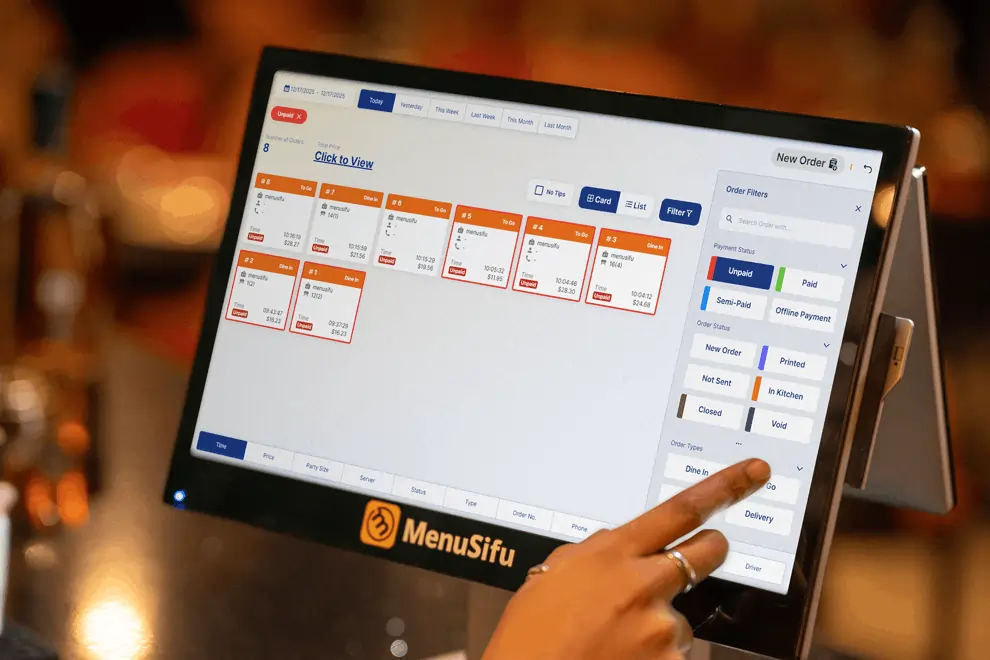
A successful fine-dining restaurant connects clear positioning with consistent food, attentive service, thoughtful design, and disciplined operations. As you refine your concept, choose technology that helps your team maintain accurate orders, coordinate course timing, and communicate clearly between the dining room and kitchen.
MenuSifu offers POS solutions designed to support full-service operations. Its full service restaurant POS system connects ordering, payments, and kitchen workflows, helping your staff deliver the standard your concept promises. Book a Free Demo with MenuSifu today to explore a setup that supports your restaurant’s goals.
Fine dining can take several forms, but the same core standards usually apply. The answers below clarify how the concept is defined, identified, and compared with other restaurant formats.
A restaurant is considered fine dining when it combines high-quality cuisine, polished service, a refined atmosphere, thoughtful presentation, and premium pricing into a cohesive guest experience. Consistent execution across food, service, pacing, and hospitality sets it apart from casual and upscale casual concepts.
You can identify a fine-dining restaurant by its refined atmosphere, polished service, carefully prepared menu, premium pricing, and close attention to pacing and presentation. The experience should feel coordinated from reservations and table settings to course delivery and payment.
No. Fine dining can follow a traditional or contemporary style. Some restaurants use formal etiquette and dress codes, while others offer a more relaxed setting. In either format, guests still expect elevated food, polished service, thoughtful presentation, and a cohesive dining experience.
Upscale dining is often used as a close alternative to fine dining, although the terms are not always interchangeable. Related terms include luxury dining and formal dining. Haute cuisine refers more specifically to high-standard cooking rather than the complete restaurant experience.
Upscale casual dining typically sits just below fine dining. It offers high-quality food, stylish surroundings, and attentive table service but has a more relaxed atmosphere, less formal service, and generally lower prices.
Visit the MenuSifu blog for more restaurant management insights, technology updates, and practical ideas to support your next stage of growth.
Related Article: