August 25, 2026
Create a business plan for a Chinese restaurant with guidance on startup costs, menu pricing, staffing, financing, and sales projections, plus a free template.

Turning a Chinese restaurant idea into an operating business requires careful planning around costs, location, menu pricing, staffing, customer demand, and projected sales. A clear business plan for a Chinese restaurant helps organize those decisions before you move toward launch.
This guide explains what to include, how to build the plan step by step, and how to develop realistic financial assumptions. You’ll also find a sample, a free template, and a final checklist to help you put the plan together.
A Chinese restaurant business plan is a written document that outlines how you plan to open, operate, market, and finance your restaurant. It brings your concept, target customers, service model, operations, marketing approach, and financial goals into one organized plan.
It gives you a practical framework for evaluating the business before opening. You can use it to organize key decisions, estimate how much capital you need, assess projected costs and revenue, and determine if the concept is financially viable.
You may need a business plan when applying for financing, presenting your concept to investors, setting expectations with business partners, or evaluating a proposed restaurant before making major financial commitments. Even if you plan to fund the restaurant yourself, the plan can help you test your assumptions and refine the concept before opening.
A strong Chinese restaurant business plan should show how the concept will operate, attract customers, control costs, and generate revenue. Each section should support the same business model, using specific details and realistic financial assumptions rather than broad statements.
The executive summary gives readers a concise view of the proposed restaurant. Include the restaurant name, location, concept, target customers, competitive advantage, ownership structure, funding needs, and key financial goals.
Keep this section focused on the strongest points from the full plan. A lender, investor, or business partner should be able to see what you plan to open, how the restaurant will compete, and what resources you need to launch it.
Describe the type of Chinese restaurant you plan to open, including its cuisine focus, service model, price range, and dining experience. Specify if the menu will focus on Sichuan dishes, Cantonese cuisine, dim sum, hot pot, noodles, regional specialties, or a broader Chinese menu.
Then define what separates the concept from nearby competitors. Your positioning may center on a specialty menu, premium ingredients, convenient takeout, family-style dining, value pricing, late-night service, or another feature supported by local demand.
Define the customers most likely to visit or order from the restaurant. Consider their demographics, typical spending, dining preferences, preferred order channels, and proximity to the proposed location.
Go beyond broad labels such as families or professionals. A lunch-focused restaurant near offices may depend on quick service and individual meals, while a neighborhood dinner concept may rely more heavily on families, groups, and larger average checks.
Assess local demand for Chinese food and identify restaurants competing for the same customers. Review direct Chinese competitors along with other nearby restaurants that serve similar occasions, price points, or ordering needs.
Compare their menus, prices, service formats, positioning, customer reviews, and order channels. Use this research to identify opportunities such as an underserved cuisine category, limited late-night options, weak delivery offerings, or demand for a different price point.
Explain what the proposed location needs to support the concept. Consider neighborhood demographics, visibility, accessibility, parking, delivery access, seating capacity, rent, and nearby demand drivers such as offices, residences, schools, or retail centers.
The physical space should also support the kitchen. Review ventilation, utility capacity, storage, refrigeration, cooking equipment, prep areas, and local building requirements before committing to a lease.
Your menu should connect the restaurant concept with its financial model. Define the main menu categories, signature dishes, portion sizes, ingredient costs, expected food-cost percentages, pricing, and items that can contribute stronger margins.
Also consider how the menu performs across dine-in, takeout, and delivery. Dishes that require specific equipment, labor-intensive preparation, or expensive ingredients can affect kitchen capacity and profitability, so account for those demands early.
The operations plan explains how the restaurant will function each day. Cover operating hours, kitchen workflow, ordering and payment processes, inventory procedures, supplier relationships, food preparation, delivery, takeout, sanitation, and food safety.
Show how these processes work together. The way customers place orders affects kitchen volume, staffing, packaging, payment flow, and pickup procedures, so the operating model should support each sales channel from order entry through fulfillment.
Define who will manage the restaurant and which positions you need to operate each shift. Include ownership responsibilities, management roles, kitchen positions, front-of-house positions, hiring needs, training, compensation, and payroll.
Base staffing levels on expected customer volume and service format. A full-service restaurant may need servers, hosts, and bussers, while a takeout-heavy concept may require greater kitchen, packing, and counter coverage during peak periods.
Explain how customers will discover the restaurant and what will encourage repeat visits. Your strategy may combine local marketing, a restaurant website, local SEO, social media, online ordering, delivery platforms, opening promotions, loyalty programs, and review management.
Choose channels that fit customer behavior and the restaurant model. For example, local search may support nearby discovery, while online ordering and loyalty programs can help turn first-time customers into repeat customers.
Estimate the capital required to prepare the restaurant for opening. Use actual quotes and local pricing where possible, especially for major expenses that can vary widely by site and concept.
Typical startup costs include:
Separate one-time opening expenses from recurring monthly costs. This gives you a clearer view of the initial investment and the cash required to support the restaurant during its early operating period.
The financial plan shows how the restaurant expects to generate revenue and cover its costs. Build projections around measurable assumptions such as average check, customer volume, order volume, operating days, food costs, labor, rent, and other operating expenses.
Include sales forecasts, cash-flow projections, profit-and-loss projections, funding sources, initial investment, and break-even sales. Each figure should connect back to operating assumptions elsewhere in the plan so readers can follow how you reached the numbers.

Once you know what the finished plan should contain, focus on building it in the right order. Start with research and operating assumptions, then use those findings to shape the concept, menu, costs, sales projections, and final summary.
Start with the area where you plan to open. Review local demand for Chinese food, nearby competitors, menu pricing, commercial rent, wage levels, supplier options, and other operating costs.
Use local data to support the assumptions in the plan. A strong market review should show who your customers are likely to be, what they currently spend, which restaurants compete for their business, and where your concept can offer something distinct.
Decide what type of Chinese restaurant you want to open before building the financial model. Define the cuisine or regional focus, service format, price point, dining experience, and primary sales channels.
Then state what sets the restaurant apart. That distinction may come from a regional specialty, focused menu, service style, value proposition, late-night hours, family-style dining, or another feature supported by local demand.
Draft the core menu early because it affects ingredient costs, labor, equipment, pricing, and projected sales. Identify major categories, signature dishes, portion sizes, and the items you expect customers to order most often.
Estimate the ingredient cost of each key dish and set preliminary prices based on target margins and local competition. This gives you a stronger basis for calculating food cost and average check later in the plan.
Use current quotes and local pricing instead of broad industry averages whenever possible. Gather estimates for rent, construction, kitchen equipment, insurance, permits, technology, utilities, wages, and opening inventory.
Separate the budget into two groups:
This separation helps you see how much capital you need to open and how much cash the restaurant may require each month.
Build sales estimates from actual operating limits instead of starting with a desired revenue figure. For dine-in sales, use seating capacity, expected table turns, average check, operating hours, and days open.
For takeout and delivery, estimate daily order volume and average order value. Compare those projections with kitchen capacity and staffing so the sales forecast reflects the number of orders the restaurant can realistically prepare and serve.
Compare projected sales with food, labor, rent, utilities, marketing, technology, insurance, delivery fees, and other operating expenses. Then calculate the sales level needed to reach break-even and review projected cash flow during the opening months.
If projected costs exceed the restaurant's realistic earning capacity, revise the model. You may need to adjust menu prices, staffing levels, operating hours, seating capacity, startup spending, or service channels before moving ahead.
Complete the executive summary after the concept, market analysis, operations plan, budget, and financial projections are finished. At that point, you can summarize the restaurant using figures and conclusions supported by the rest of the plan.
Keep it concise and cover the main points: the concept, target customer, competitive position, funding requirement, and key financial expectations. A reader should be able to review this section and quickly grasp how the proposed restaurant will operate.
The information in the plan should stay consistent, but the emphasis can change based on who will read it. Highlight the details most relevant to the decision that reader needs to make.
Once these pieces are complete, review the full document as one connected plan. The concept, menu, staffing, costs, sales projections, and funding request should support the same operating model.
A Chinese restaurant business plan sample can help you see how the main sections connect before you create your own. The example below uses a hypothetical restaurant and illustrative figures. Replace the details with costs, pricing, and projections based on your location and concept.
Restaurant: Golden Jade Kitchen
Concept: 50-seat fast-casual Cantonese restaurant
Location: Hypothetical urban neighborhood
Primary customers: Office workers, nearby residents, and families
Sales channels: Dine-in, pickup, direct online ordering, and delivery
Startup budget: $550,000, illustrative only
Golden Jade Kitchen will serve Cantonese barbecue, rice plates, noodles, dumplings, vegetables, and family meal bundles. Its menu and service model are designed to support individual lunch orders, family meals, dine-in traffic, and off-premise sales.
The restaurant will compete with nearby Chinese restaurants and takeout concepts through a focused Cantonese menu, moderate pricing, efficient service, and convenient digital ordering. The proposed 2,500-square-foot space will include a commercial kitchen, 50 dining seats, a dedicated pickup area, storage, and delivery access.
The restaurant will be owner-operated. The owner will oversee finances, purchasing, staffing, and vendor relationships, supported by a kitchen manager, cooks, prep staff, counter staff, and dishwashing staff. Funding will combine owner investment with external financing to cover the estimated startup budget.
These figures show how the restaurant concept connects to its operating and financial assumptions. They are illustrative, so your plan should use local rent, wages, supplier pricing, menu costs, expected order volume, financing needs, and other expenses specific to the restaurant you plan to open.
Want to review a more detailed example? Download the complete Chinese Restaurant Business Plan Sample.
Use this structure to create your own plan:
Download the Free Chinese Restaurant Business Plan Template to work through each section with fill-in prompts, startup-cost worksheets, and financial planning fields. Replace the sample inputs with figures based on your location, menu, staffing model, supplier quotes, and expected sales.
Before you rely on the plan for financing or major opening decisions, review the numbers and assumptions one final time. Each section should support a clear and realistic plan for launching the restaurant.
If the menu, location, operations, staffing, and financial projections support the same restaurant concept, the plan will give you a stronger basis for moving toward opening.

A strong business plan gives you a clearer path from concept to opening by connecting your menu, staffing, costs, operations, and financial goals. As you finalize the plan, account for the technology needed to manage orders, payments, reporting, and daily operations.
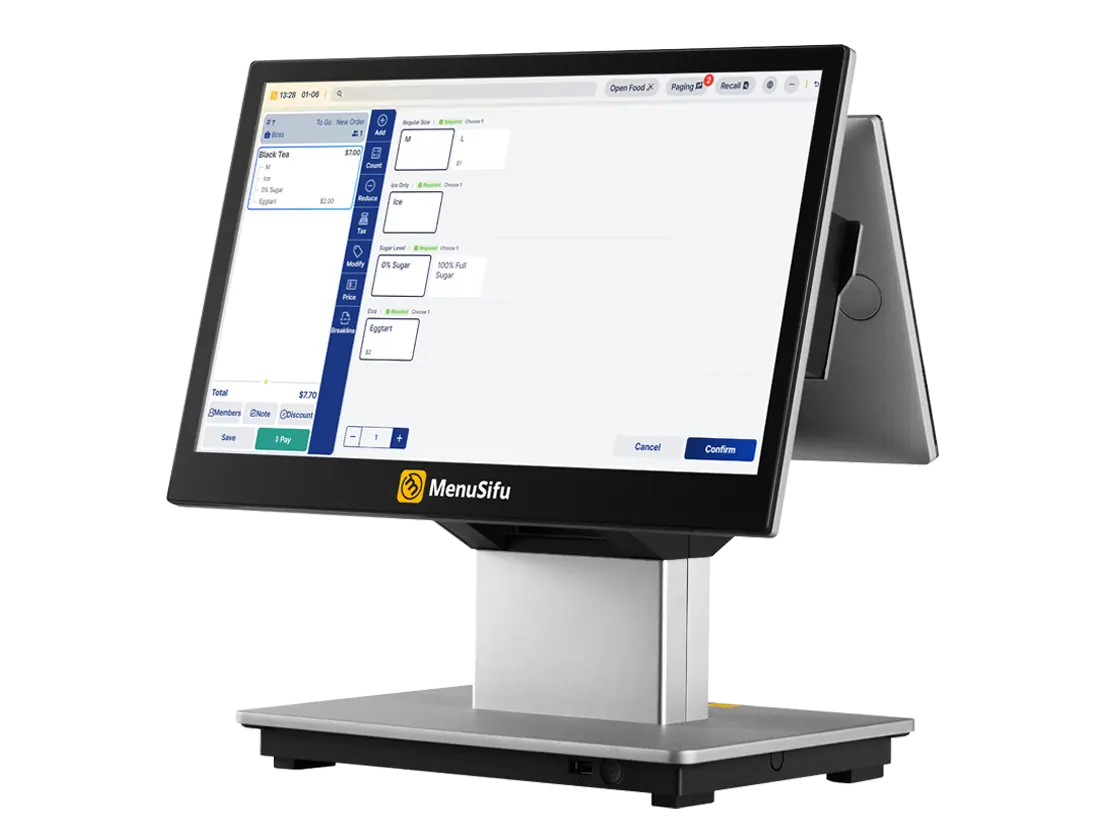
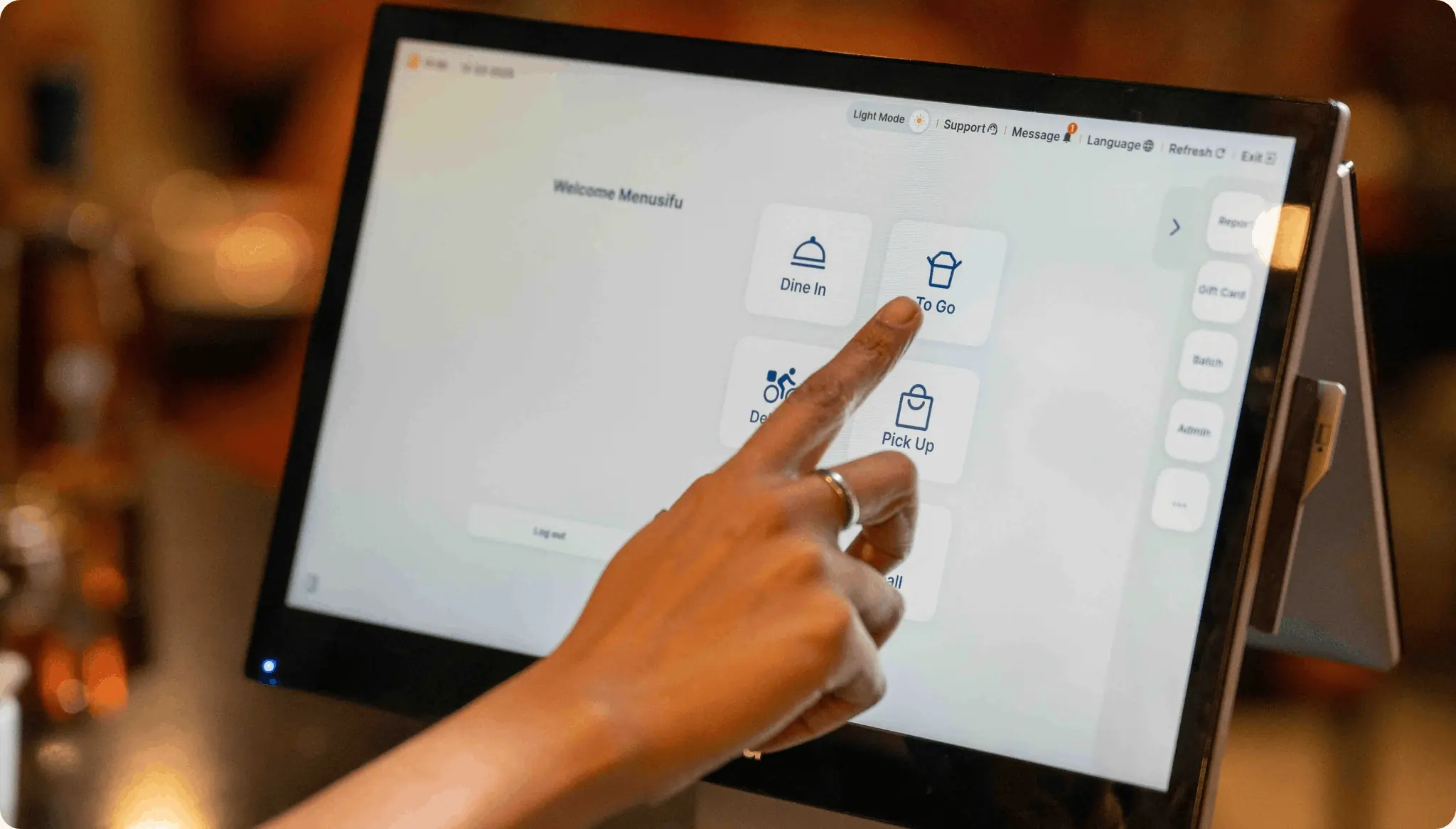
A reliable POS system for Chinese restaurants can help support those functions from the start. MenuSifu offers POS solutions designed to support Chinese restaurant operations, including order management, payments, and sales reporting.
If you are evaluating restaurant technology as part of your opening plan, Book a Free Demo with MenuSifu today to see how the system can fit the restaurant you are building.
Planning a Chinese restaurant often raises practical questions about business plan length, financial projections, financing, and timing. The answers below cover several key points to help you refine your plan before moving toward opening.
A Chinese restaurant business plan often runs about 15 to 30 pages, although there is no required length. A lean internal plan can be shorter, while a plan prepared for lenders or investors may need more detail and supporting documents.
Include sales forecasts, food costs, labor costs, occupancy expenses, operating expenses, cash-flow projections, profit-and-loss projections, and break-even estimates. Base revenue projections on realistic inputs such as average check size, customer volume, order volume, seating capacity, and operating days. For a more complete financial outlook, consider monthly projections for the first year and annual projections for the following three to five years.
Many lenders and investors may request a business plan as part of their evaluation process. A clear plan can help them assess your restaurant concept, funding needs, projected revenue, expenses, cash flow, and ability to repay financing or generate returns. It also shows how you plan to use the funds and manage the business. Requirements vary by lender and financing type, so review the specific documentation needed before applying.
Yes. A Chinese restaurant business plan sample can help you organize key sections, see how financial projections are presented, and understand how a complete plan is structured. Use it as a reference, then replace sample details with accurate costs, market data, menu pricing, staffing needs, and sales projections based on your restaurant concept and location.
Create your Chinese restaurant business plan before making major financial commitments, such as signing a lease, purchasing equipment, or starting a buildout. Update it as you confirm the location, menu, supplier costs, staffing needs, and financing so your projections stay accurate and useful.
For more restaurant planning, operations, technology, and marketing insights, visit the MenuSifu blog and explore our latest guides and updates.
DISCLAIMER: The information and sample figures in this article are provided for general informational purposes only. Actual startup costs, operating expenses, revenue, financing requirements, and other business considerations vary by restaurant, location, and market conditions. Consider consulting qualified financial, legal, or business professionals when preparing your restaurant business plan.
Related Articles: