十一月 18, 2026
Looking for Thanksgiving menu ideas for your restaurant? Explore 25 festive dishes and drinks, creative variations, and tips to plan a manageable holiday menu.
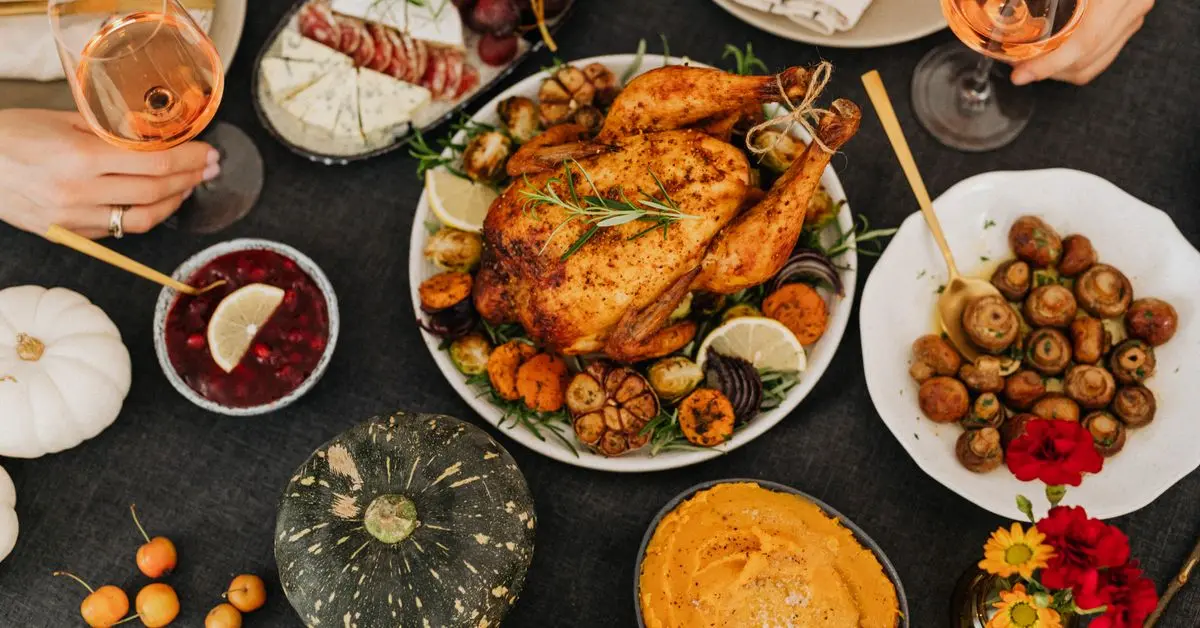
Thanksgiving brings guests together around familiar flavors, but building a holiday menu can put extra pressure on your kitchen. You want comforting favorites, a few memorable surprises, and enough variety to satisfy different tastes. At the same time, every dish needs to work with your staff, equipment, and preparation schedule.
The best Thanksgiving menu ideas start with dishes guests recognize and give you room to showcase your restaurant's style. A focused selection can make the holiday feel special while keeping preparation realistic. Explore 25 food and drink ideas below, then see how creative variations and a few menu-planning decisions can help you bring everything together.
A Thanksgiving menu works best when each course offers a clear choice and a reason to order it. The following ideas cover starters, main courses, sides, desserts, and drinks, with practical ways to feature each one on a seasonal menu.
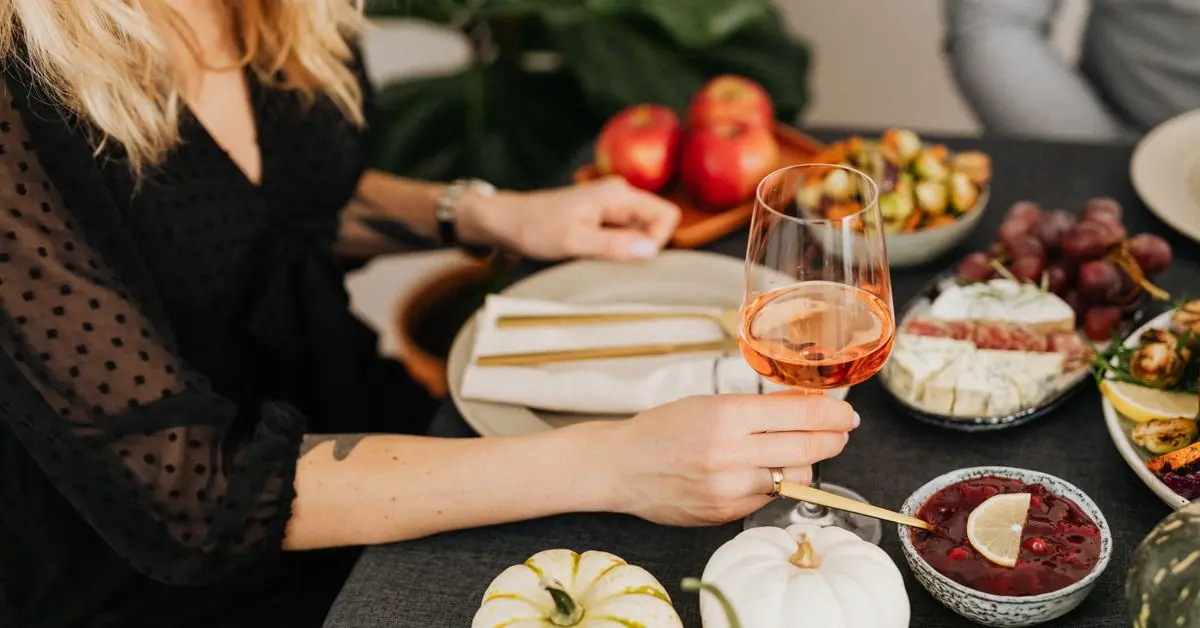
Start with appetizers that bring seasonal flavors to the table while leaving room for a substantial main course.
Butternut squash soup brings a smooth texture, gentle sweetness, and warm color to the opening course. Finish each bowl with toasted pumpkin seeds, herb oil, or a spoonful of crème fraîche to add contrast.
You can prepare the soup ahead and portion it consistently, making it a practical choice for a prix fixe Thanksgiving dinner. Offer a small serving so guests still have room for the main course.
Cranberry and Brie crostini combine tart fruit, creamy cheese, and crisp bread in a compact starter. Their red and golden colors create an appealing presentation with minimal garnish.
Offer two or three pieces per order or include them on a holiday appetizer board. Keep the toasted bread and toppings separate until plating to preserve the crunch, especially when preparing several orders at once.
Stuffed mushrooms offer a savory appetizer that pairs well with turkey, ham, and other holiday entrées. A filling of herbs, breadcrumbs, and cheese provides richness, while a vegetable-based variation broadens the selection. Their small size makes portioning easy for individual orders or shared platters.
Prepare the filling in advance, then bake the mushrooms close to serving so the caps stay tender and the tops develop color.
Roasted pumpkin adds seasonal sweetness and a warm orange color to hummus. Pair it with pita wedges, toasted flatbread, or crisp vegetables to create an appetizer guests can share.
This is a useful choice if your Thanksgiving lineup needs a lighter, plant-based starter alongside richer dishes. Present it in a shallow bowl with olive oil and seeds, and clearly identify any sesame ingredients on the menu.
A harvest salad introduces crisp textures and bright acidity before heavier Thanksgiving courses. Combine seasonal greens with sliced apples, toasted pecans, and a tart vinaigrette, then add cheese if it suits the menu.
The salad can open a plated dinner or accompany an entrée as a fresh counterpoint to creamy sides. Toss it just before serving to keep the greens fresh, and disclose tree nuts clearly.
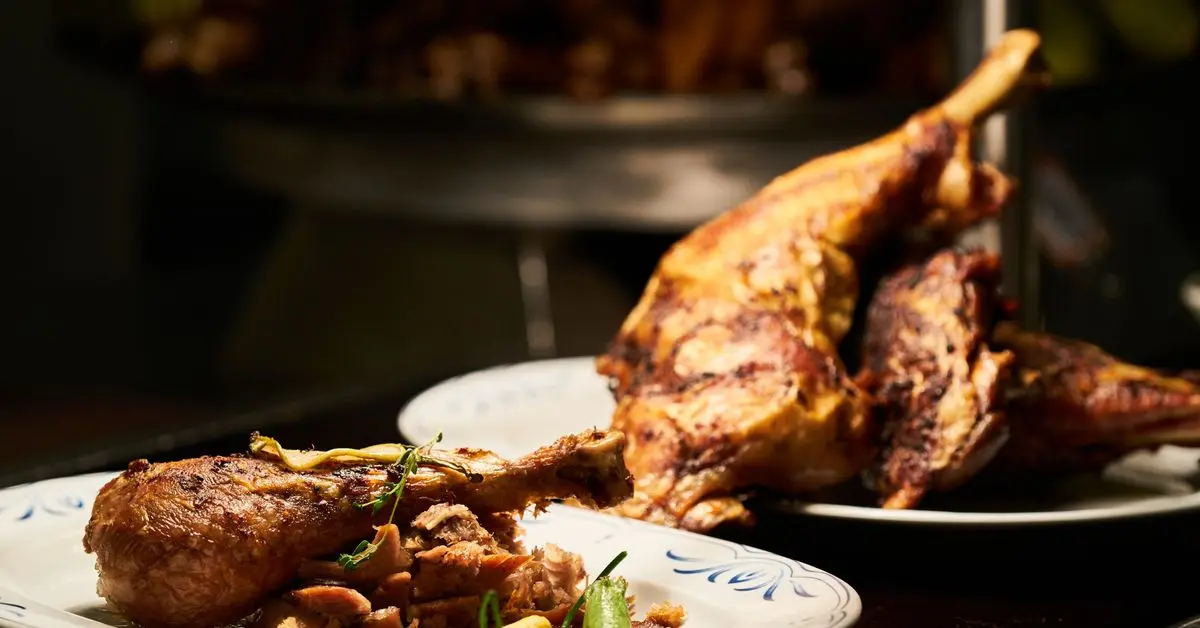
The main course anchors the holiday meal. Include a recognizable centerpiece, then add alternatives that reflect your cuisine and guest preferences.
Herb-roasted turkey gives guests the classic Thanksgiving centerpiece they often expect. Season it with thyme, rosemary, and sage, then pair sliced portions with gravy and a selection of holiday sides.
Offer a combination of white and dark meat when practical, or let guests choose between them. Set consistent portion sizes and coordinate carving with plating so each dinner arrives with the right balance of meat and accompaniments.
Maple-glazed ham provides a savory-sweet alternative to turkey and complements potatoes, green vegetables, and autumn fruit. A glossy glaze creates a festive finish, while sliced portions make the entrée easy to present on individual plates.
You can also feature ham as the second protein on a family-style spread. Keep the glaze restrained so it enhances the meat instead of competing with sweeter holiday sides.
Slow-roasted prime rib gives your Thanksgiving menu a premium entrée beyond traditional poultry. Serve thick slices with jus, horseradish cream, and roasted vegetables for a composed holiday plate.
Consider offering it in limited quantities or as an upgrade within a set dinner, especially if oven space is tight. Plan the roast and carving schedule carefully to maintain the desired doneness, presentation, and portion consistency across orders.
Turkey roulade offers a refined presentation of two Thanksgiving staples in one entrée.
Rolled turkey breast surrounds a seasoned herb stuffing, creating attractive slices with a clear contrast between meat and filling. Pair it with gravy and one colorful vegetable side to keep the plate focused.
Since the roulade can be portioned into uniform slices, it works particularly well for plated holiday dinners with a defined course structure.
Mushroom Wellington gives vegetarian guests a substantial main course with the celebratory look of a pastry-wrapped roast. A savory mushroom filling and crisp pastry pair naturally with vegetable gravy and roasted root vegetables.
Offer an individual portion or a carefully sliced larger Wellington, depending on your dining format. Keep moisture under control in the filling and bake close to serving to maintain the pastry's texture.
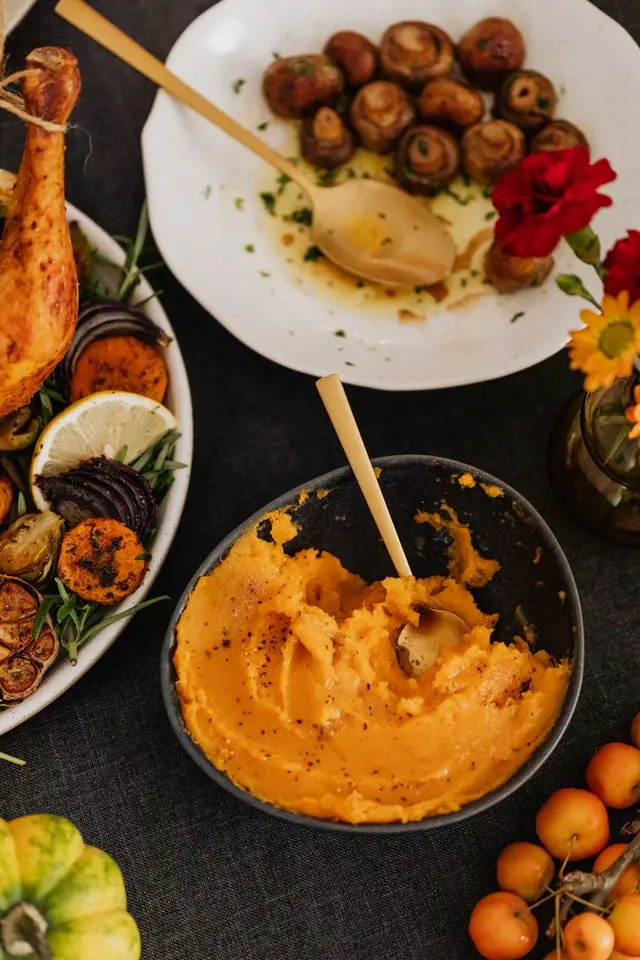
Sides create much of the holiday character. Choose a mix of creamy, savory, sweet, and vegetable-forward dishes so the plate stays varied.
Garlic mashed potatoes bring a creamy, savory base to plates featuring turkey, ham, or beef. Roasted garlic adds depth while keeping the flavor approachable for guests who prefer traditional sides.
Portion them with a scoop or piping bag for consistent presentation, and finish with chives or a little butter. Because they complement several proteins, one well-executed version can support much of your holiday entrée selection.
Sweet potato casserole adds color and sweetness to a menu dominated by roasted meats and savory sides. A pecan crumble provides crunch, while a marshmallow topping offers a more nostalgic presentation.
Choose one finish that suits your guests and other dishes, then offer it in small individual portions or shared baking dishes. Keep serving sizes modest if your menu includes rich desserts and several additional sides.
Green bean casserole combines tender vegetables, creamy sauce, and crisp onions in a recognizable Thanksgiving side. It adds a green element to traditional plates and pairs especially well with roast turkey or ham.
Use a shallow baking dish for even heating, then add the onion topping near the end to preserve its texture. Individual portions create a neater presentation, while larger dishes work well for shared holiday meals.
Sage and sausage stuffing contributes an aromatic, savory element that complements roast poultry and gravy. Toasted bread gives it structure, while herbs and sausage create a hearty finish. Serve it as a measured scoop on Thanksgiving plates or as a shared side in a family-style meal.
If you also offer a meat-free version, label both clearly and use separate utensils to keep the options distinct.
Roasted Brussels sprouts provide crisp edges and a slightly earthy flavor that cuts through rich holiday dishes. A light balsamic glaze adds sweetness and acidity without covering the roasted character of the vegetable.
Include them as the green side on a plated dinner or present them in a shared serving bowl. Roast in batches with enough space between pieces to encourage browning instead of steaming.
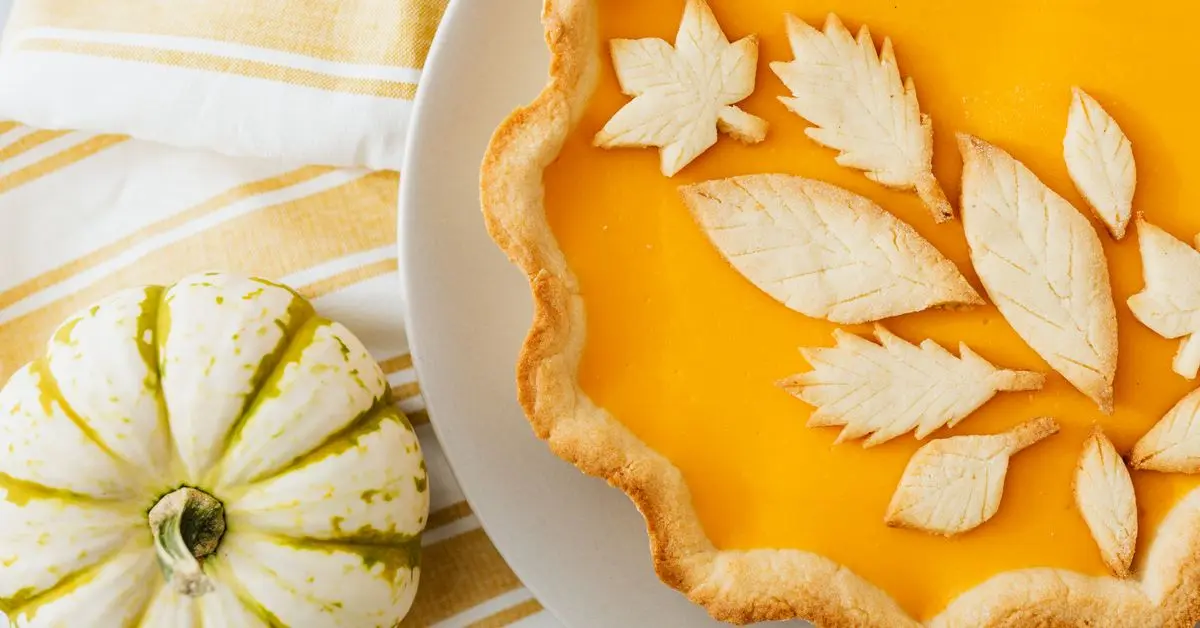
Close the meal with classic pies and a few alternatives that suit different tastes and portion preferences.
Classic pumpkin pie brings a recognizable Thanksgiving finish through its creamy filling and warm spices. Serve clean slices with lightly sweetened whipped cream, or offer smaller portions in a holiday dessert trio.
Its familiar profile also pairs well with coffee and spiced drinks. Preparing pies ahead can free up oven space on the holiday, provided you follow appropriate cooling and refrigerated storage practices.
Pecan pie combines a rich, caramel-like filling with crunchy nuts and a buttery crust. Its sweetness makes smaller slices a sensible choice after a generous Thanksgiving dinner.
Offer it with unsweetened whipped cream or a scoop of vanilla ice cream for contrast. It can also anchor a dessert sampler alongside fruit-based options. Clearly mark the pecan ingredient so guests with tree nut allergies can make informed choices.
Apple crisp offers warm, spiced fruit beneath a crumbly topping, making it an inviting alternative to traditional pies. Bake it in small ramekins for individual desserts or in a larger dish for a casual shared presentation. Add vanilla ice cream just before the plate leaves the kitchen to preserve the hot-and-cold contrast.
Choose apples that retain some structure when baked so each serving has a pleasant texture.
Pumpkin cheesecake offers a denser, creamier take on seasonal pumpkin desserts. A spiced cookie crust and restrained whipped topping give it a polished appearance without crowding the plate.
Serve slices as a premium dessert option or cut smaller squares for a tasting assortment. Because cheesecake needs time to chill and set, you can schedule much of the preparation ahead of Thanksgiving and focus on clean slicing and garnish later.
Cranberry orange bread pudding combines soft custard-soaked bread with tart berries and citrus fragrance. It offers a warm dessert choice that contrasts with chilled pies and cheesecake.
Portion it into ramekins or cut squares from a baking dish, then add a light sauce before serving. This dish also gives your menu another use for cranberries, helping connect the flavors of your appetizers, desserts, and drinks.
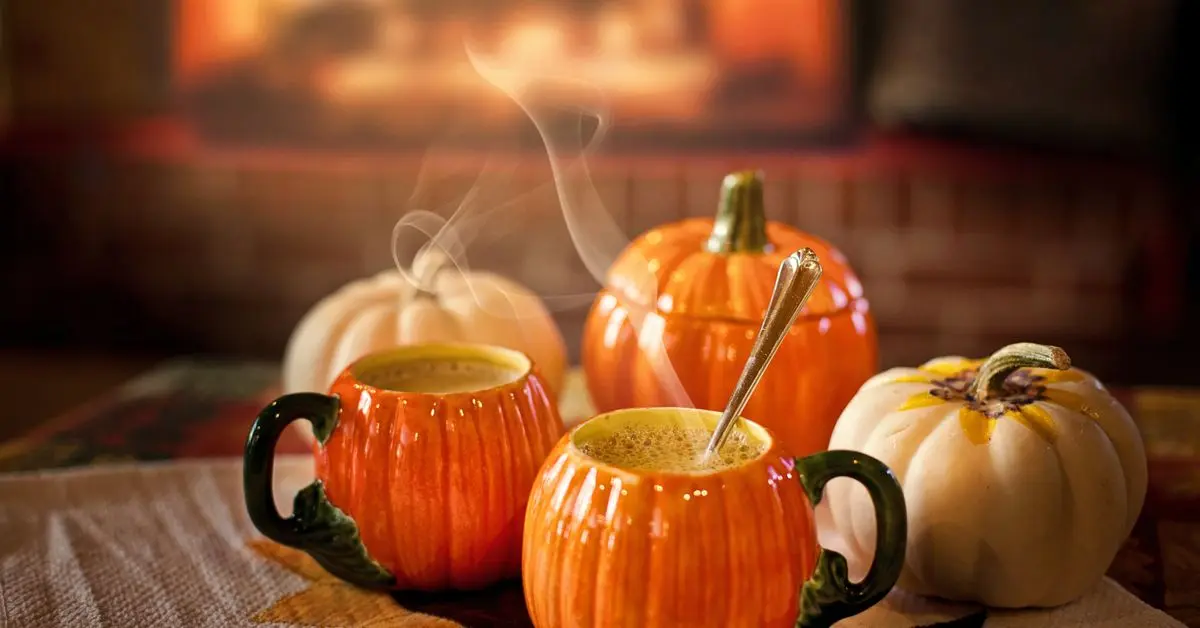
A short seasonal drink list rounds out the menu and gives guests options beyond the usual beverage selection.
Spiced apple cider brings apple sweetness and warming cinnamon or clove notes to the holiday beverage list. Serve it hot in mugs with a citrus garnish, or offer a chilled version for guests who prefer a refreshing drink. You can prepare the spiced base ahead and finish each order consistently.
Include it among the nonalcoholic selections, so guests have a seasonal choice beyond soda or water.
A cranberry rosemary mocktail combines tart cranberry, citrus, and herbal aroma in a festive alcohol-free drink. Top it with sparkling water for a lighter finish and garnish with a rosemary sprig. Its bright acidity works especially well alongside rich mains and creamy sides.
List it prominently on the Thanksgiving beverage menu instead of grouping it with basic soft drinks, giving the nonalcoholic selection equal attention.
A pumpkin spice latte extends the autumn theme into the final course with espresso, milk, and warming spices. Offer it after dinner alongside pie or cheesecake, or feature it as an afternoon holiday special if your restaurant serves coffee throughout the day.
Keep the sweetness adjustable so guests can choose a lighter version. Use your existing espresso setup to maintain consistent temperature and texture across orders.
A maple bourbon cocktail provides a spirit-forward seasonal drink with the warmth of whiskey and a restrained touch of maple. Citrus or aromatic bitters can keep the flavor balanced alongside a rich Thanksgiving dinner.
Add it as a limited-time bar special with a clear description of its flavor profile. Serve it only where your alcohol license permits, and standardize measurements so each glass has a consistent taste.
Mulled wine pairs red wine with citrus and warming spices for a traditional cold-weather drink. It can complement a Thanksgiving dessert course or welcome guests who prefer something aromatic before dinner.
Prepare a controlled batch and hold it gently at an appropriate temperature so the spices infuse without harsh flavors developing. Present it in heat-safe glassware, and list it separately from your nonalcoholic holiday drinks.
Once you've selected your Thanksgiving dishes, consider how cooking techniques, global flavors, and creative presentations can give your menu a distinct identity. These approaches can help you introduce seasonal variety while maintaining the familiar flavors guests expect.
Give traditional Thanksgiving favorites a fresh approach through updated cooking techniques, premium ingredients, and creative presentation.
For example, smoke turkey over hardwood for a deeper, savory taste, enrich mashed potatoes with truffle butter, or serve pumpkin ravioli with a sage brown butter sauce. You can also elevate classic sides with roasted garlic, fresh herbs, or toasted nuts.
Focus on a few signature upgrades that complement your existing menu. This approach adds variety while allowing your kitchen to maintain consistent preparation and presentation.
Bring influences from different cuisines into your Thanksgiving offerings to create distinctive seasonal specials. Draw inspiration from your restaurant's culinary style and choose flavors that complement traditional holiday ingredients.
Consider these combinations:
Choose a consistent culinary direction so the flavors complement one another across the menu.
Include satisfying alternatives that allow more guests to enjoy a complete Thanksgiving meal. Instead of relying solely on vegetable sides, offer substantial entrées such as lentil loaf with mushroom gravy or stuffed acorn squash with wild rice and cranberries.
You can also prepare gluten-free stuffing with suitable bread and vegetable broth or offer vegan versions of traditional holiday sides.
Clearly label dietary options and verify ingredients and preparation procedures, especially when accommodating food allergies or gluten-related medical conditions.
Smaller portions and shareable plates offer guests more flexibility, particularly for casual dining and group celebrations.
Consider Thanksgiving sliders with turkey and cranberry sauce, individual turkey pot pies, or holiday appetizer platters featuring a selection of seasonal bites.
You can also offer tasting portions of popular sides, allowing guests to sample several dishes in one meal. Choose serving sizes and combinations that complement your restaurant's dining style and encourage group orders.
A strong holiday menu starts with a clear direction. After selecting a few dishes from the ideas above, decide how guests will order them, how the selection reflects your usual offerings, and what your kitchen can prepare consistently.
The format shapes how many dishes you need and how guests experience them:
Choose one primary format before adding extra options. This keeps the selection easy to browse and helps each dish serve a clear purpose.
Let your established strengths shape the menu. A barbecue restaurant might emphasize smoked proteins and hearty sides, while a café could focus on seasonal soups, sandwiches, and desserts. A full-service dining room may prefer a plated holiday dinner with a few entrée choices.
Think about the dishes guests already order, the ingredients your kitchen handles well, and the experience people expect when they visit. A cohesive Thanksgiving menu should feel like a natural extension of your restaurant rather than a separate concept created for one day.
If you are planning holiday promotions alongside the menu, explore these Thanksgiving restaurant ideas for additional approaches to seasonal offers and guest outreach.
A smaller, well-chosen menu gives your team more room to prepare each dish consistently. Check equipment availability, staff coverage, and preparation time before finalizing the selection. Limit dishes that require the same oven space or last-minute finishing steps.
Look for opportunities to use ingredients across multiple courses. Roasted squash can appear in a soup and a vegetable side, while cranberries can contribute to an appetizer, dessert, and drink. Shared ingredients simplify purchasing and reduce the number of separate preparations your kitchen needs to coordinate.

A memorable Thanksgiving menu brings together familiar holiday favorites and creative dishes that reflect your restaurant's unique style. Focus on a well-rounded selection that appeals to your guests, complements your existing offerings, and stays manageable for your kitchen. Choose a dining format that suits your restaurant, and prioritize dishes your team can prepare consistently. With thoughtful planning and preparation, you can create a welcoming Thanksgiving dining experience that guests will appreciate from the first course to dessert.
Once you've finalized your Thanksgiving specials, keeping seasonal menu items and orders organized can help your team prepare for holiday demand. MenuSifu POS offers tools to manage menu offerings and streamline order management. If you're exploring ways to support your Thanksgiving operations, book a free demo with MenuSifu to see how its solutions could help your team.
Planning your Thanksgiving menu can raise questions about timing, dish selection, and preparation. Here are answers to help you finalize your holiday offerings.
Starting Thanksgiving menu planning six to eight weeks before the holiday gives you time to select dishes, source ingredients, and test recipes. Aim to finalize your menu and begin promoting Thanksgiving specials four to six weeks in advance, especially if you plan to accept reservations or preorders.
A small restaurant can start with three to five Thanksgiving specials, including a main course, seasonal sides, and a dessert. Choose dishes that complement your existing menu and match your kitchen's preparation capacity. Adjust the selection based on expected customer demand and available staff.
Restaurants can prepare several Thanksgiving dishes ahead of time, including butternut squash soup, sweet potato casserole, stuffing, pumpkin pie, and cranberry sauce. Preparing these items in advance helps reduce kitchen workloads on Thanksgiving Day. Store dishes at safe temperatures and follow proper reheating procedures to maintain food quality and safety.
Budget-friendly Thanksgiving menu ideas include butternut squash soup, garlic mashed potatoes, roasted seasonal vegetables, and apple crisp. These dishes can use accessible ingredients and relatively simple preparation methods. Look for recipes that share ingredients across multiple courses to simplify purchasing, reduce waste, and help manage food costs.
Explore the MenuSifu blog for more seasonal menu inspiration, restaurant management tips, and industry updates.