November 17, 2026
Explore 15 Christmas promotion ideas for restaurants, from festive menus to loyalty rewards, plus a 12-day campaign calendar to help drive more holiday sales.
Christmas is a prime opportunity to attract more diners, increase reservations, and boost holiday sales. But with so many restaurants competing for customers, how can you make your promotions stand out while protecting your profit margins?
The key is choosing promotions that appeal to your customers while supporting your sales goals.
From festive dining packages to loyalty rewards, these 15 Christmas promotion ideas offer practical ways to attract customers and encourage repeat visits. You'll also find a ready-to-use calendar featuring 12 days of Christmas promotion ideas to help you plan an engaging holiday campaign.
A successful Christmas promotion gives customers a compelling reason to choose your restaurant. You can create that interest through seasonal menu specials, exclusive dining deals, festive experiences, and rewards that encourage customers to return.
Here are 15 Christmas promotion ideas to consider this holiday season.
A seasonal menu gives guests a reason to book a holiday visit, especially when it features dishes unavailable throughout the year. Keep the selection focused so the offer stands out and your kitchen can prepare it consistently.
For example, serve a three-course Christmas dinner with cranberry-glazed roast chicken, winter vegetables, and spiced chocolate tart for $48 per guest. Make it available from December 1 through 24, with reservations encouraged for weekend evenings.
Price each dish against ingredient costs and expected demand before announcing the menu. Where possible, use ingredients across several dishes to reduce waste. Publish the menu, price, available dates, and booking details in one place so customers can decide quickly.
Group dining packages make holiday gatherings easier to organize. A fixed price and clear portion count help customers plan their celebration while giving you a predictable order size.
You could offer a Christmas sharing menu for six guests with two starters, three main dishes, sides, and a dessert platter for $210. Add an optional beverage package or extra dish at a stated price. Keep this offer focused on social gatherings, with tables and portions designed for families and friends.
Set a minimum guest count and require advance confirmation for larger tables. Calculate the package margin using realistic portions, then brief staff on substitutions and extra charges. Clear inclusions help prevent last-minute changes that cut into profitability.
Advance reservations help you estimate demand before the busiest holiday dates. Offer a modest incentive that encourages customers to confirm plans early without sacrificing too much revenue.
For example, guests who book a December 20–24 dinner by December 5 could receive a complimentary shared appetizer. Limit the offer to confirmed reservations and specify the eligible dates and party sizes. A small added benefit may appeal more than a broad percentage discount on popular nights.
Track early bookings by date and seating period so you can adjust staffing, purchasing, and table allocation. For larger groups, consider a deposit and a clear cancellation policy. Display the deadline beside the booking link in every promotion.
Gift cards turn holiday shopping into a source of advance sales and bring recipients into your restaurant at a later date. A seasonal bonus can encourage customers to spend more while keeping the offer easy to explain.
For instance, give purchasers a separate $10 promotional voucher when they buy a $100 gift card. Position the gift card as a present and the bonus as an added incentive for the purchaser. You can also offer festive digital designs for customers buying gifts remotely.
Keep the gift card balance and promotional voucher terms distinct. State any conditions clearly and check applicable gift card rules before setting expiration dates or restrictions. Monitor gift card purchases and future redemptions to assess the campaign's value.
Holiday gatherings at home create demand for convenient meals that serve several people. Bundles simplify ordering by combining complementary dishes into one purchase.
For example, offer a Christmas dinner box serving four, with roast chicken, two sides, rolls, and dessert for $95. Add a larger option for six to eight guests, plus an optional extra side. List serving sizes clearly so customers know how much food to expect.
Set preorder cutoffs and stagger pickup times to prevent a rush of orders at once. Test packaging, holding times, and reheating instructions before launch. Your online ordering page should show bundle contents, collection or delivery availability, and the final order deadline.
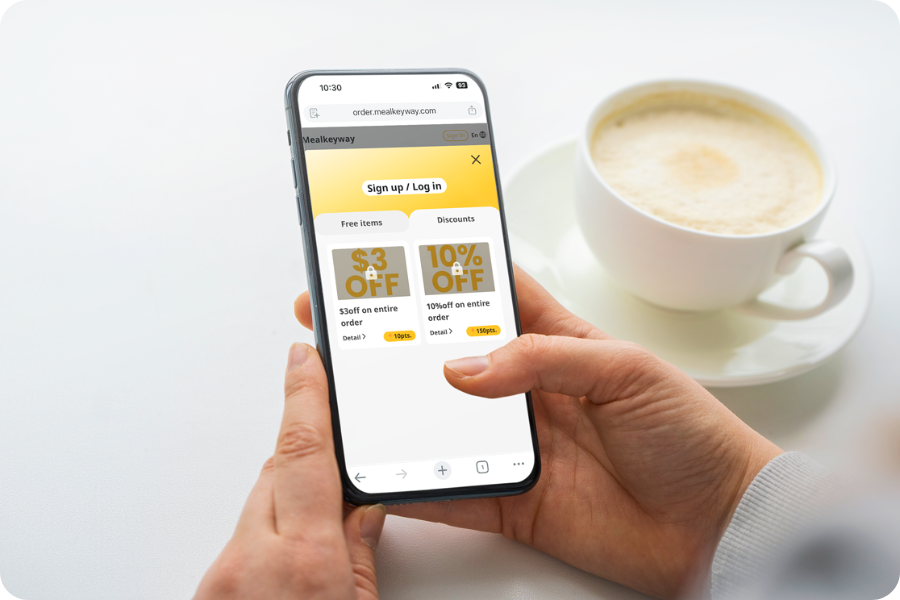
Targeted promotions can bring customers into quieter dining periods while preserving full-price sales at peak times. Use historical transaction data to identify days and hours with room for additional guests.
For example, offer 15% off dine-in orders from 2 p.m. to 4 p.m. on selected weekdays in early December. Another option is a complimentary seasonal drink with a qualifying afternoon meal. Keep the incentive specific to the slower period.
Before launching, estimate the contribution margin after the discount and confirm that the offer will not displace higher-value orders. Set precise redemption hours, exclude peak dates where needed, and compare sales with similar periods to measure incremental demand.
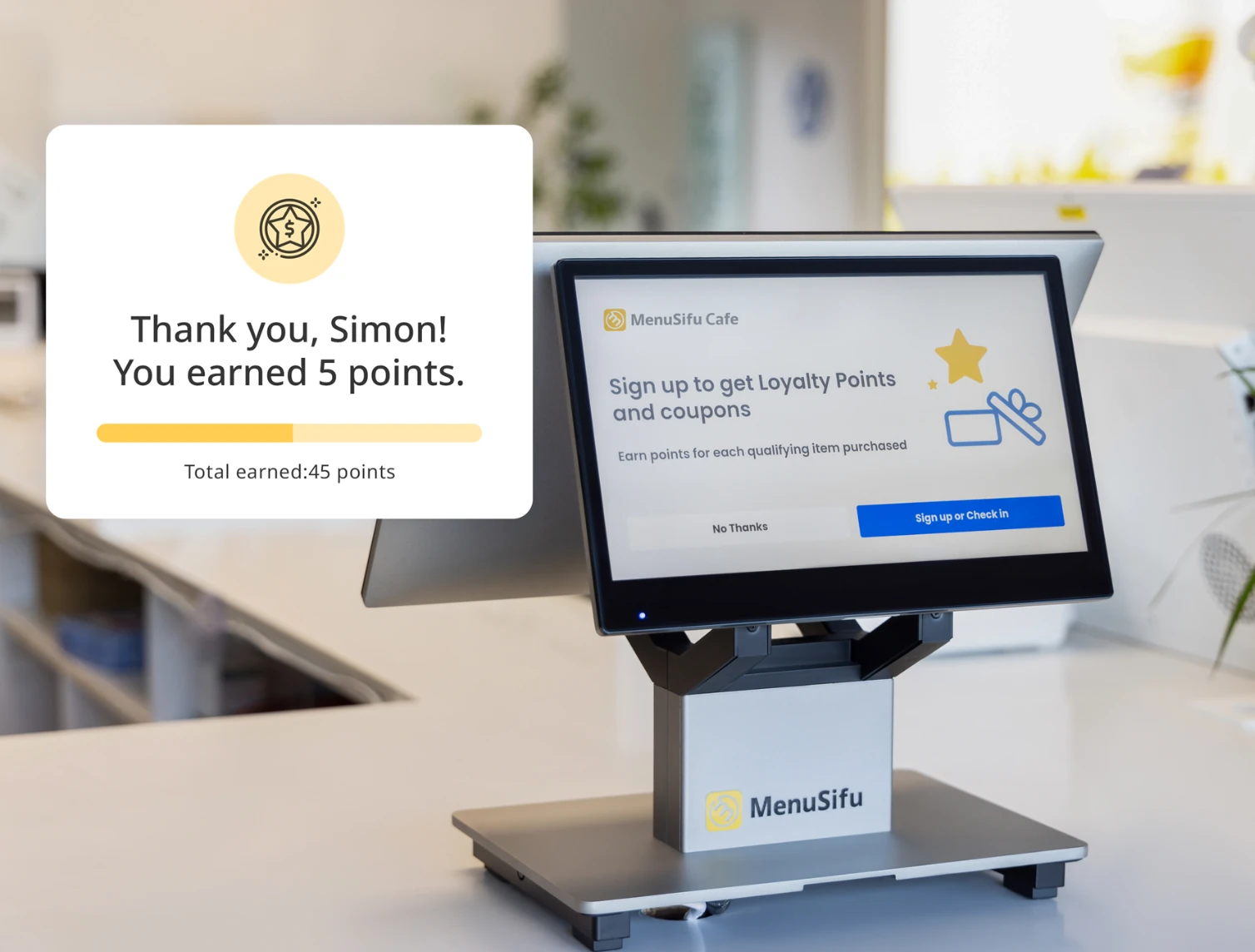
Seasonal loyalty offers give existing customers a reason to return before the year ends. They also create an opportunity to promote items or dining periods that need extra attention.
You might award double points on weekday visits in December or provide members with an exclusive Christmas dessert after a qualifying purchase. Another approach is a reward that customers can redeem in January, extending the campaign's value beyond the holiday rush.
Choose one clear earning rule and one defined reward. Set a redemption limit and check the cost of each benefit against expected spending. Share the details through your loyalty communications, using channels customers have agreed to receive, and review repeat visits after the offer ends.
A ticketed or reservation-based event can attract customers seeking a festive outing beyond a regular meal. Choose a format that suits your space, menu, and staffing capacity.
For example, host a Christmas trivia dinner on a Thursday evening. Charge $45 per guest for a set menu, include a small prize for the winning team, and cap attendance at 40. A family-focused venue might choose a holiday brunch with a scheduled children's activity instead.
Calculate food, entertainment, decoration, and labor costs before setting the price. Publish the event schedule and what the ticket includes, then use deposits or advance payments to secure attendance. Keep enough space and staff available to deliver the experience as advertised.
A well-defined giveaway can introduce your restaurant to prospective customers and draw attention to your holiday offerings. Pick a prize connected to a real dining experience so the campaign attracts people interested in visiting.
For example, offer a dinner-for-two voucher redeemable in January. Announce the entry period on Instagram or Facebook, explain the eligibility rules, and identify when and how the winner will be selected. Feature a festive dish or dining setup in the post to connect the prize with your restaurant.
Review local promotion requirements and each platform's giveaway policies before publishing. Avoid collecting unnecessary personal information. Measure relevant outcomes, including profile visits, website traffic, and voucher redemption, instead of judging success by likes alone.
A collaboration lets you reach nearby customers through another business with a complementary audience. Choose a partner whose offer connects naturally with a dining occasion.
For example, work with a local cinema to give ticket holders a complimentary dessert with a qualifying dinner purchase. In return, the cinema can feature your restaurant in its holiday newsletter. A nearby bookstore or shopping center could support a similar promotion after seasonal shopping trips.
Agree on the dates, eligibility rules, promotional materials, and each partner's responsibilities before launch. Give the offer a dedicated code so you can track redemptions. Review results together to decide if the partnership deserves another campaign.
Company celebrations often involve larger guest counts, firm budgets, and specific booking requirements. A dedicated corporate package helps event organizers compare options and confirm arrangements efficiently.
For instance, offer a three-course team dinner at $55 per person for groups of 15 or more, with an optional private dining area and beverage upgrade. Provide a sample event schedule and a single contact method for inquiries. Unlike family dining deals, this package should account for business billing and group coordination.
List minimum spending requirements, deposit terms, final headcount deadlines, and cancellation conditions in the proposal. Confirm menu choices in advance and designate a contact to coordinate changes before the event date.
A charitable campaign connects a seasonal purchase with a defined community contribution. Choose an established organization and explain exactly how customer purchases support the cause.
For example, donate $2 from every Christmas dessert sold between December 1 and 24 to a local food assistance charity. Feature the initiative on the dessert menu and use brief signage to share the organization's name and the donation period. This approach gives the promotion a purpose beyond a price incentive.
Get the organization's permission before using its name or logo. Define the donation calculation, keep accurate sales records, and confirm any applicable fundraising requirements. After the campaign, share the total contribution with customers.
Personal recommendations can help attract first-time diners, especially when existing customers have a clear reason to share an offer. Reward a completed referral instead of an invitation alone.
For example, give an existing customer a $10 dining credit after a referred guest makes a qualifying purchase of $40 or more. You could also offer the new guest a small welcome benefit to encourage the first visit. Use a referral code or tracked link to connect the purchase to the referrer.
Set reward limits, expiry dates, and exclusions before promoting the program. Issue credits only after eligible purchases are complete, and monitor the acquisition cost per new customer alongside repeat visits.
Off-site catering helps you serve office gatherings, private parties, and community events beyond your dining room. It differs from takeout bundles by serving larger groups and potentially including delivery, setup, or serving equipment.
For example, create a holiday buffet package for 25 guests with two main dishes, three sides, and dessert, priced per person. Offer delivery and setup as separately priced services, and state the minimum order size. Include vegetarian options when your kitchen can support them.
Set order deadlines based on purchasing and production capacity. Confirm venue access, delivery windows, food safety requirements, and final guest counts before accepting a booking. A concise catering menu with transparent terms helps customers plan accurately.
A return-visit offer can turn one-time Christmas guests into customers during slower weeks after the holiday period. Give diners a specific incentive to come back, with terms that encourage a worthwhile purchase.
For example, hand guests who dine from December 15–25 a voucher for $10 off a $60 purchase between January 5 and 31. Present it with the bill or include it in an approved digital receipt. Keep the message focused on their next visit, separate from any loyalty rewards promoted earlier in December.
Set one redemption per table or transaction if appropriate, and ensure staff can validate the offer easily. Track issued and redeemed vouchers, total spending per redemption, and the revenue generated during the target period.
Want to bring several Christmas promotions together into one campaign? A 12 Days of Christmas promotion gives customers something different to look forward to each day.
Instead of promoting every offer at once, you can highlight a different deal, reward, or festive experience across 12 consecutive days. This creates opportunities to showcase more menu items, maintain customer interest, and encourage additional purchases.
Suggested campaign timing: You can schedule the campaign from December 1–12 to encourage early holiday bookings or from December 13–24 to build excitement leading up to Christmas.
Here's a sample calendar you can adapt based on your restaurant's offerings, customer preferences, and promotional budget. Each day features a different promotion, with some offers available for immediate redemption and others allowing customers to book, order, or redeem rewards at a later date.
These are illustrative offers and redemption terms. Review local promotional, consumer protection, and gift card regulations before launching.
This calendar is designed for a December 1–12 campaign. If you schedule the campaign from December 13–24, replace the Day 2 early-bird reservation reward with a last-minute Christmas booking incentive to fill remaining tables. Update all promotional and redemption dates accordingly.
To keep your campaign organized and profitable:
After the campaign, review sales and promotional costs to determine which offers generated profitable customer activity and deserve a place in future holiday campaigns.
The right Christmas promotion ideas can help you attract more diners, increase holiday sales, and encourage customers to return after the festive season. Choose offers that align with your customers' preferences, budget, and business goals, then track their performance to identify which ones deliver the best results.
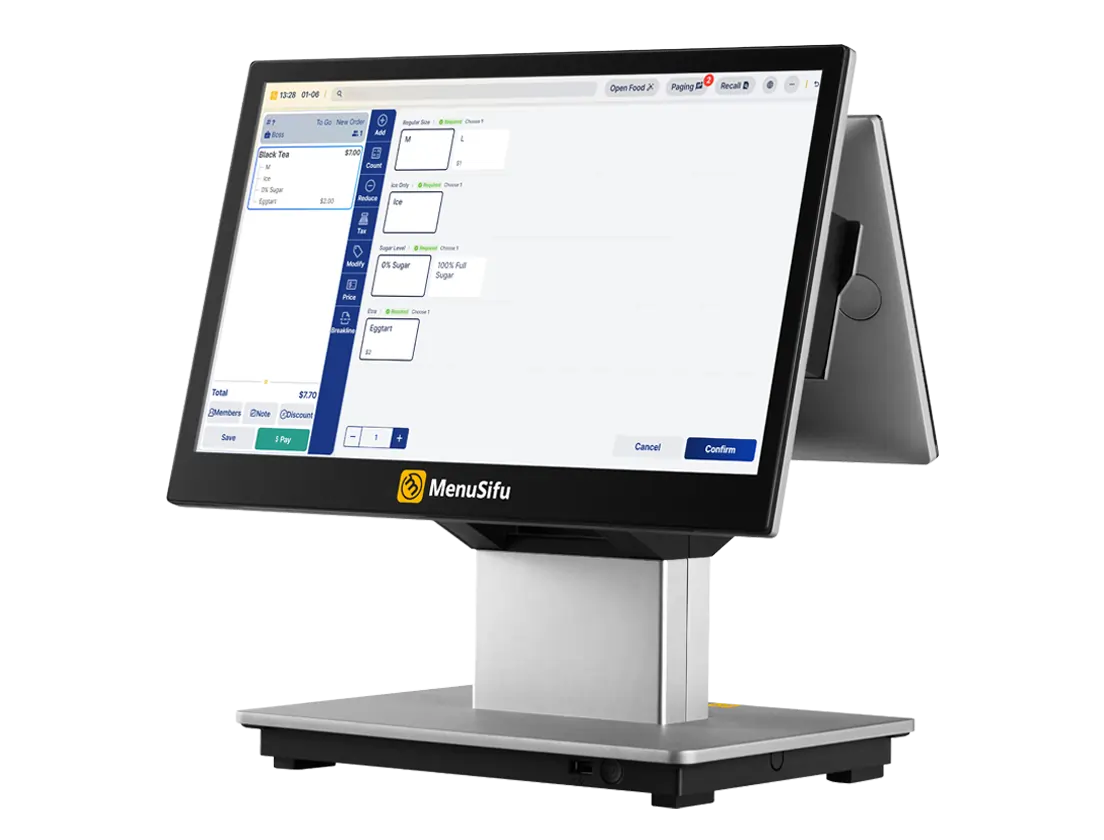
Once you've planned your promotions, the next step is making them visible and easy to redeem. MenuSifu offers tools to support these efforts. MEALKEYWAY helps create holiday promotional materials and supports online ordering, while Showtop Smart Display Screens showcase festive menus and seasonal offers in-store. You can also use SMS marketing to share timely announcements and digital coupons to encourage repeat visits.
Interested in exploring how these solutions can support your holiday campaigns? Book a Free Demo with MenuSifu to see how its tools can help you promote seasonal offers and keep customers engaged beyond Christmas.
Still planning your Christmas promotions? Here are answers to frequently asked questions about campaign timing, promotional budgets, marketing channels, and measuring results.
Restaurants should start planning Christmas promotions six to eight weeks in advance, ideally in October or early November. Promote corporate dining packages, catering services, and early-bird reservations first to secure advance bookings. Launch festive menu specials, holiday discounts, and giveaways closer to December to attract more customers throughout the Christmas season.
Budget-friendly Christmas promotion ideas include social media giveaways, referral rewards, loyalty offers, and partnerships with local businesses. You can also create limited-time holiday specials using existing ingredients to keep costs low. Choose promotions that attract customers, encourage repeat visits, and stay within your budget.
Restaurants can promote their Christmas offers through social media, email marketing, website announcements, and in-store signage. Use appealing visuals, highlight special deals, and include clear pricing, promotional dates, and booking instructions. Start promoting early and share timely reminders to encourage reservations and holiday orders.
Track key metrics such as total sales, reservation volume, average order value, promotional redemptions, and repeat visits. Compare these results with previous periods to evaluate campaign performance. Review promotional costs and profit margins to identify which Christmas offers generated the best returns and improve future campaigns.
For more restaurant marketing ideas, operational tips, and industry updates, explore the MenuSifu Blog.