February 26, 2026
Practical strategies to protect margins, improve efficiency, and retain customers during economic pressure
Practical strategies to protect margins, improve efficiency, and retain customers during economic pressure
According to the 2026 National Restaurant Association State of the Industry Report, 42% of restaurant operators reported they were not profitable in 2025.
Median profit margins remain thin—just 2.8% for full-service restaurants and 4% for limited-service operations.
Meanwhile, food and labor costs have climbed more than 35% since 2019, and more than 9 in 10 operators cite food, labor, and inflation as significant challenges.
Sales are projected to reach $1.55 trillion in 2026—but much of that growth is driven by pricing, not traffic. Real (inflation-adjusted) growth is expected to be just 1.3%.
In short: revenue is growing, but profitability is under pressure.
Restaurant owners are feeling pressure from all sides:
Inflation affects nearly every line item on a restaurant’s P&L. And while operators can’t control supplier pricing or economic cycles, they can control how efficiently their businesses run. In fact, more than 95% of operators report food and labor costs as significant challenges, and over 80% cite credit card processing fees as a growing burden.
The key isn’t simply cutting costs. It’s building operational visibility and flexibility.
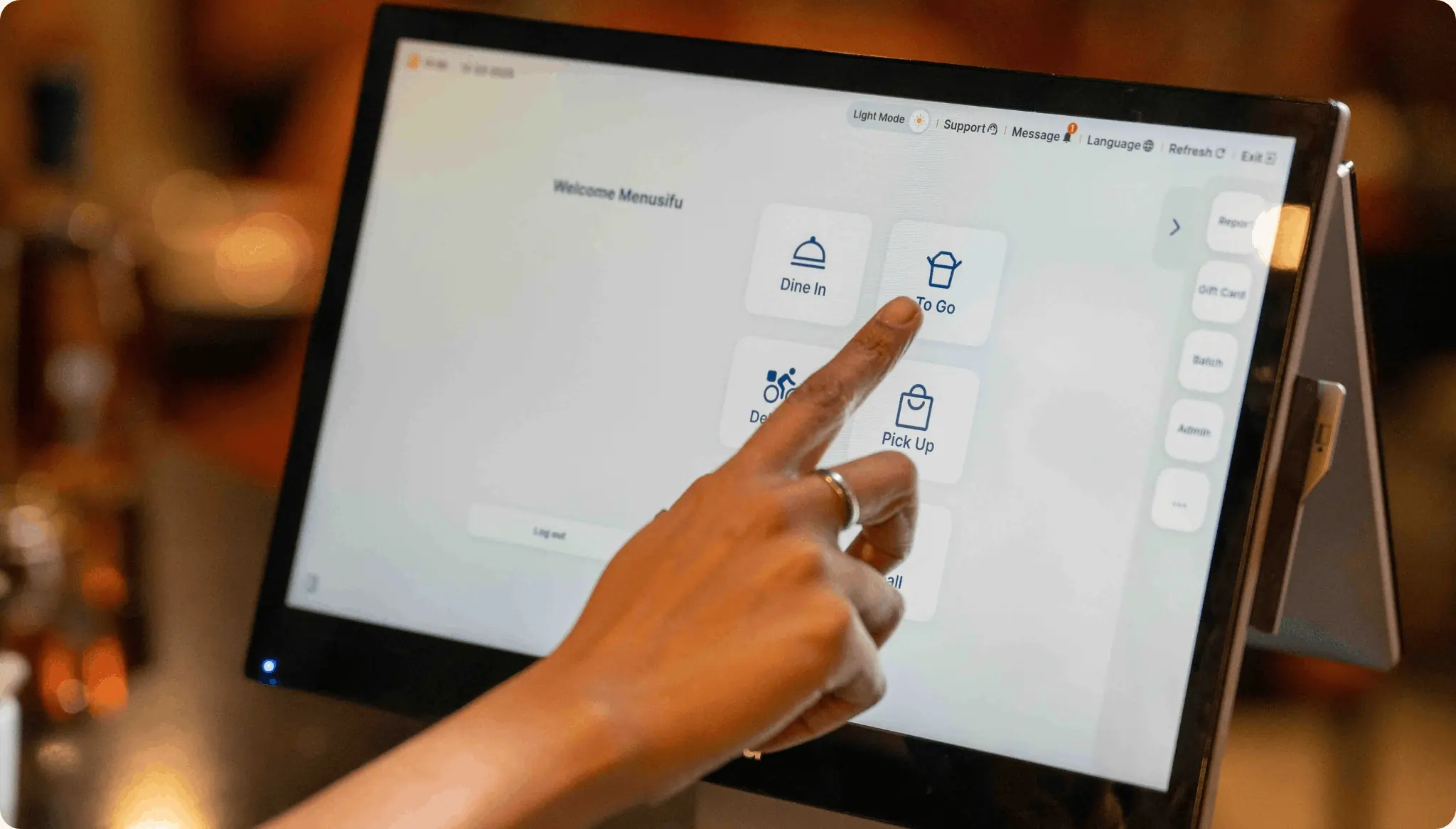
The right POS platform should reduce pressure—not add complexity. It should help you see what’s happening inside your business in real time, so you can respond with confidence instead of reacting in panic.
During inflation, small cost increases compound quickly. With median industry margins below 4%, even minor inefficiencies can erase profitability altogether. Food prices fluctuate weekly. Labor expenses creep up quietly. Without accurate, real-time data, decisions become reactive—and margins shrink.
A modern restaurant POS platform provides the visibility operators need to stay ahead of rising costs:
With tools like MenuSifu’s POS MX, operators can monitor inventory levels, track purchasing patterns, and compare usage against sales in real time.
Better visibility leads to better purchasing decisions.
Better data leads to fewer margin surprises.
Instead of guessing which items are costing more—or which shifts are underperforming—you can see it instantly and act accordingly.
When inflation impacts ingredient pricing, menu strategy becomes critical. The National Restaurant Association reports that average food costs remain more than 35% above pre-pandemic levels, making precise menu engineering more important than ever.
The right POS system allows you to:
For example, sales reporting may reveal that a popular dish has a shrinking margin due to supplier cost increases. With clear performance data, you can adjust pricing, modify portioning, or promote higher-margin alternatives.
Inventory management tools help prevent over-ordering and reduce spoilage—ensuring every dollar spent on ingredients converts into revenue.
Small adjustments add up.
Strategic menu refinements can meaningfully protect margins without compromising guest experience.
Labor is often the largest controllable expense in a restaurant. At the same time, the industry faces a tightening labor pipeline, with workforce participation among younger age groups projected to decline over the next decade.
During inflationary periods, reducing labor costs without harming service quality is one of the biggest operational challenges.
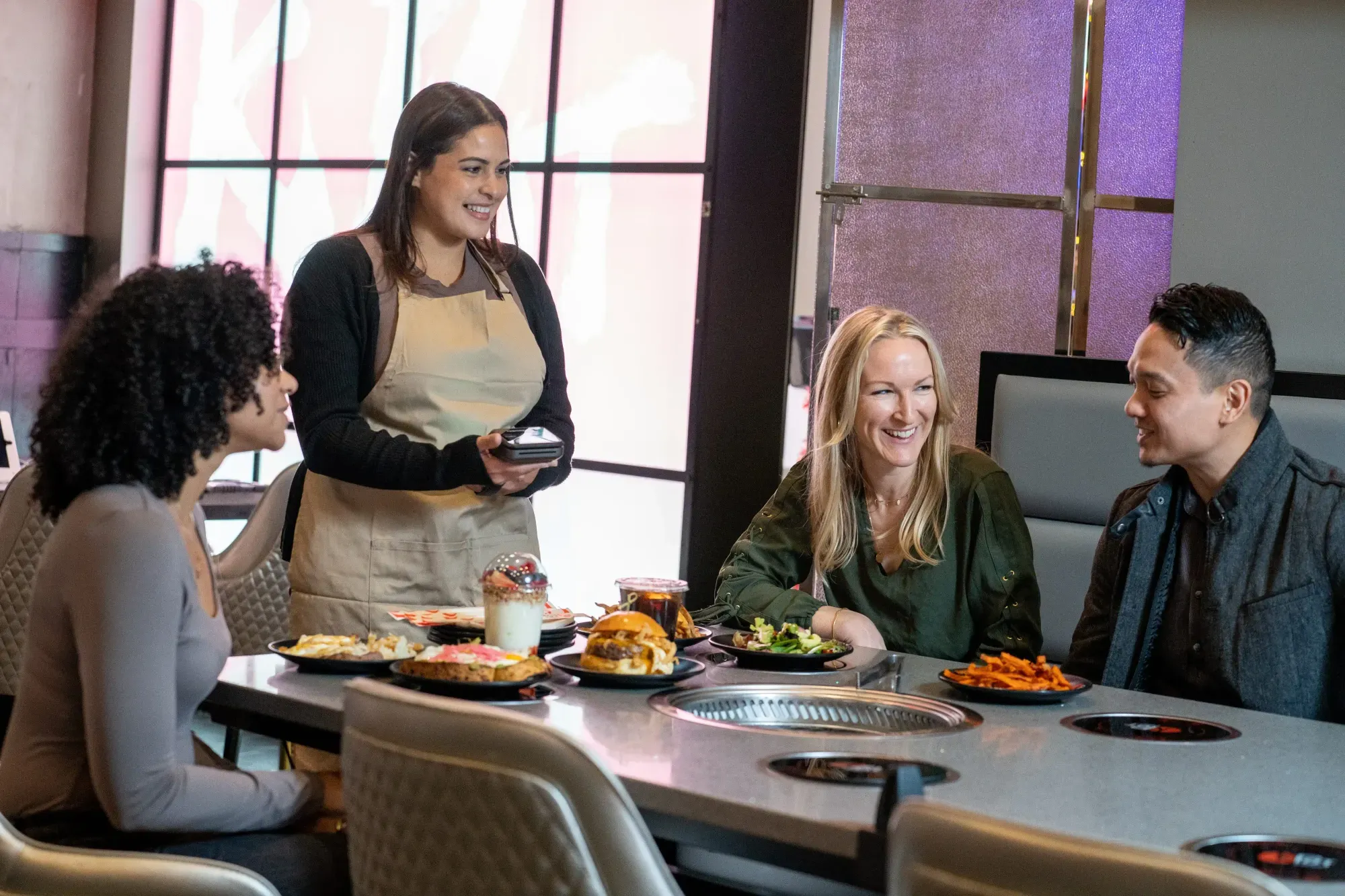
When servers can place orders directly from handheld devices, orders go straight to the kitchen in real time. This reduces mistakes, improves accuracy, and shortens service cycles.
Integrated payment processing also speeds up checkout, helping turn tables faster and serve more guests per shift.
Efficiency protects both margins and staff morale. Importantly, only 6% of operators say technology investments have led to permanent job eliminations—highlighting that smart systems enhance teams rather than replace them.
When workflows are smooth, employees feel more confident—and guests feel the difference.
Inflation changes consumer behavior. More than 4 in 10 consumers say they are dining out less frequently than a year ago, and spending patterns remain segmented by income level. Higher-income households continue to drive growth, while budget-conscious guests are becoming more selective. When budgets tighten, dining out becomes more selective.
Restaurants must deliver clear value, make ordering convenient, and create reasons for guests to return.
A comprehensive POS ecosystem supports retention by offering:
With customer data insights, restaurants can identify repeat guests, track preferences, and send targeted promotions during slower periods.
Retention is often more cost-effective than acquisition. Encouraging existing customers to return—even one additional visit per month—can significantly stabilize revenue during uncertain economic conditions.
Inflation rewards operational flexibility. With customer traffic uneven and many operators reporting declines in 2025, diversified ordering channels are no longer optional—they are risk management.
Restaurants that diversify revenue streams—without increasing administrative burden—are better positioned to withstand economic pressure.
Modern POS platforms support:
MenuSifu Central integrates directly with major third-party delivery platforms, including:
By consolidating online and in-house orders into one unified system, restaurants reduce manual errors and save time on reconciliation.
The result: expanded reach without added complexity.
In volatile economic conditions, waiting until the end of the month to review financials is too slow.
A robust POS platform offers real-time financial reporting that allows operators to:
This level of transparency enables fast, informed adjustments—whether renegotiating supplier contracts, modifying staffing schedules, or adjusting menu pricing.
Real-time reporting also strengthens communication with stakeholders, providing clear financial visibility that builds confidence during uncertain periods.
Restaurant owners cannot control:
But they can control:
Inflation challenges every restaurant—but it also rewards operators who respond strategically.
With tools designed to improve operational efficiency, margin visibility, and long-term stability, MenuSifu supports independent restaurant owners navigating today’s economic pressures.
Explore how a connected restaurant technology ecosystem can help protect margins and strengthen performance—today and as your business grows.